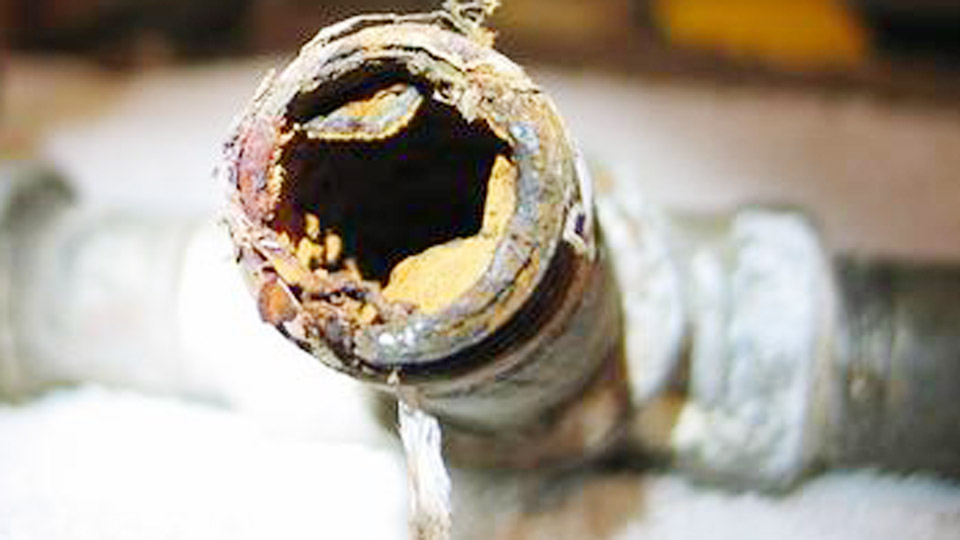
Rusted and seized fasteners halt welding repairs, fabrication teardowns, and equipment maintenance on everything from trailer frames to heavy machinery. The threads bind with iron oxide, creating mechanical lockup that exceeds the shear strength of the bolt or risks rounding the head.
Learning effective how to loosen rusted bolts home remedy techniques saves time, preserves base metal for clean welding, and avoids costly drilling or tapping operations.
Home remedies leverage accessible household chemicals, thermal differentials, and mechanical advantage to penetrate, dissolve, or fracture rust without specialized penetrating oils. In welding shops and home garages, these methods integrate directly with oxy-fuel torches and arc welders already on hand.
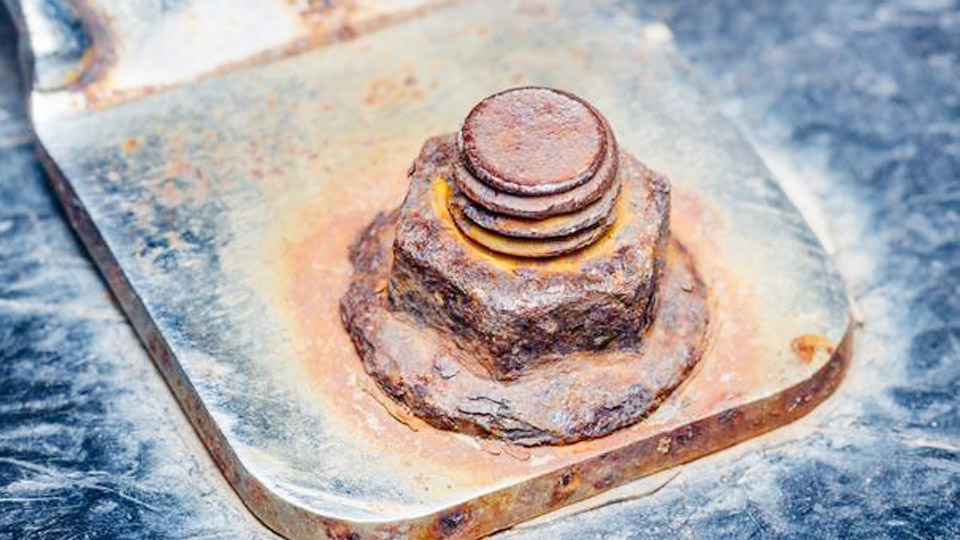
Image by yahoo
Mechanical Preparation Before Any Chemical or Thermal Treatment
Cleaning and Initial Assessment
Remove loose scale and surface rust with a wire wheel or stiff brush. This exposes threads and allows better penetration of any remedy. Inspect the fastener size, grade (e.g., Grade 5 vs. 8), and surrounding material—cast iron or thin sheet reacts differently to heat than mild steel. Measure available access; tight spaces limit wrench swing and favor impact or vibration methods.
Leverage and Shock Techniques
Select a 6-point socket or wrench that fits snugly to maximize contact and minimize rounding. Apply controlled rocking: tighten slightly then loosen repeatedly to fatigue the rust bond. Add a breaker bar for mechanical advantage on larger bolts (M10+).
Light hammer tapping on the wrench or bolt head transmits vibration that cracks brittle rust without damaging threads. Avoid excessive force initially—over-torquing often snaps the shank before rust yields.
Vinegar and Acid-Based Home Remedies
White Vinegar or Apple Cider Vinegar Soaks
Acetic acid in vinegar (5-8% concentration) chelates iron oxide slowly. Submerge removable parts or wrap rags soaked in undiluted vinegar around the fastener for 1-24 hours, refreshing as needed. For in-situ bolts on weldments, create a dam with modeling clay and fill with vinegar.
This method works best on lightly rusted mild steel; heavily oxidized high-strength bolts require longer exposure or agitation. Neutralize with baking soda rinse afterward to prevent ongoing acid attack on base metal.
Cola or Carbonated Beverages
Phosphoric acid in Coca-Cola or similar drinks provides mild chelation similar to vinegar. Soak a rag and apply for 1-2 hours. Effectiveness is lower than straight vinegar due to dilution and sugars that leave residue, but it remains useful for quick field attempts on exposed exhaust or chassis bolts. Rinse thoroughly before welding to avoid porosity from contaminants.
Hydrogen Peroxide and Baking Soda Paste
Mix 3% hydrogen peroxide with baking soda into a thick paste. Apply directly to threads. The peroxide oxidizes and lifts rust while baking soda provides mild abrasion.
This combination generates mild effervescence that helps dislodge particles. Reapply every 30-60 minutes for stubborn cases. It suits stainless-to-mild steel interfaces common in custom fabrication where galvanic corrosion accelerates seizing.
Solvent and Oil-Based Home Mixtures
ATF and Acetone Penetrating Blend
A 50/50 mix of automatic transmission fluid (ATF) and acetone creates one of the most effective DIY penetrants. Acetone’s low surface tension carries ATF deep into threads. Mix fresh in a small container—acetone evaporates quickly.
Apply liberally, tap the assembly, and wait 15-60 minutes. Multiple applications outperform single heavy doses. This blend rivals commercial products in independent tests for rusted fastener release.
Other Household Solvent Combinations
- Diesel or kerosene with a small amount of motor oil: Good for overnight soaks on large equipment.
- Laundry detergent and water with citric acid (from lemon juice): Mild for aluminum-adjacent fasteners to avoid galvanic issues.
Apply via drip or soaked rag. These mixtures lubricate once rust breaks, aiding final removal.
Thermal Methods Integrated with Welding Tools
Differential Heating and Cooling
Apply focused heat from a propane or oxy-acetylene torch to the surrounding metal (nut or plate), not the bolt itself. Heat causes expansion that fractures the rust bond.
Target 300-500°F (visible color change to dull red on steel) then quench the bolt selectively with water or compressed CO2 (upside-down fire extinguisher) for contraction. Repeat cycles break stubborn seizures. On weld repairs, this integrates seamlessly with pre-heat practices.
Caution with heat on high-strength or heat-treated fasteners: Tempering temperatures may be exceeded, weakening the bolt. For critical structural welds, replace rather than reuse heated Grade 8+ hardware.
Beeswax or Paraffin Impregnation
Heat the area then melt paraffin wax or a candle into the threads. The wax flows in as a lubricant and rust barrier. This excels on pipe plugs or NPT threads common in welding fixtures and hydraulic setups.
Advanced Techniques for Severe Cases
Welding a Nut for Grip
When the bolt head rounds or shears, weld a larger nut directly onto the exposed stud. The weld provides fresh purchase for a wrench or socket. Use low-hydrogen rods or MIG with appropriate wire to minimize heat-affected zone distortion on the base part. This method is common in professional repair welding when drilling risks damaging expensive castings or frames.
Vibration and Impact Assistance
Apply an air hammer or impact wrench after chemical/thermal treatment. Vibration shears remaining rust crystals. For home shops, a cheap reciprocating saw with a dull blade pressed against the nut transmits useful vibration.
Material-Specific Considerations in Welding and Fabrication
Cast Iron vs. Steel
Cast iron expands differently and risks cracking under rapid thermal cycling. Use slower heat application and ATF/acetone soaks rather than aggressive vinegar. Steel tolerates more aggressive methods but watch for work-hardening in thin sections.
Stainless and Dissimilar Metals
Galvanic corrosion creates deeper pitting. Acid remedies require thorough neutralization. Prefer mechanical vibration plus solvent mixes to preserve corrosion resistance.
Threaded Inserts and Helicoils
When removal damages threads, plan for helicoil repair before welding resumes. Home remedies that minimize metal loss preserve more parent material for tapping.
Tool and Safety Integration for Welders
Use proper PPE: gloves resistant to solvents, eye protection against sparks and splatter, and ventilation for acetone or heated vapors. Keep a fire extinguisher nearby when using torches. After loosening, clean all residues before welding—oils and acids cause weld defects like porosity or cracking.
| Method | Best For | Dwell Time | Effectiveness | Welding Compatibility |
|---|---|---|---|---|
| Vinegar Soak | Light-medium rust, removable parts | 1-24 hours | Medium-High | Excellent after neutralization |
| ATF/Acetone | Most seized bolts | 15-60 min | High | Good (clean thoroughly) |
| Heat + Cool | In-situ large fasteners | Immediate cycles | Very High | High (control HAZ) |
| Welding Nut | Rounded/damaged heads | N/A | Very High | Direct integration |
Real-World Decision Framework
Choose remedies based on part accessibility, material, and urgency. Overnight soaks suit planned shop work; heat cycles fit urgent field repairs. Combine methods sequentially—chemical first, then mechanical shock, then heat—for highest success rates without destruction. Test on scrap when working with unknown alloys or critical load-bearing components.
In practice, the most reliable approach for welders combines a strong DIY penetrant like ATF/acetone with targeted torch heat and proper tooling.
This sequence minimizes base metal damage, preserves thread integrity for reassembly or clean welding prep, and delivers consistent results across hobby projects and professional fabrication. Mastering these techniques turns seized fasteners from project stoppers into manageable steps in the metalworking process.