
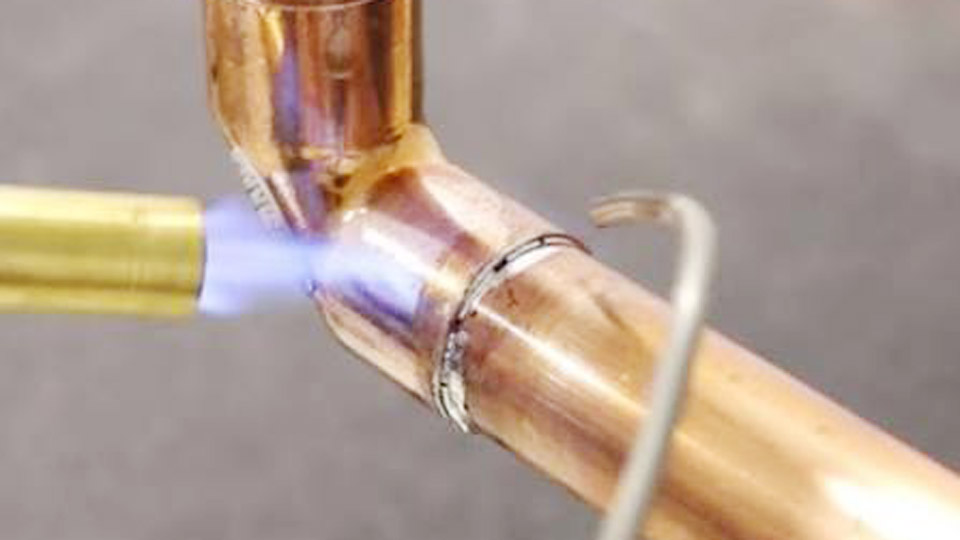
Soldering Copper Pipe Without Flux: What Actually Works and What Fails
Attempting soldering copper pipe without flux leaves the joint vulnerable the moment heat hits the metal. Copper forms an oxide
Learn soldering with expert guides, step-by-step tutorials, tool reviews, safety tips, troubleshooting, and techniques for electronics, plumbing, and metalwork.
Attempting soldering copper pipe without flux leaves the joint vulnerable the moment heat hits the metal. Copper forms an oxide

Most home welders who treat brass like mild steel end up with porous, weak beads and clouds of white zinc
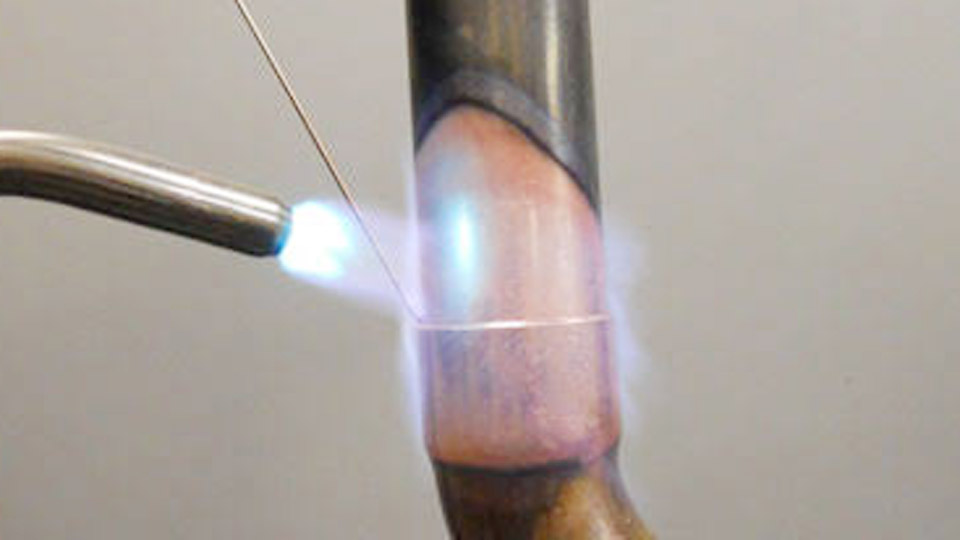
Leaking refrigerant joints or clogged TXVs after a new install almost always trace back to one of three failures: oxide
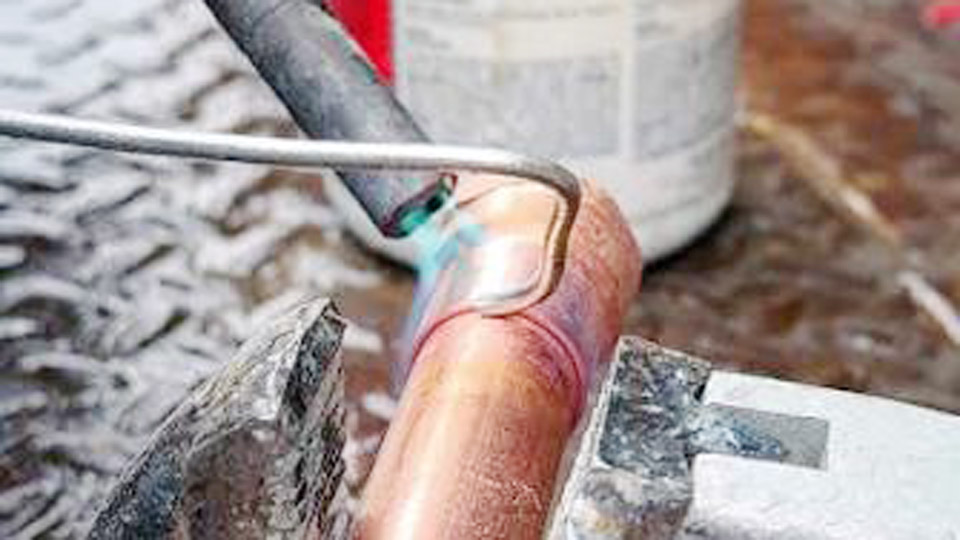
Leaking copper joints after the first pressure test almost always trace back to incomplete cleaning, uneven heat, or residual moisture
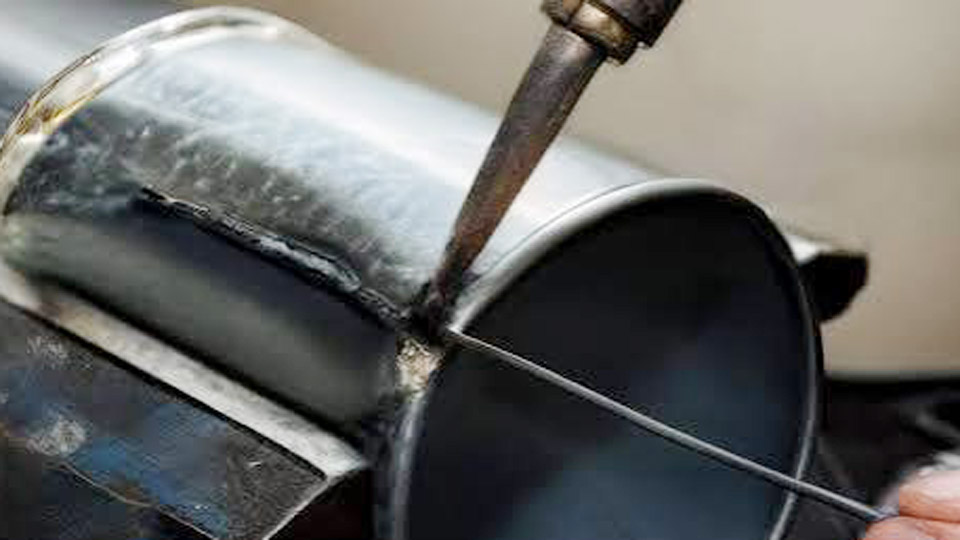
Solder refuses to wet galvanized steel wire and simply beads up or rolls off the surface. The zinc coating that
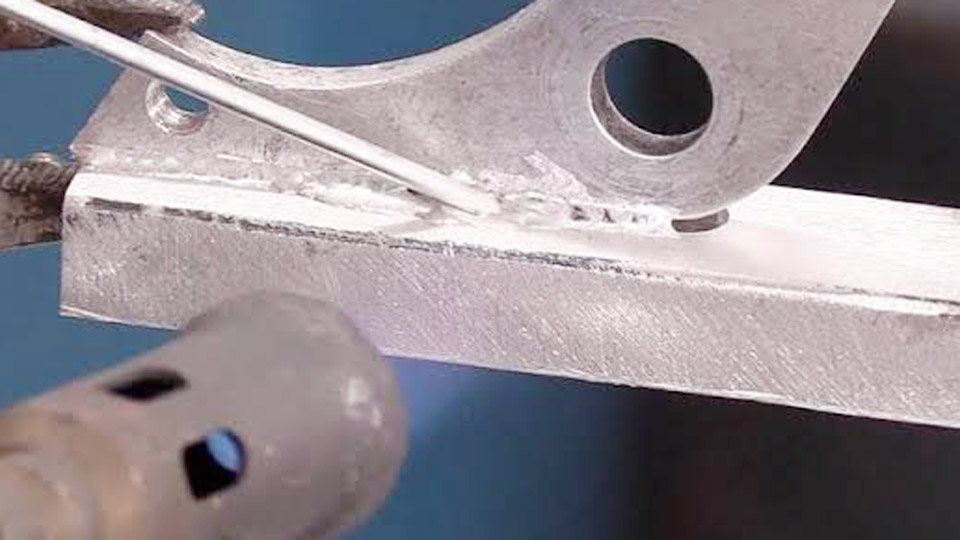
Standard tin-lead or electronics solder simply refuses to wet aluminium when joining it to copper. The stubborn oxide film on
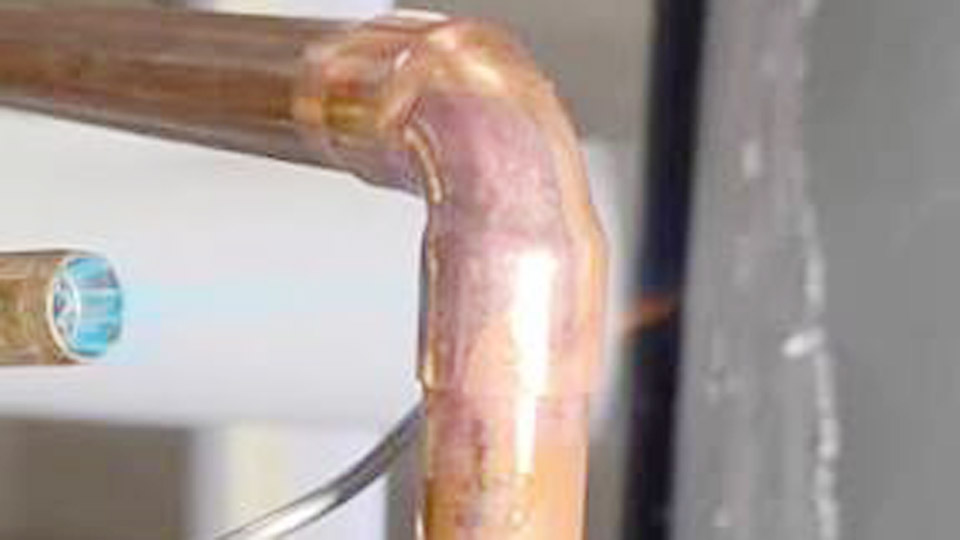
Old copper plumbing joints that test high for lead often trace back to 50/50 tin-lead solder used before the mid-1980s.
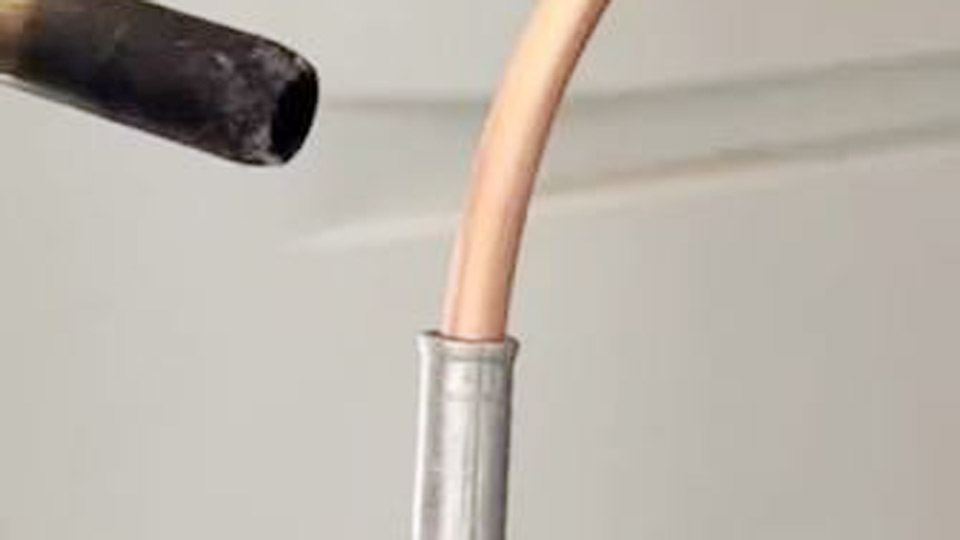
Direct fusion welding of copper pipe to aluminum pipe almost always fails. Aluminum melts near 660 °C while copper requires
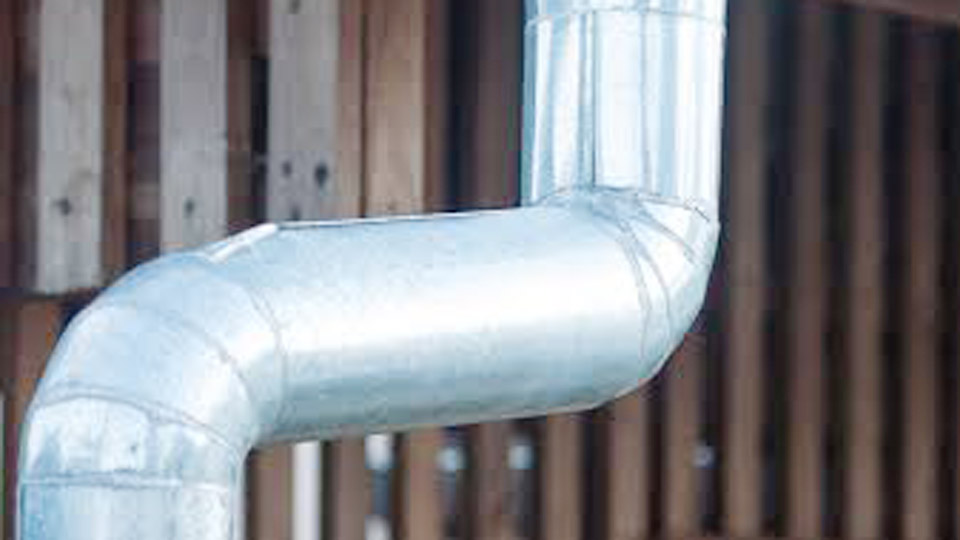
Caulk and sealant joints on galvanized steel gutters fail within a few seasons under thermal expansion, UV exposure, and freeze-thaw
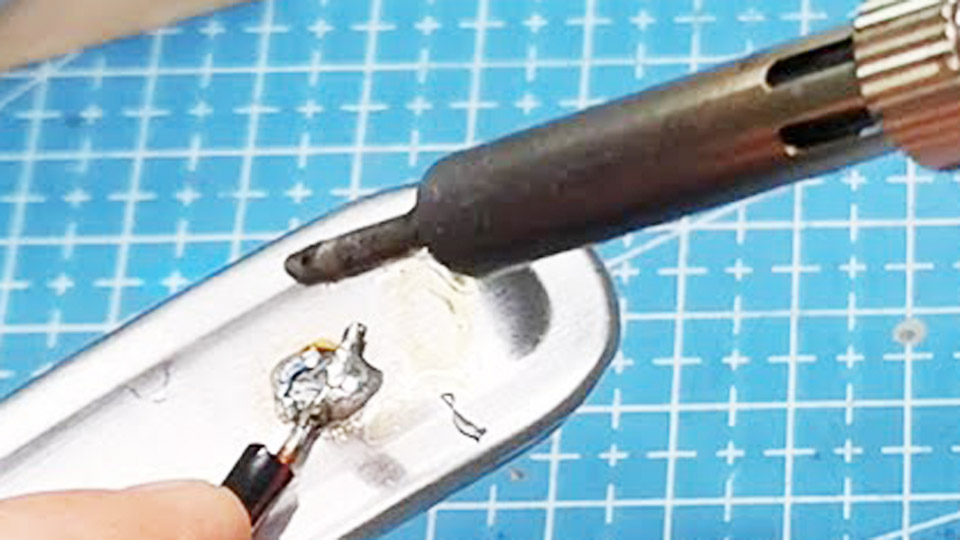
Solder refuses to wet stainless steel wire and simply balls up or rolls off the surface. That failure occurs because