Solder refuses to wet galvanized steel wire and simply beads up or rolls off the surface. The zinc coating that protects the wire from corrosion also blocks proper metallurgical bonding, leaving weak mechanical connections or no joint at all.
Learning how to solder galvanized steel wire solves this by combining targeted coating removal, the correct acid flux, controlled heat, and proper solder application so the joint achieves both strength and electrical continuity when needed.
Incorrect technique either destroys the surrounding zinc protection or produces a cold joint that fails under load or vibration.
The process below focuses on the decisions and values that produce consistent results on fencing wire, guy wires, electrical leads, and fabrication work.
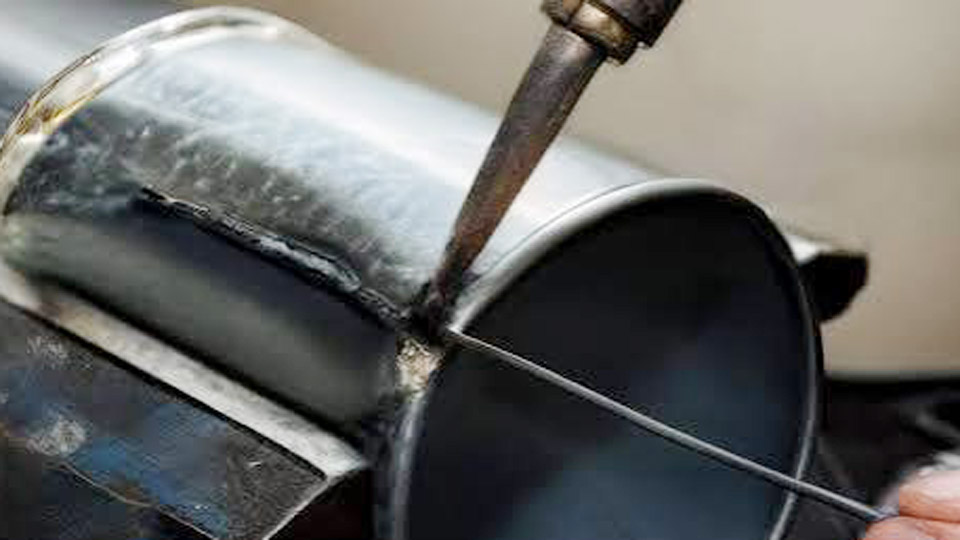
Image by termopasty
Surface Preparation Decisions That Determine Bond Strength
The zinc layer must be removed only at the joint zone. Leaving residual zinc or oxides guarantees incomplete wetting regardless of flux or heat input.
How Much Zinc Coating to Remove
Strip the galvanized layer from the exact contact area plus a short transition zone—typically ½ to 1 inch on each wire end for a twisted splice. Use 60- to 120-grit sandpaper or a clean wire brush until bright base steel appears.
Over-stripping increases the unprotected length that must later be recoated; under-stripping leaves zinc that vaporizes and prevents solder flow. Wipe the abraded surface with acetone or isopropyl alcohol immediately to remove residual oil and abrasive dust.
When Mechanical Cleaning Alone Is Insufficient
Heavy mill scale, old paint, or thick oxide requires a second pass with fresh abrasive. If the wire still looks dull gray after brushing, the oxide film remains and will reject solder.
For production work, a brief chemical etch with dilute hydrochloric acid followed by thorough rinsing can replace mechanical abrasion, but residual acid must be completely neutralized before flux application.
Flux Selection and Application for Zinc-Coated Steel
Ordinary rosin flux cannot dissolve zinc oxides effectively. Only high-activity chloride fluxes produce reliable wetting on galvanized surfaces.
Zinc-Chloride Versus Standard Acid Fluxes
Zinc-chloride-based liquid fluxes (examples include formulations equivalent to Johnson’s Galvanized Steel Flux or Superior No. 71) operate in the 200–800 °F range and aggressively remove the oxide layer that reforms within seconds of cleaning.
Paste versions of the same chemistry hold better on vertical or overhead joints. Avoid electronics-grade rosin fluxes; they leave the surface passive and the solder will ball up.
Flux Quantity and Timing
Apply a continuous, thin film of flux immediately after cleaning. Excess flux creates corrosive residue that must later be removed; too little allows re-oxidation during heating.
Brush the flux only where solder will flow—solder follows the flux path. Once applied, begin heating within one to two minutes to prevent the flux from drying or absorbing moisture.
Heat Source and Temperature Control Choices
Heat input must raise the base metal to soldering temperature without driving the surrounding zinc coating past its damage threshold (approximately 600–750 °F).
Soldering Iron Versus Propane Torch for Wire
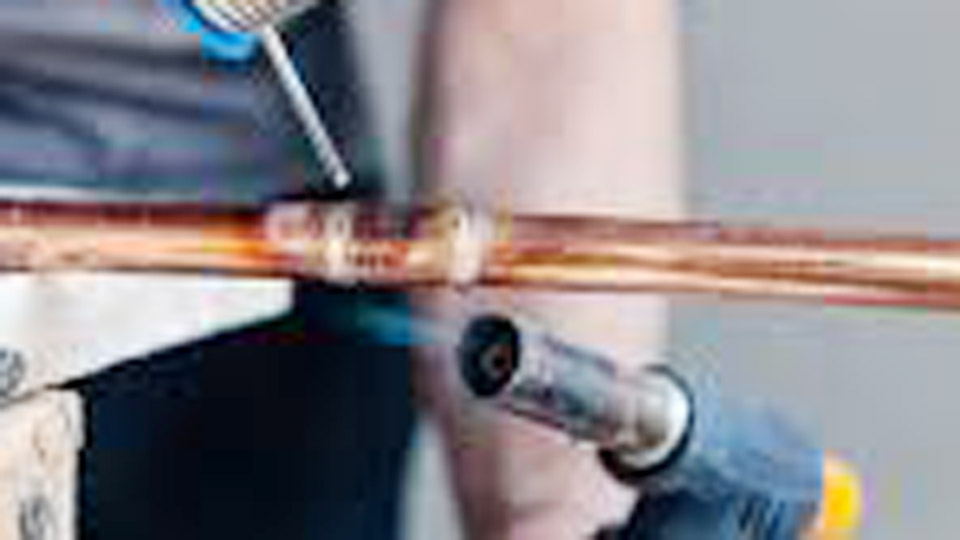
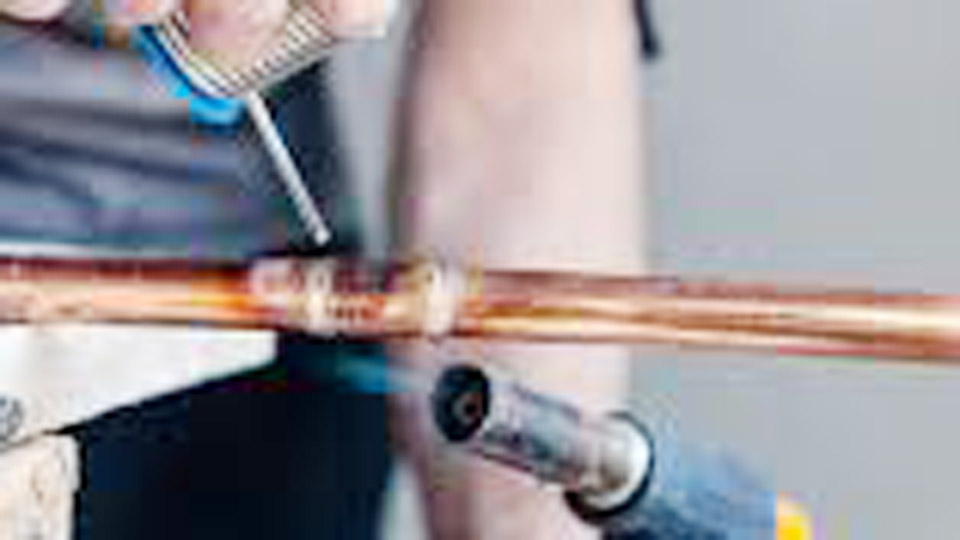
A 60–100 W soldering iron with a chisel or conical tip works for wire diameters up to about 12–14 AWG when the joint is small and accessible. For heavier gauge fencing or structural wire, a propane or MAP-gas torch supplies the necessary thermal mass.
Keep the torch flame moving and hold the hottest part of the flame (inner blue cone) roughly one inch from the joint. Direct flame contact on the zinc coating outside the joint zone burns the protection and generates excessive fumes.
Recognizing Correct Working Temperature
The flux changes appearance—typically from clear or honey-colored to a darker brown—when the metal reaches the active range.
Soft tin-based solders melt between 360 °F and 450 °F; the joint is ready when solder applied to the metal (not the heat source) flows freely and wets the surface. Overheating produces a dull, grainy bead and damages the remaining zinc coating.
Joint Design and Solder Application Sequence
Solder alone rarely provides adequate tensile strength on wire. Mechanical interlock plus solder produces a reliable connection.
Preparing the Mechanical Splice First
Overlap the cleaned wire ends 4–6 inches. Twist one wire tightly around the other in alternating directions so metal-to-metal contact exists before any solder is applied. Use pliers to close the twist tightly; gaps trap flux residue and weaken the finished joint. Elevate the splice so it does not rest on a heat sink during soldering.
Tinning and Final Fill Technique
Heat the twisted section evenly until the flux activates. Touch the solder (acid-core or solid wire used with liquid flux) to the hot metal, not the iron or flame.
Allow capillary action to draw solder into the twists. For maximum strength, tin each wire end individually before twisting, then reheat and add a final fill.
Continue feeding solder until a continuous fillet forms around the joint without excess buildup. Withdraw heat and allow the joint to cool undisturbed; quenching can create residual stress.
Post-Solder Cleaning and Corrosion Protection Restoration
Acid flux residues remain corrosive. Leaving them on the joint accelerates rust at the very location where the zinc coating was removed.
Neutralizing and Removing Flux Residue
Once the joint reaches room temperature, scrub with a warm water and baking-soda solution or rinse thoroughly under running water while brushing. Residual chloride left on the steel initiates pitting within days in outdoor service. Dry the joint completely before applying any protective coating.
Recoating the Exposed Steel
Apply a cold-galvanizing zinc-rich spray or brush-on compound to the stripped zone and the solder fillet. Multiple thin coats outperform a single heavy coat.
For electrical applications where conductivity is critical, use a conductive paint or simply leave the joint clean and protect it with heat-shrink tubing or electrical varnish.
Outdoor structural wire benefits from a final seal of the entire splice with a compatible outdoor sealant once the zinc coating has cured.
Decision Points for Different Wire Gauges and Service Conditions
Thicker wire demands higher heat capacity; outdoor versus indoor service changes the protection strategy.
Light-Gauge Versus Heavy-Gauge Wire
Wire under 16 AWG can usually be handled with a high-wattage soldering iron and minimal zinc removal. Wire 10 AWG and larger requires a torch, longer overlap, and careful heat management to avoid annealing the steel core.
In all cases the mechanical twist carries the majority of tensile load; the solder primarily provides corrosion sealing and electrical continuity.
Outdoor Exposure Versus Protected Environments
Outdoor joints lose zinc protection at the cleaned zone and therefore require thorough recoating. Indoor or enclosed electrical splices can rely on heat-shrink tubing over a clean solder joint. In either case, verify that the finished joint passes a simple pull test before placing the assembly into service.
Wrapping Up
Successful soldering of galvanized steel wire depends on removing zinc only where necessary, using an aggressive chloride flux, heating the base metal to the correct temperature range, and restoring corrosion protection immediately after the joint cools.
When the mechanical splice is tight and the solder fully wets the bright steel, the connection will carry both mechanical load and current without premature failure.
Advanced practice further improves reliability by tinning each wire separately before final assembly and by verifying flux neutralization with a pH strip or conductivity check on the rinse water.
FAQs
What flux works best for soldering galvanized steel wire?
Zinc-chloride or high-activity acid liquid flux formulated for galvanized metal. Rosin flux will not remove the zinc oxide layer effectively.
Do I have to remove the zinc coating completely?
Yes, at the joint area only. Leave the coating intact on the rest of the wire and recoat the cleaned zone after soldering.
Can a regular soldering iron handle galvanized wire?
A 60 W or higher iron works for thinner gauges. Heavier wire requires a propane torch for adequate heat transfer.
How do I stop the joint from rusting after soldering?
Neutralize and rinse all acid flux residue, dry thoroughly, then apply a zinc-rich cold-galvanizing coating or suitable protective sealant over the exposed steel.