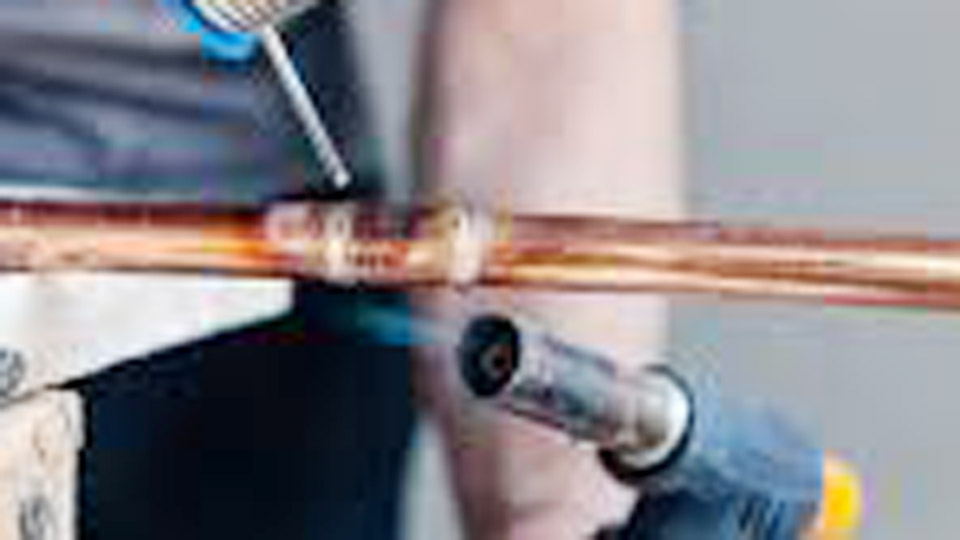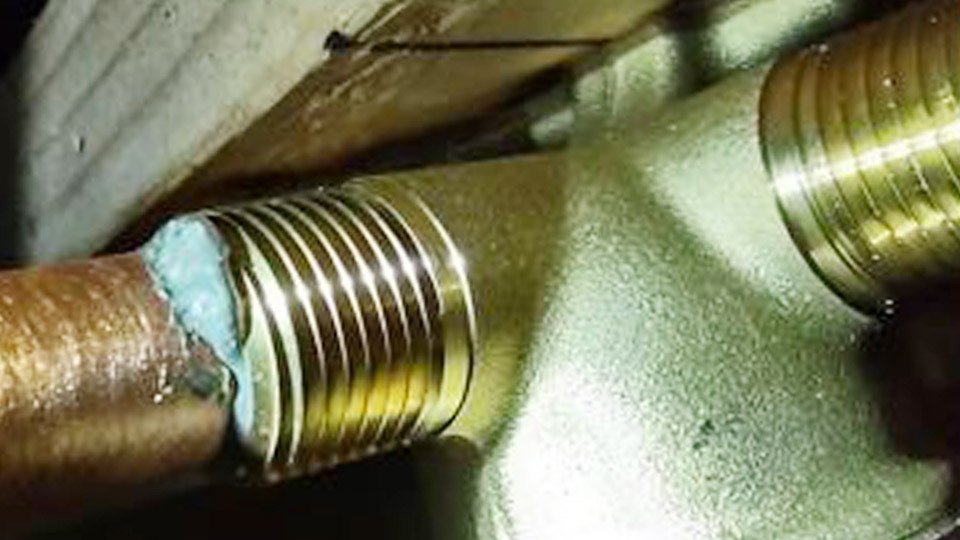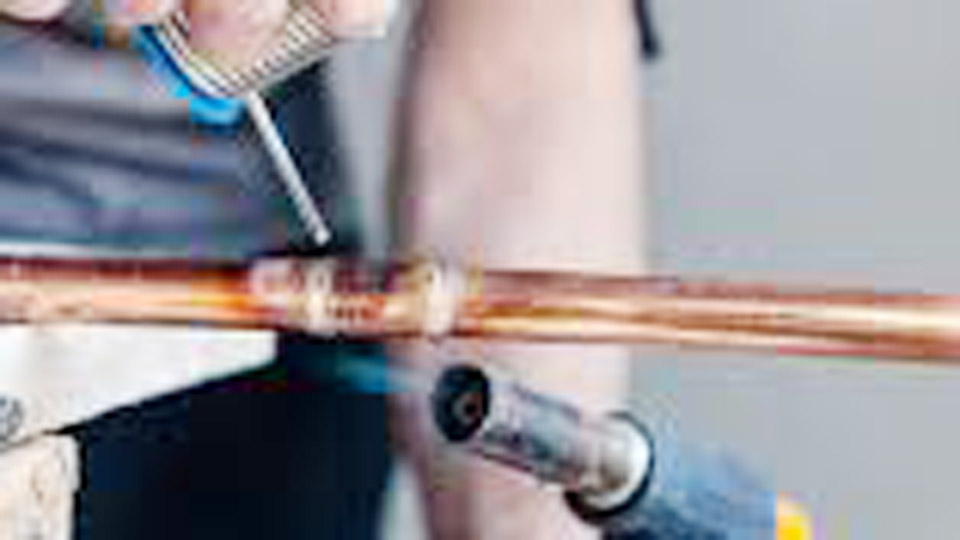
Choosing the right brazing flux is just as important as selecting the correct filler metal. If you’re wondering how to choose a brazing flux, the answer depends on the base metal, brazing temperature, joint design, and the level of oxide removal required during heating.
Using the wrong flux can lead to poor filler flow, weak bond strength, excessive oxidation, difficult cleanup, and costly rework.
In production and repair applications alike, the proper flux promotes clean metal surfaces, improves capillary action, and helps produce strong, reliable joints that meet performance expectations.
Understanding how different flux formulations work also reduces the risk of defects and improves consistency across a wide range of brazing projects.
With a clear understanding of the key selection factors, you can confidently match the right brazing flux to your specific application and achieve cleaner, stronger, and more dependable results.
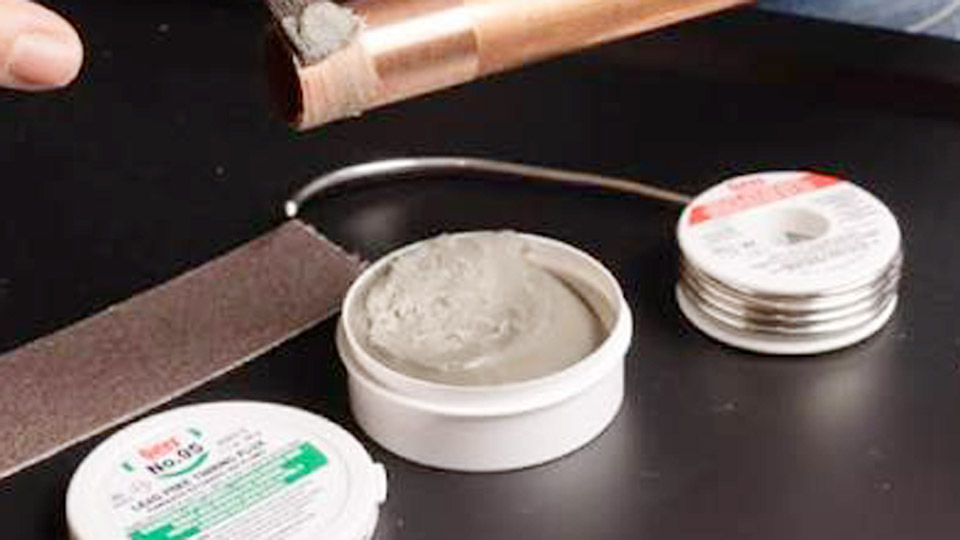
Image by oatey
Understanding Brazing Flux Fundamentals
Brazing fluxes are chemical mixtures, typically based on borates, fluorides, chlorides, or combinations, that activate at high temperatures to perform multiple functions simultaneously.
Core Functions in the Brazing Process
Flux first removes and prevents oxide formation on base metals and filler. As temperature rises, it becomes chemically aggressive, dissolving stubborn oxide layers that block metallurgical bonding.
It then forms a protective barrier against oxygen until the filler solidifies. Finally, it promotes wetting and capillary flow by lowering surface tension at the interface.
Without the correct flux, even premium filler metals fail to bond. Phosphorus-bearing alloys (BCuP) can self-flux on pure copper but require external flux on brass or steel due to different oxide chemistry.
Flux Forms and Their Practical Implications
Flux comes in powder, paste, liquid, and pre-mixed forms. Powder offers versatility for dipping hot rods or mixing into custom consistencies but demands careful application to avoid uneven coverage.
Paste fluxes adhere better on vertical or complex joints and suit torch work, with many formulated for dispensers in production. Liquids excel in automated or dip processes but evaporate faster during preheat.
Choose form based on joint geometry and heating cycle. For large surface areas or prolonged heating, pastes with higher viscosity reduce runoff.
Key Factors in Brazing Flux Selection
Base metal, filler alloy, temperature profile, and post-process requirements drive every decision. No single flux covers all scenarios effectively.
Base Metal Compatibility
Base metal oxide characteristics dictate flux chemistry more than any other variable.
- Copper and Brass: White fluxes (borate-fluoroborate types) work well. On pure copper-to-copper with BCuP fillers, flux is often optional but recommended for reliability on brass due to zinc oxides.
- Steel and Mild Steel: Borax-based or general white fluxes handle standard oxides effectively.
- Stainless Steel and Nickel Alloys: Black fluxes (boron-modified) provide higher activity against chromium and nickel oxides. White flux may suffice for light sections but exhausts faster on heavy parts or prolonged cycles.
- Aluminum: Dedicated chloride- or fluoride-based aluminum fluxes are mandatory. Standard silver or borax fluxes cannot break the tenacious aluminum oxide layer.
- Carbides and High-Temperature Alloys: High-temperature black or specialized boron-enhanced fluxes are essential for carbide tooling and refractory oxides.
Always verify compatibility charts from flux manufacturers rather than assuming filler alloy dictates everything.
Filler Metal and Temperature Range Matching
Flux must activate below the filler’s solidus and remain effective above its liquidus, ideally with margin.
Select flux active at least 100°F (55°C) below the filler’s solidus and stable 200°F (110°C) or more above the liquidus. For torch brazing with risk of overheating, add 250–350°F margin to prevent burnout.
Typical ranges:
- Low-temperature silver brazing (1050–1600°F / 565–870°C): White flux (e.g., AWS FB3-A).
- Extended or higher-temperature cycles (up to 1800°F / 980°C): Black flux (FB3-C) for better longevity.
- Aluminum brazing (typically 1080–1200°F / 580–650°C): Specialized aluminum flux.
- High-temperature bronze or nickel alloys (1400–2200°F / 760–1205°C): Borax-based or Anti-Borax type fluxes.
Heating method matters. Torch cycles with variable heat input favor robust black fluxes. Induction or furnace processes may need fluxes tuned for rapid activation or controlled atmospheres.
Heating Method and Cycle Duration
Short, intense induction heating tolerates fluxes with narrower active windows. Longer torch or furnace cycles demand fluxes resistant to saturation with oxides over time. Heavy sections with high thermal mass extend dwell time, increasing exhaustion risk—opt for higher-temperature-rated fluxes.
Post-Braze Requirements and Residue Management
Residues vary from water-soluble glassy slags to more tenacious films. For food-grade, medical, or corrosion-sensitive applications, choose fluxes with easily removable, non-corrosive residues.
Some no-clean or low-residue formulations suit electronics-adjacent work, but most brazing fluxes require thorough post-cleaning (hot water, wire brushing, or mild acid) to prevent long-term corrosion.
Consider regulatory constraints: chloride or fluoride content may affect wastewater handling or fume ventilation needs.
Types of Brazing Fluxes and Targeted Applications
White Flux for General-Purpose Silver Brazing
White paste or powder fluxes (potassium fluoroborate and boric acid based) serve most copper, brass, steel, and nickel applications in the 1050–1600°F range. They provide clear visual cues as they become fluid, signaling optimal temperature for filler addition. Popular for HVAC, plumbing, and light fabrication.
Black Flux for Demanding Conditions
Boron-enhanced black fluxes extend activity to higher temperatures and handle refractory oxides on stainless steel and heavy sections. They resist burnout during extended heating but produce darker, sometimes harder-to-remove residues. Ideal for induction or when white flux fails on chromium-rich alloys.
Aluminum-Specific Fluxes
These aggressive formulations (often containing fluorides or chlorides) target aluminum’s oxide layer at lower brazing temperatures. They enable successful aluminum-to-aluminum or aluminum-to-copper joints but are highly corrosive—clean thoroughly.
Borax-Based and High-Temperature Fluxes
Traditional borax powders excel with low-fuming bronze and higher-temperature applications on steel and cast iron. They offer broad temperature tolerance for carbide brazing and maintenance work.
Specialized and Specification-Compliant Fluxes
Aerospace or code work often requires AMS or AWS compliance (e.g., AMS 3410 for white flux, AWS A5.31 FB3 classifications). Match exact specs for certified jobs.
Practical Decision Framework for Flux Selection
Step-by-Step Selection Process
- Identify all base metals, including coatings or dissimilar combinations.
- Determine filler alloy type and its solidus/liquidus temperatures.
- Assess heating method, cycle time, and part mass.
- Review post-braze environment (corrosion, appearance, cleaning access).
- Cross-reference manufacturer charts and test on scrap if possible.
Using Compatibility Tables Effectively
| Base Metal(s) | Common Filler Types | Recommended Flux Type | Active Temp Range (°F) | Notes |
|---|---|---|---|---|
| Copper-to-Copper | BCuP (Phos-Copper) | Optional / White | 1050–1600 | Self-fluxing possible |
| Copper/Brass to Steel | BAg Silver | White | 1050–1600 | Versatile general use |
| Stainless Steel | BAg or Nickel-bearing | Black | 1050–1800 | Handles Cr oxides |
| Aluminum | Al-Si or Zn-Al | Aluminum-specific | 1080–1275 | Aggressive oxide removal |
| Carbide to Steel | High-temp Nickel/Mn | Black or High-temp Borax | 1400–2200 | Refractory oxides |
Adapt based on specific alloy data sheets.
Advanced Considerations for Professional Results
Joint design influences flux performance. Tight capillary gaps (0.001–0.005 in.) rely heavily on flux for oxide control, while wider gaps or fillet builds tolerate slight variations better. Pre-cleaning remains critical—flux handles light oxides, not grease, scale, or heavy contamination.
For dissimilar metals, thermal expansion differences amplify the need for strong, ductile joints enabled by proper fluxing. In vacuum or controlled atmosphere brazing, flux requirements decrease or shift to specialized low-residue types.
Storage and shelf life affect activity. Keep fluxes sealed in cool, dry conditions. Paste formulations can dry out or separate over time—stir thoroughly before use.
Real-World Performance Trade-offs
White fluxes offer easier cleanup and broad applicability but may exhaust on stainless or long cycles. Black fluxes provide robustness at the cost of darker residues and potentially more aggressive post-cleaning. Aluminum fluxes deliver results where others fail but demand strict safety and cleaning protocols.
Cost per joint is minor compared to rework or failure. Investing in the right flux for the job reduces defects and improves throughput.
Performance-Based Takeaway
Successful brazing hinges on treating flux, filler, base metals, and process as an integrated system. Prioritize base metal and temperature matching first, then refine for cycle and cleanup needs. This systematic approach consistently produces leak-free, structurally sound joints that withstand service stresses.
On the pro level, experienced welders monitor flux behavior in real time—its transition from puffy white to clear liquid signals precise temperature and activity, allowing fine adjustments to heat input for optimal flow without overheating.
FAQ
What is the difference between white and black brazing flux?
White flux suits most general silver brazing on copper, brass, and mild steel up to about 1600°F. Black flux, boron-modified, handles stainless steel, higher temperatures, and longer cycles with greater oxide resistance.
Can I braze without flux?
Only in specific cases like BCuP alloys on clean copper-to-copper joints. Most applications, especially dissimilar metals or steel, require flux for reliable wetting.
How do I remove brazing flux residue?
Most residues are water-soluble—use hot water and brushing. Stubborn cases may need mild acid solutions or ultrasonic cleaning. Remove thoroughly to prevent corrosion.
Does flux type affect joint strength?
Indirectly yes. Proper flux ensures full wetting and void-free bonding, maximizing the inherent strength of the filler and base metal combination. Wrong flux leads to incomplete joints and reduced performance.