
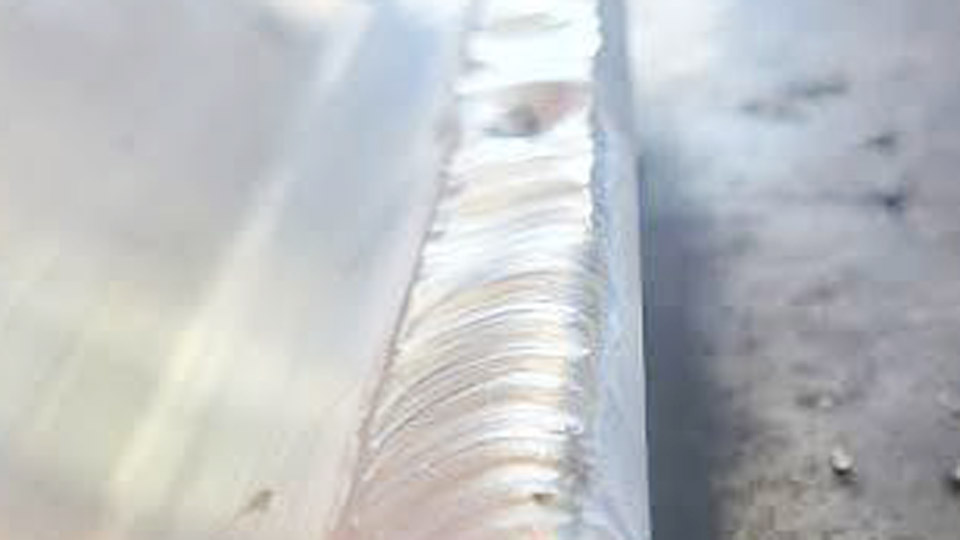
Welding Aluminum Without Gas: Practical Methods
Running out of argon or working outdoors in wind often stops a job cold when the only process you know

Running out of argon or working outdoors in wind often stops a job cold when the only process you know
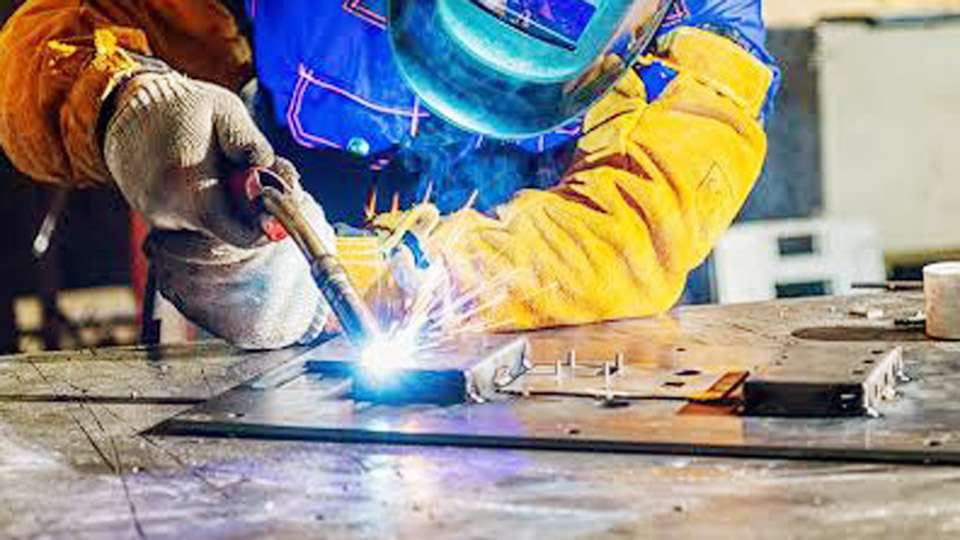
Choosing the wrong process leaves porosity in the root, undercut on the toes, or a bead that fails the bend
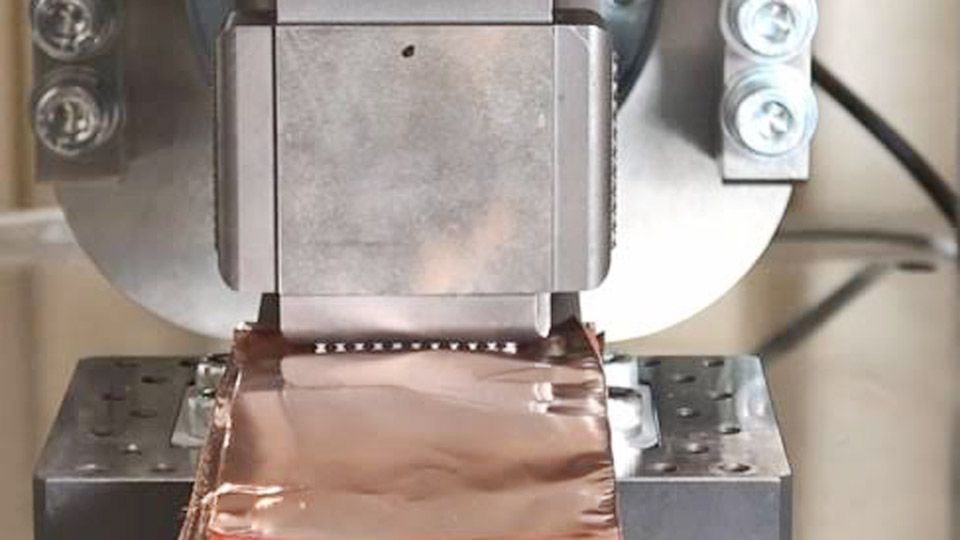
Conventional fusion processes struggle with aluminum’s oxide layer, high thermal conductivity, and susceptibility to hot cracking or distortion. Resistance spot
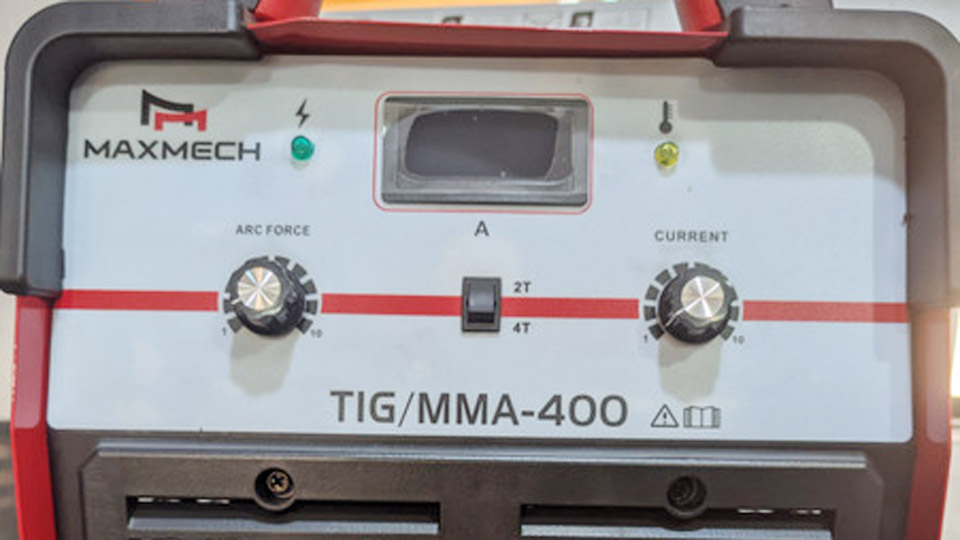
The electrode freezes to the plate mid-pass, the arc extinguishes, and the bead ends with a crater full of slag.
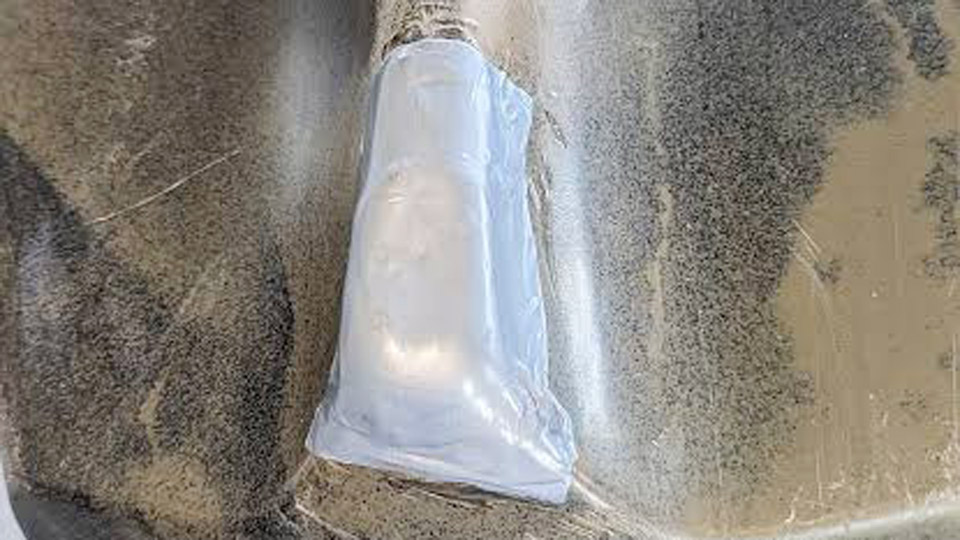
Excess cured JB Weld left on a joint or repair surface blocks proper fit-up, prevents effective welding, and contaminates the
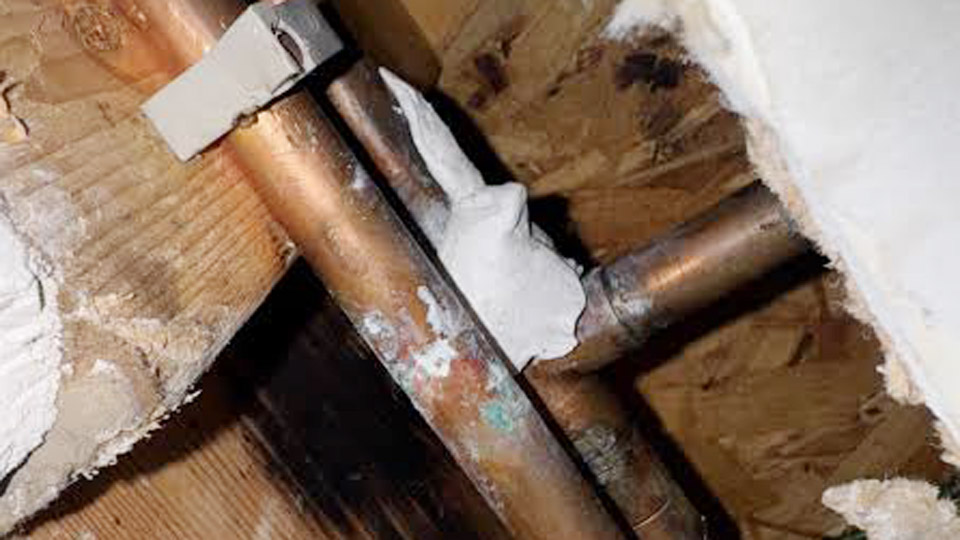
A temporary JB WaterWeld patch on a copper pipe often outlives its usefulness when a permanent soldered or mechanical repair
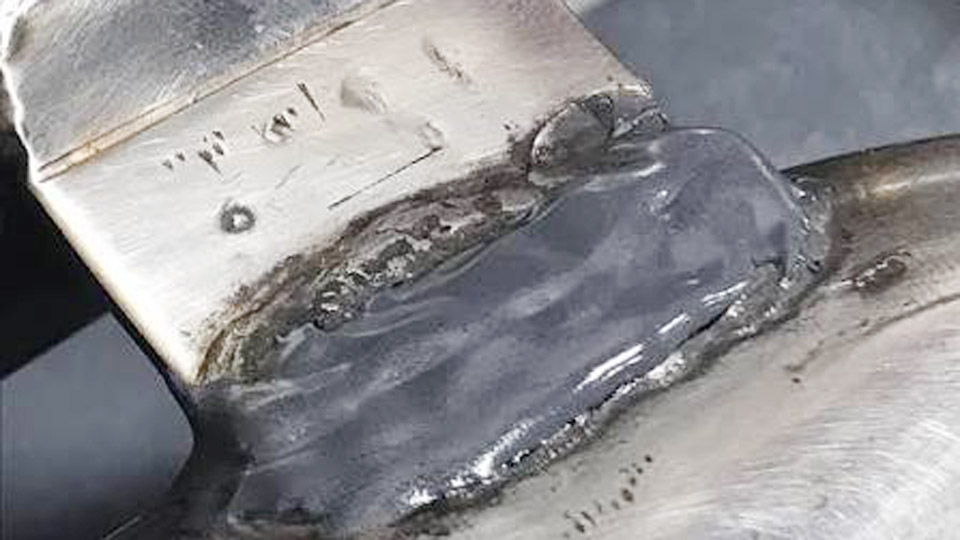
The strong chemical smell from JB Weld can linger long after mixing or applying the epoxy, especially in enclosed spaces
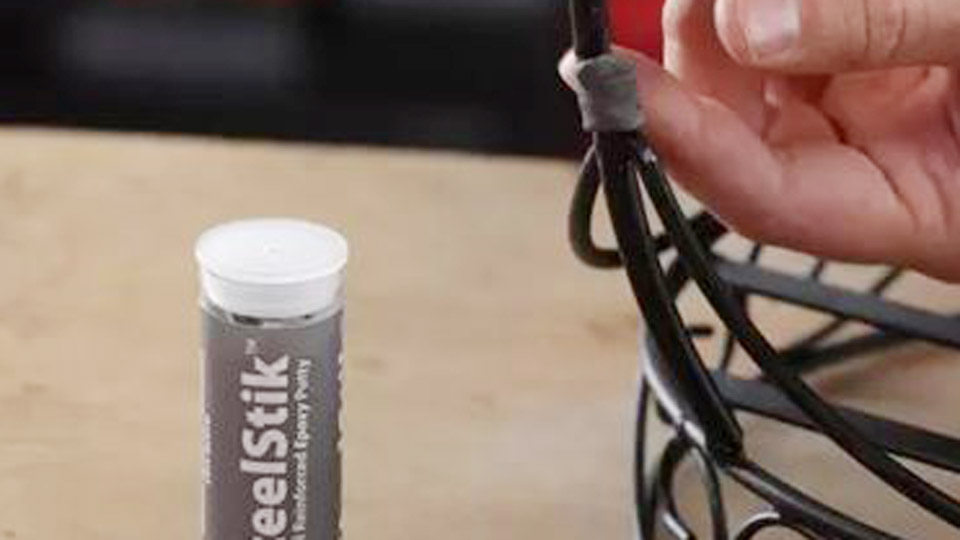
A metal repair fails days or weeks later when the epoxy peels, cracks under vibration, or never reaches full hardness
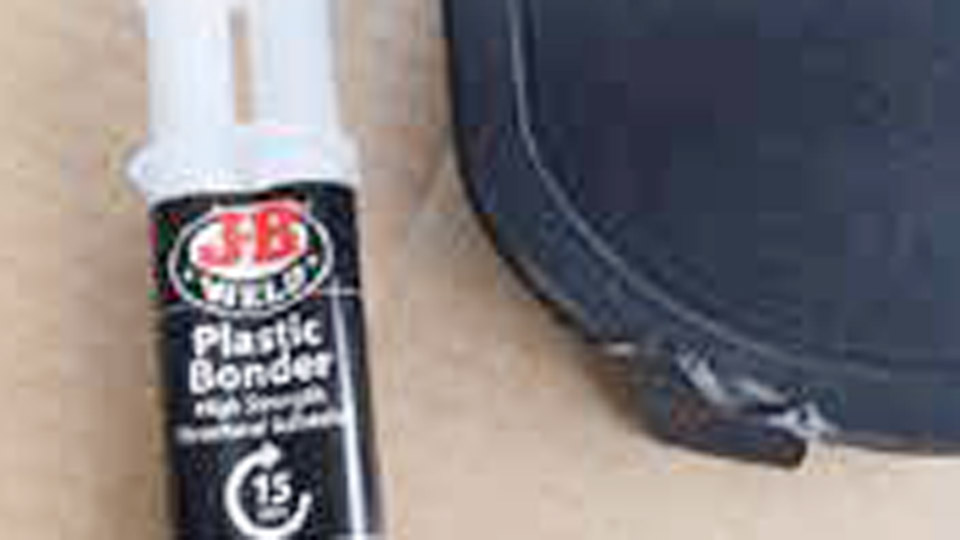
A fully cured JB Weld joint that needs to come apart creates an immediate practical problem. The steel-reinforced epoxy has
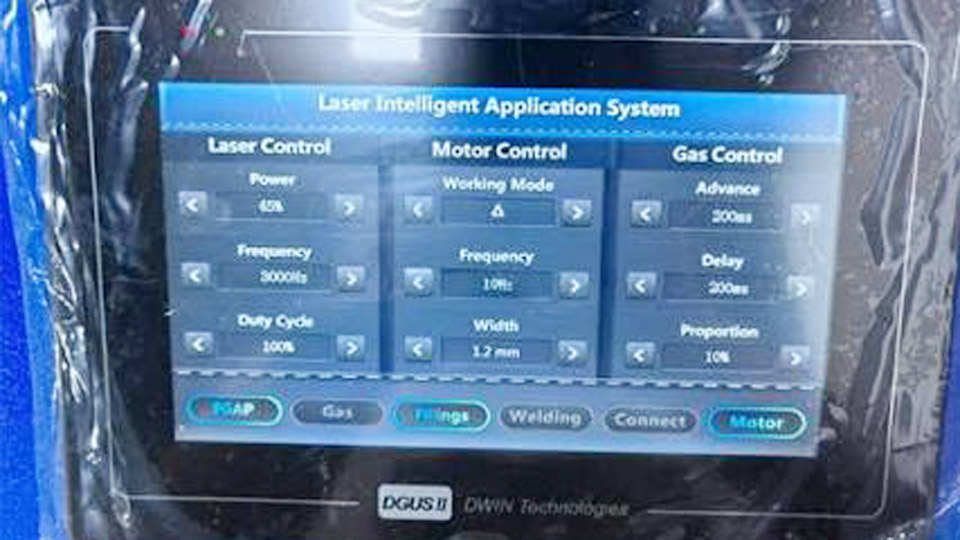
Incomplete fusion on one side of a butt joint and burn-through on the other usually trace to mismatched laser welding