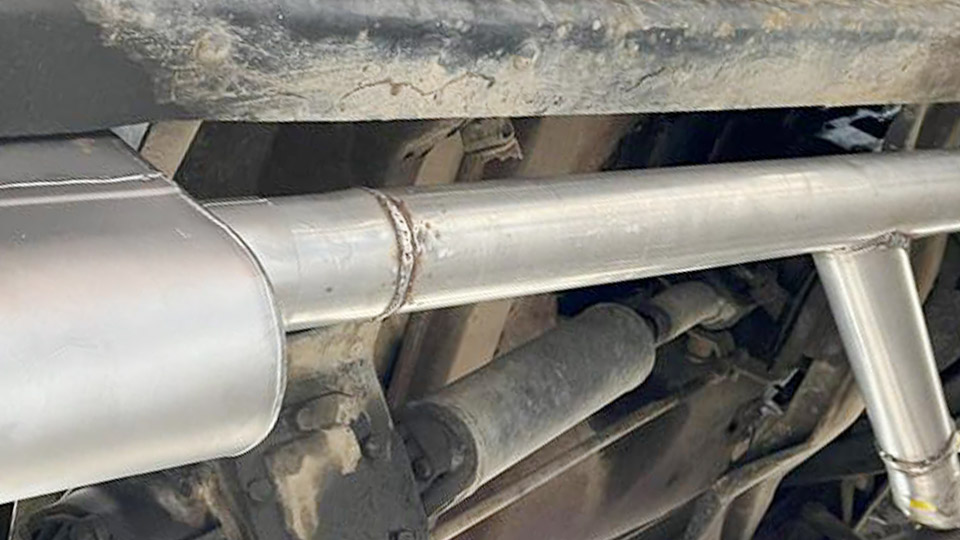
The strong chemical smell from JB Weld can linger long after mixing or applying the epoxy, especially in enclosed spaces with limited ventilation. Knowing how to get rid of JB Weld smell starts with understanding whether the odor comes from freshly mixed epoxy, an uncured repair, or residue on tools and nearby surfaces.
Simply covering the smell with air fresheners will not remove the source, and continued exposure to epoxy fumes may cause irritation.
Proper ventilation, safe cleanup, and allowing the product to cure according to its manufacturer’s instructions are important steps in reducing persistent odors. The right approach depends on the product formulation, how long it has been curing, and where the repair was performed.
Understanding these factors helps you manage the smell more effectively while avoiding cleaning methods that could damage the repair or increase exposure to uncured epoxy.
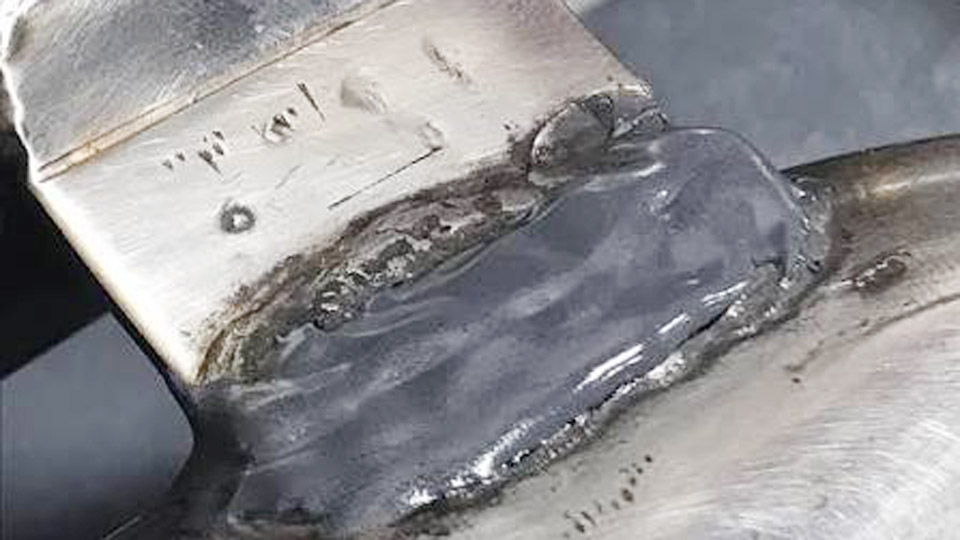
Image by jalopnik
Why JB Weld Releases a Noticeable Odor
JB Weld is a two-part epoxy consisting of a resin (typically bisphenol-A based) and an amine hardener mixed 1:1. The curing reaction generates heat and releases amine vapors along with other volatile organic compounds. These vapors produce the characteristic sharp, sometimes ammonia-like or sulfurous odor noted on product data sheets.
Chemical Sources of the Fumes
The hardener side contributes the strongest odor fraction through compounds such as polyamines and related additives. Resin components add milder solvent-like notes. Off-gassing peaks while the mixture is still fluid and during the early gel stage (first few hours).
Once the polymer network cross-links fully, emission rates drop sharply. Incomplete mixing leaves unreacted hardener that continues releasing vapors long after the surface feels hard.
How Long the Smell Typically Lasts
Under good airflow the strongest odor usually fades within 24–48 hours. In a closed garage or basement the same intensity can persist 3–7 days or longer. Full mechanical strength develops in 15–24 hours for Original formula (faster for KwikWeld), yet residual off-gassing can continue at low levels for several additional days if air exchange remains limited.
Temperature accelerates both cure speed and vapor release; cooler conditions slow everything and can stretch the odor period.
Immediate Ventilation Strategies That Clear the Air Fastest
Air exchange is the single most effective action. Dilution and removal of contaminated air reduce concentration faster than any absorbent.
Setting Up Cross-Ventilation and Exhaust Fans
Open windows or doors on opposite sides of the workspace to create a straight airflow path. Place a box fan or industrial air mover in one opening aimed outward so it exhausts room air. A second fan on the opposite side can push fresh air in, increasing total air changes.
Target at least several complete air exchanges per hour during the first day. Keep the setup running continuously for the first 24 hours and then intermittently until the smell is gone.
Positioning Fans for Heavier-Than-Air Vapors
Many epoxy vapors settle toward the floor. Position the exhaust fan low—near floor level—rather than high on a wall. Direct the intake of the exhaust fan toward the work surface or the cured repair so it captures rising plumes before they disperse. Avoid simply circulating air inside the room with a ceiling fan; that only spreads the odor without removing it.
Absorbent Materials That Capture Residual Odors
Once bulk fumes have been exhausted, passive absorbers finish the job by trapping remaining molecules.
Activated Charcoal Placement and Effectiveness
Activated charcoal (or activated carbon) has a high surface area that adsorbs organic vapors. Place open containers, mesh bags, or commercial carbon canisters around the repair area and throughout the room. Position some near floor level and others at mid-height.
Replace or refresh the charcoal every few days if the odor is heavy. Carbon filters in portable air purifiers work on the same principle and continuously process room air.
Baking Soda and Vinegar as Supporting Options
Baking soda absorbs a range of odors when spread in shallow open trays. White vinegar in open bowls can neutralize certain alkaline amine components through mild acid-base reaction. These household materials are less efficient than activated charcoal but useful as low-cost supplements.
Change them daily until the smell drops. Avoid spraying liquids directly onto the cured JB Weld surface; keep them in open containers only.
When Incomplete Cure Causes Persistent Smell
A hard surface does not always mean the chemical reaction is finished. Residual odor that lasts well beyond 72 hours often signals unreacted material.
Checking Mix Ratio and Cure Progress
Accurate 1:1 mixing by volume (or weight if specified) is required for complete cross-linking. Excess hardener or resin leaves free molecules that continue off-gassing. Test the cured surface: a properly cured deposit produces fine powdery dust when scratched and does not remain tacky.
Soft or gummy spots indicate incomplete reaction; these areas must be removed mechanically and the repair redone with fresh, correctly mixed material.
Cleaning Residue That Continues Off-Gassing
Any uncured smear, drip, or mixing-cup residue left in the workspace will emit odor indefinitely. Wipe fresh spills immediately with acetone or isopropyl alcohol on disposable rags.
Once the main repair is fully cured, wash the surface with mild soap and water to remove trace surface residues that can contribute faint odor. Dispose of contaminated rags and mixing tools outside the living or working space.
Special Cases — Exhaust Repairs and High-Heat Applications
JB Weld used on exhaust components or other heat-exposed parts behaves differently because temperature accelerates both curing and vapor release.
Managing Temporary Baking Odors
When the repaired part reaches operating temperature for the first time, residual volatiles can flash off as a stronger temporary smell or light smoke. This is common with exhaust patches. Continue driving with windows open or under strong garage ventilation until the odor stabilizes.
Confirm the product is rated for the expected continuous temperature (Original formula is limited; HighHeat versions tolerate more). Persistent burning smell after several heat cycles may indicate the epoxy is degrading and needs replacement with a higher-temperature material or a welded repair.
Isolating the Repair From Living Spaces
If the vehicle or equipment must stay indoors, isolate the area with plastic sheeting and tape. Run exhaust fans that discharge outdoors. Do not recirculate air through the building HVAC system until the odor has fully cleared.
Decision Framework for Choosing the Right Odor-Control Sequence
Begin with maximum ventilation the moment the epoxy is mixed. Maintain continuous air exchange through the set and early cure stages. Once the surface is hard and the strongest fumes have dropped, introduce activated charcoal and secondary absorbers. Inspect for incomplete cure or leftover residue if odor remains after 72 hours of good airflow.
For heat-exposed repairs, expect a secondary odor pulse on first heat-up and plan additional ventilation accordingly. The combination of forced air exchange followed by adsorption removes the smell more reliably than any single method.
Fully cured JB Weld is considered non-toxic by the manufacturer once the reaction is complete, yet the practical goal remains eliminating airborne vapors as early as possible.
Advanced users in production shops often combine a local exhaust arm pointed at the mixing station with whole-room negative pressure and carbon filtration; the same hierarchy—source capture, dilution, then adsorption—scales down effectively to a single garage bay.
FAQs
How long does JB Weld smell last in a garage?
With continuous cross-ventilation the strongest odor usually drops within 24–48 hours. Poor airflow can stretch noticeable smell to 3–7 days or longer.
Does baking soda remove JB Weld odor?
Baking soda absorbs residual airborne odors when placed in open trays. It works as a supporting measure after strong ventilation has already reduced the bulk of the fumes.
Can I use an air purifier for JB Weld fumes?
Yes. Units with activated-carbon filters capture organic vapors effectively. Run the purifier continuously in the workspace after initial ventilation has lowered the concentration.
Why does JB Weld still smell after it hardens?
Incomplete mixing or leftover uncured residue continues to off-gas. Verify full cure by scratch test and clean any remaining soft material; then resume ventilation and absorbers.