
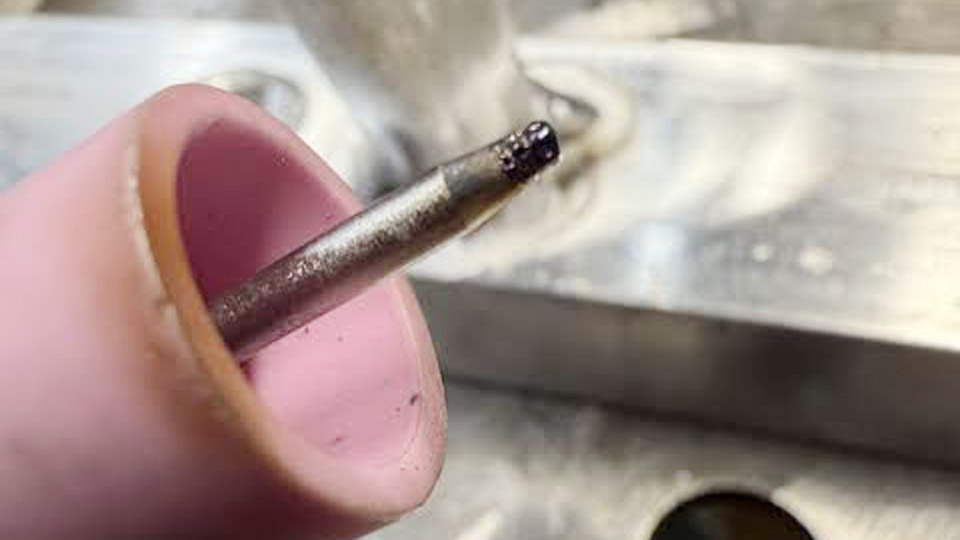
How to Grind Tungsten for TIG Welding Aluminum?
An unstable or wandering arc on aluminum often traces directly back to the tungsten tip. Incorrect grinding direction, the wrong
Master TIG welding with expert tutorials, amperage settings, tungsten selection, filler rods, and techniques for precision welding.
An unstable or wandering arc on aluminum often traces directly back to the tungsten tip. Incorrect grinding direction, the wrong
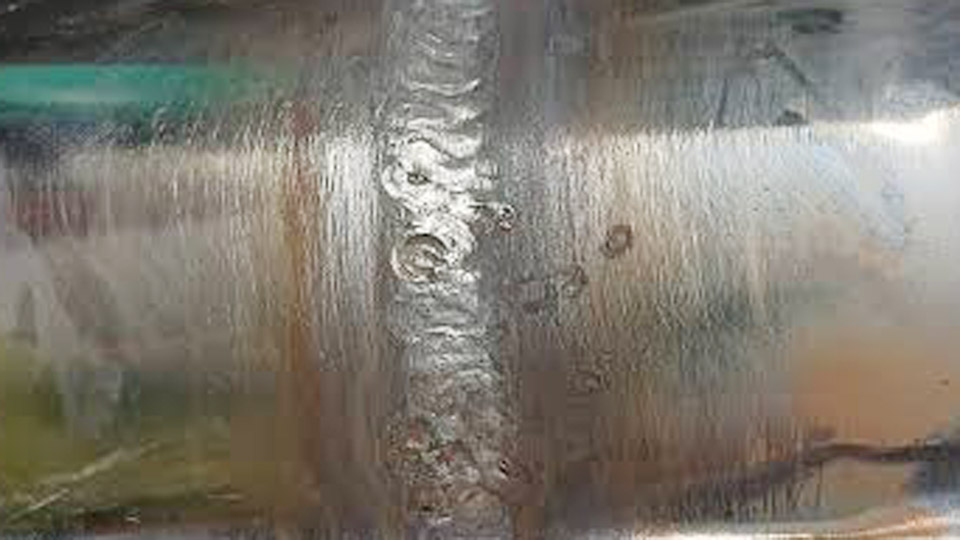
Many welders face an empty argon cylinder mid-project or work in remote locations and ask whether they can still run
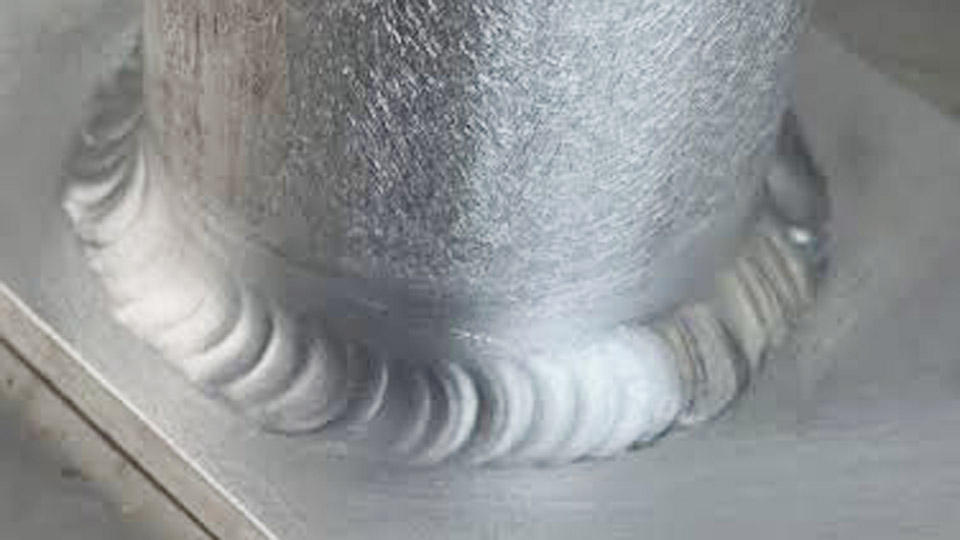
Many welders assume a 200-amp TIG machine stops at ¼-inch steel and that thicker sections require switching processes. That assumption
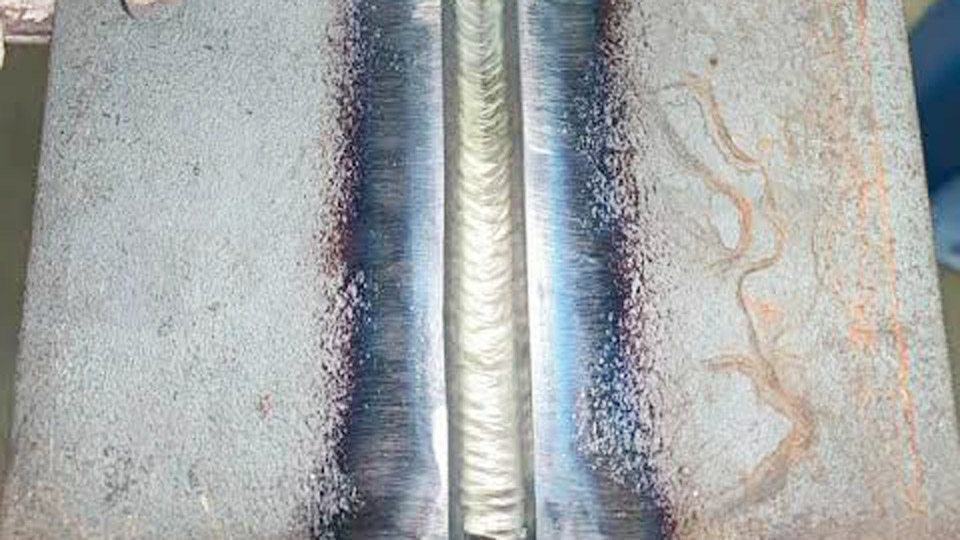
Incorrect polarity or mismatched amperage on mild steel produces immediate problems: a wandering arc that contaminates the tungsten, porosity from
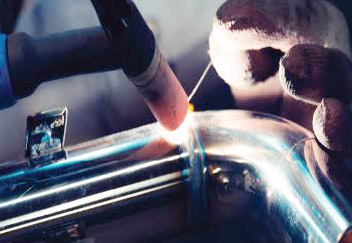
Many welders assume the clean, slag-free TIG arc is safer than stick or MIG because visible fume is minimal. That
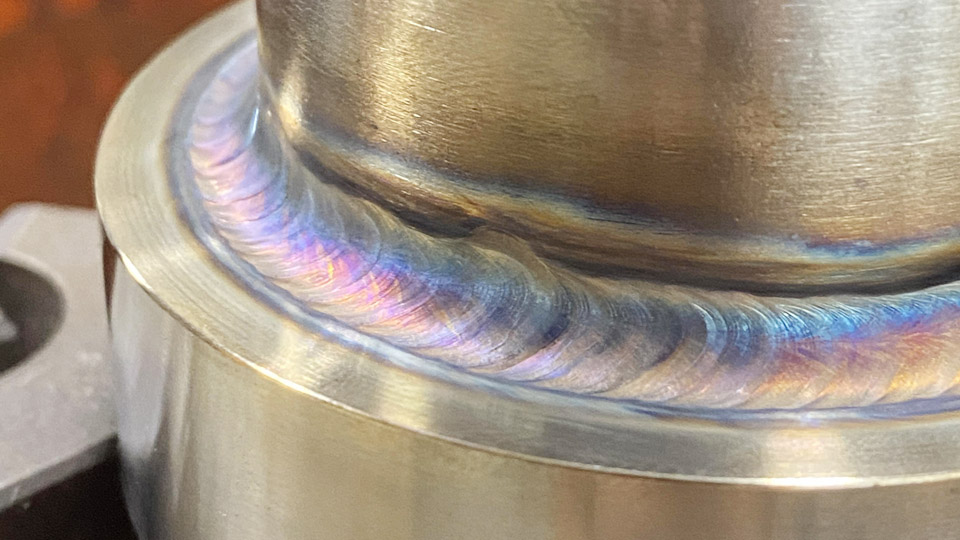
Burn-through on 16-gauge stainless or sudden warping on thin aluminum tubing often appears midway through a continuous-current TIG pass when
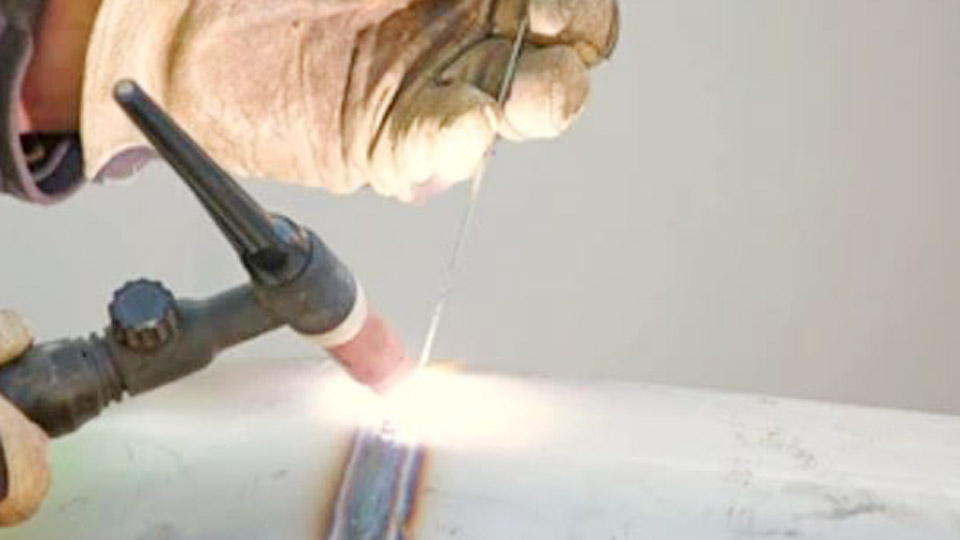
Choosing the wrong tungsten for TIG welding stainless steel produces an unstable arc that wanders, forces frequent re-grinding, and risks
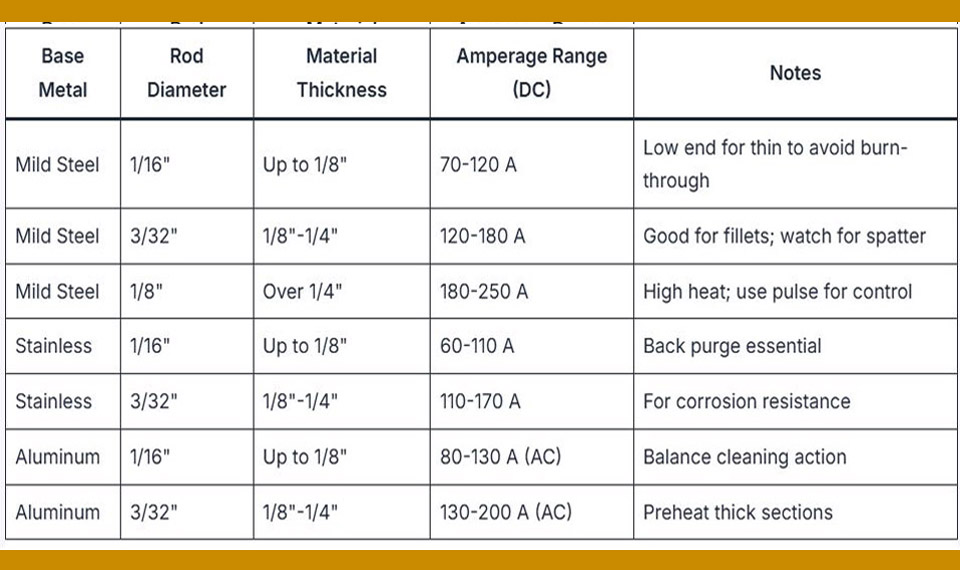
Choosing the wrong TIG filler rod produces cracks, lack of fusion, or corrosion failures even when amperage and technique appear
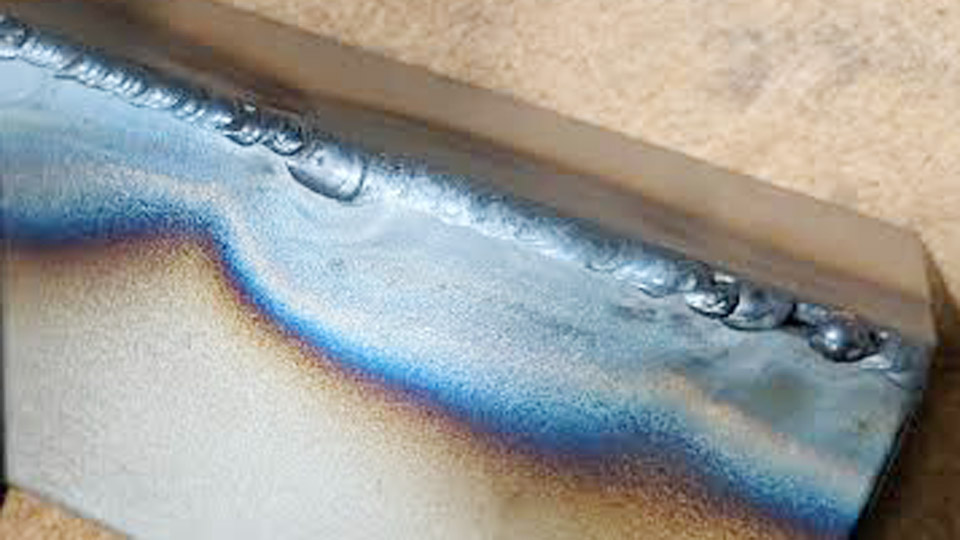
Incorrect settings for TIG welding mild steel produce immediate, visible failures: thin sheet melts through in seconds, thicker plate shows
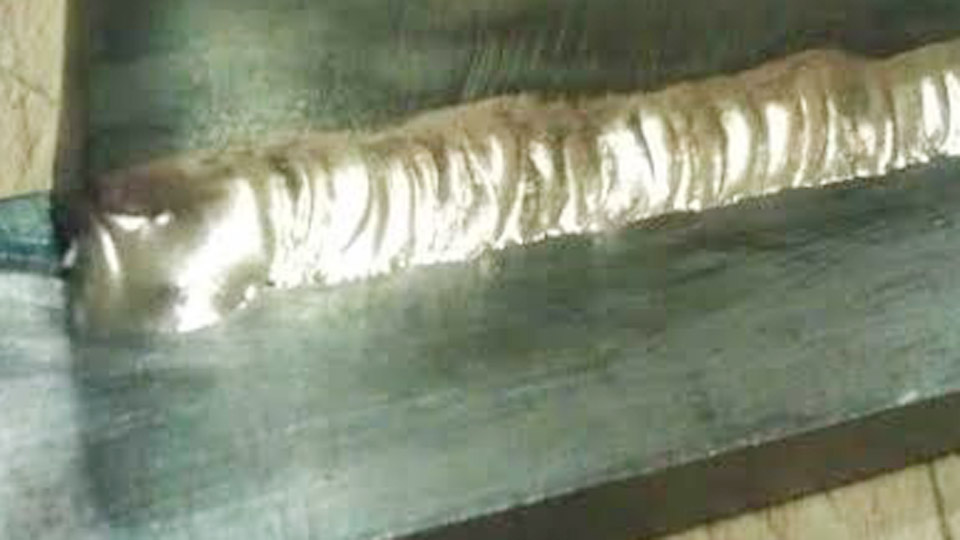
TIG welding bronze requires more than simply adjusting your welder’s settings. Bronze alloys conduct heat differently than steel, and improper