
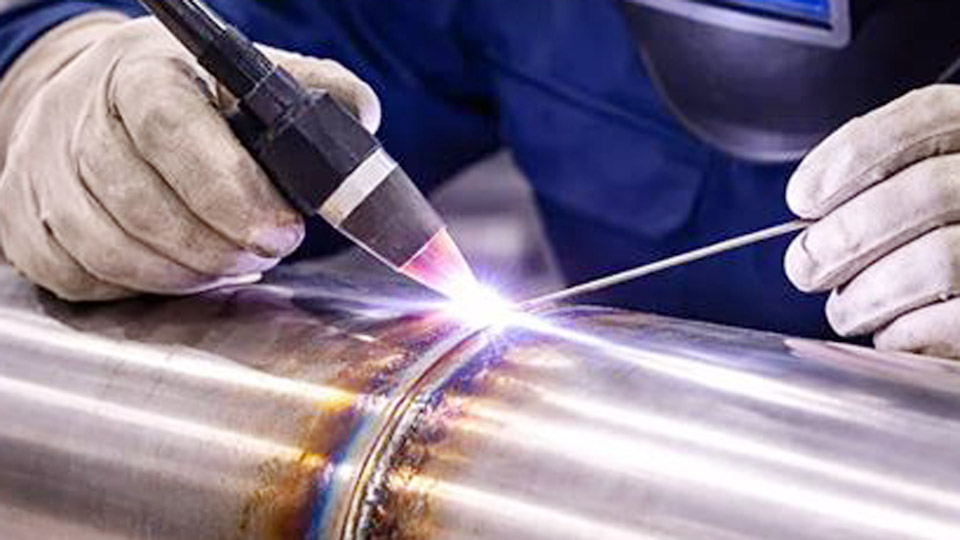
Is TIG Welding Stainless Steel Dangerous? Risks, Exposure Limits, and Controls
Many welders assume TIG is the “clean” process and therefore safe on stainless, yet personal air sampling often shows hexavalent
Master TIG welding with expert tutorials, amperage settings, tungsten selection, filler rods, and techniques for precision welding.
Many welders assume TIG is the “clean” process and therefore safe on stainless, yet personal air sampling often shows hexavalent
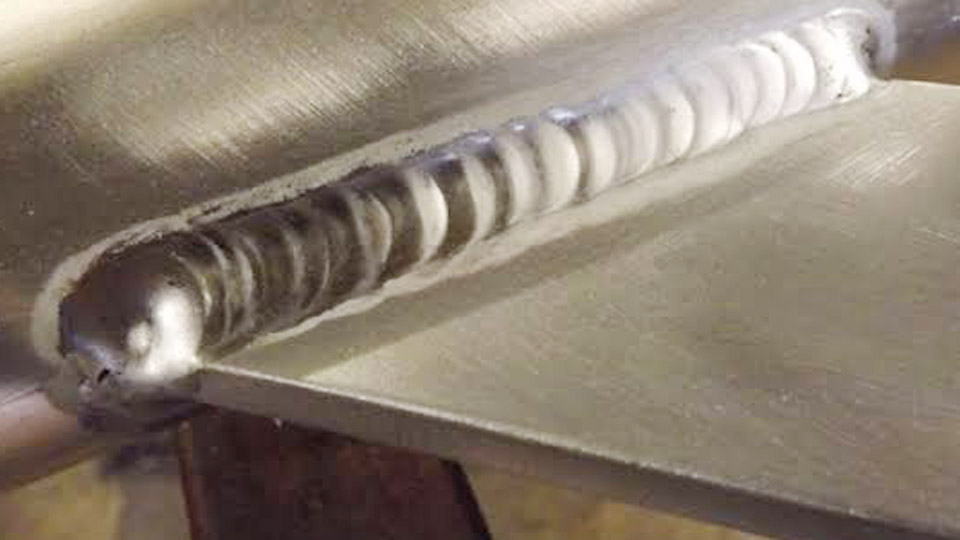
Setting up a TIG welder for aluminum often fails because the machine is left on DC settings that work for
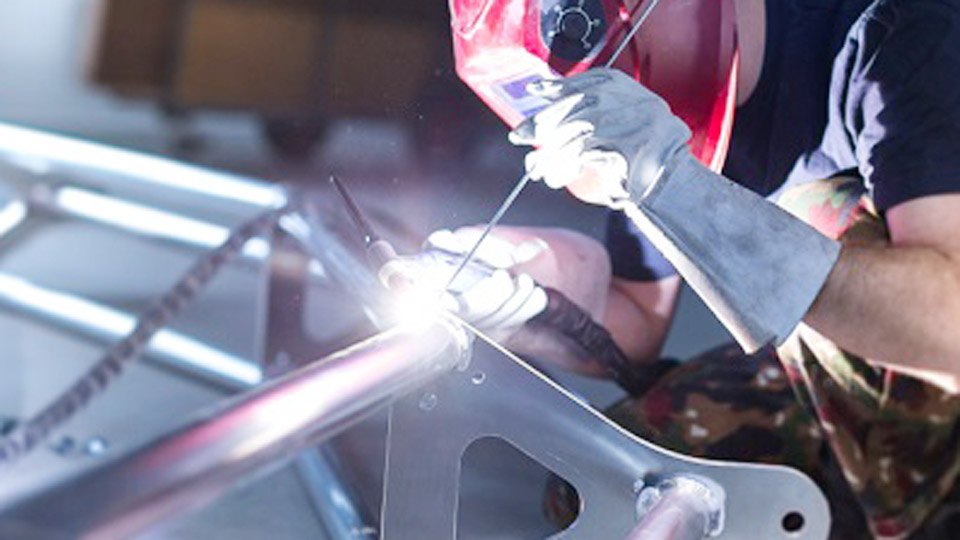
TIG welding aluminum presents unique challenges due to its high thermal conductivity, low melting point around 1,200°F, and tenacious oxide
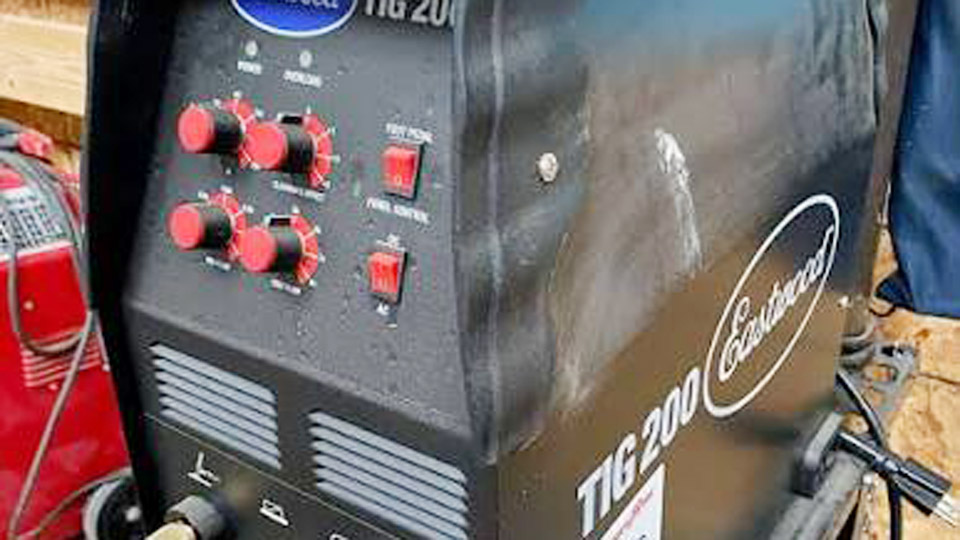
A TIG welding setup chart provides the baseline settings needed to produce consistent, high-quality welds across different metals and thicknesses.
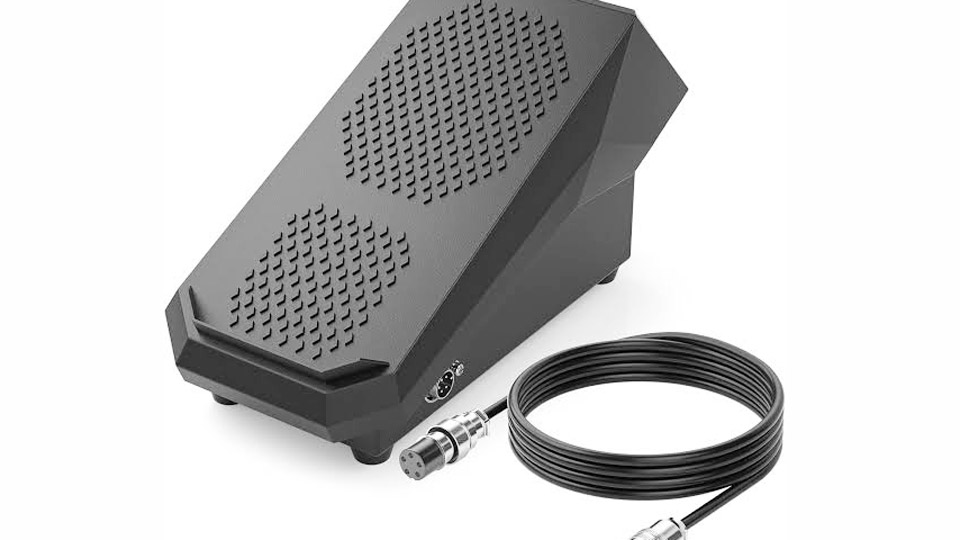
Many welders struggle with inconsistent arc control, unpredictable heat, and failed welds—often because their TIG welder’s foot pedal is wired
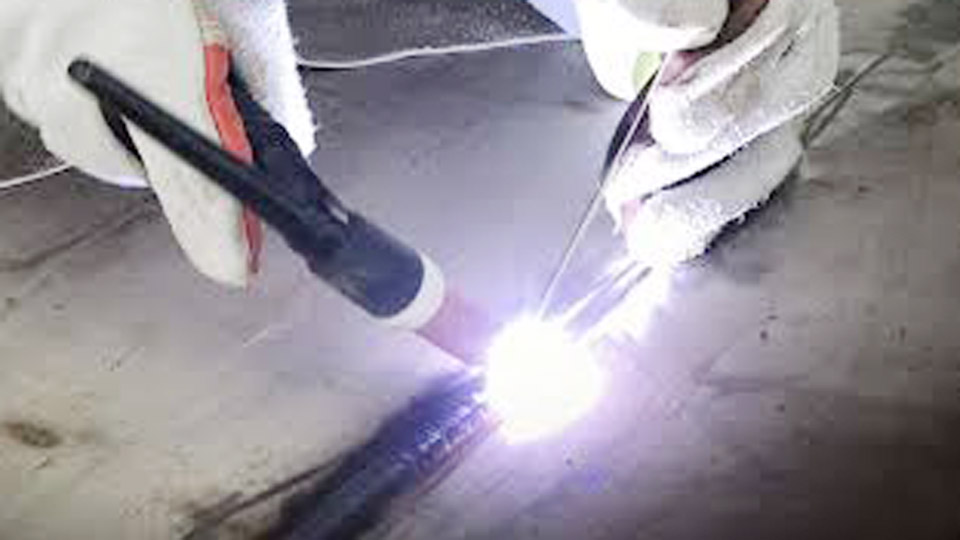
Many welders with multi-process inverter machines encounter the same frustration: their unit supports Lift TIG mode, but they lack a
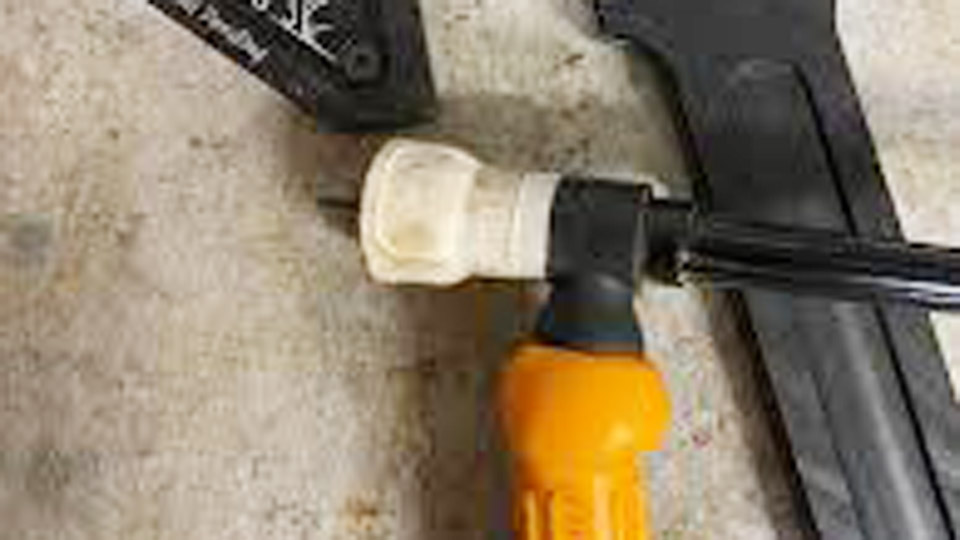
TIG welding is not a single process. Different types of TIG welding are used to handle specific materials, joint conditions,
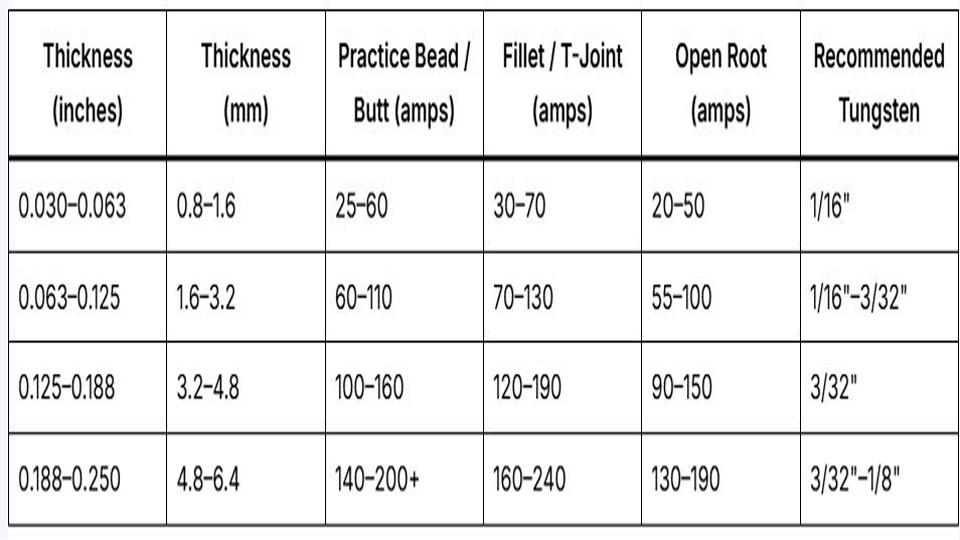
Setting the correct amperage in TIG welding often separates clean, strong welds from burned-through scrap or weak, incomplete fusion. Many
Many welders encounter frustration when their machine lacks high-frequency arc starting. They touch the tungsten to the workpiece expecting a
Getting aluminum TIG parameters wrong leads to immediate problems—poor penetration, unstable arc starts, excessive heat input, and costly rework. An