
How to Avoid Spatter in MIG Welding for Cleaner Welds
Excessive spatter turns a clean MIG bead into a cleanup job that costs time and risks coating adhesion problems later.
Learn MIG welding with step-by-step guides, machine settings, wire selection, troubleshooting, and practical tips for clean, strong welds.
Excessive spatter turns a clean MIG bead into a cleanup job that costs time and risks coating adhesion problems later.
Setting the wrong wire feed speed or voltage on aluminum MIG produces immediate problems: the soft wire bird-nests in the
Even with voltage and wire feed speed locked in correctly, many MIG welds still produce heavy spatter, a harsh crackling
Porosity, unstable arcs, and wasted cylinders almost always trace back to one point: incorrect gas delivery. Learning how to hook
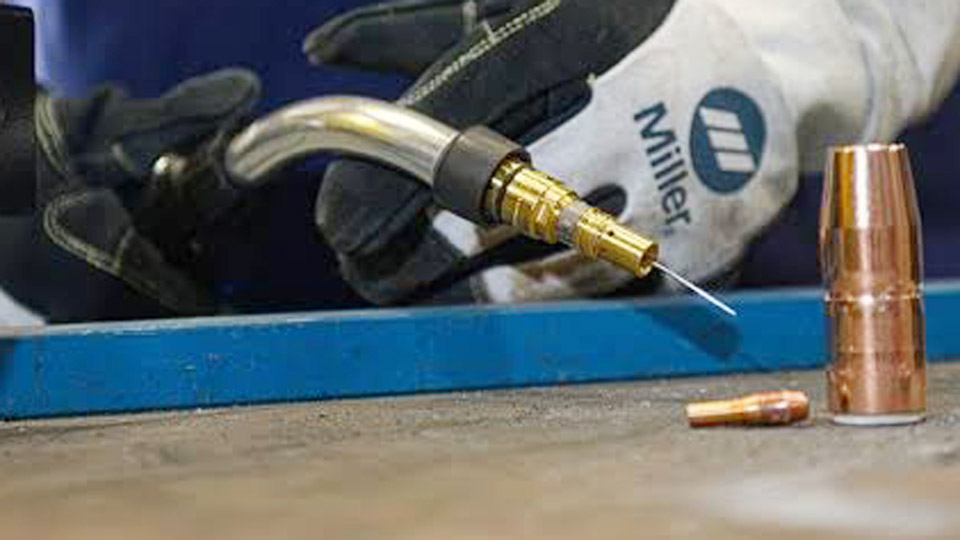
Uneven beads, undercut, excessive spatter, and lack of fusion often trace directly to an unstable or incorrect gun hold rather
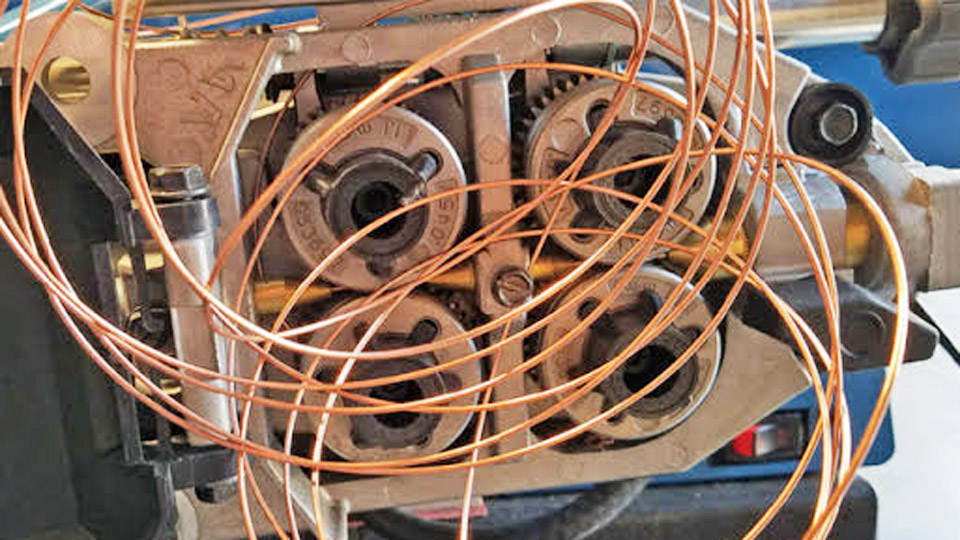
You release the MIG gun trigger and the wire keeps pushing out of the contact tip. The drive rolls continue
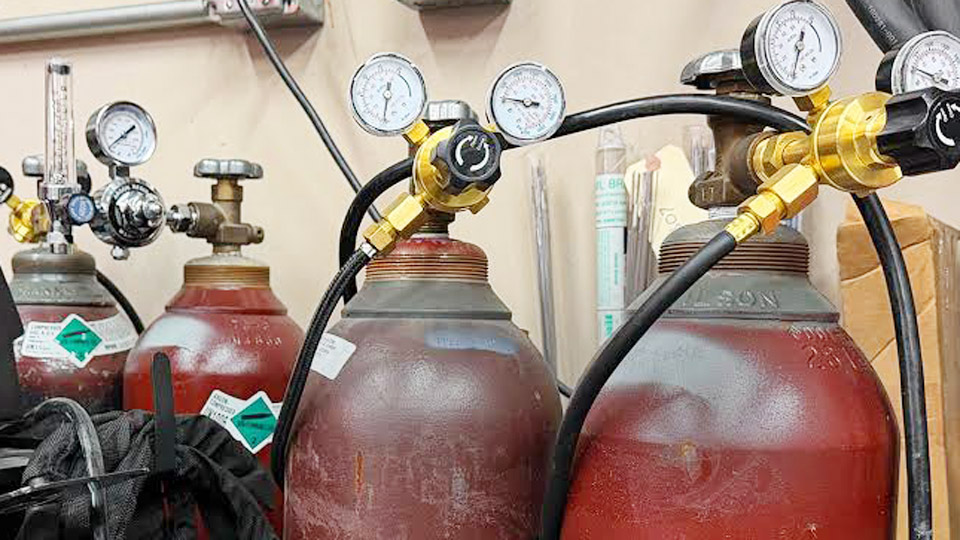
Using the wrong shielding gas can quickly turn a stainless steel MIG weld into a problem with excessive spatter, poor
Many beginners fire up a MIG machine outdoors or on farm equipment, only to watch the arc sputter, the bead
Pull the trigger, hear the wire feed, and get nothing—or only a weak, sputtering spark that refuses to sustain. A
Attempting to run standard self-shielded flux-cored wire on aluminum produces immediate failure: excessive spatter, black soot, porosity, and a weak