Many welders with multi-process inverter machines encounter the same frustration: their unit supports Lift TIG mode, but they lack a gas setup or want to avoid the hassle and cost of argon tanks for quick jobs.
Lift TIG welding without gas seems like an appealing shortcut for hobbyists, DIYers, and field work, yet it comes with significant technical trade-offs that affect tungsten life, arc stability, and weld integrity.
This approach matters because Lift TIG offers precise control and clean starts on inverters that also handle flux-cored MIG and stick, making it versatile for those without dedicated TIG equipment.
Understanding when and how to push the limits—or when to add gas—prevents ruined electrodes, porous welds, and weak joints.
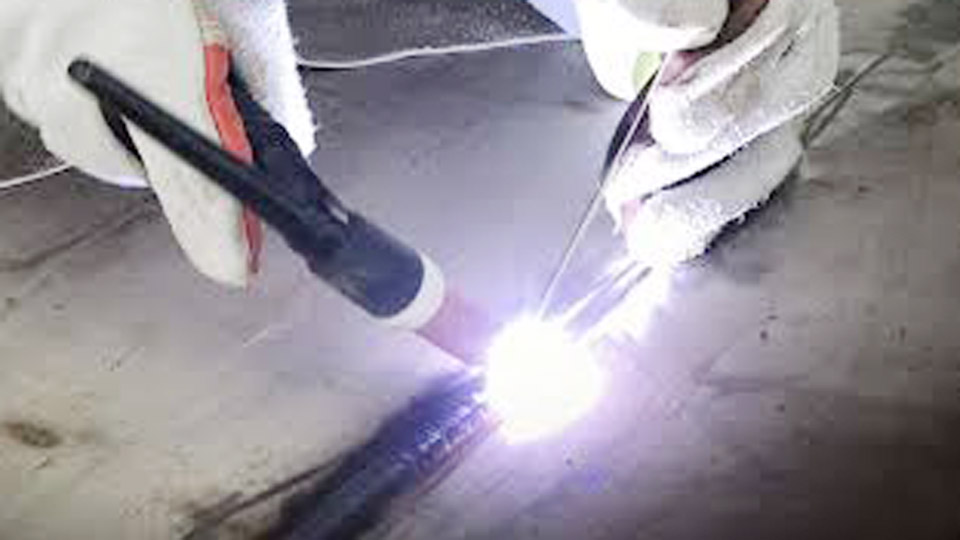
Image by kirmell
Understanding Lift TIG Arc Starting Mechanics
How Lift TIG Differs from Scratch Start and HF
Lift TIG uses a controlled low-current touch to initiate the arc. You touch the tungsten to the workpiece, activate the torch switch or pedal, and lift to establish the arc.
Machines limit initial current to reduce sticking and contamination compared to scratch start, where dragging the electrode across the metal often embeds tungsten particles.
High-frequency (HF) start creates a non-contact spark but requires more expensive machines and can interfere with electronics. Lift TIG strikes a balance for budget inverters, enabling TIG capability without HF circuitry.
In gasless scenarios, the absence of shielding plasma makes arc initiation more erratic, demanding precise lift speed—too slow risks sticking, too fast prevents arc establishment.
Machine Requirements for Effective Lift TIG
Most multi-process welders (e.g., those with flux-cored MIG) include Lift TIG via a dedicated TIG torch connection. Key specs include DC output (most common for steel/stainless), amperage range of 10-200A, and torch amperage rating matching the machine. Without gas solenoids or post-flow timers on basic models, manual gas management or none becomes necessary.
For no-gas operation, prioritize machines with adjustable pre/post settings if available, though many entry-level units lack them. Electrode negative (DCEN) polarity is standard for Lift TIG on ferrous metals to focus heat on the workpiece.
Challenges of Running Lift TIG Without Shielding Gas
Tungsten Degradation and Arc Instability
Shielding gas (typically pure argon) protects the tungsten from oxidation and stabilizes the arc by ionizing into plasma. Without it, atmospheric oxygen and nitrogen rapidly oxidize the electrode, causing it to burn back, form brittle oxides, or melt prematurely. Expect tungsten consumption 5-10x faster, with visible blackening or balling even on short welds.
Arc voltage rises without gas, leading to a harsher, less focused arc prone to wandering. This reduces penetration control and increases spatter risk, especially on thinner materials where heat input must stay precise.
Weld Pool Contamination and Mechanical Properties
Exposed molten metal absorbs oxygen and nitrogen, forming oxides and nitrides that create porosity, inclusions, and brittle zones.
Resulting welds often show surface oxidation (scale), reduced ductility, and lower corrosion resistance—critical issues for stainless or load-bearing parts. On carbon steel, you may achieve passable beads for non-critical repairs, but fatigue life drops significantly.
When Lift TIG Without Gas Makes Sense (and When It Doesn’t)
Suitable Applications and Limitations
Use no-gas Lift TIG sparingly for tack welds, temporary repairs, or outdoor emergencies on mild steel where appearance and longevity are secondary. It works marginally on thick sections (>1/8″) where the pool solidifies quickly, limiting contamination time.
Avoid it entirely for aluminum (requires AC and excellent shielding), stainless (high oxidation risk), or pressure vessels/critical joints.
For production or structural work, invest in gas. The precision of TIG justifies the setup; flux-cored MIG often outperforms no-gas TIG for speed and deposition on dirty or outdoor steel.
Material-Specific Considerations
Mild Steel: Most forgiving. Use 1.6mm or 2.4mm 2% thoriated/lanthanated tungsten. Expect heavier post-weld cleanup.
Stainless Steel: High risk of sugaring and embrittlement. Flux-cored TIG rods (e.g., for root passes) offer partial internal shielding but still need torch protection for the tungsten.
Aluminum: Generally impractical without gas and AC balance control. Oxidation layer prevents fusion; results are weak and porous.
Electrode and Consumable Selection for Gasless Lift TIG
Tungsten Types and Preparation
Choose larger diameters (3/32″ or 1/8″) to combat rapid erosion. Lanthanated or ceriated for DC performance and easy starts. Sharpen to a 30-45° point for steel; avoid pure tungsten, which performs poorly on inverters.
In no-gas conditions, keep spares handy and grind frequently. Some welders use a copper strike plate for initial touches to minimize workpiece contamination.
Filler Options: Standard vs. Flux-Cored
Standard ER70S-6 or ER308L rods demand gas. Flux-cored TIG rods (available for stainless root passes) provide internal flux that generates shielding slag, protecting the root side without back-purging.
For mild steel experiments, straightened flux-cored MIG wire has been tested as filler, but it introduces slag and requires aggressive cleaning. Tungsten still suffers without gas.
Practical Setup and Parameter Guidelines
Torch and Polarity Configuration
Connect the TIG torch to the negative terminal for DCEN. Use a #7 or #8 cup if gas is available later; without gas, a gas lens helps direct any residual flow but offers limited benefit. Ensure tight collet and collet body for good conductivity.
Amperage, Travel Speed, and Heat Management
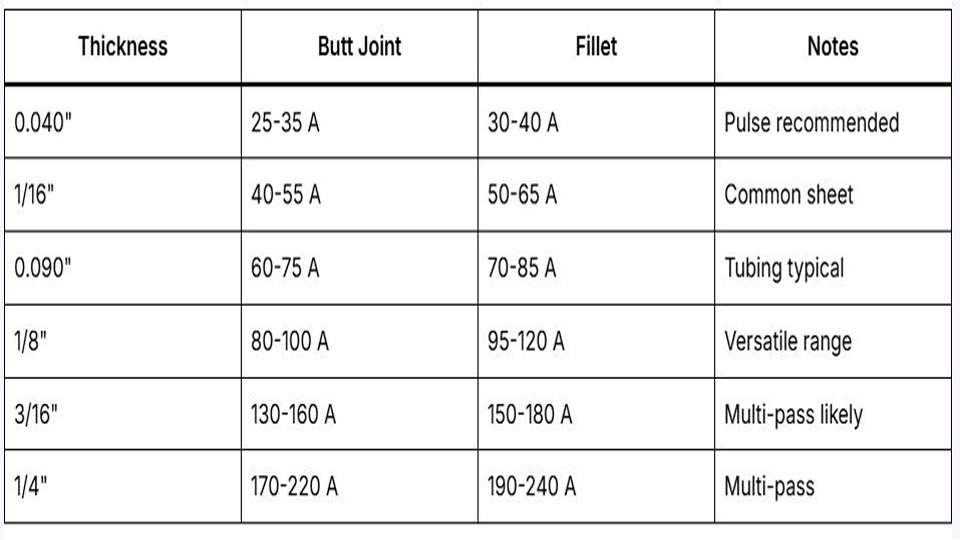
Follow the 1 amp per 0.001″ rule of thumb for steel as a starting point, adjusted for no-gas inefficiency:
- 1/16″ (1.6mm) steel: 50-80A
- 1/8″ (3.2mm) steel: 90-130A
- 1/4″ (6.4mm) steel: 150-200A+
Increase amperage 10-20% over gassed settings to compensate for unstable arc and faster cooling. Maintain short arc length (1-1.5x tungsten diameter) and faster travel speeds to minimize exposure time. Use pulse if available (e.g., 1-2 Hz, 50% background) for better control on thin material.
Real-World Parameter Table for Mild Steel (No Gas, Approximate)
| Thickness | Tungsten Size | Amps (DCEN) | Travel Speed | Filler Diameter | Notes |
|---|---|---|---|---|---|
| 0.040″ | 1/16″ | 20-40 | Fast | 1/16″ | Tack only; high risk |
| 1/8″ | 3/32″ | 90-120 | Medium | 1/16″-3/32″ | Feasible with cleanup |
| 1/4″ | 1/8″ | 160-220 | Steady | 3/32″ | Better pool control |
Adjust based on joint type, position, and machine capability. Vertical/uphill requires lower amps and quicker weave.
Execution Techniques for Lift TIG Without Gas
Focus on consistent torch angle (10-15° push) and steady hand position. Brace your hand or use a rest for control. Lift quickly but smoothly after contact—practice on scrap to develop muscle memory. Add filler with a dipping motion, keeping the rod in the protective outer flame zone if any exists.
For crater filling, reduce amperage gradually or use a downslope if equipped. Without post-flow, immediately cover the hot tungsten or move to inert material to slow oxidation.
Advanced Strategies and Workarounds
Hybrid Approaches with Flux or Minimal Gas
In semi-gasless setups, some use CO2 or mixed gases (not ideal for TIG) or flux pastes, but these contaminate the tungsten faster. For stainless pipe roots, flux-cored rods with minimal or no external gas on the front side can work for open roots, relying on slag.
Portable argon alternatives like small disposable tanks or generators help bridge gaps without full commitment.
Equipment Upgrades for Better Performance
Add a gas solenoid kit or foot pedal with integrated controls. Upgrade to a torch with larger gas lens for better coverage when gas is introduced. Consider machines with true TIG features like pulse and AC for future-proofing.
Troubleshooting Common No-Gas Lift TIG Issues
- Excessive Tungsten Wear: Larger electrode, shorter arcs, quicker lifts.
- Porous or Dirty Welds: Clean metal thoroughly (grind to bright), faster travel, more filler.
- Arc Wandering/Sticking: Sharper tungsten, correct polarity, steady lift technique.
- Overheating Torch: Limit duty cycle; no gas means no cooling flow.
Clean welds aggressively post-process with wire brushing or grinding.
Decision-Making for Your Welding Needs
Lift TIG without gas serves as a capable emergency or low-demand tool on multi-process machines, delivering acceptable results on mild steel for non-critical applications when gas is unavailable.
However, for consistent quality, longevity of consumables, and professional outcomes, shielding gas remains non-negotiable in true TIG welding.
Weigh your priorities: speed and portability favor flux-cored MIG, while precision demands gassed Lift TIG or HF setups. The advanced insight is mastering arc length and heat balance in adverse conditions—skills that translate directly to superior gassed welding and broader process versatility.
Test parameters on scrap, document what works for your machine, and scale up with proper gas for demanding jobs.
FAQ
Can you really TIG weld without any gas using Lift TIG?
Practically no for sustained quality. Tungsten erodes quickly and welds suffer contamination. Short tacks on clean mild steel are possible but not recommended for structural use.
What filler works best for gasless Lift TIG attempts?
Flux-cored TIG rods (stainless root pass types) or straightened flux-cored MIG wire provide some protection via slag, but standard solid rods fail without gas. Expect heavy slag and cleanup.
How do I prevent tungsten contamination in no-gas Lift TIG?
Use larger diameter tungsten, lift quickly, maintain short arc length, and grind frequently. Strike on copper if possible. Limit session time.
Is Lift TIG on a flux-cored MIG machine worth it without gas?
For occasional use yes, as it adds capability cheaply. Upgrade to gas for regular TIG work to protect equipment and achieve clean, strong welds.