Rust left on metal before painting can quickly lead to coating failure, corrosion beneath the paint, and unnecessary rework. Knowing how to remove rust before painting is essential for welders, fabricators, and DIY metalworkers who want durable, professional results.
Even the highest-quality primer and paint cannot properly protect steel if rust, mill scale, or surface contaminants remain. In welding and metal fabrication, poor surface preparation can shorten the service life of repaired parts, reduce corrosion resistance, and increase maintenance costs.
Choosing the right rust removal method also helps preserve the base metal while creating a clean surface that promotes strong paint adhesion.
Understanding the causes of rust and selecting the appropriate cleaning technique ensures better coating performance, longer-lasting protection, and more reliable results in both shop and field applications.
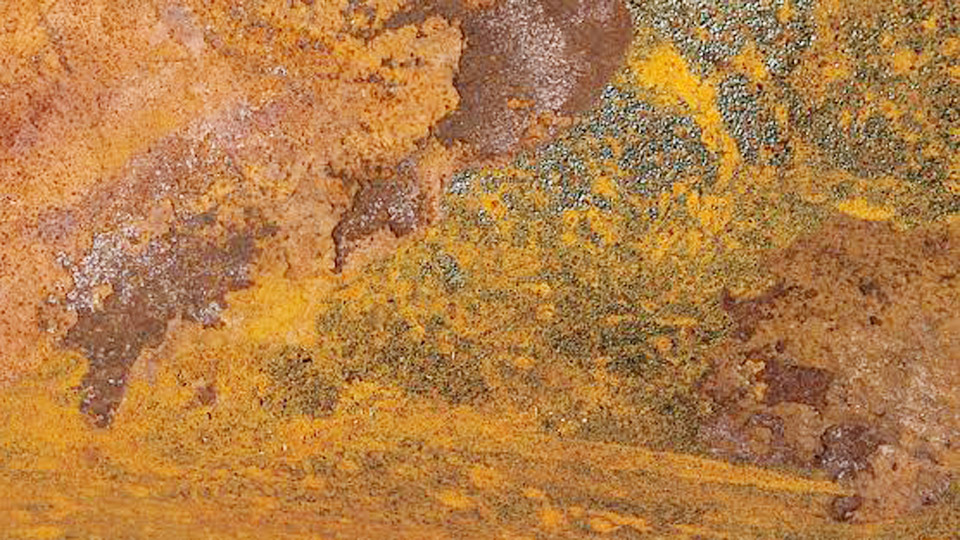
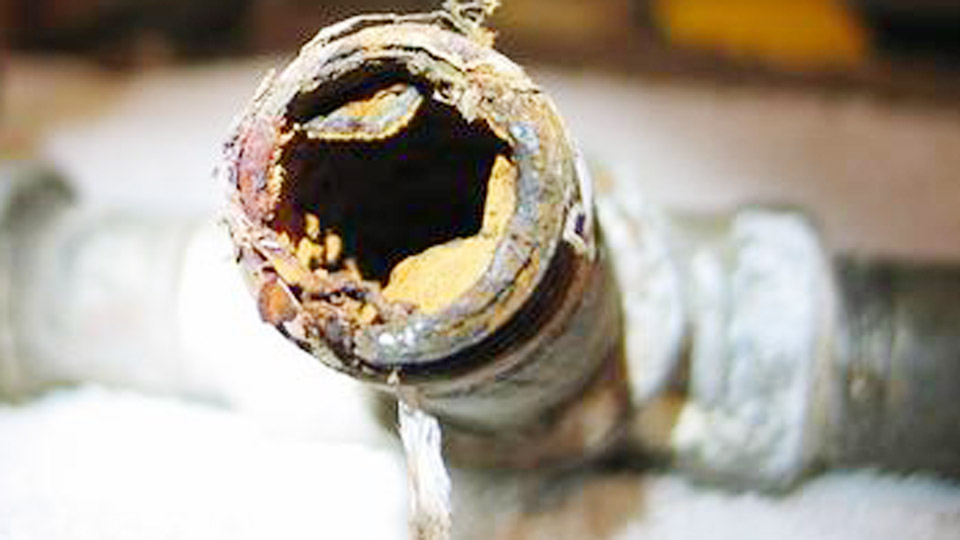
Image by neutrarust
Understanding Rust on Welded Steel
Why Welded Areas Rust Faster
Welding introduces heat-affected zones (HAZ) where microstructure changes increase susceptibility to oxidation. Slag, spatter, and flux residues trap moisture and accelerate pitting. Mill scale on new steel, combined with post-weld condensation, forms galvanic cells. Light surface rust appears within hours in humid shops; deep pitting develops over weeks on exposed fabrications.
Impact on Paint Performance
Rust volumes expand, exerting pressure that lifts paint films. Residual iron oxides reduce mechanical and chemical bonding of primers. For structural welds, any remaining active corrosion compromises fatigue resistance under load. Painting over converted or stabilized rust works in low-abrasion applications but fails in vibration-prone or outdoor welded assemblies.
Identifying Active vs. Stable Rust
Active rust shows orange-red powdery deposits and continues spreading. Stable or converted rust appears dark and inert. Test by scraping: loose material indicates need for aggressive removal.
Use a 10x magnifier or borescope for weld toes and crevices where hidden rust hides. Measure pit depth with a caliper—deeper than 0.5 mm often requires fill or replacement rather than surface treatment alone.
Assessing Rust Severity for Method Selection
Classifying Rust Levels
- Light surface oxidation: Thin film removable by wiping or light abrasion.
- Moderate scaling: Flaky layers with minor pitting.
- Heavy pitting and lamination: Deep corrosion requiring material removal or chemical dissolution.
Visual inspection alone misleads. Strike-test with a chisel or wire brush reveals hidden scale. On large projects, section sampling determines the dominant category.
Environmental and Material Factors
High-humidity coastal environments or road salt exposure demand complete removal to bare metal. Mild steel (A36, 1018) responds differently than higher-carbon or alloy steels. Galvanized or previously coated pieces introduce zinc or old paint variables. Thickness matters: thin sheet (<3 mm) risks warping from aggressive grinding or acid.
Decision Matrix for Shop vs. Field Work
Shop environments favor chemical soaks and blasting. Field repairs prioritize portable mechanical tools and converters. Time constraints often force hybrid approaches—mechanical for accessible areas, chemical for recesses.
Mechanical Rust Removal Techniques
Grinding and Abrasive Tools
Angle grinders with flap discs (40-80 grit for heavy rust, 120+ for finishing) deliver fast results on flat and curved surfaces. Remove weld spatter first with a dedicated wheel to avoid embedding contaminants. Work in the direction of metal grain to minimize swirl marks. For precision near welds, use 3M Roloc discs or carbide burrs.
Needle scalers and chipping hammers excel in tight corners and weld toes. They dislodge scale without removing excessive base metal. Follow with a wire wheel (knotted or crimped) on a grinder or drill for final cleanup.
Sanding and Manual Abrasion
Orbital or belt sanders with 80-grit progressing to 240-grit suit smaller parts or detail work. Hand sanding with emery cloth reaches irregular geometries. Avoid over-sanding thin sections. For pitted areas, combine with scrapers to dislodge loose material before abrasion.
Abrasive Blasting Options
Media blasting (aluminum oxide, garnet, or glass beads) provides uniform profiles ideal for painting (typically 1.5–3 mil roughness). Soda blasting offers gentler action on thin metal. Containment and media reclamation matter for cost control on large jobs. Post-blast, vacuum or blow off dust thoroughly before priming.
Comparison Table: Mechanical Methods
| Method | Speed | Surface Profile | Best For | Limitations |
|---|---|---|---|---|
| Flap Disc Grind | High | Aggressive | Large flat areas | Heat buildup, profile control |
| Wire Wheel/Brush | Medium | Moderate | Welds, crevices | Incomplete on heavy pits |
| Blasting | High | Uniform | Complex fabrications | Equipment/setup required |
| Sanding | Low | Controlled | Detail/finishing | Labor intensive |
Chemical Rust Removal Methods
Acid-Based Dissolvers
Phosphoric acid formulations (e.g., commercial metal etch or prep products) convert rust to iron phosphate while etching for adhesion. Apply, agitate with scuff pads, neutralize, and rinse. Effective on light-to-moderate rust without heavy mechanical work. Monitor dwell time to avoid over-etching.
Muriatic (hydrochloric) acid works rapidly but requires strict neutralization (baking soda) and ventilation. Reserve for heavy rust on robust parts. Citric acid or vinegar offers milder, slower action suitable for soaking small components overnight.
Chelating and Non-Acid Removers
Products like those based on proprietary chelators (e.g., similar to Evapo-Rust) bind iron ions without aggressive pH. Soak parts for hours to days depending on rust depth. They preserve base metal dimensions and work well on assemblies with threads or bearings. Reusable in many cases, making them economical for repeated shop use.
Rust Converters
Tannic or phosphoric acid-based converters transform rust into a stable black primer-like layer. Ideal when complete removal is impractical. Apply after loose rust removal. Compatibility with topcoats varies—test adhesion. Best for non-structural or enclosed applications.
Safety and Neutralization Protocols
Always neutralize acids fully. Residual acidity promotes flash rust. Use pH paper to verify neutrality (around 7). Rinse with distilled water where minerals could interfere. Dry immediately with compressed air or heat to prevent new oxidation.
Hybrid Approaches for Welded Projects
Post-Weld Specific Cleaning
After welding, remove slag and spatter before addressing general rust. Use chipping hammers followed by stainless steel wire brushes (to avoid carbon contamination). Degrease with acetone or isopropyl alcohol—avoid residues that repel primers.
For repairs on painted structures, mask adjacent areas and feather edges. Grind weld zones to bright metal extending 1–2 inches beyond the bead.
Addressing Pits and Crevices
Pits trap moisture. Mechanical methods may not reach bottoms; follow with chemical treatment or epoxy fillers after rust removal. Build up with weld metal on structural pieces, then blend.
Large Fabrications and Assemblies
Disassemble where possible for better access. Use temporary plugs on threaded holes. For non-disassemblable pieces, combine localized grinding with brush-on converters in recesses.
Post-Removal Surface Preparation
Degreasing and Final Cleaning
Solvents like acetone or dedicated pre-paint cleaners remove oils, fingerprints, and blasting dust. Wipe with clean lint-free rags, changing frequently. Two-step cleaning (solvent then wipe) prevents redeposition.
Creating Proper Anchor Profile
Paint systems require specific surface roughness. Aim for 25–75 microns (1–3 mils) depending on coating. Profile gauges or replica tape verify results. Overly smooth surfaces reduce adhesion; overly rough consume more primer.
Timing to Primer Application
Apply primer within hours of cleaning, especially in humid conditions. Flash rust forms rapidly. Use temporary rust preventives (light oil or vapor corrosion inhibitors) if delay occurs, then remove before priming.
Primers and Coating Systems for Welded Metal
Epoxy Primers
Two-part epoxies offer superior adhesion and corrosion resistance on prepared steel. They tolerate minor residual contaminants better than alkyds. Apply 3–5 mils dry film thickness. Recoat windows are critical—follow manufacturer specs.
Zinc-Rich Primers
For maximum cathodic protection on welds and repairs, zinc-rich primers sacrifice themselves. Surface must be very clean. Common in industrial maintenance.
Topcoat Selection
Polyurethane or epoxy topcoats provide UV and abrasion resistance. Match system chemistry for intercoat adhesion. DTM (direct-to-metal) paints simplify processes but demand excellent preparation.
Application Considerations
Temperature (50–90°F ideal), humidity (<85% RH), and dew point control prevent defects. Use spray for uniform coverage on complex welds; brush/roll for touch-ups.
Preventing Recurrence in Welded Structures
Design for Corrosion Resistance
Incorporate drainage, avoid water traps, and specify coatings during fabrication. Use seal welds where possible. Post-fabrication galvanizing or powder coating offers long-term protection for new builds.
Maintenance Schedules
Inspect welds annually. Touch up chips promptly. For vehicles or outdoor equipment, periodic washing removes salts.
Advanced Techniques
Laser cleaning removes rust selectively with minimal substrate damage—emerging for high-value restorations. Electrolysis suits delicate or intricate parts.
Real-World Application Insight
On a trailer frame rebuild, combining flap disc removal on main rails with phosphoric etch in boxed sections, followed by epoxy primer and urethane topcoat, yielded five-plus years of salt-road service with no under-film creep.
The key decision was investing time in crevices rather than relying solely on converter products. Pro-level insight: Always prioritize bare metal at high-stress weld zones; the marginal extra effort multiplies coating longevity exponentially under cyclic loading.
FAQ
Can I paint over rust converter without mechanical removal?
Yes for light rust in non-critical areas, but mechanical removal of loose scale first ensures better long-term performance. Test adhesion on your specific steel and coating system.
What’s the fastest rust removal for urgent field repairs?
Portable angle grinder with flap discs combined with a quick phosphoric etch and immediate primer. Avoid shortcuts on load-bearing welds.
Does sandblasting create problems for thin welded sheet metal?
It can warp thin material if aggressive. Use lower pressure, finer media, or alternative methods like soda blasting or chemical soaks.
How soon after rust removal should I apply primer?
Ideally within 1–4 hours. In humid conditions, prime immediately or use a temporary inhibitor. Flash rust invalidates preparation.