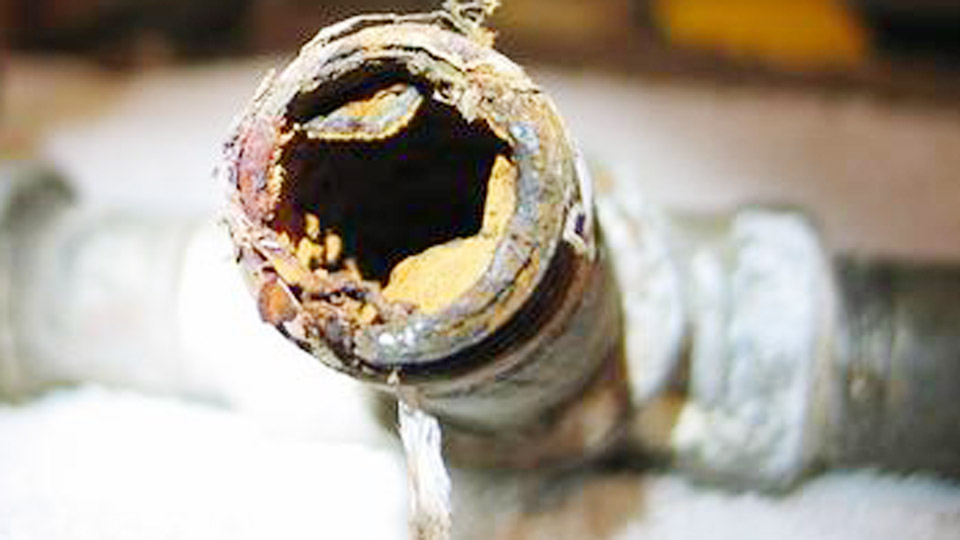
Steel corrosion is one of the most persistent issues in fabrication and welding environments, especially when protective coatings like paint are not an option. Understanding How to Keep Steel from Rusting Without Paint becomes critical in applications where surface finish must remain bare for conductivity, fit-up accuracy, or post-weld processing.
In real welding conditions, uncontrolled oxidation can compromise weld integrity, reduce joint strength, interfere with arc stability during subsequent passes, and increase rework due to contamination or scaling.
Moisture exposure, heat-affected zones, and improper storage all accelerate the corrosion process, leading to costly inspection failures and reduced service life.
This topic focuses on practical, shop-proven methods used to slow or prevent rust formation without relying on paint systems. You’ll gain a clear understanding of mechanical, chemical, and environmental control strategies that help maintain steel performance while keeping fabrication tolerances and weld quality intact.
Image by everbrite
Understanding Rust Formation on Welded Steel
Rust (iron oxide) requires iron, oxygen, and an electrolyte like moisture. In welded fabrications, heat-affected zones (HAZ) alter microstructure, creating anodic sites prone to accelerated corrosion. Mill scale on hot-rolled steel offers temporary protection but cracks during welding or bending, exposing fresh metal.
Electrochemical Drivers in Welded Joints
Welds introduce residual stresses and potential differences between base metal, filler, and HAZ. Overlapping joints trap moisture, forming crevice corrosion cells. Carbon steel (e.g., A36) lacks alloying elements to form stable passive layers, unlike stainless. pH drops in crevices accelerate pitting, with corrosion rates reaching 0.1–0.5 mm/year in industrial atmospheres without intervention.
Impact of Fabrication Processes
Grinding removes protective scale but embeds contaminants. TIG welding on thin sections minimizes heat input (typically 0.5–1.5 kJ/mm) but still leaves oxide inclusions. MIG on thicker plate with higher heat (2–4 kJ/mm) enlarges the sensitized zone. These variations dictate protection strategy—mechanical removal alone fails without follow-up barriers.
Material Selection for Inherent Rust Resistance
Choosing the right base metal reduces reliance on post-weld treatments.
Weathering Steel (Corten) Applications
Weathering steels like ASTM A588 develop a stable patina of iron oxides and alloy elements (Cr, Ni, Cu, P) when exposed to weather. The patina seals the surface after 1–3 years, reducing corrosion rates to 0.05 mm/year or less in rural environments.
Weld with matching filler (e.g., E8018-W) and avoid painting. Ideal for outdoor sculptures or structural frames where initial orange-brown color matures to dark brown. Not suited for immersed or high-chloride settings.
Stainless and Low-Alloy Options
304/316 stainless forms a self-healing chromium oxide layer (>10.5% Cr). Passivation enhances this. For cost-sensitive carbon steel projects, duplex stainless overlays via cladding provide hybrid benefits. Select 2205 duplex for weldments needing high strength (yield ~450 MPa) and pitting resistance equivalent number (PREN) above 35.
Surface Preparation Techniques Before Protection
Clean metal is non-negotiable. Contaminants like slag, oils, or chlorides undermine all methods.
Abrasive and Chemical Cleaning Protocols
Use SSPC-SP10 near-white blast with angular media (Grit 16–30) for profile 1.5–3 mils. For shop settings, phosphoric acid (10–30% concentration) converts oxides to iron phosphate while etching. Apply at 60–80°F, dwell 5–15 minutes, then rinse to pH 7.
This creates a micro-rough surface for better adhesion of non-paint coatings. Avoid hydrochloric acid on high-strength steels due to hydrogen embrittlement risk.
Post-Weld Specific Treatments
Remove heat tint on stainless with nitric or citric acid passivation (per ASTM A967). For carbon steel, wire brush or grind to bright metal, then immediately apply protection—delays as short as 30 minutes initiate rust in 70% humidity.
Metallic Coatings and Galvanizing Strategies
Zinc provides sacrificial protection without traditional paint.
Hot-Dip Galvanizing for Fabrications
ASTM A123 specifies minimum 2.0–6.0 oz/ft² coating thickness depending on steel thickness. Weld before galvanizing when possible; vent hollow sections to prevent explosions. Post-weld repairs use zinc-rich paints (≥92% zinc) or metallizing.
Galvanized welds resist rust for 50–100+ years in mild environments. Avoid welding after galvanizing without proper fume extraction—zinc vapors are hazardous.
Zinc Metallizing and Cold Galvanizing
Thermal spray zinc (metallizing) achieves 3–10 mils thickness with bond strength >1000 psi. Portable arc spray systems suit field repairs. Cold galvanizing compounds (zinc in binder) offer 90–95% zinc content but thinner films (1–3 mils) and shorter life (5–15 years). Apply to 2–4 mils DFT after proper surface prep (Sa 2.5).
Oil, Wax, and Dry Film Treatments
These maintain a raw steel appearance while blocking moisture.
Linseed Oil and Boiled Variants
Boiled linseed oil (BLO) polymerizes into a flexible film. Wipe on clean, warm steel (100–150°F) for better penetration. Two to three thin coats, 24–48 hours apart, yield protection lasting 1–5 years indoors or 6–24 months outdoors. BLO darkens steel slightly and continues curing. Effective on tools and ornamental iron.
Wax and Grease-Based Barriers
Microcrystalline waxes or beeswax blends (with linseed and turpentine) create hydrophobic layers. Heat metal to 120–180°F, apply molten wax, and buff. Reapply annually in exposed conditions. Petroleum jelly or lanolin suits temporary storage.
VCI (volatile corrosion inhibitors) papers or emitters release amines that adsorb on metal surfaces, ideal for enclosed or shipped fabrications.
Commercial Dry Coatings and Penetrants
Products like Flood Penetrol or similar oil-based penetrants seal bare steel while preserving appearance. Apply via brush or dip; they penetrate pores and dry to a non-tacky finish. Combine with phosphoric acid pretreatment for best results on lightly rusted surfaces.
Environmental and Design Controls
Prevention starts with design and storage.
Joint Design to Minimize Crevices
Favor butt welds over lap joints. Seal lap edges completely or use intermittent welds with caulk (polyurethane or silicone) rated for metal. Eliminate standing water pockets—slope horizontal members 1:12 minimum. Use drainage holes in hollow sections.
Storage and Shop Humidity Management
Store steel off ground on racks with spacers. Maintain shop RH below 50% using dehumidifiers. For long-term storage, apply light oil mist or VCI film. Outdoor projects benefit from temporary shelters during fabrication.
Bluing and Heat-Based Finishes
Hot bluing (caustic bath at 280–300°F) creates magnetite layer for tools and small parts. Safer alternatives use oil immersion after heating. Provides mild protection and attractive dark finish without dimensional change.
Advanced Methods for Professional Welders
Powder Coating Alternatives and Ceramic Coatings
While not paint, some seek thin-film ceramics or sol-gel coatings that cure without high heat. These offer high-temperature resistance (up to 1000°F) but require specialized application.
Cathodic Protection Systems
For large structures or buried fabrications, impressed current or sacrificial anodes (zinc/magnesium) shift the steel to cathodic state. Monitor with reference electrodes; common in pipelines and marine weldments.
Alloying and Surface Modification
Laser peening or shot peening induces compressive stresses that retard crack initiation. Ion implantation or nitriding creates hard, corrosion-resistant surfaces on specific components.
| Method | Typical Lifespan (Mild Environment) | Cost Level | Best For | Reapplication |
|---|---|---|---|---|
| Hot-Dip Galvanizing | 50–100 years | Medium-High | Structural | Rare |
| Zinc Metallizing | 20–50 years | High | Field repairs | 10–20 years |
| Boiled Linseed Oil | 1–5 years | Low | Ornamental, tools | 1–2 years |
| VCI Emitters | 1–10 years (enclosed) | Low-Medium | Storage, shipping | As needed |
| Weathering Steel Patina | 30–100+ years | Medium | Outdoor exposed | None |
Real-World Decision Framework
Match protection to service: galvanizing for load-bearing outdoor frames; BLO or wax for indoor art or tools; stainless for food-grade or marine. Calculate total ownership cost—initial galvanizing often beats repeated painting. Test small samples in actual conditions when possible. Monitor pH, chloride levels, and humidity at installation site.
Welders who master these non-paint methods gain flexibility across projects while delivering durable results.
The advanced insight: combine sacrificial zinc layers with proper joint geometry and minimal crevices to achieve near-zero maintenance corrosion rates even on standard carbon steel, shifting failure modes from surface oxidation to fatigue or overload instead. This approach maximizes both performance and fabrication efficiency in demanding environments.
FAQ
What is the fastest way to protect fresh welds from rust without paint?
Immediately clean to bright metal and apply boiled linseed oil or a zinc-rich cold galvanizing compound. Delays over an hour in humid conditions often require re-cleaning.
Does bluing provide long-term rust protection for welded steel parts?
Hot bluing offers moderate protection for indoor or low-exposure tools (1–3 years) but needs supplemental oil or wax for outdoor use. It excels for aesthetics and thin sections.
Can I use phosphoric acid treatments on welded mild steel effectively?
Yes—apply 10–30% solution after cleaning to convert oxides and etch the surface. Rinse thoroughly and follow with oil or VCI for ongoing protection. Avoid on high-strength alloys prone to embrittlement.
How does Corten steel compare to galvanized for rust prevention in outdoor welds?
Corten develops a protective patina naturally and needs no coating, suiting aesthetic exposed structures. Galvanized provides faster, more uniform initial protection and better performance in wet or chloride-rich areas.