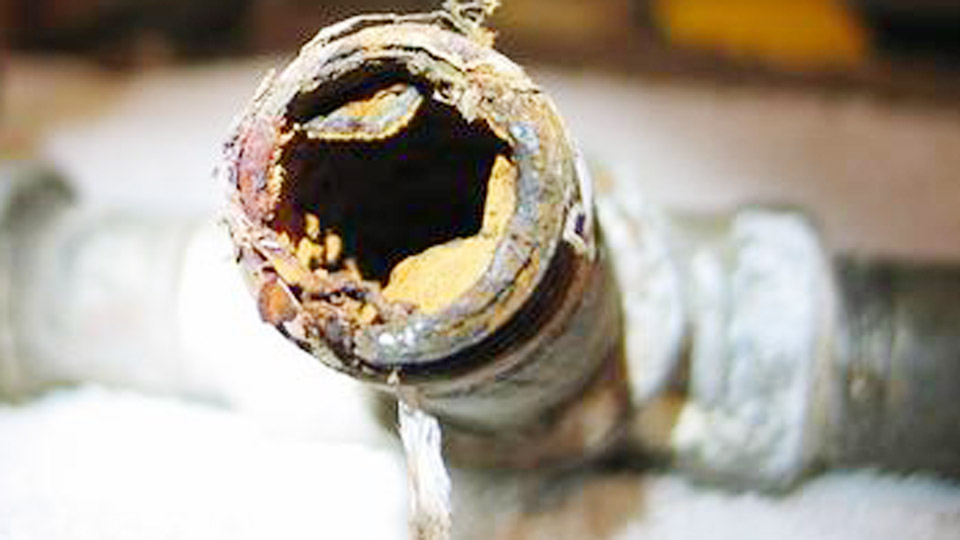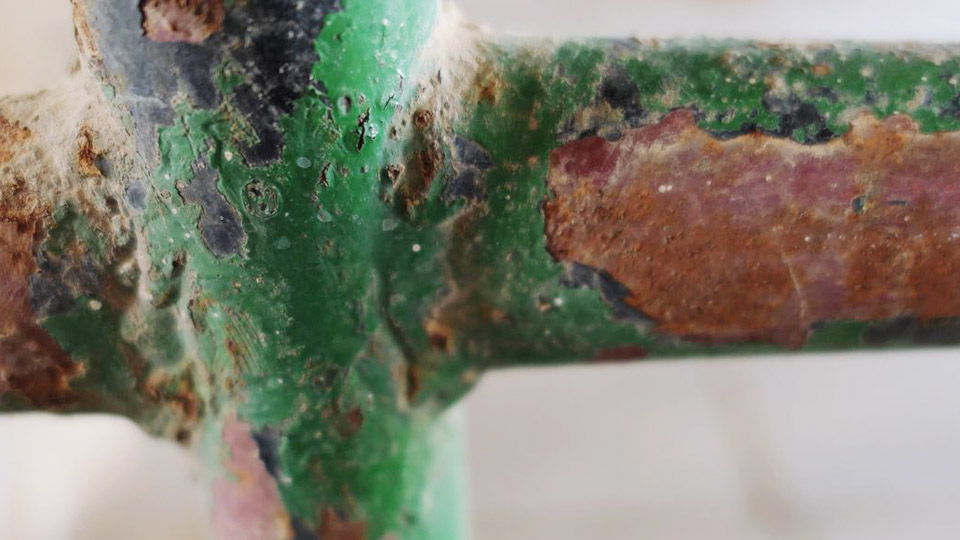
Rusted steel is common in fabrication shops, farm equipment repair, and outdoor metalwork, which raises a practical question: can you put Rustoleum over rust without causing coating failure later?
The answer depends on how much corrosion is present, how the surface is prepared, and which Rust-Oleum product is being used. In welding and metal fabrication environments, poor paint adhesion can trap m
Some Rust-Oleum coatings are specifically designed to bond to lightly rusted surfaces, while others require aggressive cleaning and priming to perform correctly.
Understanding that difference matters if you want long-term protection instead of a temporary cosmetic fix. I’ll explain when painting over rust is acceptable, where it fails in real-world metalworking conditions, and how to prepare steel properly for durable results.
Image by Above Ground Swimming Pools Group
Rust-Oleum Product Options for Rusty Metal in Welding Contexts
Rust Reformer: Chemical Conversion for Direct Application
Rust-Oleum Rust Reformer is a converter that bonds with rust at a molecular level, turning iron oxide into a stable, paintable black surface. It requires minimal prep: remove loose scale and flaking rust with a wire brush, clean with soap and water, then apply. No full sanding to bare metal is necessary.
In welding applications, apply it to non-joint areas or post-weld on repaired sections. It creates a hard coating suitable for topcoating but is not ideal as a weld-through primer because residues can affect arc stability in MIG processes.
Flux-cored or stick welding tolerates light contamination better. Test on scrap first, as converter chemistry can introduce gases if welded over directly.
Key parameters: Allow 24 hours drying at 70°F before topcoating. Coverage is approximately 10-15 sq ft per 10.25 oz spray can. It performs best on light to moderate rust, not heavy pitting.
Rusty Metal Primer: Fish-Oil Based Penetration
Rust-Oleum Stops Rust Rusty Metal Primer uses a fish-oil formula that penetrates light rust to reach bare metal, forming a bonded base. It excels on sound but rusted surfaces common in field repairs or older stock.
For welders, this primer suits pre-fabrication on large structures where full cleaning is inefficient. Apply to tightly adhered rust after wire-brushing loose material.
It bonds well but avoid heavy buildup in weld zones, as oil-based components can cause porosity. Grind or wipe joints clean before welding. Many fabricators prime non-critical areas pre-weld and touch up after.
Technical note: Dry time is 15-30 minutes to touch; recoat in 1-2 hours. It provides a good anchor for enamel topcoats and offers corrosion resistance in moderate environments.
Protective Enamels and Topcoats
Rust-Oleum Stops Rust enamels (spray or brush) deliver the final barrier. These oil-based formulas resist chipping, abrasion, and moisture. Use them over reformer or primer for full protection. Hammered finishes hide imperfections effectively on welded assemblies.
High-heat variants (up to 2000°F) suit exhaust or engine bay work and sometimes double as weld-through options due to minimal burn-back.
Surface Preparation Decisions Before Applying Rust-Oleum
Welders must balance speed and integrity. Full removal (grinding, blasting to SSPC-SP 5 or 6) yields the strongest welds and coatings but costs time. Partial prep works with Rust-Oleum converters/primers.
Practical thresholds:
- Loose, flaking rust: Always remove mechanically (wire wheel, grinder, or needle scaler).
- Tight, surface rust: Converter or rusty metal primer handles it.
- Mill scale: Prefer removal for critical structural welds; primers tolerate light scale poorly long-term.
- Contaminants (oil, grease, weld spatter): Degrease with solvent; spatter must be chipped off.
For large projects, blast to commercial grade (SSPC-SP 6) where possible, then apply primer the same day to prevent flash rust.
Welding Compatibility with Rust-Oleum Coatings
Pre-weld application:
Avoid primers/paints in the weld zone (at least 1-2 inches either side). Burn-off creates fumes, porosity, and inclusions. Self-etching or dedicated weld-through primers (zinc-rich) are better for joints if priming before assembly. Rust Reformer or standard Rusty Metal Primer is not optimized as weld-through.
Post-weld application:
Clean slag, spatter, and heat-affected zone oxidation. Wire brush or grind lightly. Apply Rust Reformer to any remaining rust, followed by primer and enamel. This sequence protects welds prone to rust streaking in humid or outdoor conditions.
Process-specific notes:
- MIG/GMAW: Highly sensitive to contaminants. Clean thoroughly.
- FCAW (flux-cored): More tolerant of light rust or primer residue.
- SMAW (stick): Forgiving on mildly contaminated surfaces.
- TIG/GTAW: Demands clean metal; avoid any coating near the joint.
High-heat Rust-Oleum paints show minimal interference in some tests and protect areas inaccessible post-weld.
Application Techniques for Welded Fabrications
Apply in thin, even coats to avoid runs that pool at welds. Use spray for complex geometries and brush for precision on joints. Multiple light coats outperform one heavy coat for corrosion resistance.
Environmental factors:
- Temperature: 50-90°F ideal; humidity below 85%.
- Ventilation: Critical for solvent fumes.
- Curing: Full cure takes days; protect from moisture during this period.
On vertical welds or overhead sections, watch for sagging. Rusty Metal Primer grips well but follow with compatible enamel.
For galvanized or mixed materials, test compatibility. Rust-Oleum offers specific primers for galvanized surfaces.
Long-Term Performance and Environmental Considerations
Rust-Oleum systems excel in mild to moderate corrosion environments (indoor, covered outdoor). In marine, chemical, or high-abrasion settings, consider industrial two-part epoxies or zinc-rich systems for superior barrier properties.
Monitor for under-film creep on edges and welds. Proper prep minimizes this. Reapply touch-ups promptly on chips to prevent rust bloom.
Real-world durability: Many users report 5-10+ years of protection on farm equipment, trailers, and shop fixtures with good initial application. Black enamels often outperform colors due to better UV stability.
Comparing Alternatives to Rust-Oleum
POR-15 offers high build and chemical resistance but demands near-perfect prep and is less forgiving. Cold galvanizing compounds provide zinc protection similar to hot-dip but sacrifice aesthetics.
Epoxy mastics deliver thick barriers for immersion service. Rust-Oleum balances ease, cost, and availability for most DIY and small-shop welders.
Choose based on exposure: Rust Reformer + enamel for general use; specialized industrial coatings for harsh duty.
FAQ
Can you weld directly over Rust-Oleum Rust Reformer?
Generally no for high-quality MIG welds. It stabilizes rust but residues can cause porosity. Grind the joint area clean or use dedicated weld-through primers for joint zones.
How long does Rust-Oleum last over rust on outdoor welded projects?
With proper prep and topcoating, 5-10 years or more in moderate climates. Heavy exposure or poor application shortens this. Black formulations hold up best.
Is Rust-Oleum Rusty Metal Primer better than grinding everything clean?
It saves significant time on large or assembled pieces and performs well on sound rust. Critical load-bearing or code welds still benefit from clean metal.
Can you apply regular Rust-Oleum paint without primer over light rust?
Primer is strongly recommended for best adhesion and long-term protection. Direct enamel over light, stable rust works short-term but risks earlier failure.
Decision-making Summary
Yes, you can put Rust-Oleum over rust effectively using Rust Reformer or Rusty Metal Primer as the base, followed by protective enamel. Prioritize mechanical removal in weld zones for integrity, then leverage these products for efficient corrosion control elsewhere.
The strongest long-term results come from matching product chemistry to your specific exposure and accepting that prep level directly dictates service life.
For pro-level work, combine targeted conversion with zinc-rich or epoxy systems on high-value fabrications to push durability beyond standard consumer expectations.