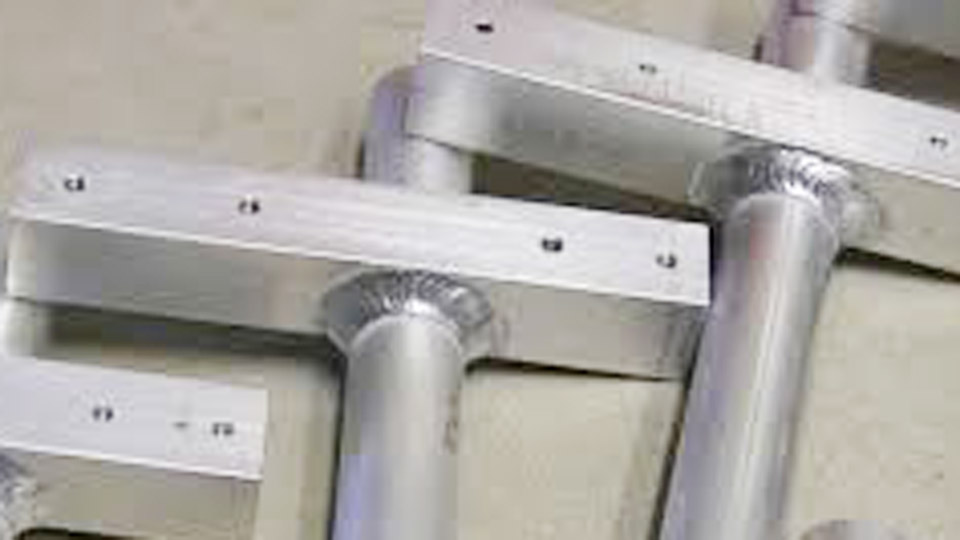
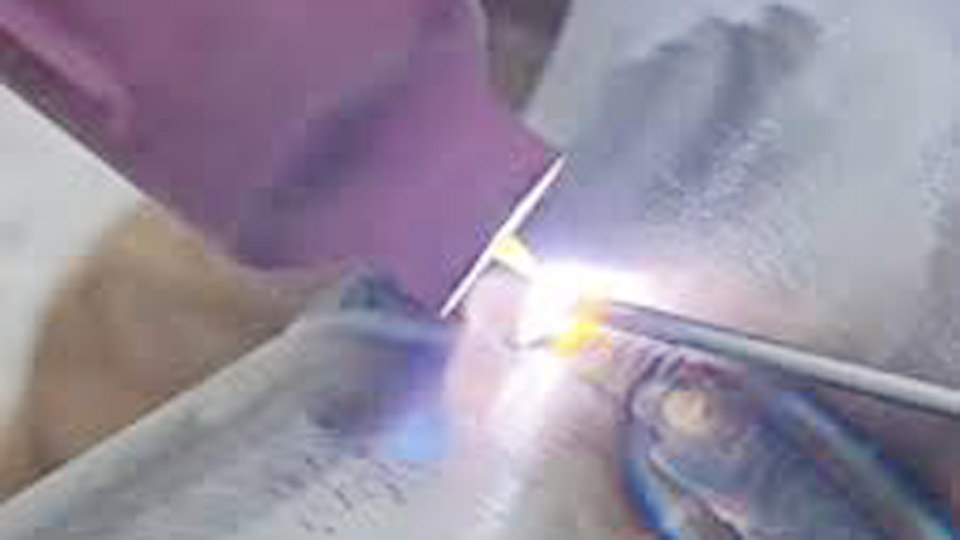
Incorrect polarity or mismatched amperage on mild steel produces immediate problems: a wandering arc that contaminates the tungsten, porosity from inadequate shielding, or burn-through on thin sections.
Learning how to set up a TIG welder for mild steel correctly eliminates those failures by locking in DCEN polarity, the right tungsten diameter, precise current, and controlled argon flow before the first arc is struck.
These parameters determine penetration depth, bead profile, and joint integrity on carbon steel ranging from 16-gauge sheet to ¼-inch plate. Proper setup also protects the tungsten from oxidation and keeps heat input within the range that avoids excessive distortion.
The following decisions deliver repeatable results on structural brackets, tubing frames, and fabrication work without trial-and-error waste.
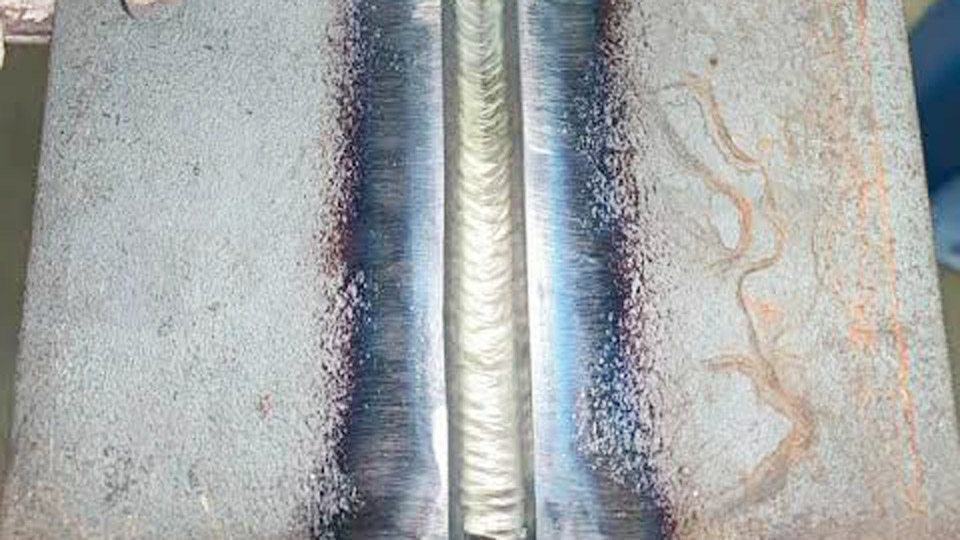
Image by fb/PRIMEWELD EQUIPMENT USERS
Selecting Polarity and Power Source Mode for Mild Steel
Mild steel requires direct current electrode negative (DCEN) to concentrate approximately 70 % of the arc heat into the workpiece. This polarity produces the deep, narrow penetration profile needed for full fusion on butt and fillet joints.
Why DCEN Is Non-Negotiable
Switch the machine to DCEN before installing the torch leads. Electrode positive (DCEP) reverses heat distribution, overheats the tungsten, and produces a wide, shallow bead with poor fusion. Confirm polarity on the front panel or remote selector; many inverters default to the last used mode and will not warn the operator of a mismatch.
Machine Output and Foot Pedal Considerations
Set the machine’s maximum amperage 15–20 % above the target working current when a foot pedal is used. This allows fine control of the puddle without hitting the upper limit mid-weld. On machines without a pedal, lock the amperage at the calculated value and rely on travel speed for heat management.
High-frequency start is preferred over lift or scratch start because it avoids tungsten contamination on clean mild steel.
Choosing and Preparing the Tungsten Electrode
Tungsten selection and tip geometry directly control arc focus and electrode life on DCEN.
Preferred Tungsten Types and Diameters
2 % lanthanated (blue band) is the current shop standard: non-radioactive, excellent arc starts, and holds a sharp point across the full current range. 2 % thoriated (red) performs equally well but carries handling restrictions in some regions. Match diameter to expected amperage:
| Tungsten Diameter | Safe DCEN Range | Typical Mild Steel Thickness |
|---|---|---|
| 1/16″ (1.6 mm) | up to 150 A | 16 ga – 1/8″ |
| 3/32″ (2.4 mm) | 100–235 A | 1/8″ – 3/16″ |
| 1/8″ (3.2 mm) | 150–325 A | 3/16″ – 1/4″+ |
Grinding Angle and Stick-Out Length
Grind the tip lengthwise to a 20–30° included angle with a dedicated tungsten grinder. A taper length of 2–2.5 times the diameter concentrates the arc.
Set stick-out equal to the tungsten diameter when using a standard collet body; a gas lens permits 1.5–2 times that length without losing gas coverage. Excess stick-out invites atmospheric contamination and arc instability.
Setting Amperage According to Thickness and Joint Type
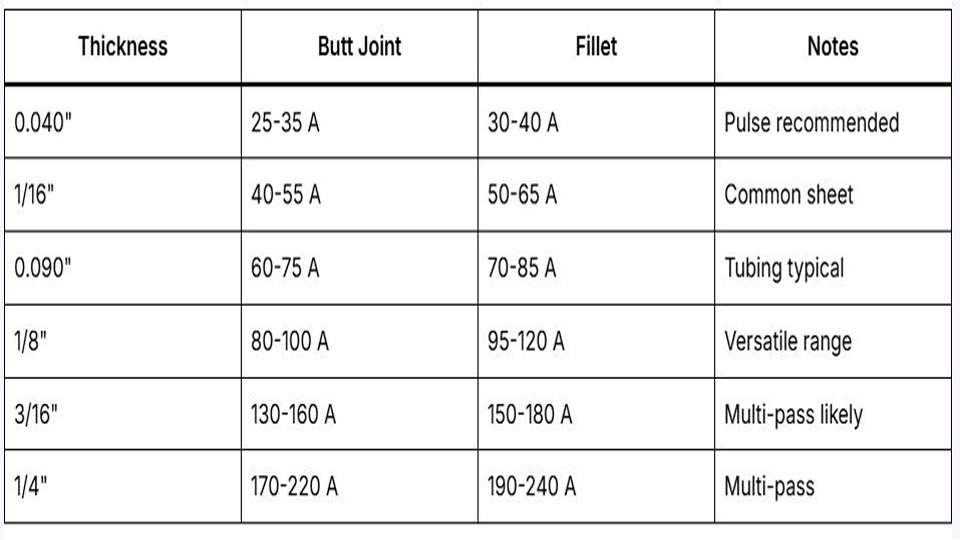
The classic rule of approximately 1 amp per 0.001 inch of thickness provides a reliable baseline on mild steel. Adjust upward for fillets and downward for open-root butts.
Baseline Amperage Chart for Mild Steel (DCEN)
| Thickness | Butt Joint (A) | Fillet Joint (A) | Typical Tungsten | Travel Speed (ipm) |
|---|---|---|---|---|
| 1/16″ (1.6 mm) | 55–80 | 65–95 | 1/16″ | 10–14 |
| 1/8″ (3.2 mm) | 100–140 | 120–160 | 3/32″ | 8–12 |
| 3/16″ (4.8 mm) | 140–180 | 160–200 | 3/32″ or 1/8″ | 6–10 |
| 1/4″ (6.4 mm) | 170–220 | 190–250 | 1/8″ | 5–8 |
Start at the middle of the range for flat position work. Vertical-up and overhead require a 10–15 % reduction to maintain puddle control. Multi-pass work on thicker plate may need a 10 A increase on subsequent layers to compensate for residual heat.
Foot Pedal Modulation Versus Fixed Amperage
With a pedal, set the machine 20 % above target and feather the current to match puddle size. Fixed-amperage machines demand consistent travel speed; too slow produces excess reinforcement and undercut, while too fast leaves incomplete fusion at the toes.
Configuring Shielding Gas, Cup, and Flow Rate
100 % argon is the only shielding gas required for mild steel. Flow rate and cup geometry determine whether the puddle stays bright or oxidizes.
Cup Size and Recommended Flow
Use a #6 or #7 cup for material up to 1/8 inch at 15–18 CFH. Step up to a #8–#10 cup and 18–25 CFH on 3/16 inch and thicker plate. A gas lens improves laminar flow, allowing lower CFH and longer stick-out while still protecting the tungsten and puddle. Excessive flow (above 30 CFH) creates turbulence that pulls air into the shield and produces porosity.
Pre-Flow and Post-Flow Timing
Set pre-flow to 0.5–1 second to purge the cup before the arc starts. Post-flow must run long enough for the tungsten to cool below oxidation temperature—typically 8–12 seconds, or roughly 1 second per 10 A of welding current. Insufficient post-flow leaves a blue or black tip that must be re-ground before the next start.
Selecting Filler Rod Diameter and Alloy
Filler diameter should match or be one size smaller than the tungsten for balanced melting rates.
ER70S-2 Versus ER70S-6
ER70S-2 contains additional deoxidizers and tolerates minor mill scale or residual contamination better than ER70S-6. Both deposit 70 ksi tensile strength matching mild steel.
Use 1/16″ rod on material up to 1/8 inch and 3/32″ or 1/8″ rod on thicker sections. Larger rod requires higher amperage to maintain fluidity and can cool the puddle too rapidly on thin stock.
Filler Addition Technique
Dip the rod into the leading edge of the puddle, never into the arc column. Maintain a consistent 15–20° torch angle and keep the arc length equal to the tungsten diameter. Long arcs widen the bead, increase heat input, and raise the risk of porosity.
Torch Assembly and Machine Controls That Affect Arc Quality
Proper assembly prevents the majority of start-up defects.
Collet, Collet Body, and Gas Lens Installation
Tighten the back cap only enough to secure the tungsten; over-tightening cracks the ceramic. A gas lens replaces the standard collet body and produces a wider, more laminar gas stream. Install the correct size collet for the chosen tungsten diameter—mismatched collets allow the electrode to wander and contaminate the weld.
Advanced Controls: Pulse, Upslope, and Downslope
On thin mild steel (under 1/8 inch), pulse at 1–4 Hz with 40–60 % background current reduces average heat input while maintaining penetration.
Upslope of 0.5–1 second softens the initial arc; downslope of 2–4 seconds fills the crater and prevents cracking on high-restraint joints. These controls are secondary to correct amperage and gas coverage but become decisive on precision work.
Joint Preparation Requirements Specific to TIG Mild Steel
TIG is intolerant of surface contamination. Mill scale, oil, paint, and rust must be removed to bright metal with a dedicated stainless brush or grinder. Bevel edges on material thicker than 1/8 inch to a 30–37.5° included angle with a 1/16–3/32 inch root face.
Fit-up gaps larger than 1/16 inch demand higher amperage or multiple passes and increase distortion risk. Clean both faces of the joint and the filler rod itself immediately before welding.
Wrapping Up
Correct setup converts a TIG machine from a source of frustration into a precision tool. Match DCEN polarity, tungsten size, and amperage to thickness first; then lock gas flow and post-flow to protect the arc. Once those four variables are stable, travel speed and filler technique become the only remaining adjustments.
Advanced operators further refine results by combining short-arc technique with deliberate pulse modulation on thin sections, preserving mechanical properties while eliminating the heat-affected-zone softening that occurs with continuous high-current welding.
FAQs
What amperage should I use for 1/8 inch mild steel TIG?
Start at 110–140 A on DCEN for a butt joint. Raise 15–20 A for fillets and drop 10 % for vertical-up work.
What tungsten is best for TIG welding mild steel?
2 % lanthanated (blue) or 2 % thoriated (red). Use 3/32″ diameter for most 1/8–3/16 inch work.
How much argon flow is needed for mild steel TIG?
15–20 CFH with a #6–#8 cup covers the majority of shop conditions. Increase to 20–25 CFH with a larger cup on thicker plate or in drafty areas.
Do I need a gas lens for mild steel TIG welding?
A gas lens is not mandatory but improves shielding consistency, allows longer stick-out, and reduces porosity risk on critical joints.