Welding is an essential skill for repairing, building, or creating metal projects. Most guides recommend using a welding table for safety, stability, and convenience.
But what if you do not have a welding table? Many hobbyists, beginners, and even professionals often need to weld without this specialized equipment.
If you’re in this situation, you may feel limited or worried about safety and quality. The truth is, you can weld effectively without a welding table, as long as you follow the right steps and use smart alternatives.
In this guide, you’ll learn practical ways to weld without a table, including how to set up your workspace, what tools to use, safety tips, and real-world examples.
Whether you want to fix a gate, build a small frame, or start learning welding at home, this article will help you get started safely and confidently.
Understanding The Role Of A Welding Table
Before discussing alternatives, it’s important to understand why a welding table is so popular. A welding table offers a flat, heat-resistant surface where you can clamp, position, and weld metal pieces. It helps with:
- Stability: Prevents movement during welding
- Safety: Reduces fire risk and electrical hazards
- Grounding: Makes it easier to connect the welder
- Convenience: Allows for easy clamping and layout
Without a welding table, you need to find new ways to achieve these benefits using other tools and setups. This is possible, but it takes extra planning and creativity.
Choosing The Right Surface For Welding
The first step is to pick a safe and suitable surface for your welding work. You need a place that can handle heat, sparks, and heavy materials. Here are practical alternatives:
Steel Plate Or Sheet
A thick steel plate is one of the best substitutes. Place the plate on bricks, concrete blocks, or a strong stand. Steel resists heat and won’t catch fire.
- Minimum thickness: 1/4 inch (6mm) for small projects
- Size: At least 2×3 feet (60x90cm) for basic tasks
Concrete Floor
You can weld on a concrete floor, but keep these points in mind:
- Clean the area to remove flammable items
- Use a steel sheet or plate to protect the floor from burns
- Avoid welding directly on bare concrete, as it may crack from heat
Heavy Workbench
A workbench made from metal or covered with a steel plate can be used. Avoid wooden benches unless you add a thick steel sheet on top.
Outdoor Options
Welding outdoors can help with ventilation, but you must protect against wind and moisture.
- Place a steel plate on bricks or blocks
- Avoid grass, soil, or flammable surfaces
Comparison Table: Welding Surface Options
Here’s a quick comparison of common welding surfaces:
| Surface | Heat Resistance | Stability | Safety | Cost |
|---|---|---|---|---|
| Steel Plate | Excellent | Good | High | Medium |
| Concrete Floor | Very Good | High | Medium | Low |
| Heavy Workbench | Good | Good | Medium | Medium |
| Outdoor Ground | Medium | Variable | Low | Low |
Essential Tools For Welding Without A Table
Lack of a welding table means you need extra tools to secure and position your materials. Some key tools include:
Welding Clamps
Clamps are critical for holding metal pieces in place. Try these types:
- C-clamps: Good for small parts
- Locking pliers (Vise-Grip): Fast and strong
- Magnetic clamps: Useful for holding at 90-degree angles
Angle Brackets
Use angle brackets to keep your metal at the desired angle, especially for frames or corners.
Fireproof Mat
A fireproof welding mat can protect your floor and catch sparks. It’s worth investing in for safety.
Ground Clamp
Ensure your welder’s ground clamp connects securely to the metal or steel plate. This reduces electrical hazards.
Portable Work Stand
A portable stand (like saw horses) can lift your work off the ground, making welding easier and safer. Place a steel sheet on top for stability.
Measurement Tools
Accurate measuring is harder without a table. Keep a tape measure, square, and level handy.
Comparison Table: Tools For Welding Without A Table
Here’s how common tools compare in usefulness:
| Tool | Purpose | Ease of Use | Price |
|---|---|---|---|
| Clamps | Hold materials | Easy | Low |
| Magnetic Clamps | Hold at angles | Medium | Medium |
| Angle Brackets | Position corners | Easy | Low |
| Fireproof Mat | Protect surface | Easy | Medium |
| Portable Stand | Elevate work | Medium | Medium |
Setting Up Your Workspace
A well-planned workspace makes welding safer and more effective. Here are key steps:
- Clear the Area: Remove flammable materials, liquids, and clutter. Sweep the floor for dust or debris.
- Ventilation: If indoors, open windows or use fans. Welding produces fumes that can be harmful.
- Lighting: Good lighting helps you see your welds. Use bright lamps but avoid placing them too close to the welding arc.
- Positioning: Place your steel plate or work surface on bricks or blocks at a comfortable height.
- Fire Safety: Keep a fire extinguisher nearby. Never weld near gasoline, paint, or chemicals.
- Electrical Safety: Check that your welder is plugged into a grounded outlet. Avoid extension cords if possible.
Practical Example
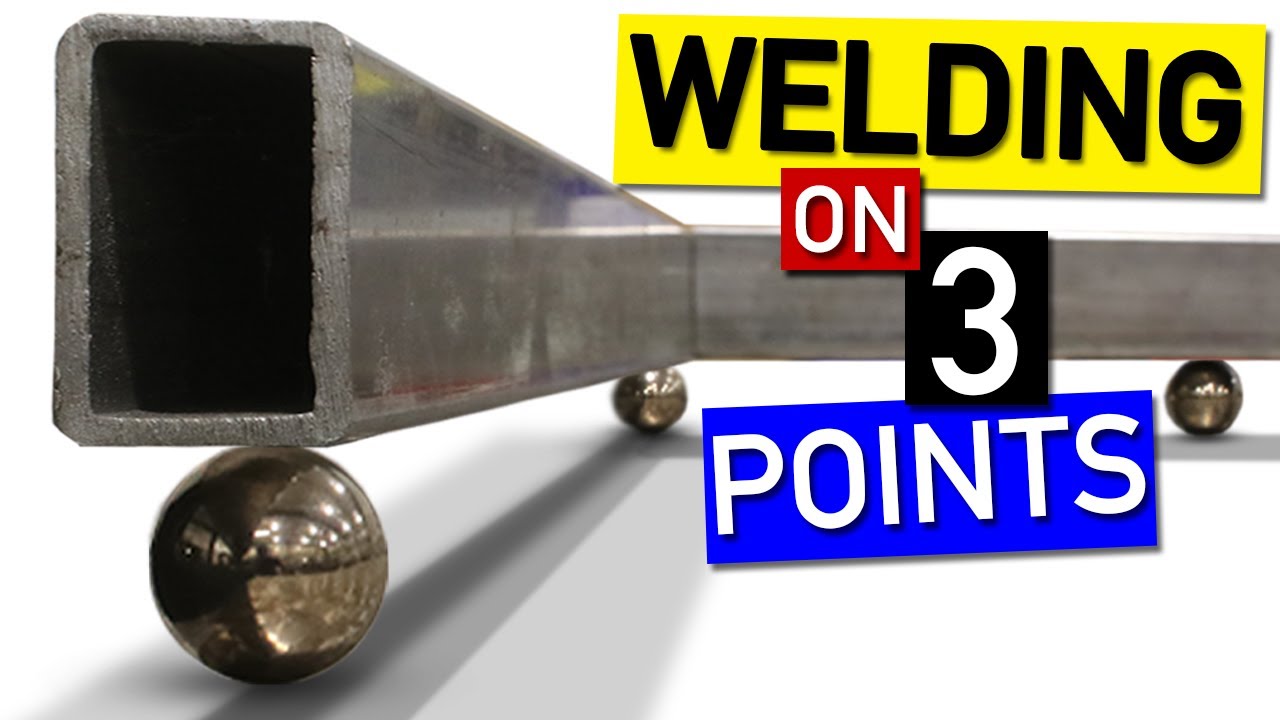
If you’re welding a small frame, use two saw horses, place a steel plate on top, and clamp your metal pieces. This setup gives you a stable, fire-safe surface that’s easy to adjust.
Credit: www.youtube.com
Positioning Metal Without A Table
Positioning is one of the hardest parts of welding without a table. You need to keep your metal steady, aligned, and at the right angle. Here’s how:
Using Clamps And Brackets
Clamp your metal pieces to the steel plate or workbench. Use angle brackets to hold corners. Magnetic clamps are helpful for keeping parts at 90 degrees.
Tack Welding
Tack welds are small welds that temporarily hold pieces together. Make a few tack welds before doing the full weld. This prevents movement and mistakes.
Lay-out On Floor
For large projects, lay your metal directly on the floor (with a steel plate underneath). Mark your layout with chalk or tape. Double-check measurements before welding.
Hanging Method
For odd-shaped pieces, hang them from a strong hook or chain. This lets you weld in the air, but you must be careful with stability.
Common Mistakes
- Skipping tack welds: Leads to misalignment
- Weak clamping: Causes pieces to shift
- Not checking angles: Results in crooked frames
Safety Tips For Welding Without A Table
Safety is even more important when you don’t have a welding table. Here are practical tips:
- Wear Protective Gear: Always use a welding helmet, gloves, and jacket. Sparks and UV light can cause burns and injuries.
- Protect the Floor: Use a fireproof mat or steel plate to catch sparks.
- Ventilate: Welding fumes are dangerous. Work outside if possible, or use fans and open windows.
- Check Grounding: Make sure the ground clamp connects well to your work. Poor grounding can cause electrical shocks.
- Keep Water Away: Never weld near water or in wet conditions. Electricity and water are a dangerous mix.
- Have Emergency Tools Ready: Keep a fire extinguisher, first aid kit, and phone nearby.
Non-obvious Insight
Many beginners forget that sparks can travel several feet. Always check the area around your workspace for flammable materials, not just under the weld.
Welding Techniques Without A Table
Your welding technique may need to change when working without a table. Here are helpful methods:
Stick Welding (smaw)
Stick welding works well on rough or uneven surfaces. It does not need a perfect ground or stable table.
- Pros: Handles dirty or rusty metal
- Cons: More splatter, harder to control
Mig Welding (gmaw)
MIG welding is easy to use and fast, but requires a good ground connection. Make sure your ground clamp is secure.
- Pros: Clean welds, fast
- Cons: Needs stable positioning
Tig Welding (gtaw)
TIG welding is precise but harder without a table. Use extra clamps and take your time.
- Pros: High-quality welds
- Cons: Slow, needs steady hands
Comparison Table: Welding Methods Without A Table
| Method | Best For | Difficulty | Notes |
|---|---|---|---|
| Stick Welding | Rough surfaces | Medium | Good for outdoor |
| MIG Welding | Clean surfaces | Easy | Needs solid ground |
| TIG Welding | Precise work | Hard | Requires steady support |
Practical Tip
If you’re welding thin metal, use MIG or TIG for better control. For thicker, dirty metal, stick welding is more forgiving.
Real-world Examples And Success Stories
Many welders have learned to work without a table and still produce quality results. Here are a few examples:
Home Repairs
A homeowner fixes a broken gate by placing the parts on a steel plate on his driveway. He uses magnetic clamps to hold the pieces and tack welds before finishing.
Automotive Work
A car enthusiast repairs an exhaust pipe by clamping it to a steel sheet laid over bricks. He uses MIG welding and keeps a fireproof mat underneath.
Art Projects
A metal artist builds a sculpture outdoors, using saw horses and a steel plate. She uses TIG welding for precision and clamps for stability.
Professional Welders
Some professionals use portable welding stands and heavy plates for fieldwork, especially when repairing fences or structures away from the shop.
Non-obvious Insight
Professionals often carry a small steel plate (18×24 inches) to job sites. This simple tool replaces a welding table and provides grounding and fire safety.
Dealing With Common Challenges
Welding without a table creates new challenges. Here’s how to handle them:
Warping
Heat can cause metal to bend or warp. To prevent this:
- Weld in short sections
- Use tack welds first
- Let the metal cool between welds
Messy Welds
Without a stable table, your welds may look messy. Improve quality by:
- Clamping tightly
- Using proper technique
- Cleaning the metal before welding
Poor Grounding
If your ground clamp slips, your welder may not work well. Attach the clamp to a clean, thick part of the metal or steel plate.
Inaccurate Angles
Without a table, getting the right angle is harder. Use magnetic clamps and check with a square before welding.
Fatigue
Working on the floor or awkward surfaces can cause back pain. Take breaks and use portable stands to raise your work.
When To Build Or Buy A Welding Table
If you weld often or do complex projects, consider making or buying a welding table. Here are signs you need one:
- You struggle with positioning or stability
- Your projects are large or heavy
- You want to improve quality and safety
A basic welding table costs $100–$300. Building one yourself can be cheaper if you have the tools.
Wrapping Up
Welding without a table is possible and can be safe if you use the right tools and methods. With careful setup, strong clamps, and fire safety, you can complete repairs and projects at home or on the job. Remember to pay attention to positioning, ventilation, and grounding.
If you weld often, consider investing in a welding table for long-term benefits. For now, use these practical solutions to get the job done confidently.
Frequently Asked Questions
Can I Weld On A Wooden Surface?
No. Wood is flammable and dangerous. Only weld on steel, concrete, or fireproof surfaces.
How Do I Ground My Welder Without A Table?
Attach the ground clamp to a clean part of the metal you’re welding or to a steel plate under your project.
Is It Safe To Weld Outside Without A Table?
Yes, but protect your work from wind, moisture, and flammable materials. Use a steel plate and keep safety tools nearby.
What Is The Best Clamp For Welding Without A Table?
Magnetic clamps and locking pliers are very effective. Use multiple clamps for stability.
How Can I Prevent Warping When Welding On The Floor?
Use tack welds, weld in short sections, and let the metal cool between welds. Clamp tightly to keep pieces in place.