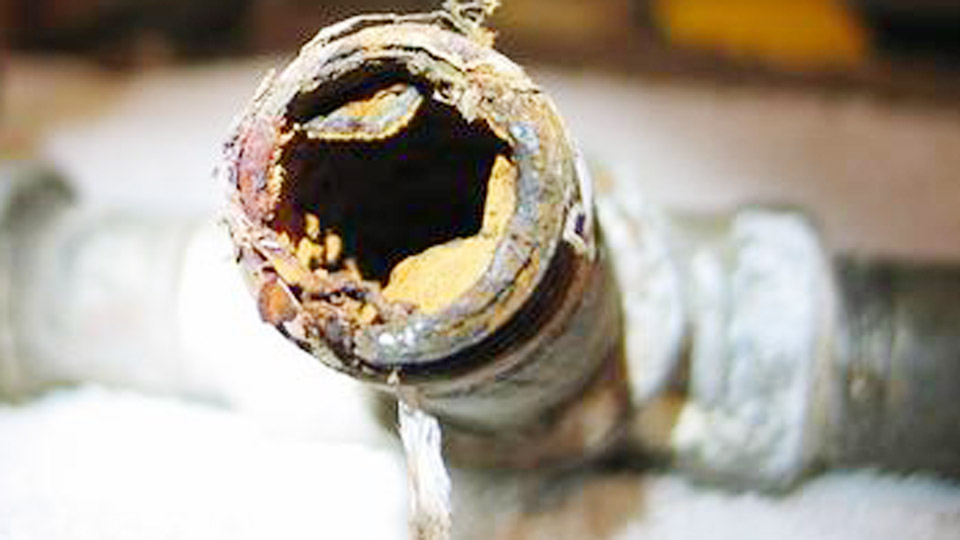
Rusty mill scale or surface oxide on mild steel stock creates immediate welding problems: incomplete fusion, porosity, and weak toes that fail under load. Many hobbyists and fabricators reach for household white vinegar as a low-cost chemical option when grinders or commercial rust converters are unavailable.
Understanding exactly how to remove rust from metal at home with vinegar matters because acetic acid dissolves iron oxide effectively on light-to-moderate contamination, yet prolonged exposure etches the base metal and residual acid interferes with low-hydrogen electrodes.
Correct concentration, soak time, neutralization, and drying determine whether the cleaned surface supports a sound weld or introduces new defects. This guide focuses on the practical decisions welders face when preparing plate, tube, or scrap with vinegar.
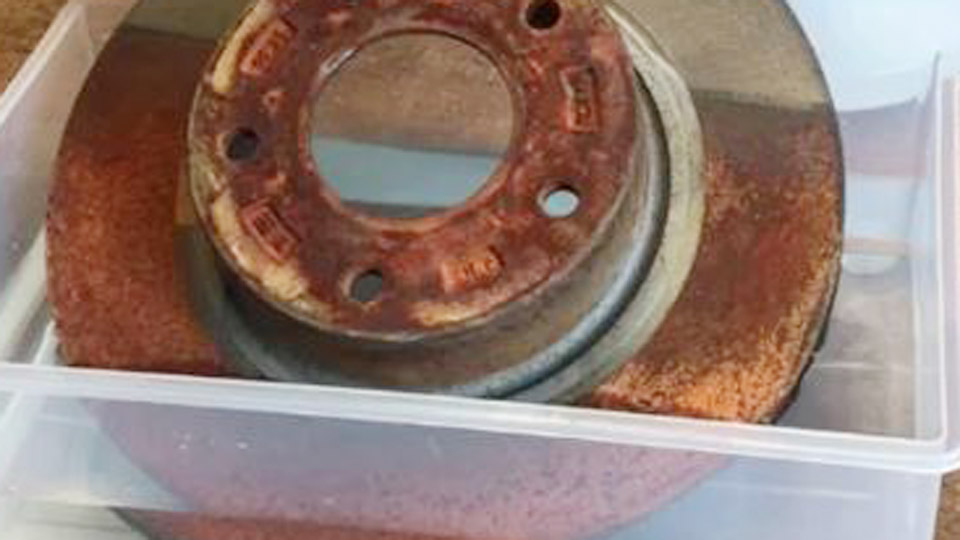
Image by baetro-machining
When Vinegar Outperforms Mechanical Cleaning Alone
Vinegar works best on surface rust and light scale that a wire brush struggles to reach in tight corners or internal surfaces.
Surface Rust Versus Deep Pitting
Thin orange film or uniform red scale responds well to acetic acid. Deep pitting leaves residual oxides in the bottom of the pits; vinegar loosens the surrounding scale but cannot restore metal thickness. On structural members or pressure-retaining parts, pitted areas still require grinding to sound metal after the chemical step.
Shop Constraints That Favor Vinegar
No power tools, limited ventilation, or small parts that are awkward to grind make immersion practical. Tube interiors, threaded fasteners, and complex brackets soak evenly. Large flat plate is usually faster with a flap disc once surface rust is softened.
Choosing the Right Vinegar Concentration and Solution
Household white distilled vinegar contains approximately 5 % acetic acid. Cleaning vinegar is often 6 %. Both dissolve Fe₂O₃; higher percentages accelerate the reaction and increase the risk of etching clean steel.
Undiluted Versus Diluted Baths
Use undiluted 5 % vinegar for moderate rust. A 1:1 water dilution slows the attack and is safer for thin sheet or parts that must retain original dimensions. Adding table salt (sodium chloride) increases conductivity and speeds the reaction slightly but also raises the chance of flash rust after rinsing if neutralization is incomplete.
White Distilled Versus Apple Cider Vinegar
White distilled vinegar is preferred. Apple cider vinegar contains residual sugars and organic matter that leave sticky films and complicate neutralization. Cost and availability further favor the clear distilled product.
Soak Duration Decisions by Rust Severity
Soak time is the primary control variable. Over-soaking etches the base metal and produces a dark gray surface that still requires mechanical finishing.
Light Surface Film
Thirty to ninety minutes in undiluted vinegar usually lifts thin oxide. Check every 15–20 minutes. Agitation or light scrubbing with a nylon brush accelerates removal without aggressive abrasion.
Moderate Scale and Spot Rust
Twelve to twenty-four hours is typical. Replace the bath if it becomes heavily discolored and the reaction slows. Parts should be fully submerged; exposed areas continue to oxidize in air.
Heavy or Aged Rust Layers
Vinegar alone rarely finishes the job within a practical time. After 24–48 hours the loosened scale can be brushed away, but remaining oxides in pits still need wire-wheel or abrasive treatment. Extended soaks beyond 48 hours begin to dissolve sound metal and are rarely justified for welding stock.
Neutralization and Post-Treatment Required for Welding
Residual acetic acid left on the surface causes porosity and hydrogen-related issues, especially under 7018 or other low-hydrogen electrodes.
Baking-Soda Neutralization Step
Immediately after removal from the vinegar bath, rinse with clean water, then immerse or scrub with a solution of 2–4 tablespoons baking soda per liter of water. The mild alkaline solution converts remaining acid to sodium acetate and water. Continue until bubbling stops. A second plain-water rinse follows.
Drying and Immediate Protection
Force-dry with compressed air or clean rags. Residual moisture triggers flash rust within minutes. For parts that will not be welded the same day, apply a light coat of weldable primer or oil. Bare steel prepared this way should go under the arc within a few hours whenever possible.
Combining Vinegar with Mechanical Action for Better Weld Prep
Chemical loosening followed by mechanical cleaning produces a cleaner surface than either method alone.
Wire Brush or Steel Wool After Soaking
Once the scale is soft, a stainless or carbon-steel wire brush removes the loosened oxides rapidly. Steel wool works on intricate surfaces but leaves fine particles that must be wiped away. Avoid contaminating stainless base metal with carbon-steel brushes.
Final Abrasive Pass Before Welding
Even after successful vinegar treatment, a light pass with 80–120 grit flap disc or clean wire wheel removes any remaining oxide film and exposes bright metal. This step is especially important for open-root or high-restraint joints where incomplete fusion is costly.
Limitations That Force a Different Approach
Vinegar is not universal. Recognizing its boundaries prevents wasted time and compromised welds.
Thick Mill Scale and Hot-Rolled Plate
Heavy mill scale resists acetic acid. Mechanical removal with a grinder or sandblast remains the primary method; vinegar may only clean secondary surface rust after the bulk scale is gone.
Critical Structural or Code Work
AWS and most WPS requirements demand clean, oxide-free surfaces. Vinegar can be an intermediate step, but final inspection and mechanical cleaning to bright metal are still required. Residual organic films or incomplete neutralization can fail dye-penetrant or radiographic inspection.
Aluminum, Stainless, and Galvanized Surfaces
Vinegar attacks zinc coatings rapidly and can etch stainless under prolonged contact. It is unsuitable for these materials when dimensional integrity or passive films must be preserved.
Practical Workflow for Typical DIY and Shop Parts
A repeatable sequence keeps results consistent.
- Degrease the part first so the acid contacts the oxide rather than oil.
- Submerge fully in undiluted white vinegar.
- Check progress at intervals matched to expected rust severity.
- Remove, neutralize with baking-soda solution, rinse, and dry thoroughly.
- Wire-brush or lightly grind to bright metal.
- Weld or protect within the same work period.
For tubular or boxed sections, ensure complete drainage and drying of internal surfaces; trapped moisture or residual acid will continue corrosion after the part is closed.
Comparison to Other Home and Shop Rust-Removal Options
Vinegar sits between pure mechanical cleaning and stronger chemical or electrochemical methods.
Phosphoric-Acid Converters
Commercial phosphoric products convert rust to iron phosphate and leave a paintable surface. They are faster on moderate rust but introduce phosphorus that some weld procedures restrict. Vinegar leaves no phosphate layer and is fully rinsed away.
Electrolysis
A sacrificial anode and sodium-carbonate electrolyte remove rust without etching base metal as aggressively. Setup time and equipment make it less convenient for small one-off parts that vinegar handles in a bucket.
Citric Acid
Citric acid solutions often outperform acetic acid on stubborn scale and produce less etching in controlled tests. Availability and cost are higher for most home users; vinegar remains the default household option.
Wrapping Up
Choosing vinegar for light-to-moderate rust on mild-steel welding stock is a practical decision when the part geometry favors immersion and the operator follows neutralization and drying steps rigorously. For heavy scale, deep pitting, or code-critical joints, mechanical cleaning to bright metal remains the controlling step; vinegar serves only as a useful assist.
Advanced operators further reduce hydrogen risk by verifying the cleaned surface is completely dry and free of residual films before striking an arc with low-hydrogen electrodes, especially on restrained or multi-pass joints where moisture-related cracking is least tolerable.
FAQs
How long should I soak rusty metal in vinegar before welding?
Light surface rust needs 30–90 minutes; moderate scale typically requires 12–24 hours. Check progress regularly and stop once the oxide lifts easily with a brush.
Do I need to neutralize vinegar before welding?
Yes. Rinse, then treat with a baking-soda solution until bubbling stops, rinse again, and dry completely. Residual acid increases porosity risk, especially with 7018 electrodes.
Can vinegar remove heavy mill scale from hot-rolled steel?
No. Vinegar softens surface rust but does not remove thick mill scale efficiently. Grind or blast the bulk scale first, then use vinegar only for residual light oxide if needed.
Is white vinegar better than apple cider vinegar for rust removal?
Yes. White distilled vinegar (5 %) is cleaner, cheaper, and leaves fewer organic residues that complicate neutralization and welding.