Paint that peels in sheets within a year is the usual result when a rusted galvanized metal roof receives ordinary exterior paint without proper surface treatment. The zinc coating and residual iron oxide create adhesion failures that standard latex or oil-based products cannot overcome.
Learning how to paint rusted galvanized metal roof surfaces correctly determines whether the coating lasts 10–15 years or fails after the first freeze-thaw cycle.
Correct preparation, primer chemistry matched to zinc and rust, and a compatible topcoat stop further corrosion, restore appearance, and protect the underlying steel. Skipping any of these steps leaves active oxidation under the film and guarantees early delamination.
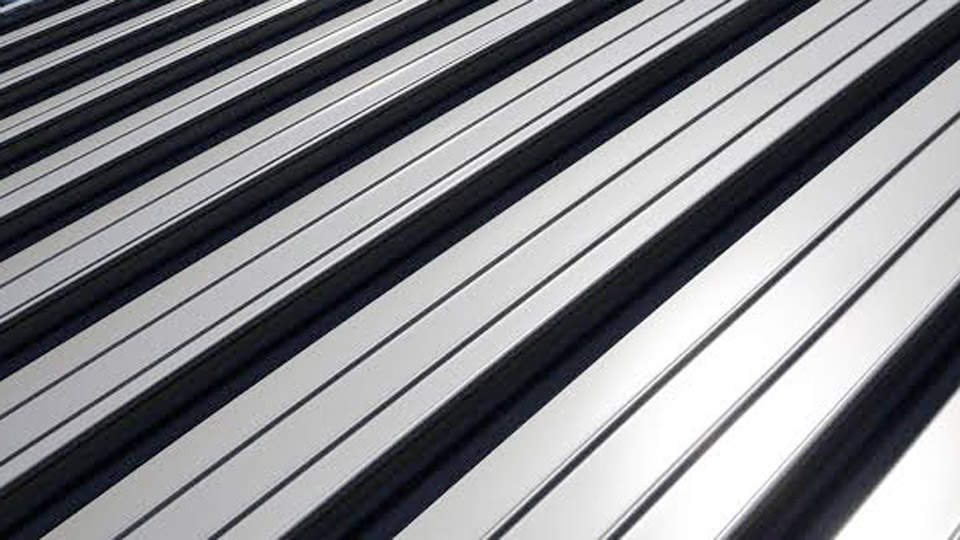
Image by eaglerivet
When Painting Makes Sense Versus Panel Replacement
Surface rust on intact panels can be stabilized and coated. Structural failure cannot.
Evaluating Rust Depth and Panel Integrity
Walk the roof safely and examine both faces of panels where accessible. Surface rust appears as orange or red scale that brushes away, leaving metal of full thickness. Deep pitting, pinholes, or areas where a screwdriver point easily penetrates signal section loss.
Replace any panel with perforations or widespread thinning before coating. Fastener holes that have elongated or pulled through also require repair or panel replacement; paint will not restore mechanical strength.
Checking Seams, Flashings, and Drainage
Failed side-laps, end-laps, and flashing junctions allow water entry that accelerates under-film corrosion even after coating. Tighten or replace screws with compatible gasketed fasteners.
Reseal open seams with a sealant rated for the metal and the intended coating system. Confirm that the roof drains freely; standing water defeats any paint system regardless of chemistry.
Surface Preparation Requirements for Galvanized Steel with Rust
Preparation quality controls adhesion more than the brand of paint.
Cleaning Contaminants and Zinc Oxidation
Remove leaves, dirt, and biological growth with a stiff non-metallic brush or low-pressure wash (1,200–2,000 psi maximum on a wide fan tip to avoid driving water under laps).
Degrease with a mild alkaline cleaner or TSP substitute, then rinse thoroughly. White rust—powdery zinc oxide or hydroxide—must also be removed; it prevents primer bonding.
A dilute white-vinegar solution or manufacturer-approved galvanized cleaner followed by a complete rinse often suffices on weathered surfaces. Allow the roof to dry completely, including shaded laps and fastener heads.
Mechanical Removal of Loose Rust and Scale
Use hand tools (SSPC-SP2) or power tools (SSPC-SP3) to remove all loose rust, scale, and failing paint down to tightly adherent material. Avoid aggressive grinding that strips sound zinc coating from adjacent areas.
Feather edges of remaining coatings so no sharp steps remain. Prime bare or rusted steel the same day it is cleaned; overnight exposure produces flash rust that must be re-cleaned.
Role of Rust Converters on Remaining Oxide
After mechanical cleaning, residual tight rust can be treated with a rust converter that chemically converts iron oxide into a stable, paintable compound (often black).
Apply only to the oxidized spots, allow full cure per label (commonly 24 hours), and confirm the surface is dry and free of residue before priming. Converters are not a substitute for removing loose material or for a proper primer on widespread corrosion.
Primer Selection for Zinc and Rusted Steel
Primer chemistry must address both the alkaline zinc surface and any remaining iron oxide.
Why Alkyd and Oil-Based Primers Fail on Galvanized Metal
Zinc reacts with the fatty acids in alkyd and oil-based binders, forming a soft soap layer at the interface. The result is widespread peeling, often within months. Avoid any primer or topcoat whose data sheet lists alkyd, oil, or “oil-modified” chemistry on galvanized steel.
Acrylic Bonding Primers and Direct-to-Metal Options
Water-based acrylic bonding primers formulated for galvanized metal provide the necessary adhesion without saponification risk.
Products designed as DTM (direct-to-metal) acrylics can serve as both primer and intermediate coat on properly cleaned surfaces. Apply at the manufacturer’s specified film thickness; thin coats leave holidays that allow moisture penetration.
Zinc-Rich and Rust-Inhibitive Primers for Bare Steel
On areas where zinc has been completely lost and steel is exposed, a zinc-rich primer (high metallic zinc content) supplies sacrificial cathodic protection. Rust-inhibitive primers containing corrosion inhibitors also work when the surface has been cleaned to SP2 or SP3.
Spot-prime these areas first, then apply a full-coat bonding primer if the system requires it. Match the primer to the topcoat chemistry; some zinc-rich products demand specific recoat windows or intermediate coats.
Topcoat Choices That Survive Roof Exposure
The finish coat must remain flexible under thermal cycling and resist UV and moisture.
100% Acrylic Latex and DTM Acrylic Systems
These remain the most practical choice for residential and light-commercial galvanized roofs. They expand and contract with the metal, resist chalking, and clean up with water. Two full coats over the appropriate primer deliver the required dry-film thickness. Choose products explicitly labeled for metal roofs or exterior metal.
Elastomeric Coatings for Additional Waterproofing
Thick elastomeric roof coatings bridge minor cracks and provide higher water resistance on low-slope sections. They require a compatible primer and careful attention to film thickness; excessive build on steep slopes can sag. Confirm the product is rated for the roof pitch and for application over the chosen primer.
When Epoxy or Polyurethane Systems Are Justified
Severe industrial exposure or heavily pitted surfaces may warrant a two-component epoxy primer followed by a polyurethane topcoat. These systems offer superior chemical and abrasion resistance but demand precise mixing, temperature control, and often professional application. They are rarely the first choice for ordinary residential galvanized roofs.
Application Conditions and Technique That Determine Longevity
Correct materials fail if applied under the wrong conditions or at incorrect film thickness.
Temperature, Humidity, and Surface Moisture Limits
Most acrylic systems require surface and air temperatures above 50 °F (10 °C) and rising, with relative humidity low enough that the surface remains at least 5 °F above the dew point.
Avoid painting in direct intense sun that drives the surface temperature above the product’s maximum; the film can skin over and trap solvent or water. Do not apply if rain is expected within the manufacturer’s stated cure window.
Film Thickness, Recoat Windows, and Coverage Sequence
Follow the data sheet for wet and dry film thickness. Two thin, uniform coats outperform one heavy coat. Maintain the stated recoat window; painting too soon can cause solvent entrapment, while waiting too long may require scuff-sanding for intercoat adhesion.
Work from the ridge downward on slopes, coating fasteners, seams, and edges thoroughly. Use brushes for detail work and rollers or airless spray for large panel areas, adjusting technique to the corrugation profile so material reaches the valleys without excessive buildup on the crowns.
Coating System Selection by Rust Severity
| Rust Condition | Preparation Standard | Primer Approach | Topcoat Recommendation |
|---|---|---|---|
| Light surface rust, sound panels | SP2 hand-tool clean + clean | Acrylic bonding primer (full or spot) | 100% acrylic DTM, two coats |
| Moderate rust with pitting | SP3 power-tool + converter | Zinc-rich or rust-inhibitive + bonding | Acrylic or light elastomeric |
| Widespread rust, intact panels | SP3 + full conversion/priming | Zinc-rich or high-build epoxy primer | Elastomeric or polyurethane |
| Perforations or section loss | Replace panels first | Treat new edges and fasteners | Match existing system |
Long-Term Performance Factors Beyond the Initial Coat
Even a correctly applied system requires periodic inspection. Check fasteners, seams, and high-wear areas annually. Touch up any mechanical damage promptly with the same primer and topcoat system. Keep gutters and valleys clear so water does not pond against the coating edge.
UV degradation and thermal movement eventually thin the film; plan for recoating on a 10–15 year cycle for acrylic systems under typical exposure.
Wrapping Up
Selecting the right combination of mechanical cleaning, zinc-compatible primer, and flexible acrylic or elastomeric topcoat converts a failing rusted galvanized roof into a serviceable surface again.
The decisive technical choice is matching primer chemistry to both the remaining zinc and any exposed steel while rejecting alkyd products that react with the substrate.
When the surface is cleaned to a stable condition, primed the same day, and coated under proper weather windows, the system delivers the full expected service life rather than early peeling.
FAQs
Can you paint directly over rust on a galvanized metal roof?
No. Loose rust must be removed mechanically and remaining oxide treated with a converter or inhibitive primer. Painting over active loose rust traps moisture and causes rapid blistering and failure.
What primer works best on rusted galvanized steel?
An acrylic bonding primer formulated for galvanized metal, combined with a zinc-rich or rust-inhibitive primer on any bare steel. Avoid all alkyd and oil-based primers.
How long should a properly painted galvanized metal roof last?
A correctly prepared and coated acrylic system typically provides 10–15 years of service before recoating is needed under normal exposure. Severe climates or incomplete prep shorten that interval.
Do I need to etch new or shiny galvanized roofing before painting?
Yes. New galvanized surfaces often carry oils or a passivation layer. Clean thoroughly and use a vinegar wash, mordant solution, or manufacturer-specified pretreatment so the primer can bond.