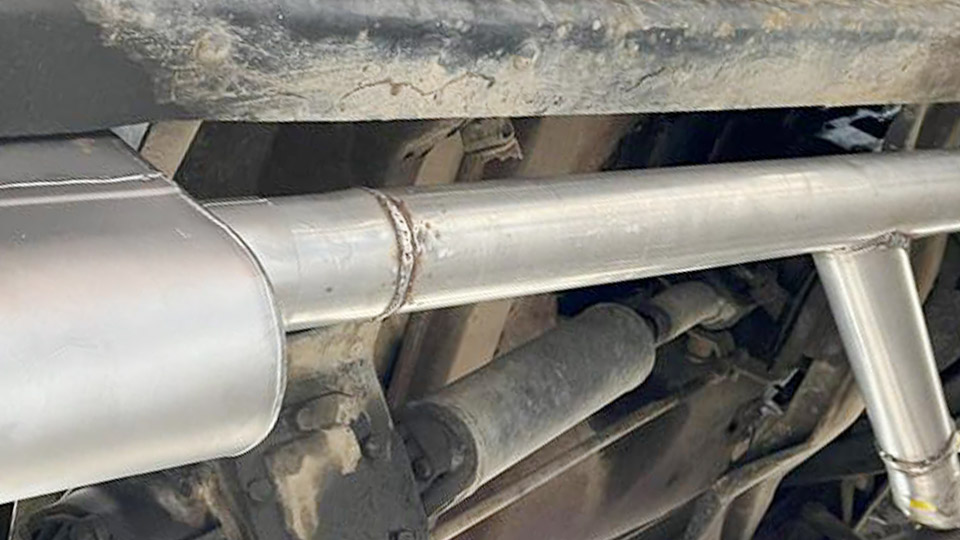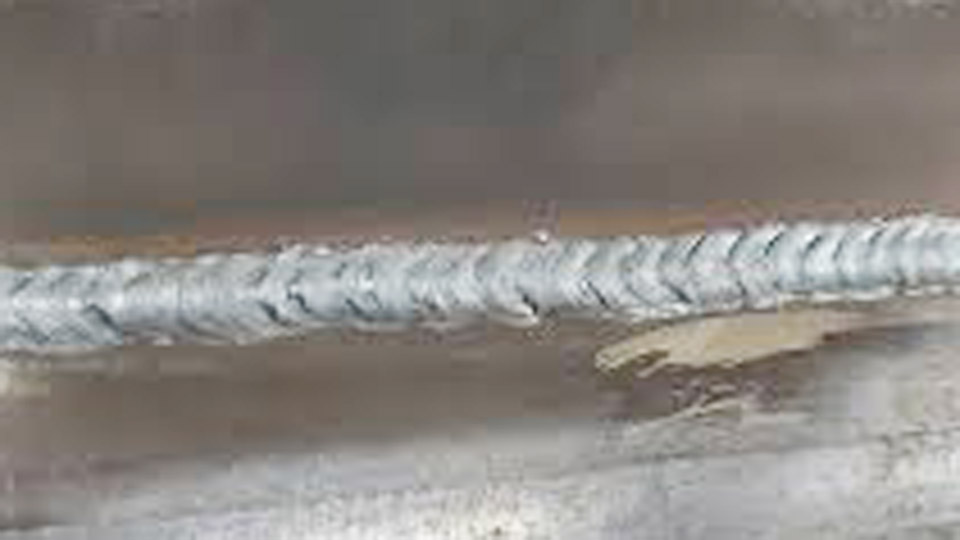
Welders frequently encounter a frustrating issue: strong joints on galvanized steel that begin rusting weeks or months later around the weld zone. The heat from the arc vaporizes the zinc coating, exposing bare steel that corrodes rapidly when moisture and oxygen combine.
Learning how to protect galvanized metal from rust is essential for maintaining structural integrity and corrosion resistance in outdoor projects, trailers, fencing, and fabrication work.
Proper pre-weld preparation, controlled welding parameters, and effective post-weld restoration restore cathodic protection and barrier properties comparable to the original galvanizing.
I’ll discuss the technical decisions and real-world methods professionals and serious hobbyists use to prevent premature failure.
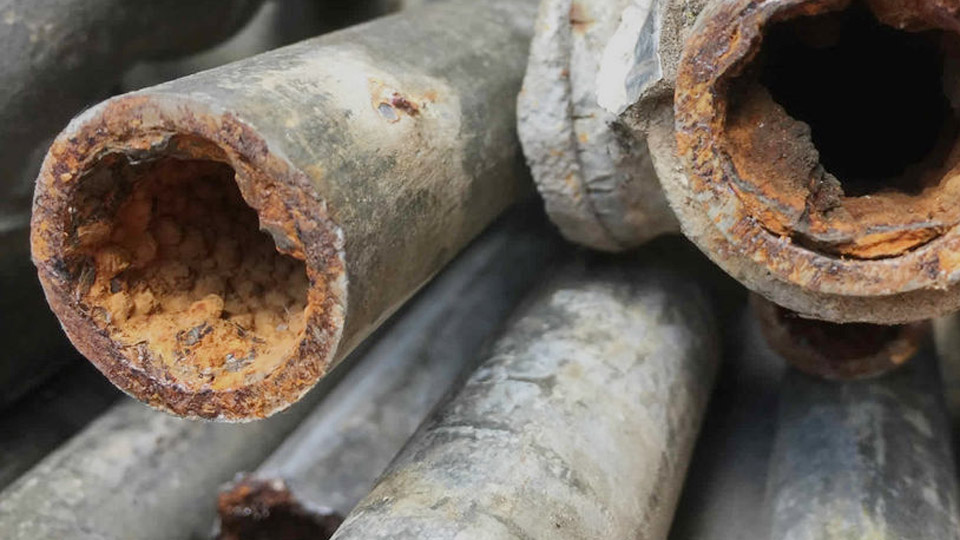
Image by unionfab
Understanding Galvanized Steel and Weld-Induced Corrosion
The Metallurgy of Zinc Protection
Hot-dip galvanizing creates a multi-layer zinc-iron alloy coating, typically 2–6 mils thick depending on steel thickness and bath parameters. Zinc acts as both a physical barrier and a sacrificial anode: it corrodes preferentially due to its higher position in the galvanic series relative to iron.
When welding disrupts this coating—burning zinc at temperatures above its boiling point of approximately 1,665°F (907°C)—the heat-affected zone (HAZ) loses this protection entirely. Exposed steel then forms iron oxide rapidly in the presence of electrolytes like road salt or humidity.
Why Weld Zones Fail Faster
The HAZ experiences microstructural changes and residual stresses that accelerate pitting. Zinc vapors during welding can also introduce porosity if not managed, creating crevices that trap moisture.
In overlapping joints or square tubing, incomplete penetration or unsealed edges allow hidden rust to propagate unseen until it compromises the assembly.
Field repairs on installed structures face additional challenges from limited access and environmental exposure during work.
Common Galvanizing Types and Their Welding Implications
- Hot-dip galvanized (structural steel, pipes): Thick, metallurgically bonded coating; requires aggressive removal before welding.
- Electro-galvanized (sheet metal): Thinner, more uniform but less durable post-weld.
- Pre-galvanized sheet: Often used in HVAC or light fabrication; zinc burns off easily but allows faster welding if prepared correctly.
Understanding these differences drives material selection and process choices for long-term rust prevention.
Pre-Weld Preparation Strategies
Removing Zinc Coating Effectively
Grind or abrasive-blast the weld zone to bare, shiny steel, extending 1–4 inches (25–100 mm) beyond the joint on both sides and the backside if heat will penetrate. Use a flap disc (40–80 grit) on an angle grinder for control—avoid overheating the base metal, which can cause distortion.
Mechanical removal outperforms chemical stripping for most shop settings because it provides a clean profile for fusion while minimizing residue.
For large fabrications destined for post-weld hot-dip galvanizing, leave the zinc intact during welding but follow seal-weld protocols with stitch patterns and vent holes to prevent air pockets during dipping.
Surface Cleaning and Joint Design
Degrease with acetone or specialized solvents after grinding to remove oils and zinc residues. For lap joints, apply weld-through zinc-rich primer in the overlap area before assembly; it liquefies during welding and provides interim cathodic protection.
Design joints with full penetration where possible and avoid crevices—use continuous seal welds on accessible edges to block moisture ingress.
Material and Filler Selection
Match base metal chemistry closely. For galvanized mild steel, ER70S-6 solid wire or E71T-11 flux-cored offers good deoxidizing properties. In high-humidity environments, consider low-hydrogen processes to reduce cracking risk in the HAZ.
Welding Techniques to Minimize Coating Damage
Process Selection for Galvanized Steel
MIG (GMAW) excels for most applications with 75/25 argon/CO2 shielding gas at 20–30 CFH flow. Use short-circuit transfer for thin material (<1/8 inch) and spray transfer for thicker sections. Reduce travel speed 10–20% compared to bare steel to allow zinc vapors to escape the puddle.
Stick (SMAW) works well for outdoor or dirty conditions with E6010 or E6011 electrodes and a whipping technique. TIG (GTAW) provides precise control for critical repairs but requires excellent ventilation due to concentrated fumes.
Avoid high-heat processes like oxy-acetylene unless necessary, as they widen the damaged zone.
Parameter Adjustments and Heat Management
- Voltage: 15–22 V depending on thickness.
- Amperage: Start 10–15% lower than bare steel settings (e.g., 150–200 A for 1/8-inch plate).
- Travel speed: Slower to manage boil-off.
- Electrode angle: Push technique helps direct fumes away.
Intermittent welding or back-step sequencing reduces distortion and limits heat buildup. Monitor interpass temperatures below 300°F (150°C) for multi-pass welds.
Managing Fumes and Porosity
Zinc oxide fumes are toxic—use local exhaust ventilation, respirators, and fans. Porosity from trapped gases decreases with proper joint prep, correct gas mixtures, and clean surfaces. Silicon-bronze filler (ERCuSi-A) can reduce admixture in some cases for lower-heat brazing-like joints.
Post-Weld Cleaning and Restoration
Thorough Weld Zone Preparation
Allow the weld to cool naturally. Remove slag, spatter, and oxides with a wire brush, chipping hammer, or grinder until metallic luster appears. Wipe with solvent to eliminate contaminants. Abrasive blasting (if available) creates an ideal profile for coating adhesion.
Applying Zinc-Rich Coatings (Cold Galvanizing)
Zinc-rich paints with ≥92% zinc dust by weight in the dry film provide sacrificial protection closest to hot-dip. Apply 2–3 thin coats (2.5–3 mils DFT each) via spray or brush, allowing full cure between layers (typically 30 minutes to 24 hours). Products like those meeting ASTM A780 restore comparable corrosion resistance for the repair area.
Thermal zinc spraying (metallizing) offers superior adhesion for high-value or large repairs but requires specialized equipment.
Topcoat Systems for Enhanced Durability
Over zinc-rich primer, apply epoxy primer followed by polyurethane topcoat in marine, chemical, or high-UV environments. This creates a robust barrier system. Ensure total DFT matches or exceeds the original galvanizing thickness for equivalent service life.
For food-contact or potable water applications (e.g., tanks), select certified food-grade cold galvanizing compounds or consider full re-dipping.
Re-Galvanizing Options
For optimal results on new fabrications, weld first, then hot-dip the entire assembly. This coats welds uniformly. Field repairs rarely allow full dipping, making cold methods essential.
Environmental and Application-Specific Considerations
Outdoor and Structural Projects
In coastal or industrial atmospheres, combine zinc-rich repair with heavy topcoats and periodic inspection. Seal all joints and use cathodic protection (sacrificial anodes) for buried or submerged components.
Indoor and Light Fabrication
Minimal topcoating may suffice after zinc-rich primer, but clean storage and controlled humidity (<50% RH) prevent white rust (zinc corrosion products) during assembly.
Repairing Existing Rust on Galvanized Surfaces
Wire-brush or grind lightly to remove loose rust without damaging intact zinc. Apply rust converter if needed, then zinc-rich primer and topcoat. Avoid over-grinding sound coating.
Advanced Techniques and Long-Term Maintenance
Inspection and Testing
Visually check for uniform coverage; use dry film thickness gauges and adhesion tests per ASTM standards. Holiday detectors identify pinholes in critical applications.
Alternative Materials and Hybrid Approaches
For extreme conditions, consider stainless steel or weathering steel, though cost and weldability differ. Powder coating over properly prepared galvanized welds adds durability but requires oven curing.
Monitoring and Reapplication Schedules
Zinc-rich repairs last years but degrade faster than original hot-dip in aggressive environments. Schedule inspections annually for structural items, reapplying coatings at first signs of breakdown.
Real-World Application Insight
Success in protecting galvanized welds hinges on deliberate decisions—grinding extent, filler choice, coating zinc content, and layered barrier systems—rather than any single product.
Professionals who measure DFT, verify adhesion, and select repair methods matched to service conditions achieve weld zones that outlast many original coatings.
The advanced insight: treat the weld repair not as a patch but as a engineered corrosion system, integrating metallurgical compatibility with environmental barriers for structures that endure decades under load and exposure. This approach separates reliable fabrications from those requiring frequent maintenance.
FAQ
Can you weld galvanized metal without removing the zinc coating?
Yes, but it is not recommended for quality or safety. Welding through zinc produces toxic fumes, porosity, and weakened joints. Grind off the coating in the weld zone for best results.
What is the best coating for protecting welded galvanized steel?
Zinc-rich cold galvanizing compounds (≥92% zinc) provide the closest match to original protection. Follow with epoxy/polyurethane topcoats for harsh conditions.
How long does cold galvanizing last on weld repairs?
Properly applied zinc-rich coatings can match hot-dip performance for 5–15+ years depending on environment, thickness, and topcoats. Regular inspection extends service life.
Should you galvanize before or after welding?
Weld first, then galvanize the assembly whenever possible for complete coverage. For field repairs or large structures, use cold methods post-weld.