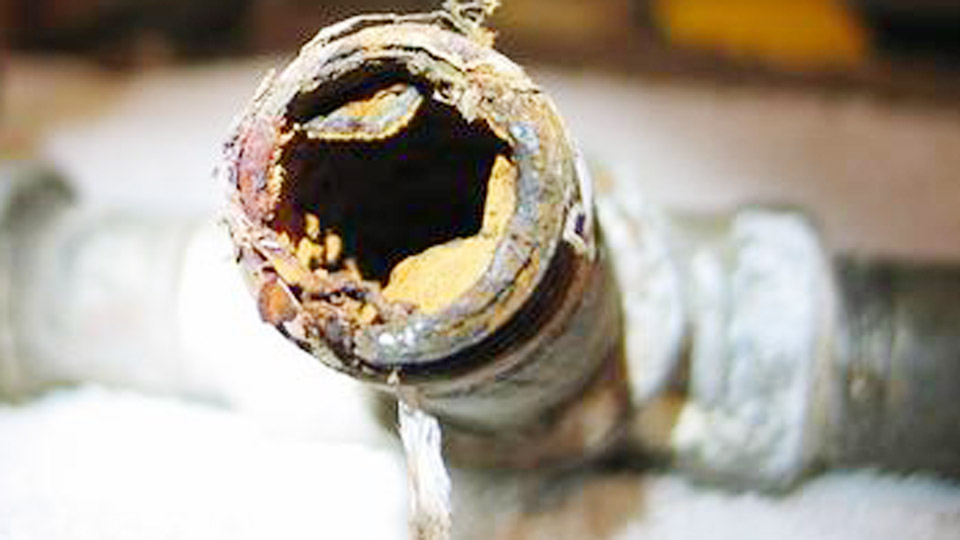
Leaking copper AC lines can cause big problems: poor cooling, wasted energy, and expensive repairs. Many HVAC systems rely on copper lines to carry refrigerant. When these pipes break or need joining, brazing offers a strong, leak-proof solution.
But brazing copper AC lines is not as simple as welding steel. You need the right tools, materials, and technique to avoid damage and ensure a reliable joint.
In this guide, you’ll learn how to braze copper AC lines—step by step—so you can fix leaks, connect pipes, and upgrade your HVAC system with confidence. Whether you’re a DIY welder, student, or pro, this article provides expert advice, useful data, and practical comparisons to help you get it right.
What Is Brazing And Why Is It Used For Copper Ac Lines?
How Does Brazing Work?
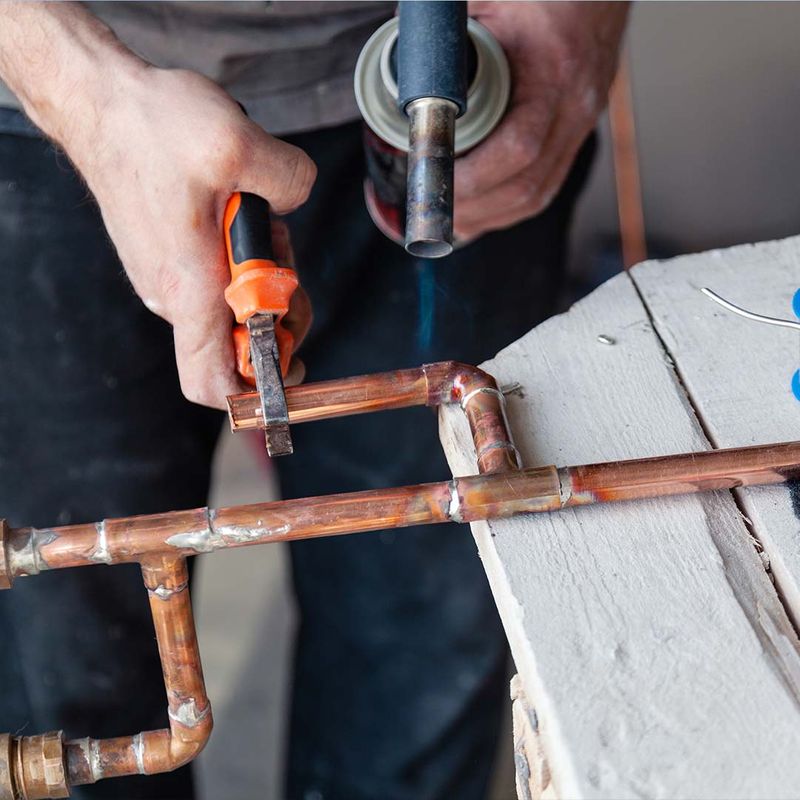
Brazing is a process where you join metals by melting a filler metal (usually an alloy) at a temperature above 840°F (450°C) but below the melting point of the base metals. For copper AC lines, the filler flows into the joint by capillary action, creating a strong, sealed connection.
This method is especially useful because it does not require the base copper pipes to reach their melting point, reducing the risk of warping or damaging the pipes.
The capillary action ensures the filler metal is drawn into even the smallest gaps, which is critical for high-pressure refrigerant lines that must be completely sealed to prevent leaks.
Why Not Solder Or Weld?
Soldering uses lower temperatures and is not strong enough for pressurized refrigerant lines. Soldered joints often fail when exposed to vibration or pressure changes common in AC systems. Welding melts the base metal and can weaken copper, especially thin pipes.
Welding also requires more skill and more expensive equipment, which is rarely justified for copper HVAC work. Brazing is preferred because:
- It handles high pressure and temperature.
- It produces leak-proof joints.
- It works well with copper’s thermal properties.
- Brazed joints are more resistant to vibration, temperature changes, and corrosion compared to soldered or mechanically joined pipes.
What Brazing Alloys Are Best For Copper Ac Lines?
The most common filler metals for AC lines are phosphorus-copper alloys and silver-copper-phosphorus alloys. Silver-based alloys offer greater strength and corrosion resistance, but are more expensive.
Using the right alloy ensures the joint will not become a weak point in your system. For example, joints exposed to chemicals or outdoor environments often benefit from silver content for extra durability.
| Alloy Type | Melting Point (°F) | Strength | Common Use |
|---|---|---|---|
| Phosphorus-Copper | 1310 | Medium | Standard copper joints |
| Silver-Copper-Phosphorus | 1200-1350 | High | HVAC, refrigeration |
| Silver-Brazing (15%) | 1240 | Very High | Critical joints, mixed metals |
A non-obvious detail: Silver-copper-phosphorus alloys flow more smoothly at lower temperatures, which can reduce the risk of overheating the pipe—a common beginner mistake.
Essential Tools And Materials For Brazing Copper Ac Lines
What Tools Do You Need?
To braze copper AC lines safely and efficiently, gather these essential tools:
- Oxy-acetylene torch or other high-temperature torch
- Brazing rods (silver or phosphorus-copper alloy)
- Flux (for certain alloys and materials)
- Pipe cutter
- Wire brush or emery cloth
- Heat-resistant gloves
- Safety goggles
- Fire-resistant mat
- Tube deburring tool (removes sharp edges inside pipe after cutting)
- Nitrogen tank with regulator (prevents oxidation inside pipe)
Having a tube deburring tool is a subtle but important detail. Leftover burrs inside the pipe can disrupt refrigerant flow and trap debris, leading to future blockages.
Which Torch Is Best?
An oxy-acetylene torch is ideal for brazing copper because it offers fast, high heat and precise control. Air-acetylene torches are cheaper but slower and less effective for thick pipes or large jobs.
When working in tight spaces or on rooftop units, a compact torch with a flexible hose can save time and reduce risk of burns.
| Torch Type | Max Temp (°F) | Recommended Use |
|---|---|---|
| Oxy-Acetylene | 4500 | Professional, thick pipes |
| Air-Acetylene | 2500 | Light-duty, thin pipes |
| Propane/MAPP | 2000 | DIY, small repairs |
A practical tip: For most home AC repairs, air-acetylene is enough. But for commercial or large-diameter pipes, oxy-acetylene saves time and delivers a more consistent result.
What Filler Rods And Flux Should You Use?
- Use phosphorus-copper rods for copper-to-copper joints.
- Use silver-based rods for copper-to-brass or copper-to-steel.
- Flux is needed only when joining copper to metals other than copper.
Make sure your rods are stored in a dry place. Moisture can cause oxidation on the rod surface, making it difficult to get a clean bond.
How Do You Prepare Copper Ac Lines?
Proper preparation is key to a strong, leak-free braze:
- Cut pipes cleanly using a pipe cutter. Avoid using saws, which can leave metal shavings.
- Clean surfaces with a wire brush or emery cloth to remove oxidation. Scrape until you see bright, shiny copper.
- Deburr the pipe ends with a deburring tool. This step helps refrigerant flow and prevents turbulence.
- Check fit—pipes should slide together snugly, but not be forced.
- Apply flux if needed (not required for phosphorus-copper rods on copper).
Even a small amount of oil or grease can ruin a joint, so avoid touching cleaned surfaces with bare hands.

Credit: www.youtube.com
Step-by-step Brazing Process For Copper Ac Lines
How Should You Set Up And Clean The Joint?
- Ensure both pipe ends are clean and free from grease.
- Dry fit the pipes—ensure they are aligned and have minimal gap.
- Protect nearby surfaces with a fire-resistant mat.
- If working close to walls or insulation, use extra barriers to prevent fire.
If you’re working on a vertical joint, gravity can help the filler metal flow downward, but be careful not to overheat the bottom area.
How Do You Heat The Joint Correctly?
- Light the torch and adjust to a neutral flame (no excess oxygen or acetylene). A noisy or pointed flame means incorrect adjustment.
- Heat the joint evenly—move the flame around to avoid overheating one side.
- Watch for the color change: Copper turns dull red as it reaches brazing temperature (around 1200°F).
- For larger fittings, start heating the thickest part first; thicker metal takes longer to reach temperature.
A common mistake is holding the flame too close, which can cause localized overheating. Keep the flame tip about 1–2 inches from the pipe for better control.
When Should You Apply The Filler Metal?
- Touch the filler rod to the joint when the copper is dull red.
- The rod should melt and flow into the joint by capillary action.
- Move the rod around the joint for even coverage. If the filler beads up or refuses to flow, the pipe isn’t hot enough.
- For T-joints or elbows, start at the base and move upwards, letting capillary action pull the filler into the joint.
A good technique is to gently tap the rod against the pipe. If it melts instantly, you’re at the right temperature; if not, heat a bit longer.
What Are Common Mistakes And How To Avoid Them?
- Overheating: Causes oxidation, weak joints, and pinholes. If you see greenish-black scale, you’ve gone too far.
- Underheating: Filler won’t flow, joint won’t seal. The finished joint may look solid but will leak under pressure.
- Poor cleaning: Dirt prevents proper bonding. Even a thin film of oxidation can block the filler metal.
- Incorrect rod selection: Use the right alloy for the metals joined. Silver rods are essential for mixed-metal joints.
One non-obvious insight: Overusing flux can cause contamination inside the pipe, which is especially bad for AC systems. Use only a small amount.
How Do You Check The Joint After Brazing?
- Let the joint cool naturally. Don’t quench with water—rapid cooling can cause cracks.
- Inspect for smooth, complete coverage. The bead should run evenly around the entire joint.
- Test for leaks with pressure or soapy water. Small bubbles mean a leak is present.
- For critical systems, use an electronic leak detector after pressure testing.
A practical example: If a joint is hard to see, run your finger gently around it (after cooling) to feel for gaps or rough spots.
Comparing Brazing To Other Copper Pipe Joining Methods
Is Brazing Always Better Than Soldering?
Brazing is preferred for AC lines because:
- It withstands higher pressures (up to 600 psi).
- Soldered joints often fail under refrigerant pressure.
- Brazed joints are more durable in harsh environments.
- Brazing offers better resistance to vibration, a common cause of leaks in soldered joints.
However, for low-pressure water lines, soldering can be more than sufficient and is much faster.
How Does Brazing Compare To Mechanical Fittings?
Mechanical fittings (compression, flare, push-fit) are easier to install but:
- Can leak over time, especially under vibration.
- Usually cost more for high-pressure systems.
- Not recommended for permanent HVAC repairs.
- Mechanical fittings may be useful for temporary repairs or for lines that may need to be removed later.
If you must use a mechanical fitting, always follow manufacturer recommendations for tightening torque and pressure limits.
What About Welding?
Welding is rarely used for copper pipes because:
- Copper’s high conductivity makes welding difficult.
- Risk of melting the pipe and weakening the joint.
- Specialized equipment and skills required.
- Welded joints are often less neat and harder to inspect for small leaks.
| Method | Pressure Resistance | Ease of Use | Durability |
|---|---|---|---|
| Brazing | High (400–600 psi) | Moderate | Very High |
| Soldering | Low (50–100 psi) | Easy | Medium |
| Mechanical Fittings | Medium (150–250 psi) | Easy | Low–Medium |
| Welding | High | Difficult | Medium |
Credit: www.smartlockfitting.com
Practical Tips For Successful Brazing Of Copper Ac Lines
How Can You Avoid Overheating The Pipe?
- Use a neutral flame—too much oxygen causes oxidation.
- Move the torch constantly—don’t let it linger in one spot.
- Watch the color of copper: Dull red is ideal.
- For small diameter pipes, use a smaller torch tip to avoid too much heat.
If you see the pipe sag or change shape, you’ve overheated it. Let it cool and start over if needed.
What Is The Best Way To Apply Filler Metal?
- Don’t force the rod; let it flow naturally.
- Use the rod’s tip to “drag” the alloy around the joint.
- If the filler balls up, the pipe is not hot enough.
- If the filler runs off, the pipe is too hot—pause and let it cool a bit.
For vertical joints, apply filler metal at the bottom and let it rise by capillary action.
Should You Use Flux?
- Flux is not needed for copper-to-copper with phosphorus-copper rods.
- Use flux for copper-to-brass or copper-to-steel joints.
- Apply a thin, even layer—excess flux can cause contamination.
- Clean off excess flux after brazing to prevent corrosion.
If you’re unsure, read the rod manufacturer’s instructions. Some modern rods have built-in flux.
How Do You Protect Sensitive Components?
- Shield nearby parts with a fire-resistant mat.
- Use wet rags to absorb heat and protect valves or electronics.
- Don’t braze near rubber seals or plastic fittings.
- When working near expansion valves, always remove or protect the sensing bulb from heat.
One overlooked tip: If possible, disassemble nearby sensitive components before brazing, especially on expensive or hard-to-replace parts.
How Do You Prevent Oxidation Inside The Pipe?
- Purge the pipe with dry nitrogen while brazing.
- Nitrogen prevents oxidation and keeps the inside clean.
- For HVAC, this step is critical to avoid contamination.
- Run nitrogen at a low flow rate—too much flow can disturb the flame.
Oxidation inside the pipe can flake off and clog expansion valves or compressors, causing expensive failures.
Real-world Examples And Troubleshooting
What Are Typical Brazing Scenarios?
- Repairing leaks: Find the damaged section, cut out, and braze in a new piece.
- Connecting new AC units: Braze new lines to old piping for upgrades or replacement.
- Upgrading systems: Replace old soldered or mechanical fittings with brazed joints for reliability.
- Adding service valves: Braze in new valves for maintenance access.
In each case, careful cleaning, alignment, and heat control make the difference between a temporary fix and a permanent repair.
What If The Joint Leaks After Brazing?
- Check for pinholes or gaps.
- Re-clean, reheat, and apply filler metal again.
- Use soapy water or electronic leak detectors for testing.
- If the leak persists, cut out the joint and start fresh—sometimes it’s faster than repeated repairs.
Always pressure test with nitrogen before releasing refrigerant into the system.
How Should You Handle Unusual Pipe Sizes?
- For large diameter pipes, use a bigger torch tip for more heat.
- For thin pipes, work quickly to avoid melting.
- Always use the right rod thickness for the pipe size.
- For very small pipes, wrap with a wet rag near the joint to prevent heat transfer.
If you must join pipes of very different thickness, heat the thicker part more to bring both sides up to temperature evenly.
What Are Signs Of A Good Braze Joint?
- Smooth, shiny surface without cracks.
- Complete coverage around the pipe.
- No excess filler or drips inside the pipe.
- The joint should feel solid and not wiggle or shift.
A well-made braze joint will often outlast the rest of the piping system.

Credit: www.reddit.com
Safety, Codes, And Professional Standards For Brazing Copper Ac Lines
Do You Need Certification?
For home or DIY repairs, certification is not required. For commercial HVAC work, most states and municipalities require licensed technicians. Always check local codes. Some employers also require EPA Section 608 certification for refrigerant handling.
What Standards Apply?
The American Welding Society (AWS) and American Society of Mechanical Engineers (ASME) set guidelines for brazing copper pipes. The UL and CSA certify brazing alloys and torches for safety. Following these standards ensures your work meets inspection requirements and will be reliable under real-world conditions.
How Should You Document Your Work?
- Record pipe sizes, materials, and filler alloys used.
- Note operating pressures and testing results.
- Keep records for warranty or inspection purposes.
- For commercial work, include photos of joints and test results.
Good documentation saves time if there are future repairs or inspections.
Common Mistakes And Non-obvious Insights
Mistakes Beginners Make
- Skipping nitrogen purge: Causes internal oxidation, leads to contamination.
- Using the wrong alloy: Always match the filler rod to metals joined.
- Not cleaning enough: Even tiny bits of dirt weaken the joint.
- Rushing cooling: Quenching with water can cause cracks.
Non-obvious Insights
- Pipe alignment matters: Misaligned pipes cause stress and leaks, even with good brazing.
- Heat control is more important than speed: Rushing leads to weak joints, while careful heat application improves quality.
- Brazing can fix minor pinholes: Sometimes you can repair a small leak without cutting out the pipe, just by re-brazing.
- Inspect inside the pipe after brazing: Especially on critical lines, a quick look for oxidation or excess filler can prevent future problems.
When To Call A Professional
What Problems Require Expert Help?
- Large leaks or multiple failures.
- Pipes close to electrical or sensitive components.
- System pressure above 400 psi.
- When local codes require inspection or certification.
- When you are unsure about the correct procedure or safety.
What Can You Fix Yourself?
- Small leaks in accessible areas.
- Adding a short section or joint.
- Replacing old soldered joints with brazed ones.
- Basic repairs with proper safety and guidance.
Remember, HVAC systems are expensive—when in doubt, call a licensed technician.
Final Thoughts
Strong, reliable copper AC lines start with proper brazing. By following these steps, choosing the right tools, and avoiding common mistakes, you can achieve professional-quality results—saving money and ensuring your HVAC system works efficiently for years.
Always test your joints, record your work, and know when to call a pro. With the right technique, brazing copper AC lines can be a satisfying, practical skill for any welder or HVAC technician.
Frequently Asked Questions
Can I Braze Copper Ac Lines With A Propane Torch?
Propane torches can work for small, thin copper pipes, but oxy-acetylene or air-acetylene torches are better for thicker pipes and professional results. Propane doesn’t reach high enough temperatures for large jobs or critical joints.
Do I Need To Use Nitrogen When Brazing Copper Ac Lines?
Yes, purging with dry nitrogen prevents oxidation inside the pipe, which can damage HVAC systems. This step is especially important for refrigeration and air conditioning lines. Skipping this step can lead to costly system failures down the road.
What Is The Ideal Brazing Temperature For Copper Ac Lines?
The joint should reach about 1200°F (650°C)—when copper turns dull red. The filler metal melts quickly at this temperature and flows smoothly. Using an infrared thermometer can help beginners gauge temperature more precisely.
How Do I Test For Leaks After Brazing?
Use soapy water on the joint and check for bubbles, or use an electronic leak detector. Always test at working pressure to ensure the joint is secure. For critical systems, a nitrogen pressure test is best.
What Is The Best Brazing Alloy For Copper-to-brass Connections?
Use a silver-based brazing rod (5–15% silver), along with flux. Silver alloys provide extra strength and prevent corrosion between copper and brass. Always check compatibility with refrigerant type.