Welded steel projects often leave scale, heat tint, or bare surfaces prone to flash rust that ruin the clean appearance welders expect. Many turn to commercial black oxide or cold bluing solutions, but household alternatives deliver consistent results when professional finishes are unavailable or too costly.
Blackening steel with vinegar and baking soda provides a practical, low-cost way to achieve a dark, protective patina on mild steel, weldments, and fabricated parts without specialized tanks or hazardous chemicals.
This approach matters because it controls surface oxidation, improves corrosion resistance on non-critical parts, and gives a uniform matte or semi-gloss black that hides weld imperfections. It suits shop fixtures, decorative brackets, tool holders, and student projects where appearance and basic protection count.
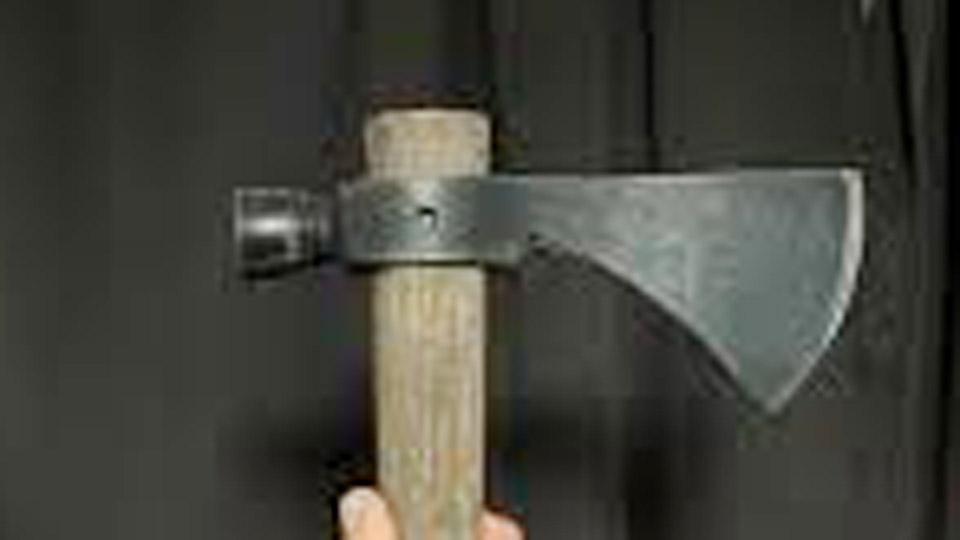
Image by r/Axecraft
Why Vinegar and Baking Soda Work for Steel Blackening
Vinegar (acetic acid) etches the steel surface and promotes controlled oxidation, forming iron acetate compounds that darken the metal. Baking soda neutralizes residual acid to stop the reaction and prepares the surface for sealing.
The combination creates a stable blackish patina through repeated rust-conversion cycles rather than a true high-temperature black oxide layer.
Chemical Reactions Involved
White vinegar (5% acetic acid) reacts with iron to produce ferrous acetate. Exposure to air and moisture converts this into darker oxides. Boiling water or heat converts red rust (Fe2O3) into black magnetite (Fe3O4), the more stable form. Baking soda (sodium bicarbonate) raises pH, neutralizing acid and precipitating salts that rinse away cleanly.
This differs from hot black oxide (alkaline salts at 285–290°F) or cold chemical blackeners (selenium/copper compounds). The vinegar method operates at room temperature or mild heat and requires multiple cycles for depth.
When This Method Suits Welding Applications
Use it on mild steel weldments after removing slag and scale. It works well for indoor or low-exposure parts like table frames, gates, sculptures, or jigs. Avoid it on high-precision tolerances, food-contact surfaces, or load-bearing structural welds where mechanical properties matter. Stainless or high-carbon steels respond differently and may need adjusted chemistry.
Surface Preparation for Reliable Results
Cleanliness determines success. Contaminants like welding residue, oil, or mill scale prevent uniform reaction.
Degreasing and Scale Removal
Start with mechanical cleaning: wire brush, flap disc (80–120 grit), or sandblasting for large parts. Follow with acetone or isopropyl alcohol wipe. For heavy scale, soak in straight white vinegar for 30–60 minutes or use a 10:1 water-to-muriatic acid pickle (with proper safety). Rinse thoroughly.
Measure surface roughness. A 120–220 grit finish accepts patina evenly without excessive pitting. Polished surfaces (400+ grit) resist darkening and show streaking.
Pre-Treatment Decisions
For weld-specific areas, target heat-affected zones (HAZ) separately because they oxidize faster. Mask non-weld areas with tape if selective blackening is needed. Preheat parts to 100–120°F to accelerate initial reaction without boiling the solution.
Core Blackening Process with Vinegar
The process relies on controlled rusting followed by conversion.
Rust Induction Phase
Submerge or brush parts with 5–10% vinegar solution. Add 1–2 tablespoons salt per quart to accelerate. For faster action, mix equal parts hydrogen peroxide, vinegar, and a pinch of salt—this etches visibly within minutes.
Monitor color shift from metallic gray to reddish-brown rust. Time varies: 10–30 minutes per cycle for light parts, 1–2 hours for thicker sections. Agitate or rotate parts for uniformity. Multiple light cycles outperform one heavy soak.
Conversion and Neutralization
Rinse rust loose under running water. Submerge in boiling distilled water for 5–15 minutes to convert oxides. Remove, dry immediately with heat gun or compressed air. Apply baking soda solution (1–2 tbsp per quart warm water) as a neutralizing rinse until fizzing stops. This prevents ongoing acid attack.
Dry thoroughly at 150–200°F. Repeat rust-conversion cycle 3–6 times for deeper black.
Sealing the Finish
Unsealed patina continues reacting. Apply boiled linseed oil, mineral oil, or paste wax while warm (150°F). Beeswax-linseed oil mixes (4:2:1 ratio with turpentine) offer better durability.
Reheat lightly after sealing to polymerize oils. Multiple thin coats outperform single heavy applications.
Variations for Different Steel Types and Thicknesses
Mild steel (A36, 1018) responds best. Higher carbon steels develop deeper color but risk unevenness. Thicker sections (>1/4″) need longer soak times and more cycles.
Adjusting for Weld Scale and HAZ
Post-weld, grind scale to bare metal or use vinegar to loosen it first. HAZ areas darken faster—shorten exposure there. Test on scrap weld coupons matching your material and process (MIG, TIG, stick).
Temperature and Concentration Effects
Room temperature (68–75°F) works slowly. Warm vinegar (100–120°F) speeds reaction without boiling off acetic acid. Stronger concentrations (10–20% vinegar) etch faster but increase pitting risk on thin stock.
| Steel Thickness | Vinegar Strength | Cycles Needed | Typical Soak Time |
|---|---|---|---|
| <1/8″ | 5% | 3–4 | 15–30 min |
| 1/8–1/4″ | 5–10% | 4–5 | 30–60 min |
| >1/4″ | 10% | 5–7 | 45–90 min |
Equipment and Setup for Shop Use
Use plastic or glass containers—avoid reactive metals. Stainless steel trays work if neutralized promptly. Ventilation removes vinegar fumes. Heat sources include hot plates or propane for boiling conversion step.
For batch processing, suspend parts on wire hooks. Ultrasonic cleaners speed cleaning but are optional. pH strips confirm neutralization (target 7–8).
Durability and Performance Expectations
This finish provides moderate corrosion resistance in dry indoor environments. Outdoor exposure requires robust sealing and periodic re-oiling. Abrasion resistance is low compared to hot black oxide or powder coating—suitable for decorative or low-wear parts.
Compare to alternatives:
- Hot Black Oxide: Superior durability, requires tanks and heat.
- Cold Chemical Blackeners: Faster, more uniform, but costlier.
- Oil/Wax Only: Simpler but less dark.
- Vinegar Method: Cheapest, accessible, repeatable with practice.
Test finished parts under expected conditions. Salt spray simulation (fog from saltwater) reveals weak spots quickly.
Common Process Adjustments for Welders
Post-Weld Blackening Workflow
- Allow weldment to cool completely.
- Remove slag and heavy scale.
- Degrease and light etch.
- Apply blackening cycles.
- Neutralize, dry, seal.
Intermittent welding and finishing risks distortion—plan sequences accordingly.
Scaling for Larger Projects
Large frames require spray application instead of dipping. Use garden sprayers for vinegar solution and ensure runoff collection. Work in sections to maintain wet contact time.
Advanced Techniques and Enhancements
Combine with heat tempering colors before chemical blackening for multi-tone effects. For higher abrasion resistance, follow with clear lacquer or polyurethane after oil sealing. Some welders add copper sulfate to vinegar for enhanced darkening, but test compatibility.
Monitor bath pH over multiple uses—discard when effectiveness drops.
Choosing the right finish starts with matching process to part function. For most hobby and light fabrication work, blackening steel with vinegar and baking soda delivers professional-looking results with minimal investment.
Experienced welders refine cycles based on exact alloy and exposure, often achieving depth and uniformity rivaling commercial methods through controlled repetition and proper sealing. This technique keeps control in the shop where decisions on appearance, protection, and cost matter most.
FAQ
How long does vinegar blackening last on steel?
Indoor sealed parts maintain appearance for years with occasional oiling. Outdoor exposure shows wear within months unless top-coated with durable clear finishes. Durability depends more on sealing quality than the blackening itself.
Can I use this method on welded stainless steel?
Vinegar affects stainless poorly and may cause pitting. Dedicated stainless blackening solutions or ni-based patinas work better. Test small areas first on any alloy.
What’s the difference between this and commercial gun bluing?
Gun bluing uses selenium or other compounds for faster, more controlled conversion. The vinegar method is slower and more variable but far cheaper and uses common materials.
Does baking soda affect the final black color?
It primarily neutralizes without significantly altering color. Overuse leaves white residue if not rinsed well—always follow with clean water rinse and full drying.