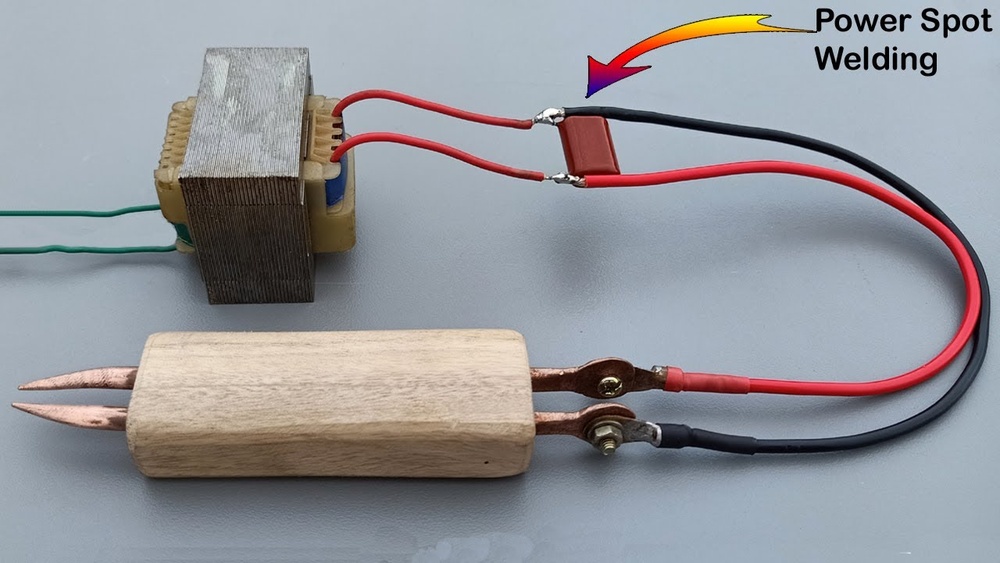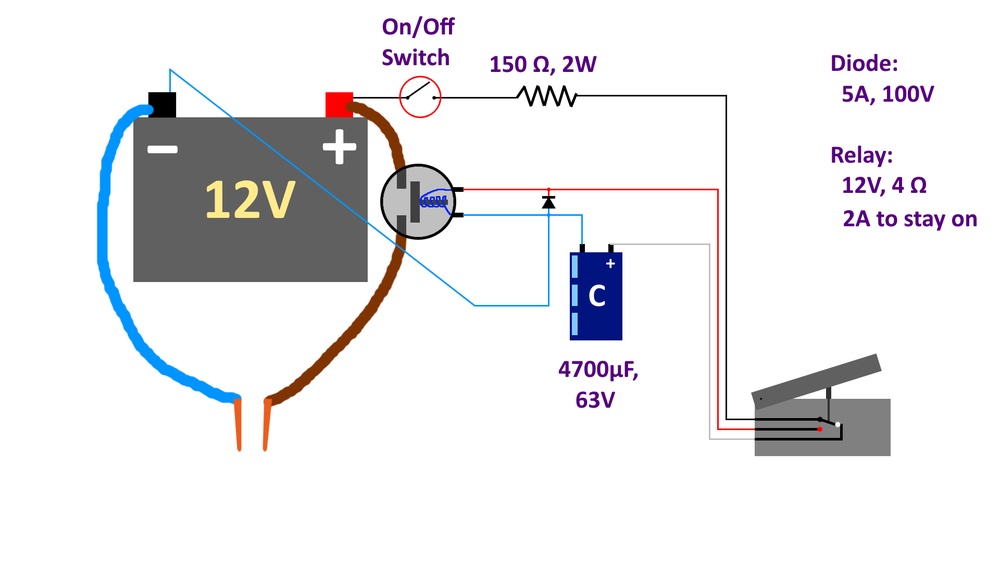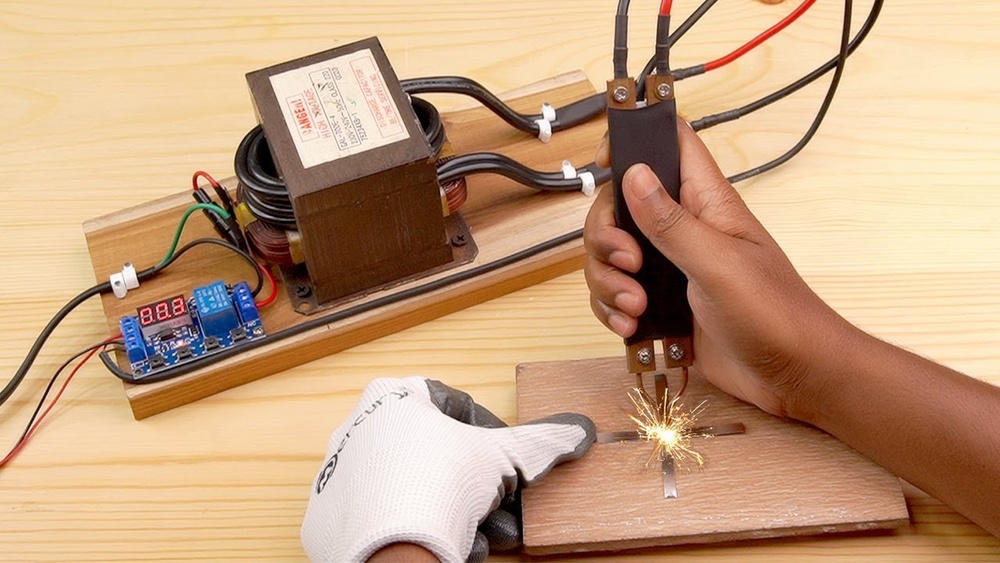
Spot welding is a key skill for anyone working with car panels, whether you’re restoring a classic vehicle or repairing collision damage. It’s a process that uses heat and pressure to join metal sheets, creating strong and clean connections without extra materials.
If you want to learn how to spot weld car panels safely and effectively, this guide breaks down every step, explains crucial equipment, and shares practical advice from real-world experience.
You’ll discover how to avoid mistakes that often frustrate beginners and see how a professional approach makes your repairs last longer.
What Is Spot Welding?
Spot welding is a type of resistance welding that joins metal sheets by passing an electric current through them while applying pressure. The current heats the metal at the point of contact, melting it and forming a weld nugget.
This method is especially popular in the automotive industry because it’s quick, strong, and leaves minimal marks.
Car panels are usually made from mild steel or sometimes aluminum, both of which are suitable for spot welding. The technique is ideal for overlapping sheets, such as door skins, floor pans, or fender repairs, where you need a clean, flush finish.
Why Spot Weld For Car Panels?
Spot welding offers several benefits over other methods:
- Strength: The welds are strong and durable, able to withstand vibrations and stress.
- Speed: It’s much faster than continuous seam welding, especially for large panels.
- Clean Finish: Welds are small and neat, requiring less grinding and finishing.
- Minimal Distortion: Since heat is localized, there’s less warping compared to other welding types.
Automakers use spot welding for most car body assembly because it balances speed, cost, and quality.
Essential Equipment For Spot Welding Car Panels
Before you start, you need the right tools and safety gear. Here’s what’s essential:
Spot Welding Machine
There are two main types:
- Portable spot welders: Handheld units suitable for small repairs.
- Stationary spot welders: Larger, more powerful machines for shop work.
A typical portable welder is rated between 2–12 kVA. For car panels, 6–8 kVA is usually enough.
Electrodes
Spot welders use copper electrodes because copper conducts electricity and withstands heat. Tips must be kept clean and shaped properly for consistent welds.
Safety Gear
- Welding helmet or face shield
- Heat-resistant gloves
- Protective clothing (cotton, not synthetic)
- Ear protection (if working with loud machines)
Additional Tools
- Clamps to hold panels in place
- Metal brush for cleaning weld areas
- Angle grinder for finishing welds
- Measuring tools for alignment
Common Consumables
- Replacement electrodes
- Welding wire (for other types of welding)
- Anti-spatter spray (optional)
Preparing Car Panels For Spot Welding
Preparation is critical. Skipping steps can lead to weak welds or panel damage.
Cleaning The Metal
Dirt, rust, paint, and oil block the electric current and cause poor welds. Clean both surfaces using a metal brush, sandpaper, or a grinder. The area should be shiny and free from any coating.
Aligning And Clamping
Panels must be precisely aligned. Use clamps to hold them tightly together. Even a small gap can weaken the weld or cause burn-through.
Marking Weld Locations
Mark where you want each weld. Spacing is important—too close, and panels may warp; too far, and they may separate. For most car panels, space welds 1–2 inches apart.
Overlapping Joints
Spot welding works best for lap joints—where one sheet overlaps another by at least 0.5 inches (12 mm). Make sure overlap is consistent.
Step-by-step Guide: How To Spot Weld Car Panels
Follow these steps for strong, reliable welds.
1. Set Up The Spot Welder
- Plug in the machine and check electrode tips.
- Adjust pressure and current settings (start with manufacturer recommendations).
- Position electrodes on opposite sides of the joint.
2. Position The Panel
- Place the panels so the weld location is between the electrodes.
- Ensure clamps hold panels tight and flat.
3. Apply Pressure
- Squeeze the trigger or pedal to press electrodes against the panels.
- Pressure must be firm but not excessive—too much force can dent the panel.
4. Activate The Weld
- Trigger the machine to send current through the metal.
- Typical weld time is 0.1–0.5 seconds (longer can burn through, shorter can be weak).
- The spot should melt and fuse, forming a “weld nugget.”
5. Release And Inspect
- Release pressure and move to the next spot.
- Check the weld for a shiny, solid appearance—no cracks or holes.
6. Repeat
- Continue along the joint, spacing welds evenly.
7. Finish The Welds
- Grind or sand weld spots for a smooth finish if needed.
- Apply primer or paint to protect from rust.
Comparing Spot Welding To Other Car Panel Joining Methods
Here’s how spot welding stacks up against other common methods for car panels:
| Method | Strength | Speed | Finish Quality | Typical Use |
|---|---|---|---|---|
| Spot Welding | High | Fast | Clean | Panel replacement, factory assembly |
| MIG Welding | Very High | Moderate | Requires grinding | Patch panels, seams |
| Brazing | Medium | Slow | Messy | Rust repairs, old cars |
| Riveting | Medium | Moderate | Visible fasteners | Temporary fixes |
Spot welding stands out for speed and clean finish, but MIG welding is sometimes preferred for thicker panels or structural areas.
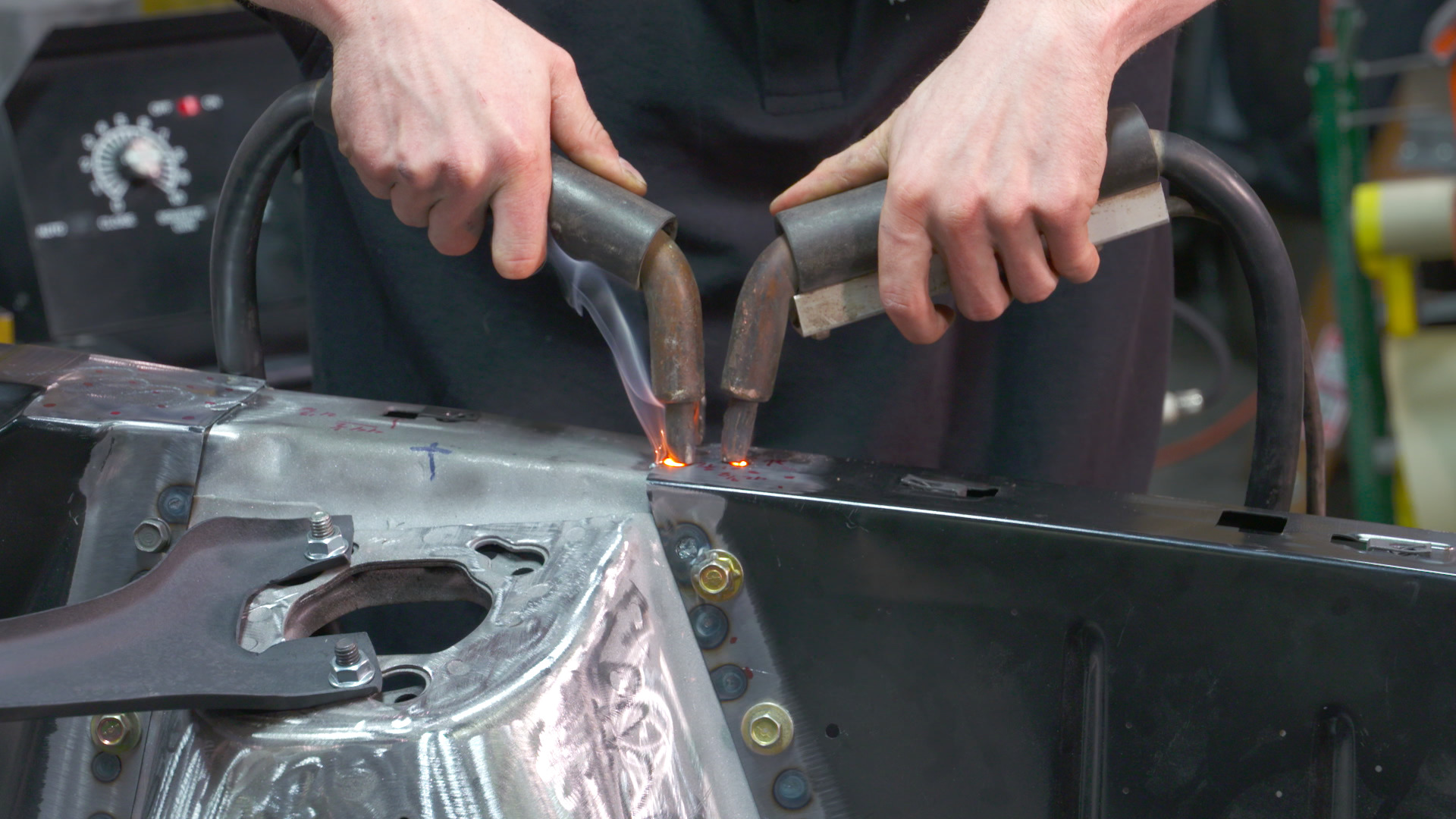
Credit: www.classiccarrestorationclub.com
Key Techniques For Spot Welding Success
Pressure And Current Control
Getting the right balance is crucial. Too little current, and the weld won’t penetrate; too much, and you risk burn-through. Pressure helps ensure full contact.
Pro tip: Test settings on scrap metal before welding your panels.
Electrode Maintenance
Dirty or worn electrodes make weak welds. Clean them often and replace tips when they’re misshapen.
Weld Nugget Size
A good weld nugget (the melted spot) should be 4–6 mm in diameter for most car panels. If nuggets are smaller, welds may fail.
Avoiding Panel Warping
Heat can distort panels, especially thin ones. Let panels cool between welds, and avoid placing spots too close together.
Checking Weld Penetration
After welding, try separating the panels near a weld. If the nugget stays intact, penetration is good. Weak welds will pop apart easily.
Common Mistakes Beginners Make
Spot welding seems simple, but some mistakes can ruin your work.
- Skipping cleaning: Paint, rust, or dirt blocks the current, leading to weak welds.
- Incorrect settings: Using “one size fits all” settings without testing can cause burn-through or weak joints.
- Poor clamping: Panels that move during welding won’t fuse properly.
- Ignoring electrode condition: Worn tips make inconsistent welds.
- Overlapping too little: Not enough overlap means weak joints.
- Welding too fast: Rushing causes overheated panels and poor welds.
- Not checking welds: Assuming every weld is strong is risky—always inspect.
Safety Tips For Spot Welding Car Panels
Spot welding involves high current and heat. Protect yourself and your workspace:
- Wear safety gear: Gloves, helmet, and fire-resistant clothing.
- Work in a ventilated area: Welding creates fumes and smoke.
- Keep flammable items away: Sparks can ignite solvents or cloth.
- Check equipment: Inspect cables, electrodes, and machine before each session.
- Handle panels carefully: Hot metal can burn skin.
Real-world Example: Repairing A Door Skin
Let’s walk through a common task—replacing a car door skin using spot welds.
- Remove old door skin: Drill out factory spot welds and lift off the damaged panel.
- Clean the frame: Remove rust and paint from the door frame.
- Align new skin: Clamp the new panel in place, ensuring tight fit.
- Mark weld locations: Space marks every 1–1.5 inches along the edge.
- Weld: Use the spot welder to join the skin to the frame at each mark.
- Inspect welds: Check for penetration and consistency.
- Finish: Grind welds smooth and repaint.
This repair is strong, quick, and leaves the door with an almost factory look.
Credit: www.basicwelding.co.uk
Spot Welding Aluminum Vs Steel Panels
Most car panels are steel, but some newer vehicles use aluminum. Spot welding aluminum is possible but has extra challenges:
- Higher current needed: Aluminum requires about double the current compared to steel.
- Special electrodes: Use dome-shaped copper electrodes for aluminum.
- Cleanliness is critical: Aluminum oxide forms quickly and must be removed before welding.
Here’s a quick comparison:
| Material | Current Needed | Electrode Type | Cleaning Requirement |
|---|---|---|---|
| Steel | 6–8 kVA | Flat copper | Remove paint/rust |
| Aluminum | 12–16 kVA | Dome copper | Remove oxide layer |
If you’re working with aluminum, make sure your machine is compatible.
How To Inspect And Test Spot Welds
Quality control is important. Here’s how to check if your welds are strong:
- Visual inspection: Look for uniform, shiny nuggets, no cracks.
- Peel test: Use pliers to try peeling the panels apart. Good welds resist separation.
- Hammer test: Gently tap the welded area. Weak welds may break.
- Non-destructive testing: For critical repairs, ultrasonic inspection can check weld depth (more common in factories).
Practical Tips For Better Spot Welding
Experienced welders know a few tricks:
- Practice on scrap: Always test settings before working on real panels.
- Use anti-spatter spray: Keeps electrodes cleaner.
- Let panels cool: Don’t rush—overheating causes warping.
- Keep electrodes moist: Some shops lightly dampen electrodes to reduce sticking.
- Work in small sections: Large panels are easier to control if you weld in stages.
Spot Welding In Modern Car Manufacturing
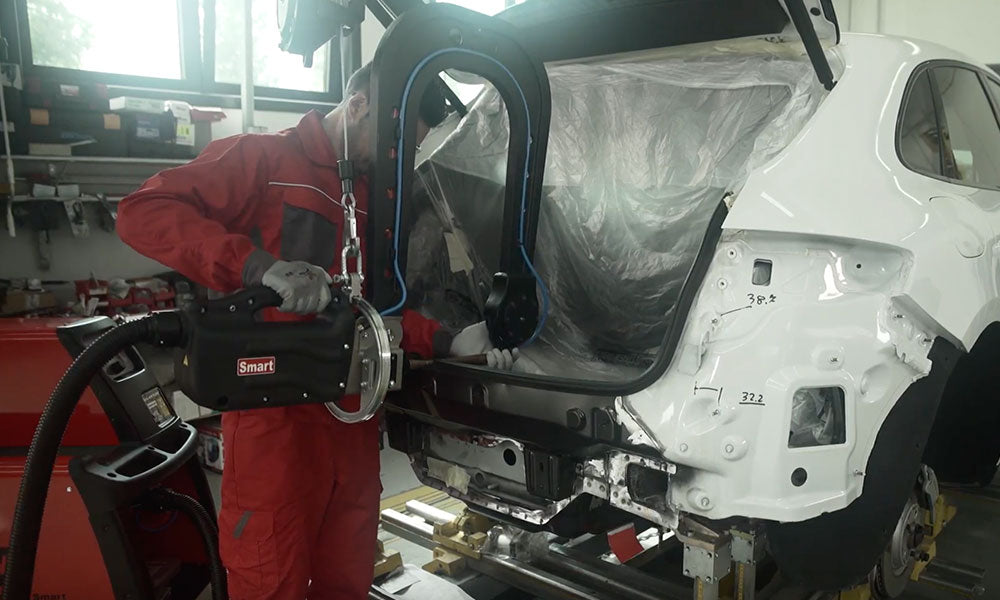
Automotive factories use automated spot welding robots to assemble car bodies. A typical modern car has 3,000–5,000 spot welds holding its panels together. Robots can weld up to 30 spots per minute with high precision.
For repairs, hand-held spot welders do the same job on a smaller scale. Replacement panels are often attached using spot welds to match factory quality.

Credit: yeswelder.com
Spot Welding Vs Plug Welding
Sometimes, plug welding is used when spot welding isn’t possible (for example, when you can’t reach both sides of a panel). Plug welding involves drilling holes in one panel and using a MIG welder to fill them, joining the two sheets.
Here’s a comparison:
| Factor | Spot Welding | Plug Welding |
|---|---|---|
| Access Needed | Both sides | One side |
| Speed | Fast | Moderate |
| Finish | Clean | Requires grinding |
| Strength | High | Very high |
For classic car restoration, plug welding is often used when factory spot welds can’t be reproduced.
Environmental And Health Considerations
Spot welding is generally safe, but you should watch for:
- Fumes: Especially when welding coated panels. Always use ventilation.
- Noise: Some machines are loud—wear ear protection.
- Electrical safety: High current can be dangerous. Inspect cables and connections regularly.
- Fire risk: Sparks can ignite nearby materials.
Never weld near fuel lines, batteries, or flammable liquids.
When Should You Not Spot Weld?
Spot welding isn’t suitable for every car repair:
- Thick panels: If metal is too thick (over 3 mm), welds may be weak.
- Structural areas: Some repairs require full-penetration welding (like MIG) for maximum strength.
- Areas with only one side accessible: Spot welding needs access to both sides.
- Corroded or contaminated panels: Weak metal won’t hold.
If you’re unsure, consult a professional.
Wrapping Up
Spot welding is one of the most efficient and reliable ways to join car panels, offering a professional finish that lasts. Learning the proper techniques, understanding the equipment, and practicing on scrap metal will help you master the process.
Take your time, check your welds, and always work safely. With experience, you’ll achieve results that match or even surpass factory standards.
Frequently Asked Questions
How Close Should Spot Welds Be On Car Panels?
For most car panels, spot welds should be 1–2 inches apart. If panels are thin, use wider spacing to reduce warping. Always follow manufacturer guidelines if available.
Can I Spot Weld Over Painted Or Coated Panels?
No. Paint, rust, and coatings block the electric current and weaken welds. Always clean panels to bare metal before welding.
How Do I Know If My Spot Welds Are Strong Enough?
Check for weld nugget size (4–6 mm), use the peel test, and inspect visually for cracks. If welds break easily or show holes, settings need adjustment.
Is Spot Welding Safe For Home Garage Repairs?
Yes, if you follow safety rules. Wear protective gear, ventilate your workspace, and keep flammable items away. Use a machine rated for automotive panels.
What’s The Difference Between Spot Welding And Plug Welding?
Spot welding uses electrodes and electric current; plug welding uses drilled holes and a MIG welder. Plug welding is used when you can’t reach both sides of a panel.