DIY welders and fabricators frequently encounter confusion when a joint fails under vibration, leaks in a copper line, or creates cold solder connections on a PCB despite correct-looking work.
The root cause often traces to mismatched process selection among soldering variants that differ sharply in temperature, filler behavior, joint strength, and base metal interaction.
Understanding what are the 4 types of soldering—soft soldering, hard soldering (silver soldering), brazing, and high-temperature variants—directly impacts joint integrity, electrical conductivity, pressure resistance, and service life in real-world applications.
These processes all rely on capillary action and a filler metal that melts below the base metal’s solidus temperature, yet their operating ranges produce dramatically different mechanical and thermal performance.
Selecting the wrong one wastes time, risks part distortion, or creates joints that pass initial inspection but fail in service. This guide delivers precise temperature thresholds, alloy choices, heat source decisions, and application boundaries that professionals and serious hobbyists use to make reliable choices.
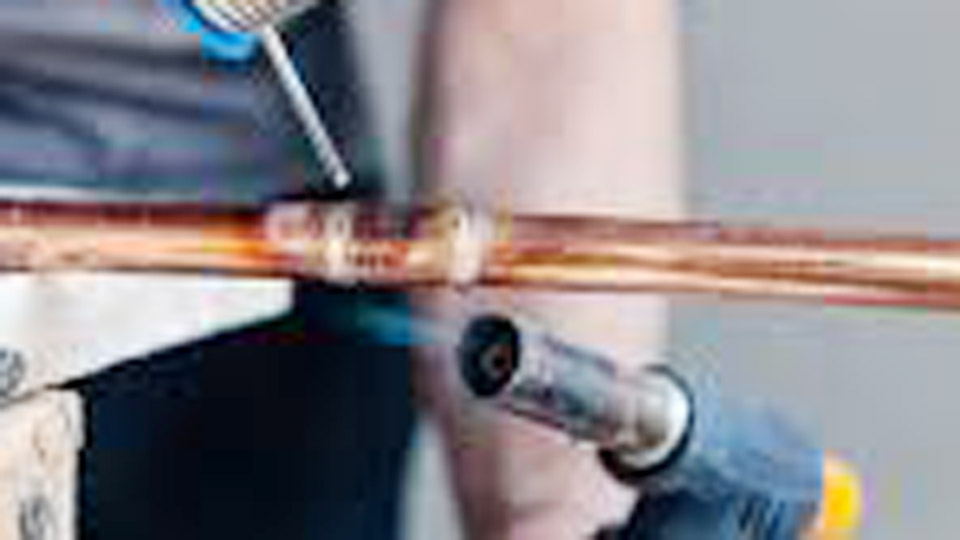
Image by wevolver
Temperature-Driven Classification of Soldering Processes
Soldering processes are classified primarily by the liquidus temperature of the filler metal, which governs heat input, flux requirements, joint clearance, and resulting bond characteristics. The boundary at 450°C (842°F) separates low-temperature processes from higher-strength ones, while further distinctions arise from filler composition and practical application demands.
Soft Soldering: Low-Temperature Capillary Joints Below 450°C
Soft soldering operates with filler metals that melt between approximately 90°C and 450°C, most commonly tin-lead or lead-free tin-based alloys such as Sn63/Pb37 (eutectic, melts at 183°C) or SAC305 (Sn96.5/Ag3/Cu0.5, melting range 217–220°C). The low heat input minimizes distortion on thin sections and heat-sensitive components like electronics.
In practice, joint clearance must stay tight—ideally 0.05–0.15 mm—to enable strong capillary draw. Wider gaps reduce shear strength significantly. Fluxes are typically rosin-based (R, RMA, RA) for electronics to avoid corrosion, or water-soluble organic acids for plumbing where post-cleaning is feasible. Acid-core solders suit copper pipe but destroy circuit boards if cross-used.
Electrical conductivity remains excellent due to the tin-rich matrix, making this the default for PCB assembly, wire terminations, and low-pressure copper tubing under 100 psi. Shear strength typically reaches 20–40 MPa depending on alloy and surface preparation, adequate for most non-structural loads but insufficient for high-vibration or high-temperature service.
Hard Soldering (Silver Soldering): Mid-Range Alloys 450–750°C
Hard soldering, often called silver soldering when using silver-bearing fillers, bridges the gap with alloys containing 30–55% silver or brass-based compositions that flow above 450°C but below typical brazing thresholds in many classifications. Common examples include BAg-1 (45% silver, flow point around 618°C) or lower-silver formulations for cost control.
This range delivers higher joint strength—often 150–250 MPa tensile—through improved wetting and diffusion at the interface while still avoiding base metal melting. Torch heating with oxy-acetylene or air-acetylene is standard, though induction offers precise localized control in production.
Fluxes shift to borax-based or fluoride-containing pastes that handle higher temperatures without breaking down prematurely. Joint clearance widens slightly to 0.05–0.25 mm. The process suits jewelry fabrication, musical instrument repairs, and precision metalwork where appearance and moderate strength matter.
In HVAC and refrigeration, low-temperature silver alloys join copper lines where full brazing heat might risk annealing the tubing excessively.
Brazing: High-Strength Capillary Filling Above 450°C (Typically 600–1100°C)
Brazing uses fillers with liquidus temperatures above 450°C, commonly 600–900°C for standard work or higher for specialized alloys. Popular fillers include BCuP (copper-phosphorus, self-fluxing on copper, flow ~700–800°C), BAg series silver brazing alloys (up to 850°C+), and nickel- or cobalt-based for extreme service.
The higher temperature promotes greater atomic diffusion, yielding joints with tensile strengths often exceeding 300 MPa and superior thermal fatigue resistance. Capillary action still dominates, but joint gaps of 0.025–0.15 mm are optimal; excessive clearance causes voids, while too-tight gaps restrict flow.
Heat sources include oxy-fuel torches, furnace atmospheres (reducing or vacuum for reactive metals), or induction. Flux selection becomes critical—high-temperature borates or fluorides that form protective slags.
Brazing excels in structural plumbing, automotive AC lines, tool repairs, and dissimilar metal combinations (e.g., steel to copper) where welding would cause cracking due to metallurgical incompatibility.
High-Temperature Soldering / Specialized Variants
Some technical classifications extend the list to a fourth category encompassing high-temperature brazing or specialized processes operating near or above 900–1100°C with nickel, gold, or palladium fillers. These approach welding temperatures but maintain the non-fusion principle.
Applications include aerospace components, turbine blade repairs, or vacuum furnace work on superalloys where corrosion resistance and creep strength at elevated service temperatures are non-negotiable.
Filler flow and wetting rely on tightly controlled atmospheres to prevent oxidation. Joint design emphasizes larger fillets for stress distribution. This category overlaps with brazing in many workshops but requires distinct equipment and procedure qualifications when service conditions demand it.
Filler Metal Selection and Metallurgical Considerations
Filler choice determines not just melting range but wetting behavior, corrosion resistance, and compatibility with base metals. Tin-lead alloys offer superb flow and low cost but face RoHS restrictions in many markets. Lead-free alternatives like SAC alloys demand tighter process windows due to higher melting points and reduced wetting on oxidized surfaces.
Silver-bearing fillers improve ductility and strength but increase material cost. Phosphorus-copper alloys self-flux on copper and brass, eliminating separate flux application in many pipe joints, yet they become brittle with iron or nickel-containing alloys. For dissimilar metals, silver or nickel-based fillers reduce galvanic corrosion risks compared to pure tin systems.
Surface preparation directly affects results. Mechanical cleaning to bright metal followed by immediate fluxing prevents oxide reformation. In production, chemical etching or ultrasonic cleaning ensures repeatability.
Heat Source and Equipment Decisions for Each Type
Soft soldering primarily uses temperature-controlled soldering irons (15–60W for electronics, higher for heavy wire), hot-air stations, or wave/solder pots in manufacturing. Tip temperature is typically set 30–50°C above alloy liquidus to account for heat sinking. For occasional heavy work, propane torches provide bulk heat but risk overheating small components.
Hard soldering and brazing rely on torches—air-acetylene for precision silver work, oxy-acetylene for faster heating of larger assemblies. Flame adjustment matters: neutral or slightly reducing flames minimize oxidation.
Induction heaters deliver repeatable, non-contact heating ideal for automated lines or heat-sensitive zones. Furnace brazing with controlled atmospheres supports batch production of complex geometries.
Real-world decision: On thin copper tubing (under 1/8″ wall), excessive oxy-acetylene heat can burn through or cause annealing that reduces burst pressure. Switch to air-acetylene or low-temperature silver solder to preserve temper.
Joint Design and Clearance Guidelines
All capillary processes demand specific joint geometries. Lap joints outperform butt joints due to increased bonding area. Overlap length should equal at least three times the thinner member’s thickness for optimal strength.
Clearance tolerances:
- Soft solder: 0.05–0.20 mm (tighter for electronics)
- Silver/hard solder: 0.05–0.25 mm
- Brazing: 0.025–0.15 mm (tighter at higher temperatures as fluidity increases)
Fixtures or self-jigging designs maintain alignment during heating. Thermal expansion differences between dissimilar metals require compensation through design or sequential heating.
Flux Chemistry and Post-Process Cleaning
Flux removes oxides, prevents re-oxidation, and promotes wetting. Rosin fluxes for soft soldering leave non-corrosive residues suitable for electronics if no-clean formulations are chosen. Acid fluxes demand thorough water rinsing and neutralization to prevent long-term corrosion.
High-temperature fluxes for brazing form glassy slags that must be mechanically or chemically removed. Incomplete cleaning traps corrosive residues that initiate pitting in humid or chemical environments.
In plumbing and HVAC, failure to remove flux residues is a leading cause of premature joint failure despite correct alloy selection.
Real-World Applications and Process Matching
Electronics assembly and repair default to soft soldering with lead-free or Sn63/Pb37 wire, fine tips, and controlled preheat to avoid delamination or tombstoning of components. Wave or selective soldering handles through-hole production efficiently.
Plumbing and HVAC copper lines use soft solder for domestic water (up to ~100 psi, low temperature) but shift to silver brazing or BCuP alloys for refrigerant lines that experience pressure cycling and vibration. Many manufacturers specify 15% silver brazing rod with nitrogen purge to prevent internal scale.
Jewelry and artistic metalwork employ hard soldering with progressively lower-melting silver alloys (hard, medium, easy flows) to allow multiple joints on one piece without disturbing earlier work. Torch control prevents melting fine details or fire scale formation.
Structural repairs and dissimilar metal joining favor brazing for its strength and ability to bridge metallurgical differences without the heat-affected zone issues of fusion welding.
Automotive and marine applications often combine processes: soft soldering for wiring harnesses, brazing for radiator cores or exhaust brackets.
Process Limitations and When to Choose Welding Instead
Soldering and brazing never melt the base metal, so joint strength is limited by the filler and interface. For applications exceeding 400–500°C service temperature or requiring full base metal strength, fusion welding (TIG, MIG, stick) becomes necessary.
Vibration-heavy or impact-loaded structures may exceed soldered joint fatigue limits. Pressure vessel codes often restrict soldered joints to specific low-pressure categories.
Thermal cycling performance varies: soft soldered joints creep more readily at elevated temperatures, while properly executed brazed joints maintain integrity closer to their solidus.
Decision Framework for Selecting the Correct Soldering Type
Evaluate these factors in order:
- Service temperature and pressure requirements
- Required mechanical strength and fatigue life
- Base metal types and thicknesses
- Heat sensitivity of surrounding components or temper
- Regulatory and environmental constraints (lead content, flux residues)
- Available equipment and production volume
- Post-joint cleaning and inspection feasibility
For a 1/2″ copper water line at room temperature: soft soldering with lead-free wire suffices. For the same line carrying hot refrigerant under pressure with vibration: move to silver brazing with proper purge and flux management.
For a high-strength steel-to-brass structural bracket: brazing with appropriate nickel or silver alloy after verifying compatibility.
Advanced Insight for Professional Welders
Experienced fabricators recognize that the strongest variable in any soldered or brazed joint is not the alloy specification but the operator’s control of heating rate, dwell time, and flux activity window. Rapid heating can cause flux to burn off before the filler flows; prolonged heating promotes excessive intermetallic growth that embrittles the interface.
Mastery comes from developing consistent torch or iron technique that brings the entire joint to temperature uniformly, allowing the filler to flow completely through the capillary path and form a small, concave fillet indicating full penetration without excess buildup.
In critical applications, sectioning sample joints for microscopic examination reveals wetting quality and void content far better than visual or pressure testing alone.
Final Thoughts
The right soldering process transforms a weak point into a reliable connection when temperature, filler, flux, and joint design align with actual service demands. Master these distinctions and your fabricated or repaired assemblies will consistently outperform generic approaches in both testing and long-term field performance.
FAQs
What is the main difference between soft soldering and brazing?
Soft soldering uses filler metals below 450°C for low-strength, high-conductivity joints ideal for electronics and light plumbing. Brazing operates above 450°C with stronger fillers for structural and high-pressure applications.
Can I use plumbing solder for electronics work?
No. Plumbing solders often contain acid fluxes that corrode copper traces and component leads over time. Use rosin or no-clean fluxes formulated for electrical work.
Is silver soldering the same as brazing?
In practice, the terms overlap significantly. Silver soldering typically refers to lower-temperature silver alloys within the hard soldering or brazing range, while brazing encompasses a broader set of higher-melting fillers.
Which soldering type is best for HVAC refrigerant lines?
Brazing with 15% silver or copper-phosphorus rods using nitrogen purge provides the necessary strength, leak resistance, and vibration tolerance. Soft soldering lacks durability under pressure cycling.