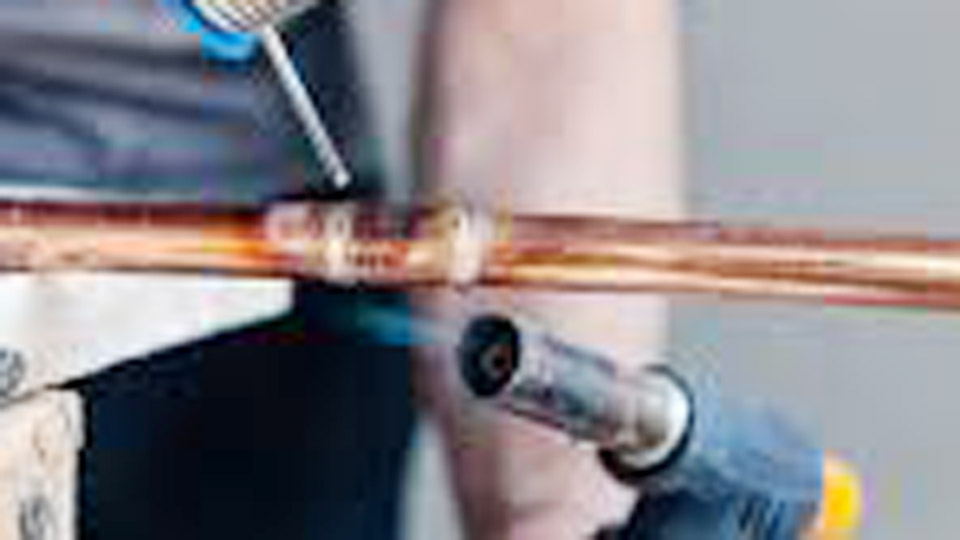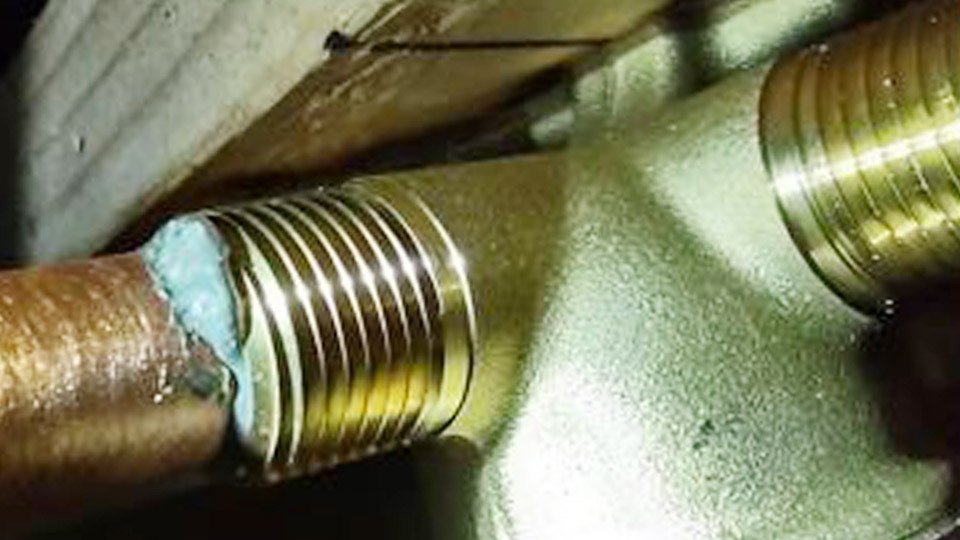
Old copper plumbing joints that test high for lead often trace back to 50/50 tin-lead solder used before the mid-1980s. The question of how dangerous is lead solder in plumbing pipes is not theoretical: stagnant or corrosive water dissolves lead from those joints and delivers it directly into drinking water.
Even low concentrations accumulate in the body, with no established safe blood-lead threshold. Children, fetuses, and long-term residents face the highest measurable harm—reduced IQ, developmental delays, elevated blood pressure, and kidney impairment.
Because millions of U.S. homes still contain these joints, understanding leaching mechanisms, regulatory limits, and mitigation thresholds is essential for accurate risk decisions rather than generic warnings.
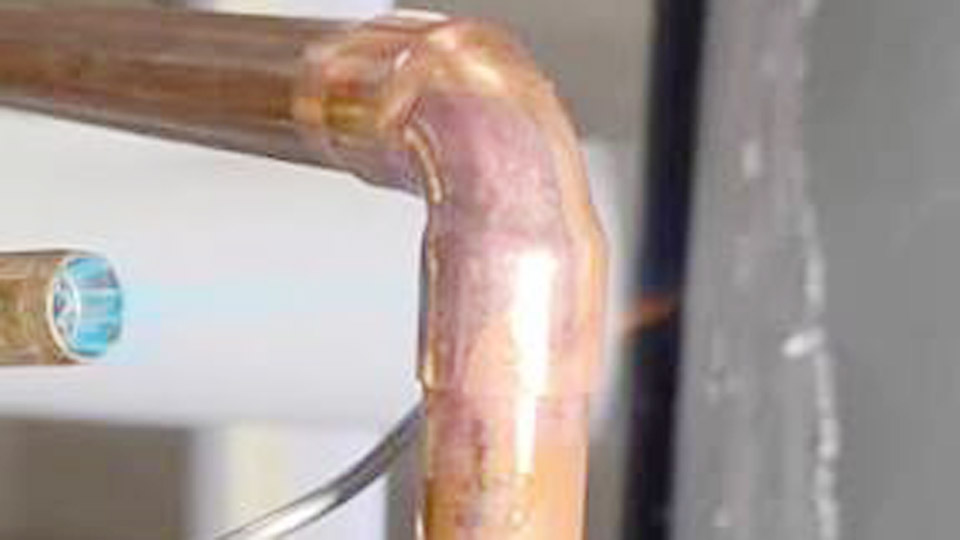
Image by ig
Why Lead Solder Continues to Contaminate Water Decades After the Ban
Lead-tin solder joints remain a primary indoor source of lead in many pre-1987 copper systems because the metal is never fully isolated from the water stream.
Galvanic Corrosion at Copper-Solder Interfaces
When lead-tin solder contacts copper pipe, a galvanic cell forms. The solder acts as the anode and corrodes preferentially. Soft water, low alkalinity, or elevated chloride accelerates the reaction, releasing dissolved lead ions.
Studies document sporadic spikes exceeding 1,000 ppb at individual faucets when conditions favor corrosion, levels higher than many documented lead-service-line events.
Stagnation Time and First-Draw Concentration
Lead release increases with contact time. Overnight stagnation routinely produces the highest first-draw samples. Running the tap for 30–60 seconds lowers concentration, but the reduction is temporary if the source remains. Hot water accelerates leaching; cold water drawn after prolonged stagnation still carries elevated lead.
Water Chemistry That Amplifies Release
Low pH (<7.0), low hardness, and free chlorine versus chloramine all influence rate. Free chlorine can sometimes reverse the galvanic couple over months and form a protective Pb(IV) scale, reducing release.
Chloramine systems frequently show sustained higher lead from the same solder. Utilities without optimized corrosion control leave solder joints exposed.
Regulatory Thresholds and What “Lead-Free” Actually Means
Federal limits define the legal boundary, not a health guarantee.
1986 Safe Drinking Water Act Ban and Later Tightening
After June 1986, solder and flux used in potable-water systems could contain no more than 0.2 % lead. Pipes and fittings were later restricted to a weighted-average 0.25 % lead on wetted surfaces (Reduction of Lead in Drinking Water Act, 2011).
Products sold for potable use must now carry third-party lead-free certification. Non-lead-free solder may still be sold only with a clear label stating it is illegal for drinking-water plumbing.
Current Action Levels Versus Health Goals
The EPA maximum contaminant level goal for lead remains zero. The action level under the Lead and Copper Rule has moved from 15 ppb toward 10 ppb in recent revisions. Exceedance of the action level triggers public notification, corrosion-control optimization, and service-line replacement requirements.
Individual faucet samples can still exceed these numbers long after system-wide compliance is declared because premise plumbing is outside utility control.
Measurable Health Consequences of Chronic Low-Level Exposure
Dose-response data leave little margin for residual solder.
Neurological and Developmental Impact in Children
Blood-lead concentrations as low as 3.5 µg/dL are associated with measurable IQ loss, attention deficits, and behavioral changes. Children’s higher water intake relative to body weight and greater gastrointestinal absorption amplify the effect. Prenatal exposure via maternal blood crosses the placenta and impairs fetal brain development.
Adult Cardiovascular and Renal Effects
Long-term low-level exposure raises systolic blood pressure and contributes to chronic kidney disease. Population studies link cumulative lead burden to hundreds of thousands of cardiovascular deaths annually in the United States. Symptoms—fatigue, irritability, abdominal pain—appear only at higher concentrations; subclinical damage occurs silently.
Bioaccumulation and Release During Pregnancy or Illness
Lead stored in bone is mobilized during pregnancy, lactation, or periods of high bone turnover, re-exposing both mother and child years after the original water exposure ends.
Identifying Lead Solder in Existing Plumbing Without Destructive Testing
Visual and historical clues guide prioritization.
Age of Construction and Joint Appearance
Homes built or plumbed before 1987 are the highest-probability candidates. Lead-tin solder often appears dull gray and slightly thicker than modern lead-free alloys. Silver-colored modern solders (tin-antimony or tin-copper) are usually brighter.
Records, original plumbing invoices, or a licensed plumber’s inspection provide stronger confirmation than appearance alone.
Targeted Water Sampling Protocol
Collect a first-draw sample after at least six hours of stagnation, then a flushed sample. Laboratories accredited for EPA Method 200.8 or equivalent report results in µg/L (ppb). Concentrations above 5–10 ppb warrant further investigation of individual joints or fixtures.
Practical Mitigation Hierarchy When Lead Solder Is Confirmed
Risk reduction follows a ranked sequence of effectiveness and cost.
Point-of-Use Filtration and Flushing
NSF/ANSI 53-certified filters for lead removal, installed at the kitchen sink, reduce exposure immediately. Flushing cold water for one minute before use lowers first-draw levels but does not eliminate the source. Never use hot-tap water for cooking or formula.
Selective Joint Replacement Versus Full Repipe
Replacing only the highest-contributing joints can drop lead levels substantially when sampling isolates them. Full copper or PEX replacement eliminates the source but requires opening walls. Partial replacements must use certified lead-free solder or mechanical fittings; residual galvanic cells can form if dissimilar metals remain.
System-Wide Corrosion Control
Utilities that raise pH, add orthophosphate, or adjust alkalinity reduce leaching from remaining solder. Homeowners cannot replicate these treatments; they can only request data from the water supplier and adjust indoor practices accordingly.
Decision Thresholds for Testing, Remediation, or Relocation
Prioritize based on occupancy and measured concentration.
Households with Children or Pregnant Occupants
Any confirmed lead above the laboratory detection limit justifies immediate filtration and professional evaluation. Blood-lead testing of children under six provides the definitive exposure metric.
Commercial or Multi-Family Buildings
Multiple joints multiply the source term. Comprehensive sampling of every kitchen and bathroom, followed by prioritized replacement, is the only reliable path to sustained compliance.
Wrapping Up
When measured lead from solder joints exceeds 10–15 ppb after flushing, filtration alone is a temporary bridge; permanent removal of the lead-bearing alloy is the performance standard that eliminates ongoing accumulation risk.
Advanced practice further includes documenting every remaining joint location and water-chemistry parameters so future owners or inspectors can track residual exposure without repeating full investigative sampling.