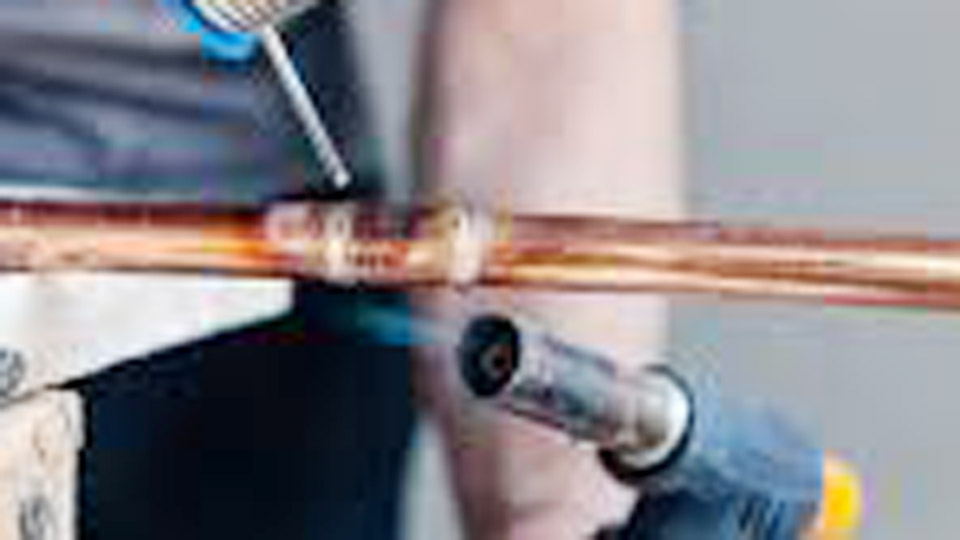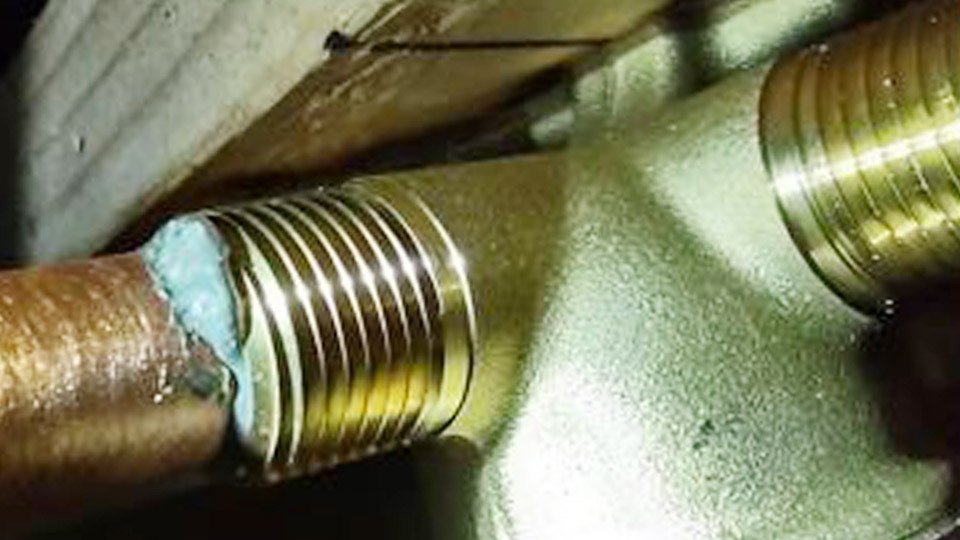
Flux plays a critical role in producing clean, reliable solder joints by removing oxides, preventing contamination, and improving solder flow. Understanding the Different Types of Flux for Soldering is essential because each formulation is designed for specific metals, applications, and cleaning requirements.
Choosing the wrong flux can result in weak joints, poor wetting, corrosion, excessive rework, or failed electrical and mechanical connections.
Whether you’re repairing electronics, soldering copper plumbing, or working on precision fabrication, selecting the appropriate flux directly affects joint quality, efficiency, and long-term reliability.
I’ll explain the major flux types, how they differ, and when each should be used so you can make informed decisions and achieve consistent soldering results across a wide range of projects.
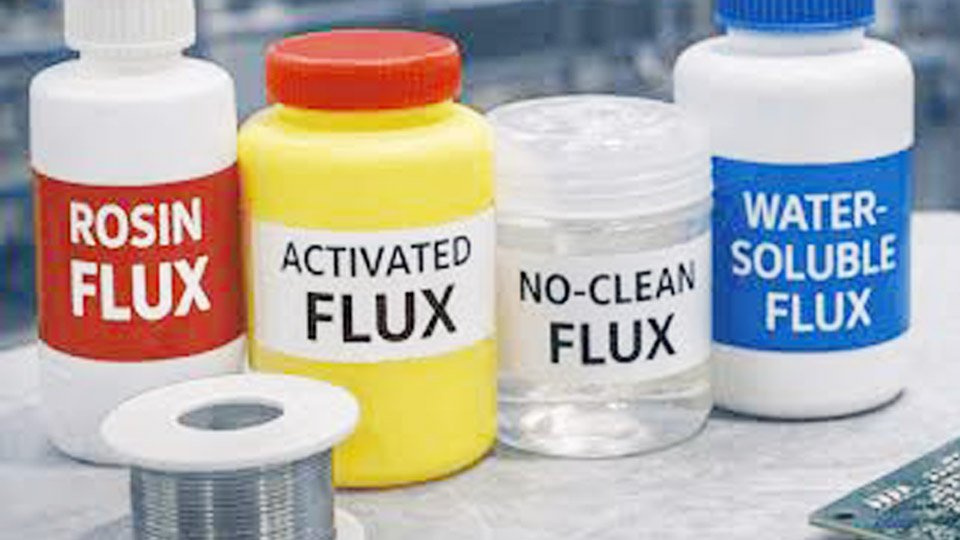
Image by powertechindia
Understanding Flux Fundamentals in Soldering
Flux performance hinges on its ability to chemically react with oxides while shielding the joint from atmospheric oxygen. Activity level dictates oxide removal power, while residue characteristics determine cleaning needs and long-term reliability.
Flux Activity Levels and J-STD-004 Classification
The IPC J-STD-004 standard classifies fluxes by composition, activity, and halide content. Codes like ROL0, ROM1, or ORM0 provide precise indicators:
- RO (Rosin-based): Natural or modified pine resin.
- OR (Organic): Water-soluble organic acids.
- L/M/H: Low, moderate, or high activity.
- 0/1: Halide-free or halide-containing (up to specific percentages).
Low-activity fluxes (L) suit delicate electronics with minimal residue concerns. Moderate (M) or high (H) activity excels on oxidized or difficult metals but often requires thorough cleaning. Halides boost activity for faster oxide removal but can introduce corrosion risks if residues remain.
How Flux Interacts with Base Metals
Copper and its alloys solder readily with milder fluxes due to relatively weak oxide bonds. Nickel, stainless steel, or heavily tarnished surfaces demand stronger activation. Aluminum and magnesium typically require specialized inorganic fluxes or alternative processes, as standard soldering fluxes struggle with their tenacious oxides.
Temperature tolerance also matters. Flux must remain active up to the solder’s liquidus point (typically 180–250°C for common tin-lead or lead-free alloys) without decomposing prematurely or leaving conductive residues.
Rosin-Based Fluxes: Traditional Performance for Electronics and General Use
Rosin fluxes, derived from pine tree resin, dominate hand soldering and rework in electronics. They offer a balance of activation and protective residue.
Subtypes: R, RMA, and RA Fluxes
R (Rosin, Non-Activated or Low Activity): Minimal activators. Leaves hard, non-corrosive residue. Best for clean, new components where oxide levels are low. Excellent for high-reliability applications but may not wet heavily oxidized surfaces effectively.
RMA (Rosin Mildly Activated): Common choice for general electronics. Contains activators (often halides in controlled amounts) that enhance oxide removal without excessive residue. ROL0 and ROL1 variants are popular “no-clean” options in practice.
RA (Rosin Activated): Higher activator content for challenging joints. Provides superior wetting on tarnished leads or larger connections but leaves more residue that typically requires cleaning with isopropyl alcohol (IPA) or specialized solvents.
Rosin residues are generally non-conductive and non-corrosive once cooled, forming a protective coating. However, in humid or high-voltage environments, cleaning is advisable to prevent long-term issues.
Practical Applications and Limitations
Rosin fluxes excel in through-hole and surface-mount hand soldering, desoldering, and rework. They perform well on copper, brass, and tinned surfaces common in electronics and light fabrication. For hobbyists building guitar pedals or repairing vintage equipment, RMA flux in liquid or pen form allows precise application.
Limitations include reduced effectiveness on heavily oxidized plumbing fittings or stainless steel. Residue buildup can attract dust over time in exposed assemblies.
No-Clean Fluxes: Efficiency for Modern Production and Minimal Maintenance
No-clean fluxes minimize post-soldering cleanup, making them ideal for high-volume work or assemblies where cleaning access is limited.
Composition and Residue Characteristics
These are often low-solids formulations (2-8% solids) based on modified rosin, synthetic resins, or organic compounds. They use minimal activators that volatilize or become inert during soldering. Popular designations include ROL0 and ORM0.
The residue is typically clear, non-tacky, and non-corrosive, with low ionic content to avoid electrochemical migration. Modern no-clean fluxes handle lead-free soldering temperatures effectively.
When to Choose No-Clean Over Other Options
Use no-clean for densely packed PCBs, consumer electronics, or production runs where solvent cleaning adds cost and time. Hobbyists and students benefit from reduced mess in bench work. They perform adequately on mildly oxidized surfaces but may underperform on heavily contaminated metals compared to more active fluxes.
In high-reliability or conformal-coated applications, verify compatibility through testing, as some residues can affect adhesion or cause issues under coatings.
Forms: Liquid, Paste, and Core Solder
No-clean fluxes come in pen dispensers for spot application, tacky paste for SMD work, and cored wire for convenient hand soldering. Liquid versions in flux pens evaporate quickly, suiting fast production.
Water-Soluble Fluxes: High Activity with Thorough Cleaning Requirements
Water-soluble (organic acid) fluxes deliver aggressive oxide removal, suiting demanding applications where cleaning infrastructure exists.
Chemistry and Cleaning Process
These OR-classified fluxes use organic acids (e.g., adipic, succinic) and activators dissolved in water or solvents. They offer high activity and long working life during heating. Residues are highly corrosive if left on the board, necessitating immediate cleaning with deionized water and mild detergents or specific cleaners.
Ideal Use Cases in Soldering
Best for industrial PCB assembly, automotive electronics, or any scenario requiring maximum wetting on oxidized parts. They excel in wave soldering or reflow processes for complex boards. Plumbers and fabricators use water-soluble pastes for copper pipe joints, where post-cleaning is straightforward.
Avoid on assemblies sensitive to moisture or where full cleaning is impractical. Residue left behind can lead to dendrite growth or corrosion within days.
Comparison to Rosin and No-Clean
Water-soluble fluxes provide superior cleaning action and solder spread on difficult surfaces but demand rigorous rinsing and drying. Testing for ionic contamination (e.g., via resistivity of solvent extract) is common in professional settings to ensure reliability.
Acid and Inorganic Fluxes: Specialized for Plumbing and Heavy Metals
Acid fluxes (often zinc chloride or ammonium chloride-based) are highly aggressive for non-electronics work.
Applications in Pipe Soldering and Metalwork
These suit copper plumbing, HVAC, and sheet metal where high heat and oxidation are factors. They remove heavy scale effectively and promote excellent flow in larger joints. Tinning pastes combine flux with solder powder for pre-tinning.
Never use on electronics—residues are extremely corrosive to copper traces and components.
Safety and Post-Process Considerations
Neutralize and clean thoroughly with water. These fluxes are unsuitable for aluminum or stainless without specific formulations.
Flux Forms and Delivery Methods
Liquid Fluxes
Offer precise control via brush, pen, or dropper. Alcohol-based carriers evaporate quickly. Ideal for touch-up and rework.
Paste and Tacky Fluxes
Stay in place on vertical surfaces or SMD pads. Excellent for holding components during reflow or heavy wire soldering. Syringe dispensing allows micro-application.
Flux-Cored Solder Wire
Integrates flux internally for one-handed operation. Common in 0.5–1.5mm diameters for electronics. Choose core percentage (1-3% typical) based on joint size.
Solder Paste
Combines flux and powdered solder for SMT. Flux type within paste (no-clean, water-soluble, etc.) dictates process compatibility.
Selecting Flux for Specific Soldering Scenarios
Electronics and PCB Work
Prioritize ROL0/RMA no-clean or low-residue rosin for most hobby and professional PCB soldering. Use water-soluble only with full cleaning capability. Match activity to component sensitivity and board cleanliness.
Plumbing and Copper Pipe Joints
Water-soluble or specialized plumbing pastes (lead-free) ensure reliable, leak-proof joints. Tinning pastes aid large-diameter work.
Stainless Steel or Difficult Alloys
Higher-activity rosin (RA) or specialized inorganic fluxes may be needed. Pre-cleaning and higher temperatures help. Test small samples first.
Lead-Free vs. Leaded Soldering
Lead-free alloys (higher melting points) benefit from more active fluxes to compensate for poorer wetting. No-clean formulations designed for SAC305 or similar are widely available.
High-Reliability or Harsh Environment Applications
Opt for cleaned rosin or thoroughly washed water-soluble fluxes. Avoid no-clean if conformal coating or extreme thermal cycling is involved without validation.
Technical Decision Framework for Flux Choice
Consider these factors in order:
- Base Metal and Oxide Condition — Mild fluxes for clean copper; aggressive for tarnished or nickel.
- Cleaning Capability — No-clean or rosin if limited; water-soluble if full wash possible.
- Joint Size and Heat Input — Higher solids/activity for larger thermal mass.
- Regulatory and Reliability Requirements — Halide content, ionic cleanliness standards.
- Process (Hand, Wave, Reflow) — Viscosity and activation matched to method.
A simple decision matrix:
| Application | Recommended Flux Type | Cleaning Needed? | Activity Level |
|---|---|---|---|
| Electronics PCB | No-Clean / RMA Rosin | Minimal | Low-Moderate |
| Plumbing Copper | Water-Soluble Paste | Yes | High |
| Rework/Oxidized | RA Rosin or Water-Sol. | Yes | Moderate-High |
| High-Reliability | Cleaned Rosin | Yes | Low-Moderate |
Advanced Considerations for Professional Results
Flux interaction with solder alloy affects intermetallic compound formation and joint ductility. Excessive activity can etch base metal, while insufficient leads to cold joints.
In reflow profiling, flux activation window must align with preheat and peak temperatures. For selective soldering, low-solids no-clean fluxes reduce bridging risks.
Environmental factors like humidity affect flux shelf life and performance—store sealed and away from extremes.
Wrapping
Choosing the right flux among the different types of flux for soldering transforms average joints into reliable, professional ones. Match chemistry to your materials, process, and cleanup reality rather than defaulting to the most popular option.
Professionals often maintain a small selection—low-activity no-clean for daily electronics, water-soluble for plumbing, and RA rosin for tough rework—to cover most scenarios efficiently. This targeted approach minimizes defects, reduces rework, and ensures assemblies perform under real-world stresses.
FAQ
What is the best flux for beginner electronics soldering?
RMA or no-clean rosin flux in pen or cored wire form. It provides good performance with forgiving residue characteristics and minimal cleanup.
Can I use plumbing flux for electronics?
No. Acid-based plumbing fluxes are too corrosive and will damage components and traces.
How do I know if no-clean flux residue needs removal?
For most consumer and hobby projects, it does not. In high-humidity, high-voltage, or coated assemblies, clean or validate through SIR (surface insulation resistance) testing.
Is water-soluble flux always better for strong joints?
It offers superior oxide removal but requires complete cleaning. On clean surfaces, milder rosin or no-clean often produces equivalent or superior long-term reliability.