Many welders face inconsistent penetration, excessive distortion, or slow production speeds when joining stainless steel, titanium, or aluminum parts—especially in precision applications or automated setups.
Plasma Arc Welding (PAW) addresses these issues through a highly constricted, high-energy-density arc that delivers focused heat input, enabling deeper penetration with minimal heat-affected zones (HAZ).
Understanding the advantages and disadvantages of plasma arc welding helps DIY enthusiasts, students, hobbyists, and professionals decide when this process outperforms TIG (GTAW) or MIG (GMAW) and when its trade-offs make it unsuitable.

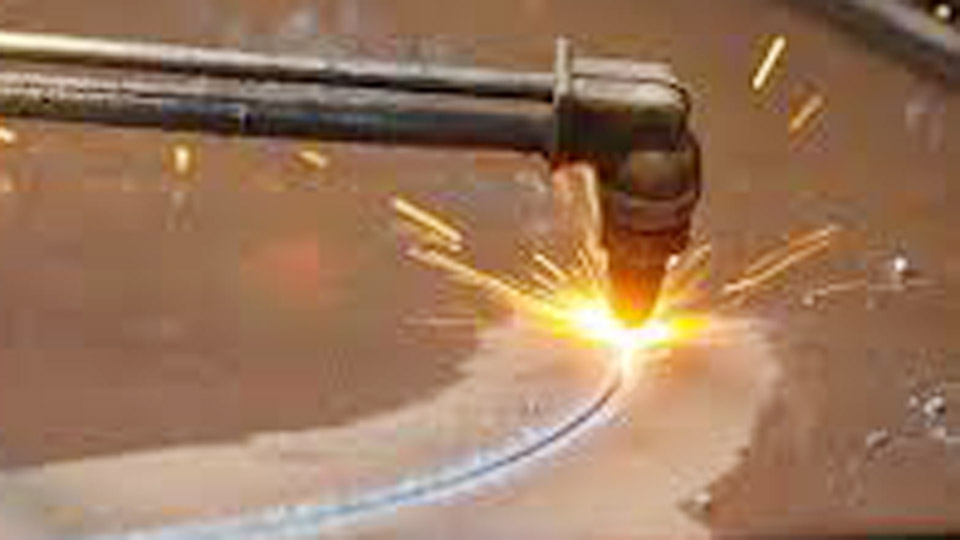
Image by haldencn
How Plasma Arc Welding Generates Its Unique Arc Characteristics
Plasma arc welding ionizes shielding gas (typically argon or argon-hydrogen mixtures) through a constricting copper orifice in the torch, creating a columnar plasma jet with temperatures exceeding 20,000–28,000°C and high current density.
A non-consumable tungsten electrode sits inside the torch, protected from contamination, while a separate shielding gas envelope protects the weld pool. This separation of plasma gas (for constriction) and shielding gas distinguishes PAW from standard TIG.
Operating Modes and Current Ranges
PAW operates in three primary modes that directly influence weld profile and suitability:
Microplasma (0.1–15 A): Produces a stable, needle-like arc tolerant of arc length variations up to 20 mm. Ideal for foil, wire mesh, or sheets as thin as 0.1 mm with minimal distortion.
Medium current (15–200 A): Delivers a stiffer arc than TIG, supporting melt-in fusion with better tolerance to surface contamination and moderate thicknesses.
Keyhole mode (>100 A): High plasma gas flow and current create a vapor cavity that fully penetrates the joint in a single pass, forcing molten metal to flow behind the keyhole via surface tension. Effective for 2.3–6.4 mm thicknesses in many materials.
These modes allow welders to match energy input precisely to material thickness and joint type, avoiding the diffuse arc issues common in conventional processes.
Key Process Parameters for Real-World Control
Effective PAW requires balancing plasma gas flow (typically 0.35–0.59 l/min for thin gauges, higher for keyhole), shielding gas flow (4.7–9.4 l/min or more), electrode setback (deeper setback increases constriction), orifice diameter, and travel speed. For stainless or mild steel around 1.6 mm (16 ga), settings often range 50–70 A with travel speeds of 20–25 ipm (51–64 cm/min).
Thicker sections in keyhole mode demand higher flows and currents to maintain the cavity without collapse. Variable polarity (VP) power sources benefit aluminum and non-ferrous alloys by cleaning the oxide layer during the positive cycle.
Proper parameter selection minimizes undercut, porosity, or incomplete fusion while maximizing speed and quality.
Primary Advantages of Plasma Arc Welding
PAW excels where precision, repeatability, and reduced post-weld processing matter most.
Superior Arc Stability and Tolerance
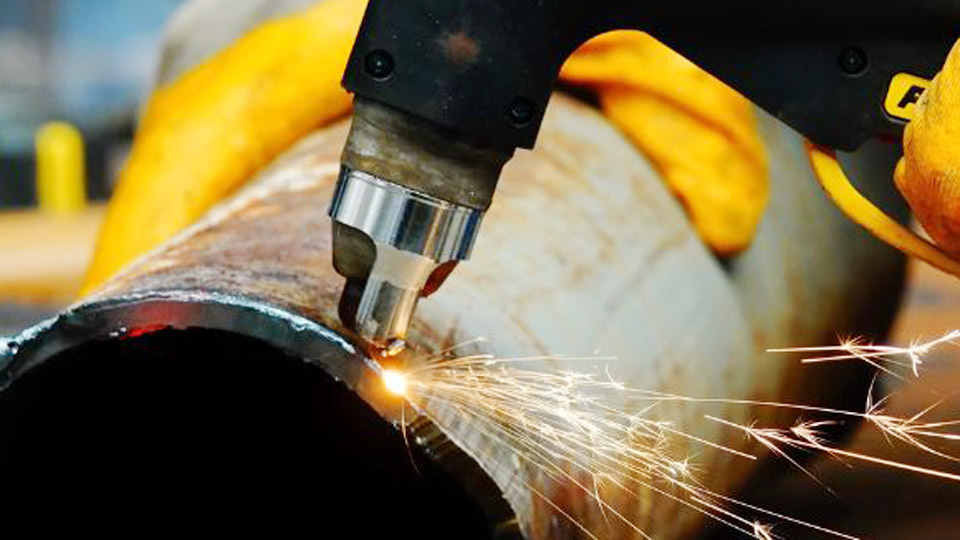
The constricted plasma column remains stable over longer arc lengths and tolerates greater standoff distance variations than TIG. This reduces arc wander and improves consistency in manual or mechanized setups, particularly on uneven surfaces or during automated welding of tubes and pipes.
Protected electrode location inside the torch further extends consumable life, often requiring changes only after 8 hours of operation versus frequent TIG electrode sharpening or replacement.
Deep Penetration and Reduced Heat Input Effects
Keyhole mode achieves full penetration in single-pass welds on materials up to 6–10 mm thick (depending on alloy), producing narrow, deep beads with smaller HAZ compared to TIG. Lower overall heat input reduces distortion, residual stresses, and the need for filler metal in many butt joints.
Resulting welds show cleaner surfaces, less spatter, and improved mechanical properties in critical applications. Travel speeds often exceed those of equivalent TIG welds, boosting productivity in high-volume environments.
Versatility Across Materials and Positions
PAW handles ferrous and non-ferrous metals amenable to GTAW, including stainless steel, titanium, aluminum alloys, and high-temperature materials. It performs in all positions and supports automation easily due to reliable arc starting via a pilot arc.
Low-current microplasma mode suits delicate components in electronics or medical devices, while higher settings tackle aerospace turbine blades or automotive exhaust systems.
Productivity Gains in Automated and Repetitive Work
In production, PAW reduces downtime through fewer electrode changes, consistent quality that lowers rework and scrap rates, and faster cycle times. These factors offset higher initial costs in aerospace, marine, tool-and-die, and petrochemical fabrication where weld integrity directly impacts performance and safety.
Notable Disadvantages of Plasma Arc Welding
Despite its strengths, PAW presents barriers that limit adoption for many users.
High Equipment and Operating Costs
PAW systems require complex torches with water cooling (due to extreme temperatures), dedicated power supplies (often constant-current DC or VP), control consoles for pilot arc and gas mixing, and coolant recirculators.
Initial investment significantly exceeds standard TIG setups, with ongoing expenses for precision orifices, nozzles, and maintenance. Torch bulkiness can complicate access in tight spaces compared to slimmer gas-cooled TIG torches.
Skill Requirements and Training Demands
Operators need specialized training to manage multiple gas flows, electrode setback, and mode transitions. Precise parameter control prevents keyhole instability (collapse leading to lack of fusion or blow-through). While automation reduces operator skill needs once programmed, manual PAW demands more expertise than basic MIG or stick processes.
Noise, Radiation, and Maintenance Considerations
The high-velocity plasma jet generates noise levels around 100 dB, requiring hearing protection and often enclosure for prolonged use. Intense UV and infrared radiation necessitate robust PPE.
Water-cooled torches and sensitive components increase maintenance frequency; nozzle and electrode wear occurs faster under high-duty cycles, demanding clean gas supplies and regular torch inspection to avoid failures.
Limitations in Flexibility and Joint Tolerance
Although more tolerant than laser or electron beam welding, PAW still prefers tighter joint fit-up than MIG for optimal keyhole performance. Greater heat input relative to laser/electron beam can produce wider beads and HAZ in some cases, potentially affecting properties in heat-sensitive alloys if parameters are not optimized.
Plasma Arc Welding vs TIG and MIG: Practical Decision Framework
When comparing processes, focus on production volume, material thickness, quality requirements, and budget.
Against TIG (GTAW): PAW offers stiffer arc, deeper penetration at higher speeds, smaller HAZ, and better electrode protection. TIG remains simpler, cheaper, and more portable for field work or one-off repairs on thin materials. Choose PAW for repetitive precision welds or thicker sections needing single-pass keyhole; stick with TIG for maximum portability and lower setup costs.
Against MIG (GMAW): MIG provides higher deposition rates and easier operation for thicker structural work but introduces more spatter, wider beads, and larger HAZ. PAW delivers superior cleanliness, precision, and mechanical properties for stainless or exotic alloys, though at slower deposition for very thick plates where multi-pass MIG might win on speed and cost.
For hybrid approaches, some fabricators use PAW for root passes (high quality, low distortion) followed by MIG fill passes for productivity.
Real-World Applications and Performance Takeaways
Aerospace manufacturers rely on PAW for turbine blades and lightweight titanium structures where minimal distortion preserves aerodynamic tolerances. Automotive shops use it for exhaust manifolds and high-performance components requiring clean, strong welds.
Medical device production benefits from microplasma on thin stainless or titanium tubing. Pipe and tube fabrication in chemical processing exploits keyhole mode for consistent circumferential welds with reduced filler.
In high-volume automated lines, PAW often yields net savings through reduced rework and faster throughput despite higher capital costs.
Choosing Plasma Arc Welding for Your Needs
Evaluate your workflow against these factors: high-precision or automated production on stainless, titanium, or aluminum favors PAW for its stability, penetration, and low distortion. Thin or delicate parts benefit from microplasma control.
Budget-constrained hobby or field work usually favors TIG or MIG for simplicity and lower entry costs. Test parameters on scrap matching your exact alloy and thickness—small changes in plasma flow or travel speed dramatically affect keyhole stability and bead profile.
For professionals scaling operations, PAW integrates well with robotics, delivering repeatable results that justify the investment through quality and efficiency gains.
Final Thoughts
Plasma arc welding delivers unmatched control and efficiency in the right applications, but its success hinges on matching process capabilities to production realities and investing in proper parameter development.
Advanced users optimize keyhole dynamics by fine-tuning plasma gas flow and travel speed to achieve stable, high-integrity welds that rival laser processes at a fraction of the equipment cost—pushing the boundaries of what arc-based systems can reliably accomplish in demanding fabrication environments.
FAQs
Is plasma arc welding better than TIG for stainless steel?
PAW often outperforms TIG on stainless with faster speeds, deeper single-pass penetration in keyhole mode, smaller HAZ, and less distortion. TIG offers better accessibility and lower cost for manual, low-volume, or field repairs.
What materials and thicknesses work best with plasma arc welding?
PAW suits stainless steel, titanium, aluminum, and nickel alloys. Microplasma handles 0.1 mm foils; keyhole mode excels on 2–6 mm plates for single-pass full penetration. Thicker sections may require multi-pass or hybrid approaches.
How expensive is plasma arc welding equipment compared to other processes?
PAW systems carry significantly higher upfront and maintenance costs due to water-cooled torches, control consoles, and precision components. Savings appear in high-production environments through reduced labor, rework, and consumables.
Does plasma arc welding require water cooling and special gases?
Yes. High temperatures necessitate water cooling for the torch. Plasma gas (argon or mixtures) flows through the orifice for constriction, while separate shielding gas protects the pool. Clean, dry gas supplies are critical to prevent contamination and nozzle wear.