
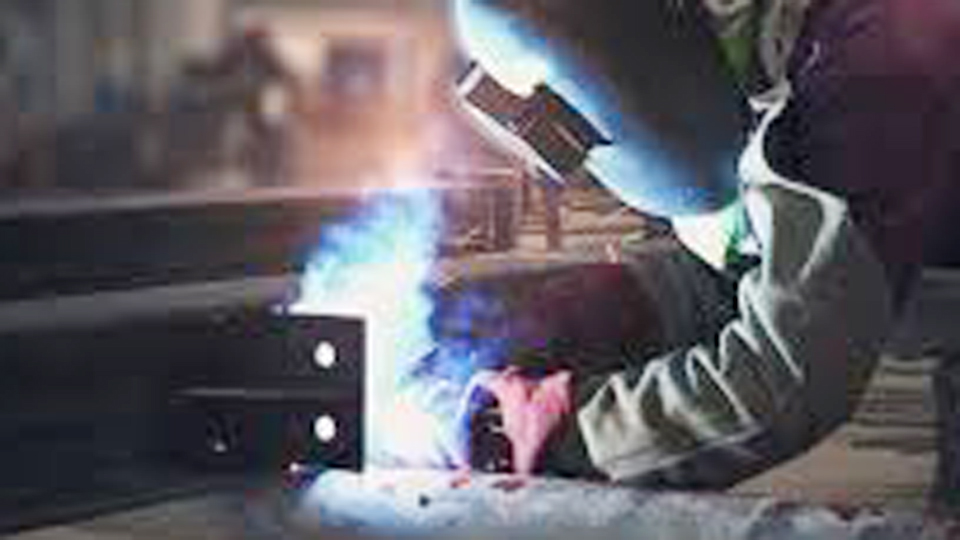
Types of Flux in Welding: Choosing the Right Chemistry for Strength, Position, and Toughness
Selecting the wrong flux type produces welds that look acceptable on the surface yet fail under load or inspection. A

Selecting the wrong flux type produces welds that look acceptable on the surface yet fail under load or inspection. A
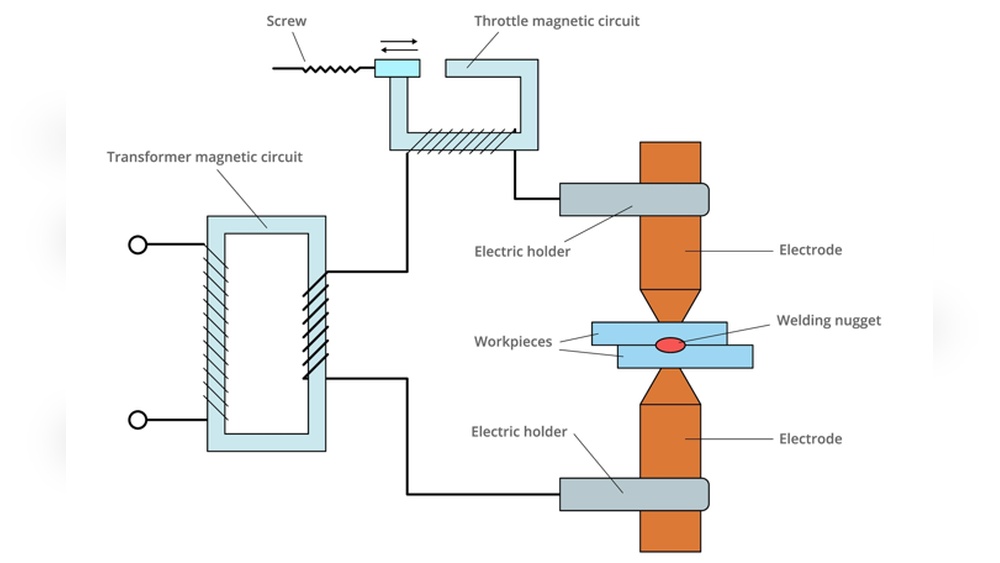
A spot welding machine joins metal by using heat and pressure rather than a continuous arc or filler metal. Understanding
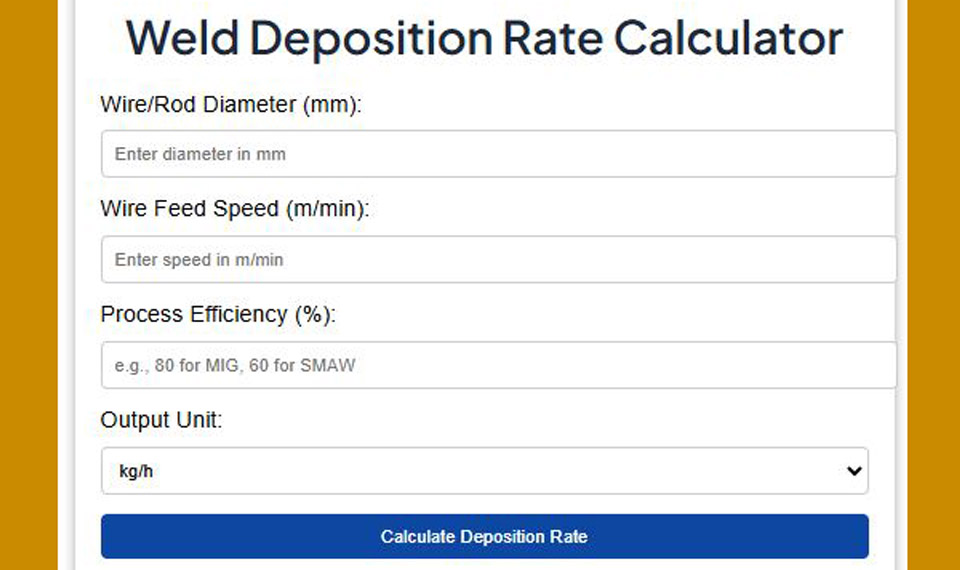
Estimating weld time or filler metal usage from memory often produces large errors—jobs finish late, consumable orders fall short, or
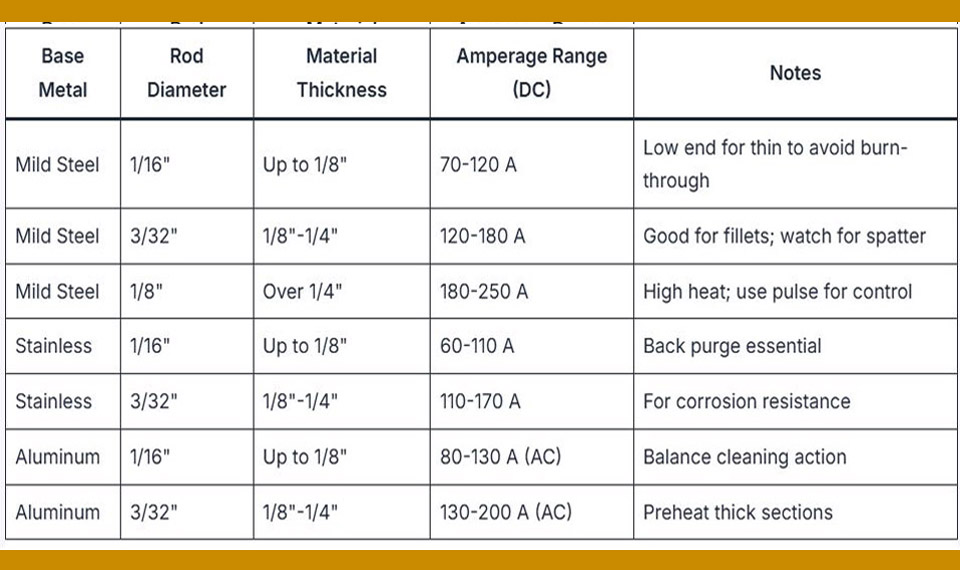
Choosing the wrong TIG filler rod produces cracks, lack of fusion, or corrosion failures even when amperage and technique appear
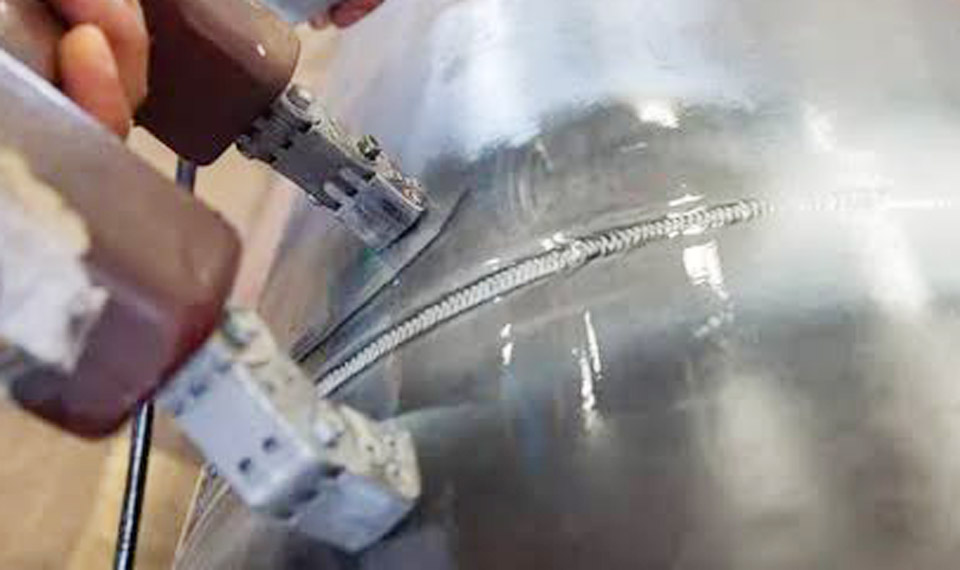
A weld that looks perfect can still fail radiography, ultrasonic examination, or a bend test, leading to costly rework, delayed
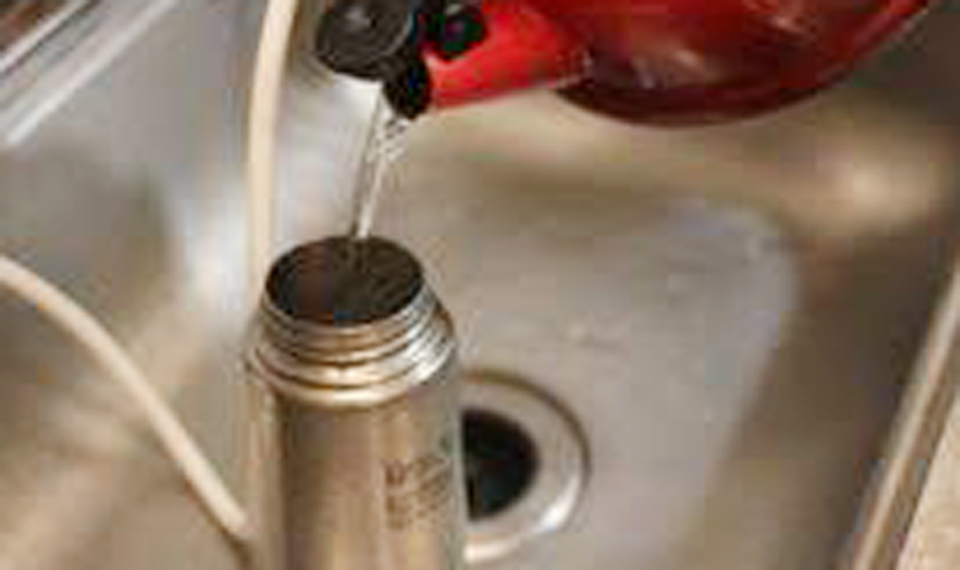
A stainless steel water bottle can develop a stubborn odor when moisture, bacteria, coffee, sports drinks, or other residues remain

Green oxidation on copper is more than a cosmetic problem—it can indicate prolonged exposure to moisture, air, or corrosive substances.
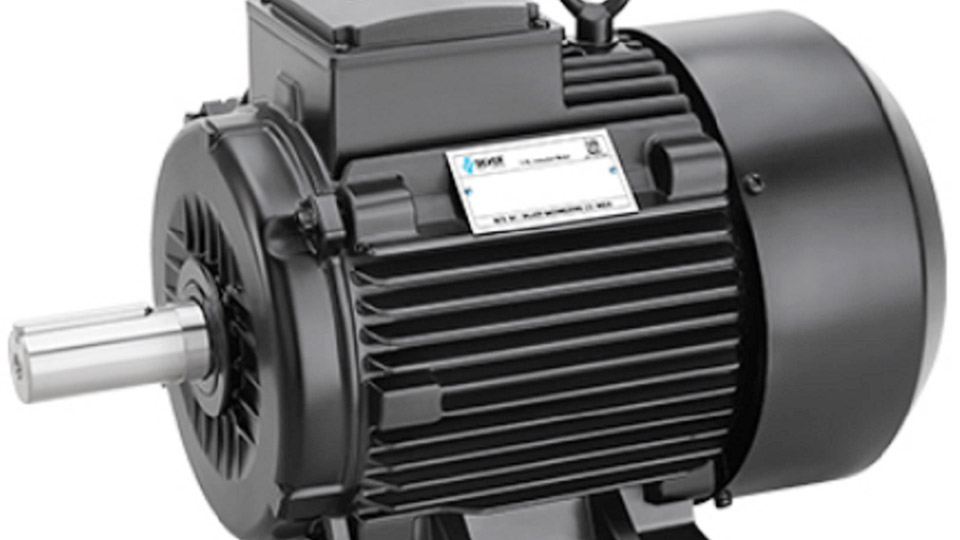
Wrong motor speed on a welding positioner causes irregular travel rates that produce inconsistent bead profiles and incomplete fusion. The
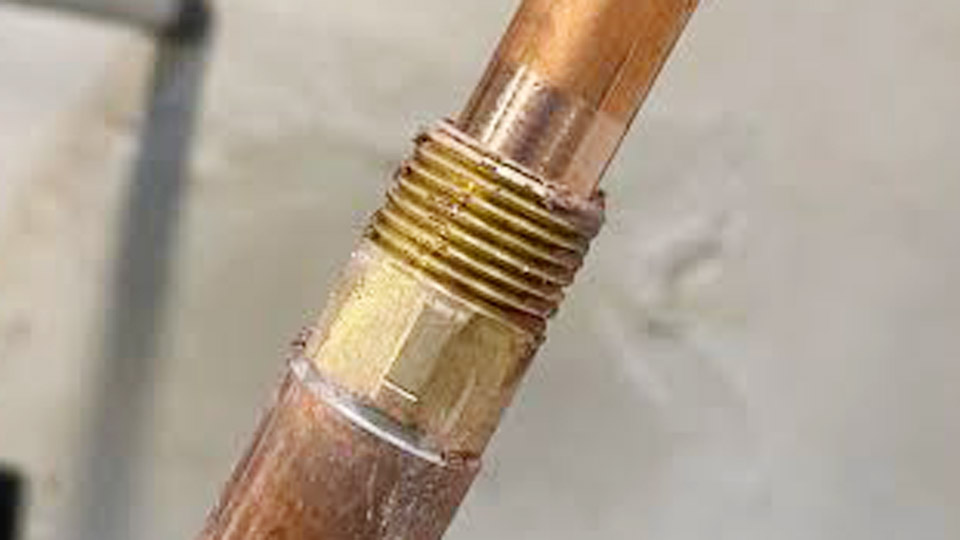
A common failure point in mixed-metal plumbing occurs when copper pipe meets a threaded brass valve, faucet, or adapter and
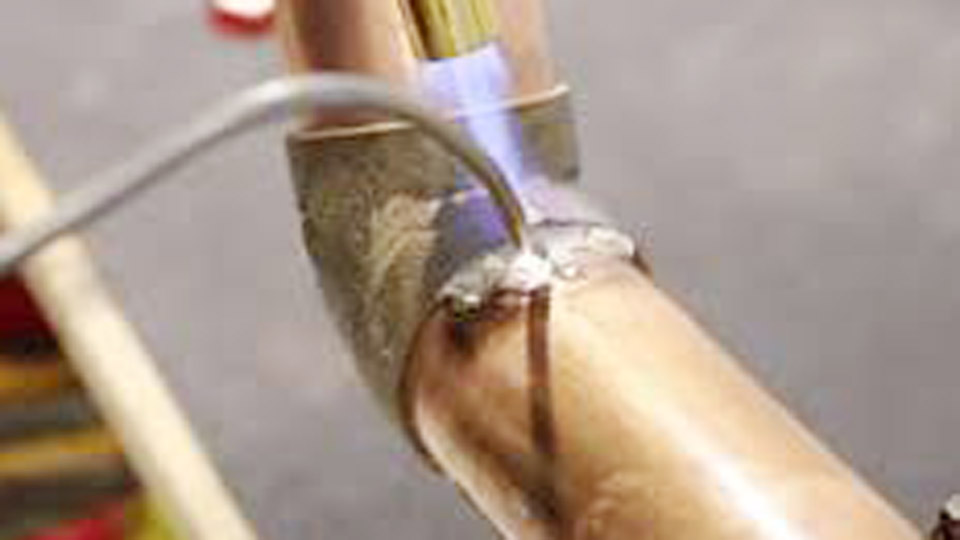
Aluminum melts or loses strength while copper is still absorbing heat, leaving many operators with a melted tube, a cold