A stainless steel water bottle can develop a stubborn odor when moisture, bacteria, coffee, sports drinks, or other residues remain inside for too long. If regular rinsing no longer removes the smell, knowing how to get smell out of stainless steel water bottle helps restore it without damaging the stainless steel or leaving behind strong cleaning residues.
The odor may also come from the lid, silicone seal, straw, or other areas that are easily overlooked during cleaning. Using the wrong cleaner or scrubbing method can leave buildup behind or damage components over time.
The key is to identify where the odor is coming from and use a cleaning method that breaks down the residue rather than simply masking the smell. With the right approach, you can freshen the bottle, clean its hard-to-reach parts, and help prevent the odor from returning.
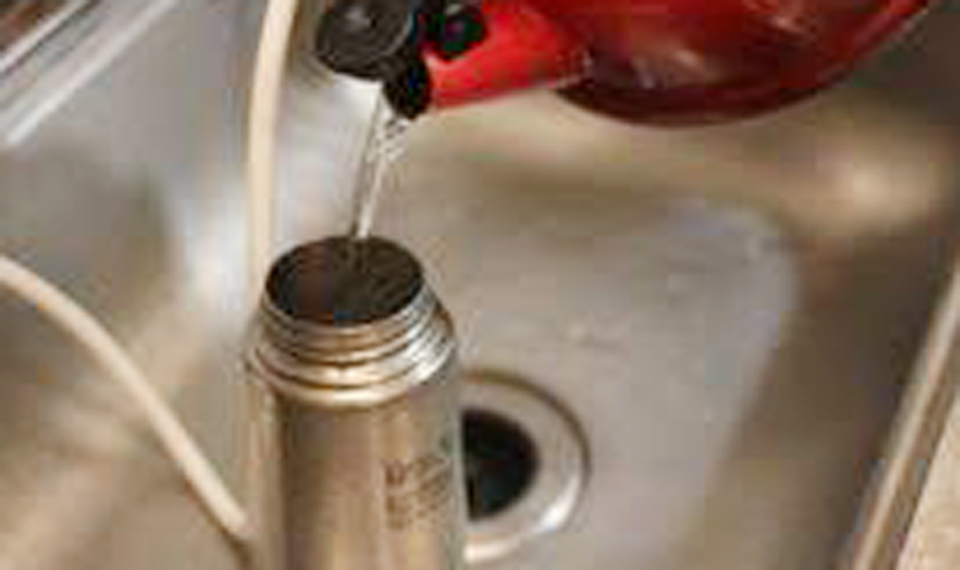
Image by instructables
Why Stainless Steel Bottles Develop Persistent Odors
Stainless steel (typically 18/8 or 304 grade) is non-porous, so bacteria and residues cannot embed into the metal the way they do in plastic. Odors form on the surface or in trapped moisture zones.
Biofilm Formation on Smooth Steel Surfaces
Mouth bacteria transfer with every drink. Combined with trace sugars, proteins, or minerals from water, coffee, or sports drinks, they form a thin invisible film. This biofilm produces volatile compounds responsible for musty, sour, or metallic smells. Warm, sealed conditions accelerate growth within hours.
Role of Lids, Gaskets, and Threads
Silicone gaskets, bite valves, straws, and screw threads retain moisture and organic debris far more effectively than the bottle body. These areas often escape routine rinsing. A gasket that stays damp overnight becomes the primary odor source even when the steel interior tests clean.
Impact of Beverage Type and Storage Habits
Coffee oils, tea tannins, protein residues, and electrolyte powders leave films that soap alone may not fully remove. Sealing a damp bottle after washing creates the ideal environment for mildew. Hard-water minerals can also contribute a chalky or metallic note that mixes with biological odors.
Proven Chemical Methods for Odor Removal
Different chemistries address different residue types. Match the method to the dominant smell.
Baking Soda Soak for Neutralizing Organic Odors
Sodium bicarbonate is alkaline and neutralizes acidic odor compounds while providing mild abrasion. Add 1–2 tablespoons of baking soda to the empty bottle, fill with warm (not boiling) water, seal, and shake vigorously for 30 seconds.
Soak 4–8 hours or overnight for stubborn smells. Scrub with a bottle brush, focusing on the base and neck, then rinse thoroughly until no grit remains. This method works especially well on coffee, protein, and general mustiness.
White Vinegar Soak for Biofilm and Mineral Deposits
Acetic acid in distilled white vinegar dissolves biofilm, kills many bacteria, and removes limescale. Fill the bottle halfway with undiluted vinegar or use a 1:1 vinegar-to-warm-water mix for milder cases.
Cap, shake, and soak 30–60 minutes (overnight for heavy odor). Scrub, then rinse three or more times until the vinegar scent disappears. Vinegar is safe on stainless steel when contact time is limited and rinsing is complete.
Combined Baking Soda and Vinegar Reaction
For residual film that survives single agents, add 1–2 tablespoons baking soda followed by ¼ cup vinegar. The resulting carbon dioxide fizz helps dislodge particles in narrow necks and base corners.
After fizzing subsides, top with warm water, soak 15–30 minutes, scrub, and rinse extensively. The dual pH attack improves results on mixed organic and mineral residues.
Mechanical Cleaning and Component Disassembly
Chemistry alone fails if physical residue remains in crevices.
Bottle Brush Technique and Reach Limitations
A long-handled bottle brush with soft or medium bristles reaches the base and walls. Work in circular and up-and-down motions under the cleaning solution.
For extremely narrow openings, a small amount of uncooked rice plus a drop of dish soap and warm water can act as an abrasive when shaken vigorously; rinse the rice out completely afterward.
Disassembling and Treating Lids and Gaskets
Remove every silicone gasket, straw, valve, and mouthpiece. Soak these parts in a separate bowl of vinegar or baking soda solution for 10–30 minutes. Use a small brush or old toothbrush on threads and gasket grooves. Many persistent odors disappear only after the gasket receives dedicated attention.
Proper Rinsing and Complete Air Drying
Rinse until water runs completely clear and no cleaner scent remains. Invert the bottle and leave the lid off on a drying rack or clean towel. Residual moisture is the most common reason odors return within 24 hours. Allow several hours of air circulation before reassembly and storage.
Handling Specific Stubborn Cases
Certain residues demand adjusted approaches.
Coffee, Tea, and Protein Residue
Oils and tannins bond more tightly. Start with an overnight baking soda soak, follow with a vinegar cycle if needed, and use a baking soda paste (three parts soda to one part water) for visible rings near the bottom. Scrub and rinse immediately after the paste sits 10 minutes.
Metallic or New-Bottle Manufacturing Smell
New stainless bottles sometimes carry residual manufacturing oils or incomplete passivation notes. Two or three successive baking soda soaks usually eliminate it. Avoid bleach, which can attack the passive chromium oxide layer and promote surface corrosion over time.
Mold or Visible Slimy Film
Visible mold requires mechanical removal first. Scrub thoroughly under hot soapy water, then apply a vinegar soak. If the manufacturer permits, a very dilute bleach solution (check label) can be used on non-steel components only; never rely on bleach as a routine stainless treatment. Discard any gasket that remains discolored or odorous after cleaning.
Prevention Strategies That Reduce Recurrence
Consistent habits keep the bottle neutral longer than any single deep clean.
Daily and Weekly Cleaning Frequency
Rinse with hot water immediately after each use. Perform a full soap-and-brush wash daily when the bottle holds anything other than plain water. Schedule a baking soda or vinegar deep clean weekly or whenever a faint odor appears.
Storage and Drying Protocols
Never store the bottle sealed while damp. Keep the lid off or loosely placed until fully dry. Store in a ventilated area rather than a closed bag or locker.
Material and Design Considerations
Higher-quality 304 or 316 stainless with smooth interior finishes and fully disassemblable lids resist odor longer. Narrow-neck designs and complex valve systems require more attention to detail during cleaning.
Selecting the correct sequence—identify the dominant residue type, apply the matching chemistry, scrub all components, and dry completely—removes the smell and restores neutral taste.
When the bottle returns to use without aftertaste or residual odor after a full air-dry cycle, the process has succeeded.
Advanced users maintain a dedicated bottle brush and small gasket brush set, rotating deep cleans between baking soda and vinegar based on recent beverage history rather than waiting for odor to appear.
FAQs
How long does it take to get the smell out of a stainless steel water bottle?
Most odors clear after a 4–8 hour baking soda soak or a 30–60 minute vinegar soak followed by thorough rinsing and complete air drying. Stubborn cases may need an overnight treatment or a second cycle.
Can I use bleach to remove smell from a stainless steel water bottle?
Bleach is generally avoided on stainless steel because it can damage the passive layer and promote corrosion. Prefer vinegar or baking soda; reserve dilute bleach only for non-steel lid parts if the manufacturer explicitly allows it.
Why does my stainless steel bottle still smell after washing with soap?
Soap removes loose debris but often leaves biofilm or residue in lid threads and gaskets. Disassemble and soak those components separately, then apply baking soda or vinegar to the bottle body.
Is it safe to put baking soda or vinegar in a vacuum-insulated stainless steel bottle?
Yes. Both are safe for food-grade stainless steel when used as directed and rinsed thoroughly. Avoid prolonged exposure to undiluted vinegar beyond overnight and never use boiling water that could stress the vacuum seal.