Understanding how hard is 440C stainless steel is important when selecting a material for knives, bearings, cutting tools, and other components that require high wear resistance.
Hardness directly affects edge retention, durability, machinability, and heat treatment results, making it one of the most critical properties of this high-carbon martensitic stainless steel.
While 440C is known for achieving excellent hardness after proper heat treatment, the actual values vary depending on its condition and tempering process.
Knowing these hardness ranges helps fabricators, machinists, and metalworking professionals choose the right material for the application while balancing strength, toughness, and corrosion resistance.
A clear understanding of 440C’s hardness also makes it easier to compare it with other stainless steel grades and determine whether it meets the performance requirements of a specific project.
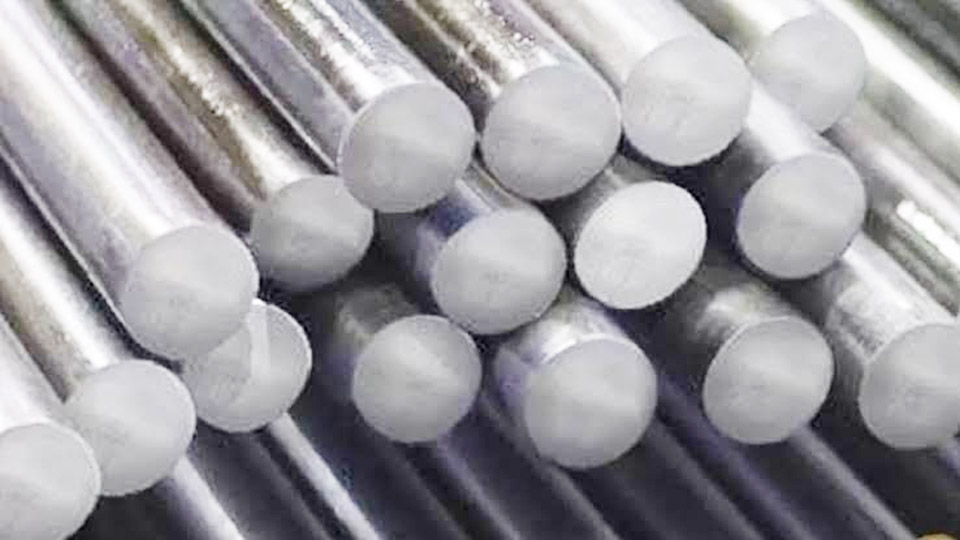
Image by kdmfab
What Exactly Is 440C Stainless Steel?
Composition and Classification
440C belongs to the 400-series martensitic stainless family. It is the highest-carbon grade in the 440 group (440A, 440B, and 440C). Typical chemistry looks like this:
- Carbon: 0.95–1.20%
- Chromium: 16.00–18.00%
- Molybdenum: up to 0.75%
- Manganese and silicon: each under 1%
That high carbon content is the key to its hardness. The chromium gives it stainless properties, while the carbon allows it to form hard martensite and chromium carbides during heat treatment.
How Hard Is It Really?
In the annealed condition, 440C is relatively soft—maximum Brinell hardness around 269 HB (roughly 25–29 HRC). That makes it machineable. After proper hardening and tempering, it reaches 58–60 HRC on most commercial heat treats. Some carefully controlled processes push it to 60–62 HRC.
For comparison:
- Common kitchen knife steels often sit around 56–58 HRC.
- Many tool steels like D2 run 58–62 HRC.
- Soft stainless grades like 304 or 316 never get above the mid-20s HRC.
So yes—440C is hard. Hard enough for knife blades, ball bearings, valve seats, and wear parts that see heavy use.
How Heat Treatment Determines Final Hardness
The Hardening Process
440C hardens by heating into the austenite range (typically 1850–1950°F / 1010–1065°C), holding long enough for the carbon and chromium to dissolve, then quenching (usually in oil or air, depending on section size). The rapid cool transforms the structure into hard martensite.
Tempering and Its Effect on Hardness
Right after quench the steel is extremely hard but also brittle. Tempering reduces that brittleness while dropping hardness slightly:
| Tempering Temperature (°F) | Approximate Hardness (HRC) |
|---|---|
| 300–350 | 59–60 |
| 400 | 58–59 |
| 500–600 | 56–57 |
| 700–800 | ~56 |
Most knife makers and bearing manufacturers temper in the low range (300–400°F) to keep maximum hardness. Higher tempers trade some hardness for toughness.
Why Results Vary in the Real World
Section thickness matters. Thin knife blades harden more uniformly than thick bars. Furnace accuracy, soak time, quench speed, and exact chemistry all influence the final Rockwell number. I’ve seen two blanks from the same bar end up two points apart simply because one was quenched a little slower.
How 440C Compares to Other Common Steels
440C vs. 440A and 440B
440A has lower carbon and tops out around 55–57 HRC. 440B sits in the middle. 440C is the hardest of the three and offers the best wear resistance, but it is also the least tough.
440C vs. High-Carbon Tool Steels
Against D2 or A2, 440C matches hardness but wins on corrosion resistance. Against powder metallurgy steels like CPM-S30V or M390, 440C is usually a bit softer and less wear-resistant, yet far more affordable and easier to sharpen.
440C vs. Other Stainless Grades
420 and 410 harden to the low-to-mid 50s HRC. 154CM and ATS-34 (close relatives) reach similar hardness with slightly better toughness. For pure hardness among conventional stainless steels, 440C still sits near the top.
Practical Hardness in Real Applications
Knife Blades and Edge Retention
A well-treated 440C blade at 58–60 HRC takes a keen edge and holds it longer than most 420 or 440A blades. It is not the absolute best modern steel for edge retention, but it is plenty hard for everyday carry, hunting knives, and kitchen cutlery. The trade-off is that higher hardness reduces toughness, so it can chip if you pry or twist the edge.
Bearings and Wear Parts
In stainless ball and roller bearings, 440C’s hardness and carbide content give excellent rolling-contact fatigue resistance. Valve seats, pump parts, and surgical instruments also rely on that same hardness.
Machining and Fabrication Reality
In the annealed state, 440C machines reasonably well with carbide tooling. Once hardened, it becomes a different story—grinding is the main option. I’ve ruined more than one end mill trying to cut hardened 440C. Always plan the sequence: machine soft, heat treat, then finish grind or polish.
Pros and Cons of 440C Hardness
Advantages
- Highest hardness of the common 400-series stainless grades
- Good wear resistance from chromium carbides
- Corrosion resistance far better than carbon steels of similar hardness
- Excellent polishability—can take a mirror finish
- Relatively inexpensive and widely available
Disadvantages
- Lower toughness than lower-carbon stainless or many tool steels
- Can be difficult to machine once hardened
- Requires careful heat treatment for consistent results
- Edge can chip under impact or lateral stress
- Not as corrosion-resistant as austenitic grades like 316 in harsh chemical environments
Heat Treatment Tips from the Shop Floor
- Always start with clean, stress-relieved material.
- Use a controlled atmosphere or wrap the parts in stainless foil to minimize decarburization and scaling.
- Soak long enough for the section thickness—thin blades need less time than thick bar stock.
- Quench as fast as the alloy allows without cracking.
- Temper promptly after quench. Double tempering is common practice.
- Verify hardness with a Rockwell tester after the final temper. Don’t trust the process alone.
If you don’t have a heat-treat furnace, send the parts to a reputable commercial heat treater who regularly runs 440C. The few extra dollars usually save more in scrap.
Common Mistakes That Ruin Hardness
- Under-heating or short soak times → incomplete hardening
- Slow quench on thicker sections → soft spots
- Tempering too high → hardness drops below target
- Skipping temper entirely → extreme brittleness and cracking risk
- Poor surface preparation before heat treat → scale and uneven hardness
I’ve seen knife blanks that looked perfect until they were Rockwell tested and came in at 52 HRC because someone got impatient with the soak time. Hardness is not optional—it has to be measured.
Working with Hardened 440C
Once the steel is hard, most conventional machining is off the table. Stick to:
- Surface grinding
- Cylindrical grinding
- Belt sanding and polishing
- Wire EDM or sinker EDM for complex shapes
For knife makers, the usual sequence is rough grind while soft, heat treat, then finish grind and polish. For bearings and precision parts, the final grind and hone after heat treatment is where the tight tolerances are achieved.
Safety Notes When Handling Hardened 440C
Hardened 440C can be brittle. A sharp edge under impact can fracture and send chips flying. Wear eye protection, especially during grinding. The grinding dust is fine and should be controlled with proper ventilation or a dust collector. Always treat the material with the respect a high-hardness steel deserves.
After running hundreds of 440C parts through heat treat and testing, I’ve learned that the hardness number on the Rockwell tester is only as good as the process behind it. When everything is dialed in, 440C delivers 58–60 HRC reliably and gives you a stainless steel that actually performs like a hard steel should. Whether you’re grinding a knife blade, specifying a bearing race, or repairing a wear surface, knowing exactly how hard 440C can get—and how to get it there—keeps you from guessing and from wasting material.
One pro tip I pass on to every new guy in the shop: never assume the hardness. Test it. A two-point difference on the Rockwell scale can mean the difference between a blade that holds an edge and one that fails in the field.
FAQ
What is the maximum hardness of 440C stainless steel?
Properly hardened and tempered 440C typically reaches 58–60 HRC. With optimized processing it can approach 60–62 HRC.
Is 440C harder than D2 tool steel?
They are very close. Both commonly land in the 58–62 HRC range. D2 often has a slight edge in wear resistance, while 440C offers better corrosion resistance.
Can I harden 440C at home?
Yes, with a proper furnace, accurate temperature control, and a suitable quench. Many knife makers do it successfully. For critical parts, commercial heat treatment is safer and more consistent.
How does hardness affect corrosion resistance in 440C?
Higher hardness itself does not reduce corrosion resistance much, but the heat-treatment process can. Proper tempering and a clean surface help maintain the stainless properties.
Is annealed 440C hard enough for any real use?
No. Annealed 440C is soft (around 25–29 HRC) and mainly useful for machining. Almost all performance applications require the hardened condition.