Dried paint on a stainless steel sink creates an immediate problem: aggressive scraping or the wrong solvent can leave permanent scratches or dull the protective chromium oxide layer that gives stainless its corrosion resistance.
Knowing how to remove dried paint from stainless steel sink surfaces correctly prevents irreversible damage while restoring the original appearance.
The wrong approach turns a simple cleanup into a refinishing job. Paint type, thickness, and surface grain direction dictate every decision.
Starting with the least aggressive method that matches the paint chemistry keeps the sink intact and functional for both residential kitchens and shop environments where overspray is common.
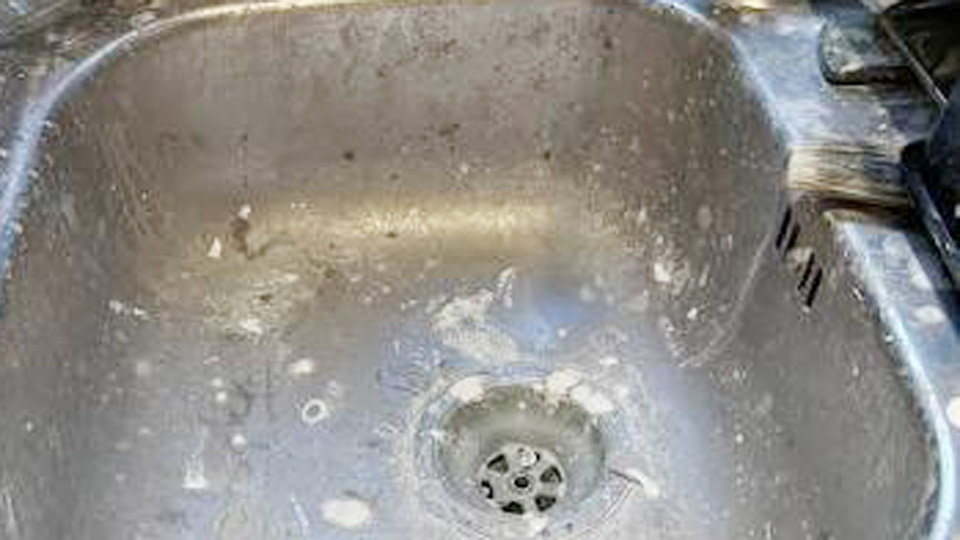
Image by fb/trustedtradiesnorthernrivers
Identifying the Paint Type Before Any Removal Attempt
Correct identification determines solvent choice and dwell time. Treating oil-based paint with water-based methods wastes time and risks incomplete removal.
Water-Based vs Oil-Based Differences
Water-based paints (latex, acrylic) soften with moisture and mild alkalinity. They form a film that lifts relatively easily once the binder rehydrates. Oil-based and alkyd paints require organic solvents to dissolve the resin.
These paints bond more tenaciously and often leave a residue that water alone cannot touch. Most household wall and trim paints are water-based; shop primers and many metal coatings are oil-based.
Quick Field Tests for Unknown Paint
Apply a drop of warm water and mild dish soap to a small edge of the paint. If the surface softens or becomes tacky within 5–10 minutes, treat it as water-based. If no change occurs, move to a solvent test: dampen a cotton swab with rubbing alcohol and rub lightly.
Softening indicates a solvent-responsive film. Always test on an inconspicuous area first—under the rim or near the drain—to confirm the method will not alter the finish.
Initial Softening Methods That Protect the Stainless Surface
Softening reduces the force needed for mechanical removal and minimizes the risk of embedding paint particles into the grain.
Warm Soapy Water Soak Protocol
Fill the sink or place saturated cloths over the painted areas with warm water and a few drops of grease-cutting dish soap. Allow 15–20 minutes of contact. The heat and surfactant re-emulsify water-based binders. After soaking, wipe with a soft sponge following the visible grain lines of the stainless.
For vertical sides or rim areas, tape a soaked paper towel in place to maintain contact. This step alone removes many thin latex splatters without further intervention.
Heat Application for Thick Layers
A hair dryer on high or a heat gun on the lowest setting softens both water- and oil-based films by increasing molecular mobility. Keep the heat source moving at a distance of 4–6 inches to avoid localized overheating that can discolor the metal or damage nearby caulk.
Once the paint wrinkles or becomes pliable, proceed immediately to scraping. Heat is especially useful on heavy overspray or multi-layer buildup where solvents alone act slowly.
Mechanical Removal with Non-Damaging Tools
Mechanical action should lift rather than grind. Stainless steel finishes, whether brushed or polished, show scratches readily if the tool is harder than the surface or applied at the wrong angle.
Plastic Scraper Technique Along the Grain
A plastic paint scraper, old credit card, or nylon tool held at a shallow angle (nearly parallel to the surface) lifts softened paint cleanly. Always move in the direction of the brushed grain. Crossing the grain creates visible micro-scratches that collect dirt and appear as dull streaks under light.
Work in small sections, re-softening as needed. For corners and around the drain, a wooden chopstick or plastic dental pick provides controlled access without marring.
When a Razor Blade Is Acceptable
A single-edge razor blade can be used on thick, raised paint islands only after softening and only if held completely flat against the surface. Any upward tilt digs into the metal. Limit this method to flat bottom areas; avoid it on contoured sides or near welds in fabricated sinks.
Immediately follow with solvent wipe and thorough rinsing to remove any microscopic steel particles that could initiate rust staining.
Solvent Selection Based on Paint Chemistry
Solvents must dissolve the binder without attacking the passive chromium layer or leaving residues that promote corrosion.
Rubbing Alcohol and Vinegar for Latex
Isopropyl alcohol (70–99 %) or white vinegar applied with a saturated cloth softens water-based films effectively. Lay the cloth over the paint for 10–15 minutes, then wipe along the grain.
Alcohol evaporates cleanly; vinegar requires a follow-up soap-and-water rinse to neutralize acidity. These options are low-odor and suitable for indoor kitchen use with basic ventilation.
Acetone and Mineral Spirits for Oil-Based
Acetone (or acetone-based nail polish remover) rapidly dissolves many oil-based and lacquer paints. Apply sparingly with a cloth—never pour directly into the sink—and allow only brief contact before wiping. Mineral spirits (white spirits) act more slowly but are less aggressive on the metal and safer for prolonged work.
Turpentine offers a similar profile with lower toxicity than many petroleum distillates. After solvent use, wash the entire area with dish soap and warm water to remove residual oils that can attract dust or interfere with future finishes.
Commercial Strippers Safe for Stainless
Gel or paste strippers labeled for metal or stainless steel cling to vertical surfaces and reduce runoff. Choose formulations free of methylene chloride when possible for better indoor air quality.
Apply according to product dwell time (typically 15–30 minutes), then lift with a plastic scraper. Neutralize and rinse thoroughly; some strippers leave alkaline residues that can etch if left on the surface.
Mild Abrasive Options When Solvents Alone Fail
Abrasives are a last resort and must remain gentler than the stainless surface.
Baking Soda Paste Application
Mix baking soda with just enough water to form a thick paste. Spread over remaining paint spots and allow 10–15 minutes of contact. The mild alkalinity and micro-abrasive particles loosen residual binder without the deep scratching caused by commercial scouring powders.
Scrub gently with a soft cloth or non-scratch sponge, always following the grain. Rinse completely; residual baking soda can leave a white film if allowed to dry.
Final Cleaning and Surface Restoration
Incomplete residue removal or improper drying leaves the sink vulnerable to water spots and reduced corrosion resistance.
Rinsing and Neutralizing Residues
After any solvent or abrasive step, wash the entire sink with warm water and mild dish soap. For acidic residues (vinegar), a brief baking-soda rinse neutralizes. For alkaline residues (some strippers), a dilute vinegar wipe followed by soap restores neutral pH. Flush the drain thoroughly to prevent solvent or paint particles from affecting plumbing.
Restoring the Passive Layer and Shine
Dry the sink completely with a clean microfiber cloth. Residual moisture promotes water spotting on the chromium oxide layer. Apply a stainless-steel cleaner or a light coat of mineral oil wiped along the grain to restore uniform reflectivity and provide temporary protection.
In high-use shop sinks, periodic application of a food-safe mineral oil or specialized stainless protectant maintains appearance between cleanings.
Wrapping Up
Selecting the removal sequence according to paint chemistry and surface condition determines success. Begin with the mildest effective method—warm soapy soak for latex, targeted solvent for oil-based—and escalate only as needed.
Working strictly with the grain and avoiding metal abrasives preserves both appearance and the passive film that makes stainless steel suitable for wet environments.
For fabricated or welded sinks in professional settings, the same controlled approach prevents cross-contamination of the surface with carbon steel particles that later cause rust staining under humid conditions.
FAQs
How do you remove dried latex paint from a stainless steel sink?
Soak with warm soapy water for 15–20 minutes, then lift with a plastic scraper or credit card along the grain. Follow with rubbing alcohol on stubborn spots if needed.
What solvent is safe for oil-based paint on stainless steel?
Mineral spirits or acetone applied sparingly with a cloth work effectively. Always rinse thoroughly with soap and water afterward and test a hidden area first.
Can you use a razor blade on a stainless steel sink?
Only on thick, raised paint after softening, and only if the blade is held completely flat. Prefer plastic scrapers to eliminate scratch risk.
How do you restore shine after paint removal?
Wash with mild dish soap, dry completely with a microfiber cloth, then wipe a stainless-steel cleaner or light mineral oil along the grain.