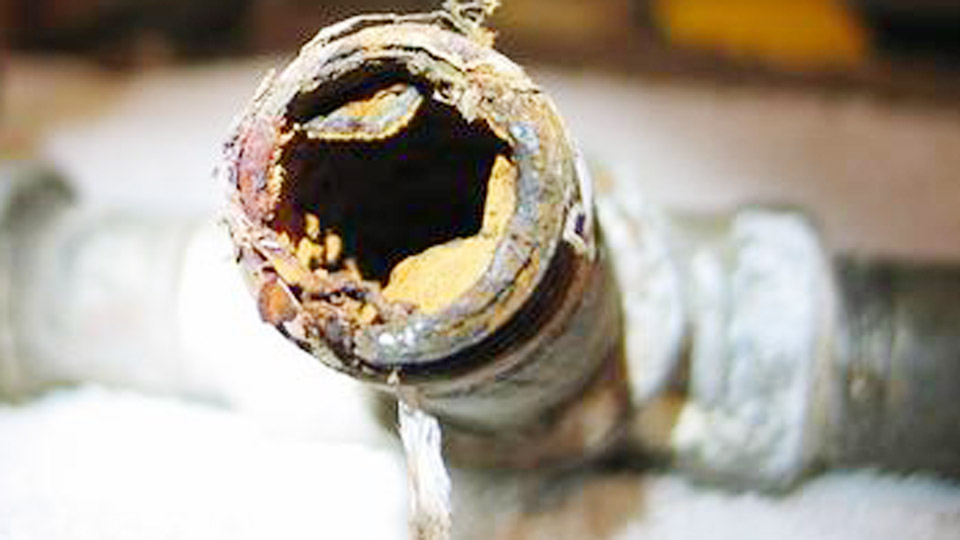
Outdoor metal structures, weldments, and fabricated components face constant exposure to moisture, oxygen, UV radiation, and contaminants that accelerate corrosion. Understanding how to keep metal from rusting outside is essential for maintaining structural integrity, appearance, and long-term performance.
In welding and fabrication applications, rust can weaken joints, compromise coatings, create inspection concerns, and lead to costly repairs or premature component failure.
Preventing corrosion requires more than simply applying paint. Surface preparation, protective coatings, material selection, drainage design, and ongoing maintenance all play a role in extending the service life of outdoor metal. The right approach depends on the environment, metal type, and expected exposure conditions.
This guide explains the most effective methods used to protect outdoor metal from rust, helping fabricators, welders, and property owners reduce maintenance requirements and avoid corrosion-related damage over time.
Image by unifiedalloys
Material Selection for Outdoor Durability
Choosing Base Metals and Alloys
Mild steel (A36 or similar) dominates welding due to availability and weldability but rusts rapidly outdoors without protection. Prioritize hot-dip galvanized steel for initial projects exposed to weather. The zinc coating provides sacrificial cathodic protection, corroding preferentially to shield the underlying steel.
Thickness of galvanizing (typically 1.5–3.9 mils or 40–100 microns) directly correlates with service life—thicker coatings suit marine or high-humidity zones.
Stainless steels like 304 or 316 offer inherent corrosion resistance through chromium oxide layers but demand specific welding parameters (low heat input, matching filler) to avoid sensitization and intergranular corrosion.
For cost-sensitive outdoor applications, consider weathering steels (Corten) that develop a stable patina, though they require initial exposure periods without coatings.
Pre-Weld Considerations for Galvanized Stock
Welding galvanized material releases toxic zinc fumes, necessitating excellent ventilation and respiratory protection. Grind or remove zinc from weld zones to ensure sound fusion, then repair the coating post-weld with zinc-rich paints or cold galvanizing compounds containing 90%+ zinc by weight. These restore cathodic protection effectively on small areas.
Surface Preparation Before and After Welding
Removing Contaminants for Optimal Weld Quality
Rust, mill scale, oils, and moisture in the weld zone cause porosity, inclusions, and weakened fusion. Use mechanical methods: angle grinders with 40–80 grit flap discs for heavy scale, followed by 120-grit for smoothing. Wire brushing or needle scalers work for lighter rust but risk embedding particles.
Abrasive blasting with garnet or aluminum oxide achieves SSPC-SP 10 near-white metal cleanliness for critical outdoor structures.
Chemical options include phosphoric acid-based converters that transform surface rust into stable iron phosphate, but verify compatibility with your welding process—residues can affect arc stability.
Post-Weld Cleaning Protocols
Immediately after welding, remove slag, spatter, and heat tint using dedicated stainless steel wire brushes or grinding to prevent crevice corrosion. Heat tint on stainless reduces corrosion resistance; pickle with nitric-hydrofluoric acid mixtures or use dedicated pastes, followed by passivation. For carbon steel, inspect for undercut or porosity that traps moisture.
Welding Techniques That Minimize Corrosion Risk
Joint Design to Eliminate Crevices
Overlapping joints trap moisture and promote rust in hidden areas. Favor butt welds with full penetration whenever possible for outdoor fabrications. When overlaps are unavoidable (e.g., gusset plates), apply seal welds along all exposed edges to close crevices. Caulking with polyurethane or silicone sealants provides secondary protection but requires periodic inspection.
Filler Metals and Process Parameters
Select low-hydrogen electrodes (E7018) or wires with proper shielding to minimize diffusible hydrogen, which exacerbates cracking in outdoor environments. For MIG, use 75/25 Ar/CO2 or tri-mix for cleaner welds with less oxidation.
Maintain interpass temperatures below 150°C (300°F) on thicker sections to control distortion and residual stresses that can crack protective coatings later.
In multi-pass welds, grind between passes to remove oxides. For outdoor repairs on existing rusted structures, grind back to sound metal at least 1–2 inches beyond visible rust.
Protective Coatings and Finishes for Long-Term Outdoor Performance
Painting Systems for Welded Assemblies
High-performance coating systems outperform single-layer paints. Start with a zinc-rich primer (70–90% zinc loading) for cathodic protection at welds and damaged areas. Follow with epoxy intermediate coats for barrier properties and polyurethane topcoats for UV resistance. Total dry film thickness (DFT) of 5–8 mils minimum ensures durability; measure with a gauge during application.
Surface profile (anchor pattern) of 1.5–3 mils from blasting optimizes adhesion. Environmental conditions during painting matter—apply when substrate temperature exceeds dew point by 5°F (3°C) and relative humidity stays below 85%.
Powder Coating Advantages and Limitations
Powder coating delivers uniform, durable finishes with excellent chip resistance and no VOCs. It excels on pre-treated welded parts but struggles with Faraday cage effects in recessed areas or complex geometries common in fabrications.
For best results, blast to white metal, apply zinc-rich primer if needed, then powder coat with polyester or super-durable formulations rated for exterior use. Curing at 375–400°F (190–204°C) requires oven access or large parts may need alternative methods.
Hot-Dip Galvanizing After Fabrication
For maximum protection on complex assemblies, hot-dip galvanize post-welding. The process immerses the part in molten zinc (around 840°F / 450°C), creating a metallurgical bond with alloy layers. It coats interiors of hollow sections and provides 50–100+ years of maintenance-free life in moderate environments.
Design considerations include drainage holes, vent points to avoid air pockets, and allowances for coating thickness that may affect fit-up. Welds must be smooth and free of porosity to prevent outgassing defects.
Compare galvanizing and powder coating: galvanizing offers sacrificial protection even if scratched, while powder provides superior aesthetics and color options but relies on intact barrier properties.
Alternative and Supplemental Methods
- Vapor Corrosion Inhibitors (VCIs): Emit protective vapors for enclosed or packaged parts during storage/transport.
- Oils and Waxes: Temporary protection for tools or seasonal equipment; boiled linseed oil or specialized welding table treatments.
- Metallizing (Thermal Spray): Zinc or aluminum spray for field repairs on large structures.
- Cathodic Protection: Impressed current or sacrificial anodes for buried or submerged welded components like piers or tanks.
Environmental Factors and Maintenance Strategies
Assessing Exposure Conditions
Classify environments per ISO 12944: C1 (very low) to C5 (very high, marine/industrial). Coastal areas demand duplex systems (galvanizing + paint) for extended life. Rainfall, salt spray, and pollution accelerate zinc consumption—monitor coating thickness annually with magnetic gauges.
Inspection and Repair Protocols
Schedule visual inspections quarterly for the first year, then biannually. Look for white rust (zinc corrosion), red rust bleed, or coating delamination at welds. Repair by cleaning to bare metal, applying zinc-rich primer, and matching topcoats. For galvanized surfaces, touch-up with zinc solder or spray galvanizing compounds.
Design for Maintainability
Incorporate sloped surfaces for water shedding, avoid horizontal ledges, and provide access for inspection/repainting. Use dissimilar metal isolation (gaskets, sleeves) to prevent galvanic corrosion between steel and aluminum or stainless.
Advanced Considerations for Professional Welders
Heat-affected zones (HAZ) in welds can alter microstructure, reducing local corrosion resistance. Control travel speed and amperage to minimize HAZ width. Post-weld heat treatment (PWHT) relieves stresses but may not suit all field applications.
For high-performance outdoor projects, combine methods: galvanize, weld with proper prep, repair coating, then apply duplex paint system. This multilayer approach achieves synergistic protection exceeding individual methods.
Performance-Based Takeaway
Selecting the right combination of material, joint design, and coating system based on specific exposure and service life requirements determines long-term success. Professionals achieve decades of rust-free performance by treating rust prevention as an integral part of the fabrication process rather than an afterthought—prioritizing full-penetration welds, thorough surface restoration, and compatible high-build coatings tailored to the environment delivers superior structural integrity and minimal maintenance.
A pro-level insight: always calculate expected zinc depletion rates for your site’s corrosivity class and over-specify initial coating thickness by 20–30% for critical load-bearing outdoor welds.
FAQ
How long does galvanized steel last outdoors before rusting?
Hot-dip galvanized steel typically lasts 50–100+ years in moderate environments, depending on zinc thickness and exposure. Coastal or industrial sites see faster zinc consumption; duplex coatings extend this significantly.
Can you weld over rust-preventive coatings?
Weld-through primers designed for this purpose allow limited welding, but standard rust inhibitors or thick galvanizing must be removed from the joint area to avoid defects. Clean thoroughly and repair coatings afterward.
What is the best paint for welded outdoor metal?
Zinc-rich epoxy primers followed by high-build epoxy and aliphatic polyurethane topcoats provide excellent results. Aim for 6–10 mils total DFT with proper surface profile for maximum adhesion and barrier protection.
Does powder coating prevent rust on outdoor welds better than paint?
Powder coating offers superior uniformity and durability against chipping/UV compared to standard paint, but galvanizing or duplex systems outperform it in highly corrosive environments due to sacrificial protection. Proper pretreatment is critical for welds.