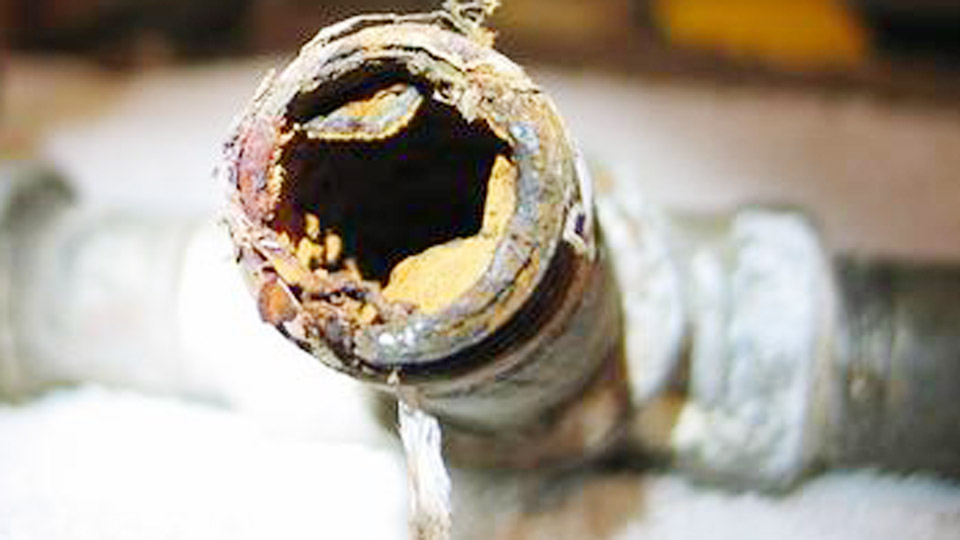
Steel is a strong, versatile material, but it’s also prone to rust and corrosion. Many DIYers, metalworkers, and even professionals face a common problem: keeping steel protected without expensive coatings or complicated treatments.
One practical solution is to blacken steel with linseed oil—a method that not only gives steel a rich, black finish but also helps guard against rust.
In this article, you’ll learn why linseed oil blackening matters, how it’s done, and how to make your results last. Whether you work in a shop, a garage, or just enjoy metal crafting at home, this guide will help you make smarter choices and achieve professional-quality finishes.
Why Blacken Steel With Linseed Oil?
What Does Blackening Do?
Blackening steel is more than just changing its color. This process forms a protective layer on the surface, which helps stop moisture and air from reaching the bare steel. It’s a popular technique for tools, knife blades, hardware, and artistic metalwork.
Benefits Of Linseed Oil Blackening
- Rust prevention: The oil seals the surface, blocking water and oxygen.
- Aesthetic appeal: Creates a deep black patina, making steel look refined and uniform.
- Easy application: No need for expensive equipment or hazardous chemicals.
- Low cost: Linseed oil is affordable and widely available.
- Environmentally friendly: Unlike toxic coatings, linseed oil is natural and biodegradable.
Where It Works Best
- Hand tools
- Outdoor hardware
- Decorative ironwork
- Machinery parts
- DIY projects
Blackening with linseed oil is not ideal for steel exposed to extreme weather or heavy abrasion. For most indoor and moderate outdoor uses, it’s a reliable and attractive option.
How Does Linseed Oil Blackening Work?
The Science Behind The Finish
Linseed oil blackening uses heat and oil to create a polymerized layer on steel. When heated, linseed oil undergoes chemical changes, forming a hard, protective film. The steel’s surface also oxidizes slightly, which helps the oil bond more tightly. The result is a black, durable coating that’s resistant to moisture and mild chemicals.
Comparison: Linseed Oil Vs Other Blackening Methods
Let’s look at how linseed oil stacks up against common alternatives:
| Method | Cost | Equipment Needed | Durability | Safety |
|---|---|---|---|---|
| Linseed Oil | Low | Basic (torch, oil, gloves) | Medium | Safe |
| Chemical Blackening | Medium | Chemicals, tanks | High | Hazardous |
| Parkerizing | Medium | Phosphate solution, heat | High | Moderate |
| Bluing | Medium | Chemicals, heat | Medium | Moderate |
| Paint | Low | Paint, brush/spray | Low | Safe |
Linseed oil blackening is ideal for those who want good protection without specialized tools or dangerous chemicals.
Key Insights
- The black finish is not just surface color—it’s a physical barrier.
- Heat is essential for proper polymerization; cold oil will not bond well.
- Linseed oil blackening is easier to repair than chemical coatings.
Choosing The Right Steel And Linseed Oil
What Types Of Steel Work Best?
Not all steel types respond equally. Here’s a breakdown:
| Steel Type | Blackening Suitability | Notes |
|---|---|---|
| Mild Steel | Excellent | Even finish, easy to work |
| Carbon Steel | Excellent | Deep black, good rust protection |
| Stainless Steel | Poor | Low adhesion, patchy color |
| Alloy Steel | Varies | Depends on alloying elements |
Mild steel and carbon steel are the best choices for linseed oil blackening. Stainless steel does not react well; the coating may rub off or look uneven.
What Kind Of Linseed Oil Should You Use?
There are two main types:
- Raw linseed oil: Takes longer to dry, but gives a natural finish. Suitable for deep blackening, but can be sticky if not heated well.
- Boiled linseed oil: Contains drying agents, dries faster, and is easier to apply. Preferred for most projects.
For blackening, boiled linseed oil is usually the best option. It creates a hard, glossy surface and cures quickly.
Common Mistakes When Choosing Materials
- Using stainless steel (poor results)
- Selecting raw oil and skipping the heat step (sticky finish)
- Applying too much oil (uneven coating)
Preparing Steel For Blackening
Cleaning The Surface
Proper prep is crucial. Follow these steps:
- Remove all rust: Use a wire brush, sandpaper, or grinder.
- Degrease: Wipe with acetone, alcohol, or a strong degreaser. Oil and dirt block the blackening process.
- Dry completely: Moisture causes uneven coating.
Surface Preparation Tips
- If the steel is very rough, sand it with fine grit (120–220) for a smoother finish.
- For artistic projects, leave some texture for a rustic look.
- Avoid touching cleaned steel with bare hands; fingerprints can cause blotchy results.
Why Prep Matters
Even tiny amounts of oil, dust, or rust will ruin the blackening effect. Clean steel lets the oil bond fully, resulting in a tough, uniform coating.

Credit: x.com
Step-by-step Guide: Blackening Steel With Linseed Oil
Essential Tools And Materials
You’ll need:
- Steel item (cleaned)
- Boiled linseed oil
- Heat source (propane torch, forge, or oven)
- Metal tongs or pliers
- Heat-resistant gloves
- Rags or brushes
- Fireproof surface
Safety Precautions
- Work in a well-ventilated area; linseed oil fumes can irritate the lungs.
- Keep a fire extinguisher nearby.
- Wear gloves and eye protection.
Step 1: Heating The Steel
Heat the steel until it is hot but not glowing. For most pieces, this means a dull red or about 400–500°F (200–260°C). Heating helps the oil bond and polymerize.
*Tip*: Use a propane torch for small items; a forge or oven works for larger parts.
Step 2: Applying Linseed Oil
Using a brush or rag, apply a thin, even coat of linseed oil to the hot steel. The oil will smoke and sizzle—this is normal. Rotate the piece to cover all sides.
*Tip*: Don’t use too much oil. A thin coat works better and dries faster.
Step 3: Reheating And Recoating
After the first coat, reheat the steel briefly. Apply a second coat of oil. Repeat 2–4 times for the deepest black finish. Each coat makes the surface darker and more durable.
*Tip*: Let each coat cool for a few minutes before the next application.
Step 4: Cooling And Curing
Once the final coat is applied, let the steel cool slowly. Avoid water quenching—this can cause cracks or flaking.
Leave the piece in a dry place for 24–48 hours. This allows the linseed oil to fully harden.
Step 5: Final Buffing
After curing, buff the steel with a soft rag. This removes excess oil and adds shine.
*Tip*: For extra protection, apply a light layer of paste wax after buffing.
Step-by-step Summary Table
| Step | Action | Purpose |
|---|---|---|
| 1 | Heat steel to 400–500°F | Open pores, start oxidation |
| 2 | Apply thin coat of linseed oil | Form first protective layer |
| 3 | Reheat and repeat oil application | Build up blackening, deepen color |
| 4 | Cool and cure for 24–48 hours | Harden finish, prevent stickiness |
| 5 | Buff with soft rag | Smooth, shine, remove excess oil |
Troubleshooting: Common Problems And Solutions
Why Is My Steel Not Turning Black?
- Insufficient heat: Steel must be hot enough for the oil to polymerize.
- Dirty surface: Grease or rust blocks the reaction.
- Too much oil: Thick layers stay sticky and do not blacken properly.
Sticky Or Uneven Finish
- Cause: Oil applied too thick or steel cooled too quickly.
- Solution: Reheat and wipe off excess oil, then reapply thinner coats.
Patchy Color
- Cause: Surface not cleaned or inconsistent heating.
- Solution: Sand and clean steel, reheat evenly, and repeat oil application.
Flaking Or Peeling
- Cause: Water quenching or excessive reheating.
- Solution: Let steel cool naturally, avoid overworking the finish.
Real-world Example
A hobbyist blackened a set of mild steel drawer pulls. He noticed sticky patches and dull spots. By reheating the pieces, wiping off excess oil, and applying two thin coats, he achieved a deep, even finish that lasted for years.

Credit: www.reddit.com
How Long Does The Finish Last? Maintenance Tips
Durability Data
Linseed oil blackening can last several years if not exposed to heavy abrasion or harsh chemicals. For hand tools and indoor hardware, expect 2–5 years before touching up. Outdoor items may need re-coating every 1–2 years.
Maintenance Steps
- Wipe regularly: Dust and moisture shorten the finish’s life.
- Reapply oil: Once per year, wipe with a thin coat of boiled linseed oil.
- Check for rust: If rust appears, sand lightly and repeat the blackening process.
Comparison: Linseed Oil Vs Paint Durability
| Finish Type | Indoor Life | Outdoor Life | Repair Ease |
|---|---|---|---|
| Linseed Oil Blackening | 2–5 years | 1–2 years | Easy |
| Paint | 1–3 years | 6–12 months | Moderate |
| Chemical Blackening | 5–10 years | 3–5 years | Difficult |
Linseed oil blackening is easier to repair than paint or chemical coatings, making it ideal for DIYers.
Non-obvious Maintenance Insights
- If you live in a humid climate, wipe steel with oil every 6 months.
- Avoid storing blackened steel in plastic bags; trapped moisture can cause rust.
Advanced Tips And Variations
Adding Color Depth
- Try repeating the oil/heat cycle 5–7 times for ultra-deep black.
- Use a mix of boiled linseed oil and beeswax for a satin finish.
Improving Scratch Resistance
- After blackening, apply a thin layer of clear lacquer for extra protection.
- For items that see heavy use, use paste wax monthly.
Making Blackening Last Longer
- Heat steel slightly above 500°F before oil application for tougher polymerization.
- Let steel cure in a warm, dry area for at least 48 hours.
Non-obvious Insights
- Blackening can slightly improve grip on tools due to its matte texture.
- The process can be used to highlight engraved or stamped designs.

Credit: www.reddit.com
How To Blacken Steel Safely And Efficiently
Efficient Work Practices
- Set up all materials before heating steel; speed is key for even results.
- Use metal racks to hold multiple pieces for batch processing.
- Always allow oil to smoke off fully—this signals proper curing.
Safety Reminders
- Never heat steel near flammable materials.
- Dispose of oil-soaked rags in a metal container; linseed oil can spontaneously combust.
Real-world Application Example
A small workshop blackens batches of steel hooks for local sales. By using a propane torch, a metal rack, and boiled linseed oil, they finish dozens of hooks in one afternoon. The key is consistent heating, thin oil coats, and careful handling.
Frequently Asked Questions
What Is The Best Temperature For Blackening Steel With Linseed Oil?
The ideal temperature is 400–500°F (200–260°C). Steel should be hot enough to make the oil smoke and bond, but not glowing. This allows the oil to polymerize, forming a hard, black layer.
Can I Use Raw Linseed Oil Instead Of Boiled?
Raw linseed oil can work, but it takes longer to dry and is more likely to leave a sticky finish. Boiled linseed oil cures faster and creates a more durable, glossy black surface. For most projects, boiled is recommended.
How Do I Fix A Patchy Or Sticky Finish?
Reheat the steel, wipe off excess oil, and apply thinner coats. Make sure the steel is clean and heated evenly. Repeat the oil application process until the finish is uniform and dry.
Is Linseed Oil Blackening Safe For Kitchen Tools?
Linseed oil is natural, but most boiled oils contain chemical dryers. For kitchen items, use food-grade mineral oil or pure raw linseed oil. Always cure the finish fully to avoid oily residue.
Final Thoughts
Blackening steel with linseed oil is a smart, practical way to protect and beautify steel. This method is accessible for DIYers, hobbyists, and professionals alike. By following the right steps—cleaning, heating, applying oil, and curing—you’ll achieve a deep, durable black finish.
Remember to choose the right steel and oil, prepare surfaces well, and work safely. With regular maintenance, your blackened steel will stay rust-free and attractive for years. If you’re looking for a reliable, low-cost finishing method, linseed oil blackening is a proven solution for many projects.