A cracked or broken cast iron drain pipe can lead to persistent leaks, structural damage, and costly repairs if it is not addressed correctly. Knowing How to Fix a Broken Cast Iron Drain Pipe starts with identifying the extent of the damage and selecting the appropriate repair method, whether that involves welding, brazing, mechanical couplings, or replacing the damaged section.
Because cast iron is brittle and highly susceptible to cracking from uneven heating, improper welding techniques, excessive heat input, or poor joint preparation can cause repair failure and additional damage.
Using the right process, filler material, and heat control is essential for producing a durable, leak-free repair that withstands normal service conditions.
Understanding these technical considerations will help you make informed repair decisions while reducing the risk of repeat failures, unnecessary rework, and avoidable replacement costs.
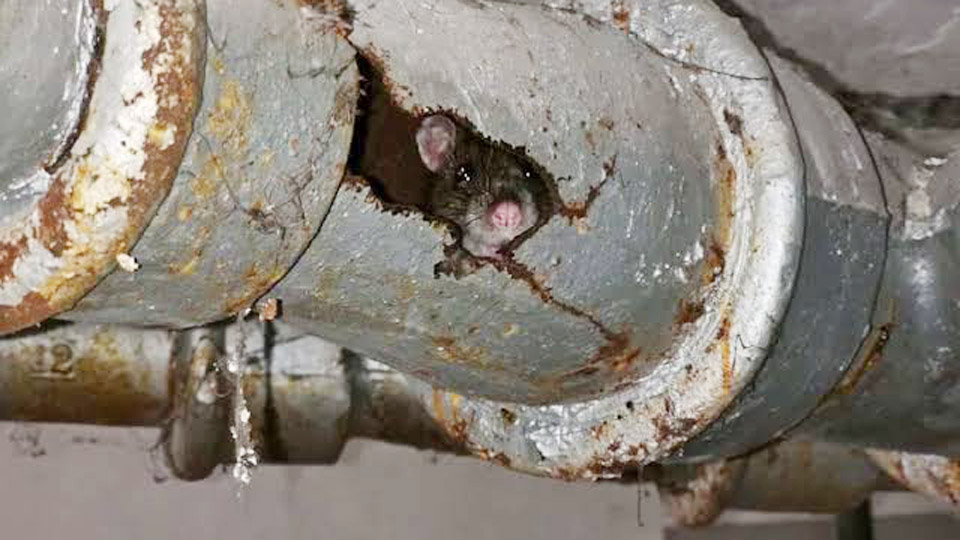
Image by newflowplumbing
Assessing Damage in Cast Iron Drain Pipes
Identifying Common Failure Modes
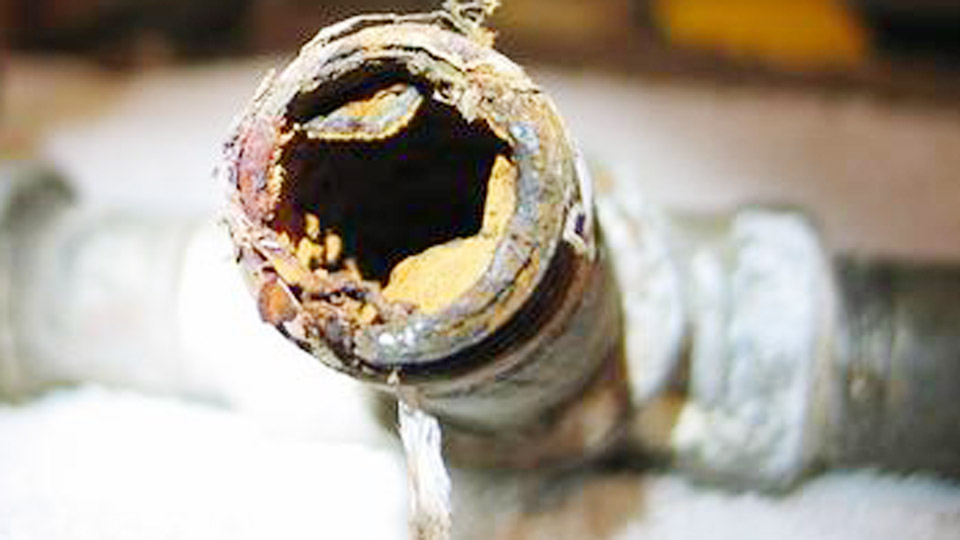
Gray cast iron drain pipes typically fail from internal corrosion driven by hydrogen sulfide forming sulfuric acid, external ground movement causing stress fractures, or joint degradation where lead/oakum or rubber gaskets loosen. Pinhole leaks often appear first in thin-walled sections, progressing to larger cracks or complete breaks at bells or hubs.
Visual inspection reveals rust pitting, flaking scale, or wet spots; use a borescope for internal assessment to map corrosion depth and extent. Measure wall thickness with ultrasonic tools where possible—pipes below 1/8-inch remaining thickness usually warrant sectional replacement rather than weld repair.
When Welding Makes Sense vs. Alternatives
Welding suits clean breaks or cracks in accessible sections with sufficient wall thickness (at least 1/4 inch). It offers structural permanence compliant with AWS D11.2 guidelines for cast iron. For heavily pitted or underground runs, consider non-weld options like epoxy patching for temporary fixes, no-hub couplings with PVC inserts, or trenchless CIPP lining.
Full replacement with modern PVC or ABS becomes preferable for extensive damage to avoid recurring issues in compromised surrounding pipe. Evaluate based on load, vibration, and code requirements—welded repairs excel in vertical stacks or high-access areas.
Tools and Safety Considerations for Repair
Gather a 4-1/2″ angle grinder with cutoff and grinding wheels, wire brush, reciprocating saw or ratchet chain cutter for cast iron, temperature-indicating crayons or pyrometer, peening hammer, and nickel electrodes. For preheating, use an oxy-acetylene torch setup.
Protective gear includes leather sleeves, respirator for fumes and dust, and eye protection. Cast iron dust and welding fumes require ventilation; support the pipe section with straps or bracing before cutting to prevent collapse.
Material Properties and Welding Challenges of Cast Iron Pipes
Graphite Flakes and Carbon Content Effects
Gray cast iron contains 2.5–4% carbon as graphite flakes, which provide machinability but promote crack propagation under thermal stress. Rapid heating or cooling creates hard, brittle martensite in the heat-affected zone (HAZ), leading to failure.
Nickel-based fillers counteract this by producing ductile deposits that accommodate shrinkage without transferring excessive stress to the base metal. Phosphorous content in older pipes further complicates weldability—test with a spark test or consult material specs.
Thermal Expansion and Cracking Risks
Cast iron expands and contracts unevenly, generating residual stresses that manifest as cracks post-weld. Preheat and controlled interpass temperatures mitigate this. Cold welding (minimal preheat) works for small repairs using high-nickel rods, while hot welding (full preheat) suits larger structural fixes. Always drill 1/8–3/16 inch stop holes at crack ends to prevent propagation before grooving.
Distinguishing Gray vs. Ductile Iron
Most legacy drain pipes are gray cast iron; ductile (nodular) iron offers better weldability due to spherical graphite. A hammer test helps—gray iron shatters cleanly, while ductile bends slightly. Gray requires more conservative parameters; ductile tolerates slightly higher heat inputs and nickel-iron (55% Ni) fillers for added strength.
Preparation Techniques for Successful Weld Repairs
Surface Cleaning and Contaminant Removal
Oil, grease, rust, and old paint saturate old drain pipes and cause porosity or lack of fusion. Grind or wire-brush to bright metal, extending 2–3 inches beyond the repair zone. Degrease with acetone or lacquer thinner.
For oil-soaked sections, bake at 400°F overnight in a controlled oven to drive out contaminants. Remove any lead residue from old joints carefully.
Groove Preparation and Joint Design
Create a V-groove with 60–90° included angle, leaving a 1/16-inch root face for penetration control. Grind to at least 50% depth on thicker sections or full penetration on thin walls. Bevel edges smoothly to reduce stress risers; round corners.
For pipe sections, align with temporary clamps or no-hub bands during tacking. Buttering the groove faces with a pure nickel layer first reduces dilution in subsequent passes.
Preheating Strategies
Preheat slowly and uniformly to 500–1200°F (260–650°C), depending on thickness and restraint. Use temperature crayons for monitoring—aim for dull red on larger sections. Localized torch heating risks distortion; multiple torches or insulation blankets help on pipes.
For cold welding, maintain hand-warm (around 100–200°F) conditions. Interpass temperature should stay within 100°F of preheat.
Welding Methods for Cast Iron Drain Pipes
Stick Welding (SMAW) with Nickel Rods – Primary Approach
SMAW remains the most practical for field repairs. Use ENi-CI (99% nickel) for machinable, crack-resistant deposits on non-critical areas or ENiFe-CI (55% nickel) for higher strength in load-bearing sections.
Set DCEN polarity at 70–110 amps for 3/32-inch rods, adjusting by diameter and position. Employ stringer beads no longer than 1–2 inches, skipping sections to manage heat. Peen each bead immediately while hot with a rounded hammer to relieve stresses.
Electrode Selection Table:
| Electrode Type | Nickel Content | Best For | Amperage (3/32″) | Characteristics |
|---|---|---|---|---|
| ENi-CI | 99% | Machinable repairs, thin walls | 70–90 | Soft, ductile, minimal cracking |
| ENiFe-CI | 55% | Structural strength | 80–110 | Stronger, good for thicker pipes |
| Bronze | N/A | Low-stress, corrosion resistance | Varies | Lower strength, easier flow |
Brazing and Alternative Low-Heat Options
Oxy-acetylene brazing with nickel-bronze rods minimizes base metal melting and HAZ issues, ideal for delicate joints. Use neutral flame and appropriate flux. TIG with nickel filler offers precision for cosmetic or thin repairs but demands skill to avoid concentrated heat. MIG with nickel wire and short-circuit transfer works in controlled shops but sees less field use due to setup.
Multi-Pass Techniques and Sequencing
Build the weld in short, staggered passes, allowing cooling between them. Back-step sequencing (welding toward previously deposited metal) distributes shrinkage. For circumferential pipe repairs, alternate sides. Maintain low heat input overall—travel speed should prevent excessive puddle dwell. Grind between passes to remove slag and inspect for defects.
Post-Weld Treatment and Quality Assurance
Controlled Cooling and Stress Relief
Allow slow cooling to room temperature, ideally insulated in vermiculite, lime, or blankets at under 50°F per hour. Post-weld heat treatment (PWHT) at 1100–1200°F followed by slow cool further reduces residual stresses for critical applications. Avoid quenching or drafts.
Inspection and Testing Methods
Visually check for cracks, undercut, or porosity. Use dye penetrant or magnetic particle inspection on critical welds. Pressure-test the drain line with water or air (low pressure) after curing. For buried sections, camera inspection verifies internal integrity. Machinability of the deposit confirms successful nickel fusion.
Finishing and Corrosion Protection
Grind welds flush for flow and aesthetics where needed. Apply rust-inhibiting primer or epoxy coating over the repair and surrounding pipe to combat future corrosion. Seal joints with appropriate compounds. Regular inspections extend service life significantly.
Common Challenges and Advanced Decision-Making
Dealing with Limited Access and In-Place Repairs
Vertical stacks or tight spaces limit full preheat. Use cold welding techniques with 99% nickel rods and short beads. Temporary supports and sectional isolation prevent movement. For horizontal runs, consider hybrid approaches—weld critical cracks then sleeve the section.
Integrating with Modern Piping Systems
Transitioning repaired cast iron to PVC requires no-hub couplings or fernco-style shielded connectors. Torque bands to manufacturer specs (typically 60 in-lbs) using a calibrated wrench. Avoid over-tightening brittle cast iron. Ensure proper alignment to prevent shear stress on the weld.
Long-Term Durability Factors
Welded repairs on well-prepared cast iron can last decades when stresses are managed. Factors like soil movement, water chemistry, and vibration influence outcomes. In high-corrosion environments, combine welding with internal lining for comprehensive protection. Monitor pH and use root barriers where applicable.
Wrapping Up
Welding a broken cast iron drain pipe demands precise thermal control, correct filler selection, and methodical preparation to overcome the material’s inherent challenges. By prioritizing nickel electrodes, short beads, peening, and slow cooling, welders achieve strong, leak-free results that restore functionality efficiently. For complex jobs, combine welding expertise with modern coupling or lining technologies.
This approach not only solves immediate leaks but equips professionals with decision frameworks for durable infrastructure repairs in aging systems.
Advanced insight: mastering dilution control through buttering layers often separates adequate repairs from those that endure decades under cyclic loading and corrosive service.
FAQ
Can you weld cast iron drain pipes without preheating?
Yes, for small repairs using 99% nickel rods in cold welding technique. Keep the area hand-warm, use short stringer beads, and peen immediately. Success depends on minimal restraint and thorough cleaning; larger repairs still benefit from preheat.
What is the best rod for repairing cast iron pipes?
ENi-CI (pure nickel) for most drain pipe repairs due to ductility and crack resistance. Switch to ENiFe-CI for applications needing higher tensile strength. Avoid mild steel rods, which create hard, brittle zones.
How long does a welded cast iron pipe repair last?
Properly executed welds with nickel filler, controlled thermal management, and corrosion protection routinely last 20+ years. Longevity matches or exceeds original pipe when surrounding corrosion is addressed.
Is it better to weld or replace a broken cast iron drain pipe?
Weld for isolated, accessible breaks in sound pipe. Replace sections or use trenchless methods for widespread corrosion or underground damage to prevent future failures and ensure code compliance.