
What Is the Best Epoxy for Stainless Steel? Specs & Uses
Stainless steel’s chromium oxide passive layer routinely defeats ordinary adhesives, leaving bonds that peel under modest load or thermal cycling.
Looking for more metal working topics? Explore extra guides, tips, techniques, and expert insights beyond the basics.
Stainless steel’s chromium oxide passive layer routinely defeats ordinary adhesives, leaving bonds that peel under modest load or thermal cycling.
Undersized fillet welds fail under load because the effective cross-section carrying shear is smaller than the designer assumed. Knowing how
Many welders face the same decision on structural steel, aluminum assemblies, or heat-sensitive components: should the base metal melt to
Heat distortion on thin sheet, difficulty joining dissimilar metals, restricted access for a torch or electrode, or the simple absence
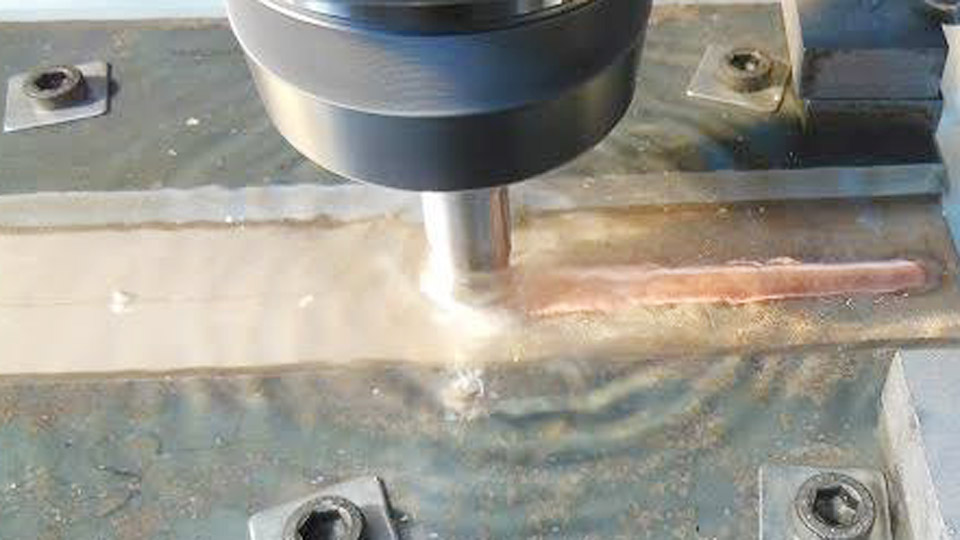
Many high-strength aluminum alloys crack or lose properties when arc-welded because fusion melting creates solidification defects and softens the heat-affected
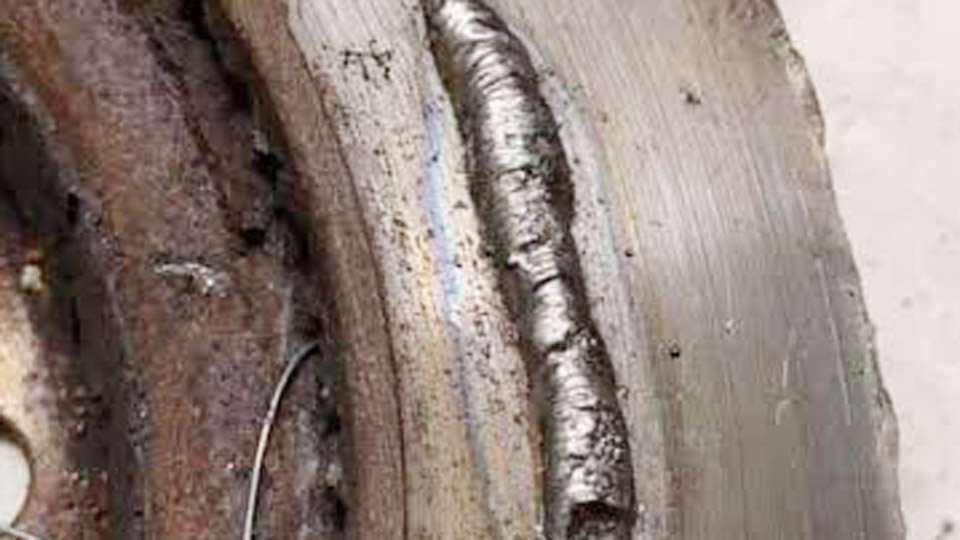
Many welders spray brake cleaner on oily or rusty parts moments before striking an arc, assuming the solvent will evaporate
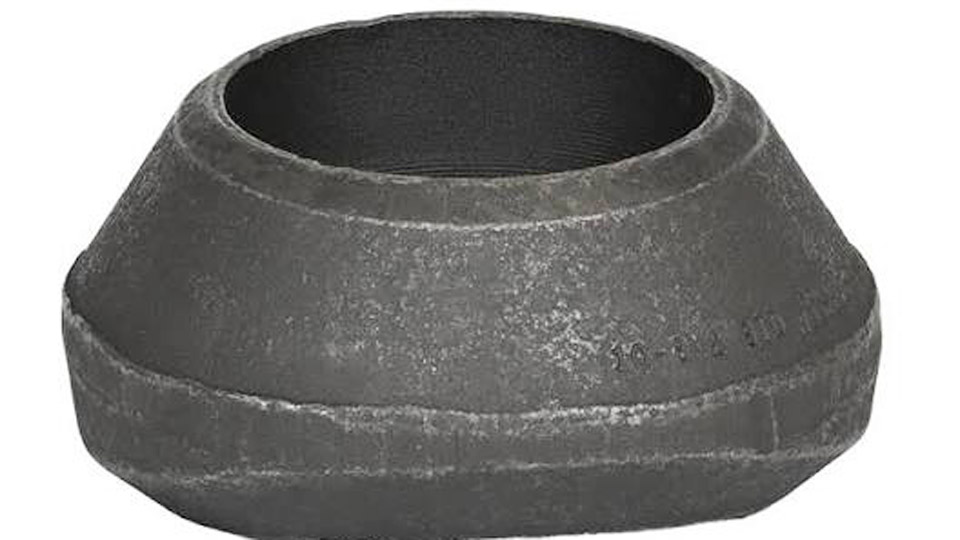
Cutting a hole in a header pipe and welding a branch directly creates a stress concentration that often fails ASME
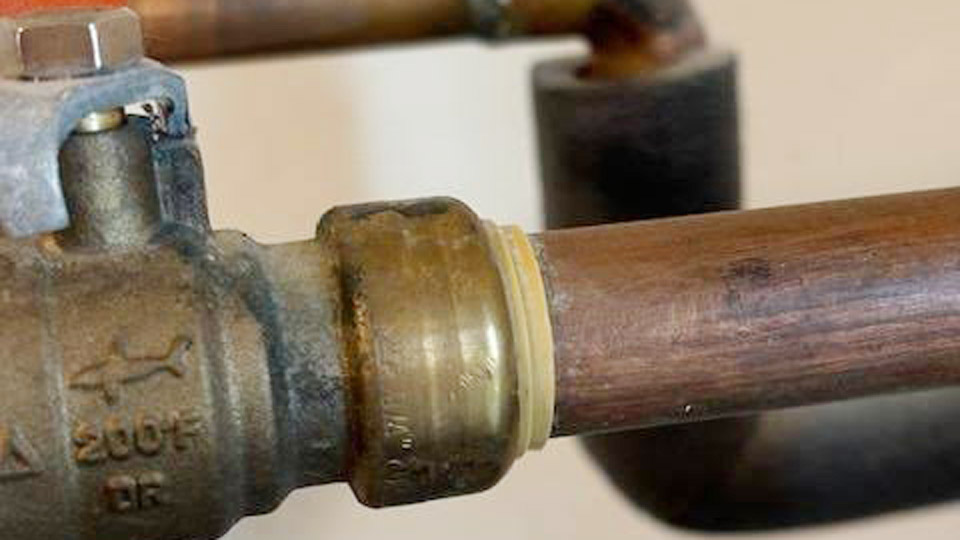
A SharkBite fitting that refuses to release after months or years of service creates an immediate problem when the official
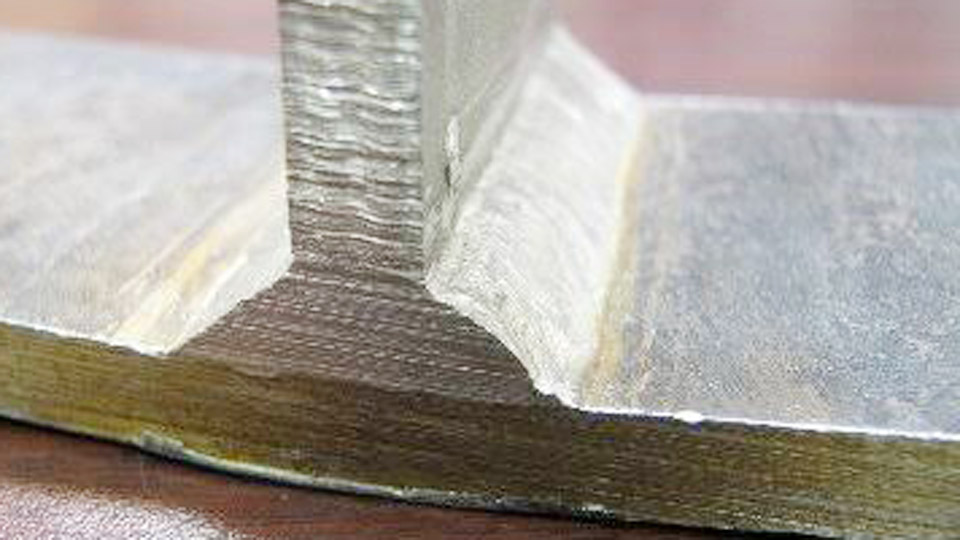
Many welders discover too late that a joint designed for full load transfer has only partial fusion at the root.
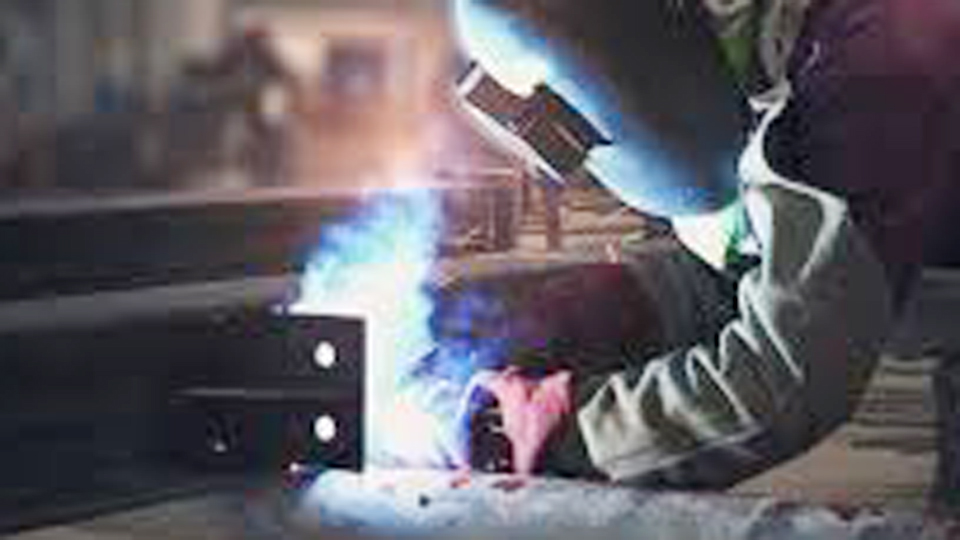
Selecting the wrong flux type produces welds that look acceptable on the surface yet fail under load or inspection. A