Choosing the right solder affects more than just electrical conductivity or joint appearance. Different solder alloys melt at different temperatures, flow differently under heat, and react uniquely with copper, brass, stainless steel, and electronic components.
That’s why understanding what are the different types of solder matters in real fabrication, plumbing, electronics repair, and metalworking applications. Using the wrong solder can lead to weak joints, overheating, corrosion issues, or premature failure under vibration and load.
Modern solder is typically classified by alloy composition, flux core type, and application-specific performance. Lead-based, lead-free, silver-bearing, acid-core, and rosin-core solders each serve a different purpose depending on heat control, joint strength, and code requirements.
Knowing where each type works best helps reduce rework, improve reliability, and maintain cleaner, stronger connections in both professional and DIY welding environments.
Image by wevolver
Lead-Based vs. Lead-Free Solder Alloys
Composition and Melting Characteristics
Lead-based solders, primarily tin-lead (Sn-Pb) alloys like 60/40 or the eutectic 63/37 Sn/Pb, melt at lower temperatures—around 183–190°C (361–374°F). The eutectic composition solidifies at a single point, minimizing the plastic phase range and reducing cold joint risks.
These alloys offer excellent wettability and flow, allowing quick heat transfer with standard soldering irons set to 300–350°C.
Lead-free alternatives, driven by RoHS regulations, commonly use SAC305 (Sn96.5/Ag3.0/Cu0.5) with a melting range of 217–220°C. Other options include Sn99.3/Cu0.7 (227°C) or tin-antimony mixes.
Higher tin content raises the melting point and narrows the process window, requiring precise temperature control to avoid component damage or incomplete wetting.
Mechanical and Electrical Performance
Lead-based joints provide good ductility and vibration resistance but lower tensile strength compared to many lead-free options. SAC alloys often achieve higher shear strength (around 60 MPa vs. 40 MPa for Sn63/Pb37) but form more brittle intermetallic compounds over time, especially under thermal cycling.
Electrical conductivity remains high in both, though lead-free joints may show slightly higher resistance due to surface oxidation if not properly fluxed.
In practice, professionals in high-reliability fields like aerospace may still prefer leaded for its forgiving nature, while commercial electronics mandate lead-free.
Soft Soldering vs. Hard Soldering (Silver Soldering/Brazing)
Temperature and Process Boundaries
Soft soldering operates below 450°C (840°F), using tin-based fillers for electronics, plumbing, and light fabrication. Hard soldering, often called silver soldering, uses alloys melting above 450°C—typically 600–800°C for silver-bearing rods. This crosses into brazing territory, where the base metal remains unmelted but experiences more heat input.
Joint Strength and Applications
Soft solder joints rely on capillary action and provide adequate strength for low-load applications (tensile around 30–50 MPa). Silver-bearing hard solders create stronger metallurgical bonds suitable for HVAC copper lines, jewelry, or structural sheet metal, with tensile strengths often exceeding 100 MPa depending on silver content (e.g., 45% Ag alloys).
Choose soft solder for heat-sensitive parts or quick repairs. Use silver solder when the joint must withstand pressure, vibration, or elevated service temperatures.
Flux-Core vs. Solid Solder Wire
Flux Integration and Application
Flux-core wire contains built-in flux (rosin, no-clean, or water-soluble) that activates during melting to remove oxides and promote wetting. Diameters range from 0.3–1.6 mm; finer gauges suit electronics, while thicker ones handle heavier fabrication. Solid wire requires separate flux application, offering more control over flux volume but demanding extra steps.
When to Choose Each
Flux-core excels in field repairs or vertical/overhead positions where pre-fluxing is impractical. Acid-core variants work for plumbing or radiator repairs but corrode electronics.
Rosin-core (RA or RMA) is standard for electrical work. Solid wire pairs best with paste or liquid flux for controlled production or when specific flux chemistry is needed (e.g., for stainless steel).
Specialty Solder Alloys and Their Uses
Low-Temperature and High-Temperature Variants
Bismuth-based solders (e.g., Sn42/Bi58) melt at 138–144°C, ideal for heat-sensitive components or step-soldering to avoid disturbing prior joints. High-temperature options like Sn95/Ag5 (221°C) or aluminum-specific alloys handle demanding environments.
Silver Content and Specialized Formulations
Increasing silver content improves strength and conductivity but raises cost and melting point. 95/5 tin-antimony offers lead-free plumbing performance with higher heat resistance (450–464°F). Cadmium-bearing or indium alloys serve niche low-melt or high-ductility needs, though toxicity limits their use.
Form Factors: Wire, Paste, Bar, and Preforms
Wire suits manual work. Paste enables precise dispensing in SMT or automated processes. Bar/ingot feeds wave or dip soldering. Preforms ensure consistent volume in production joints.
Selecting Solder for Specific Welding and Fabrication Tasks
Electronics and Precision Work
Prioritize 63/37 or SAC305 with fine flux-core wire (0.5–0.8 mm) and no-clean flux. Maintain tip temperatures around 320–380°C for lead-free to ensure proper flow without lifting pads.
Plumbing and HVAC Applications
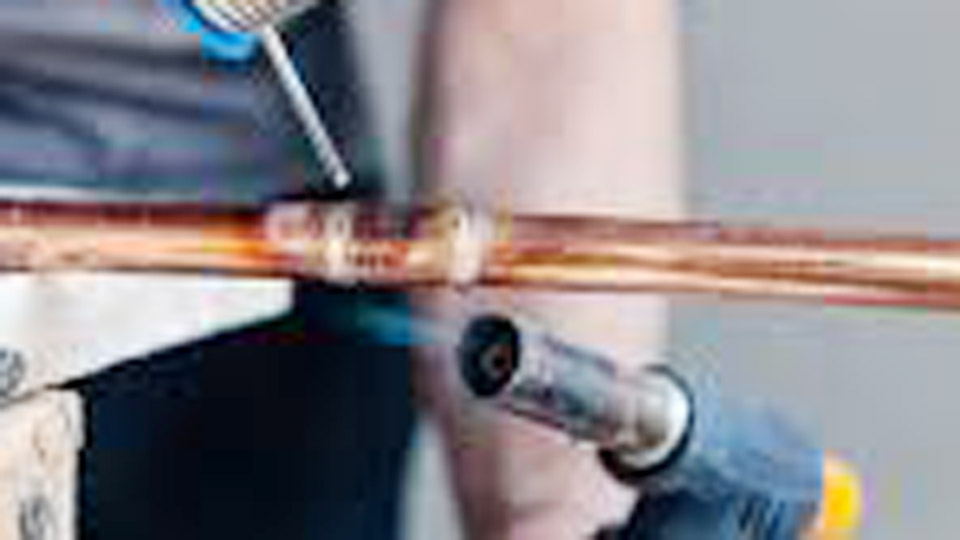
Use 95/5 tin-antimony or lead-free plumbing solder for potable water. Silver-phosphorus (Sil-Fos) rods for copper-to-copper HVAC joints eliminate external flux in some cases while providing brazing-level strength at lower peak temperatures than full brazing.
Sheet Metal and Structural Joints
Opt for higher-strength silver solders or brazing alloys when joints bear mechanical loads. Consider joint design—overlap for capillary action rather than butt joints.
Dissimilar Metals and Challenging Substrates
Stainless steel requires aggressive fluxes and specific alloys. Aluminum demands specialized zinc or tin-zinc solders with oxide-dissolving fluxes. Always match thermal expansion coefficients to minimize stress.
Practical Decision Factors Beyond Type
Surface preparation, heat source (iron, torch, induction), joint clearance (0.05–0.2 mm ideal for capillary), and post-cleaning all determine success.
Lead-free processes need hotter tools and better ventilation due to higher temperatures and potential tin whisker risks. Track alloy certifications for regulated work.
Final Thoughts
Choosing the right solder type comes down to balancing temperature limits, required strength, regulatory compliance, and process reliability. For most DIY and professional fabricators, mastering a few key alloys—eutectic leaded for practice, SAC for compliance, and silver-bearing for strength—covers the majority of needs.
The advanced insight: intermetallic compound growth rates vary significantly between alloys; monitoring service temperature and cycling can predict joint life more accurately than initial strength alone.
FAQ
What is the strongest type of solder for structural joints?
Silver-bearing hard solders or brazing alloys generally provide the highest tensile strength, often outperforming soft tin-lead or basic lead-free options in load-bearing applications.
Is lead-free solder as good as leaded solder?
Lead-free offers comparable or better long-term strength in many cases but requires higher temperatures, better technique, and yields less forgiving joints. Leaded remains easier for hobbyists and certain high-reliability uses.
Can I use plumbing solder for electronics?
Avoid it. Plumbing solders often contain acid fluxes or antimony that corrode circuits. Use only rosin or no-clean electronics-grade flux-core solder.
What solder should I use for copper pipe repairs?
95/5 tin-antimony for standard joints or Sil-Fos silver-phosphorus for stronger, flux-free copper-to-copper connections in HVAC or high-pressure lines.