Choosing the correct tungsten size is one of the most important setup decisions in GTAW/TIG welding. If the electrode diameter is too small for the amperage range, the tungsten can overheat, lose its point, and create arc instability.
If it is too large, arc starting becomes less precise and heat control suffers, especially on thinner materials. Understanding how to choose the right tungsten electrode size directly affects penetration consistency, weld appearance, electrode life, and overall welding efficiency.
In real fabrication work, tungsten selection also influences contamination risk, rework frequency, and heat input control across different metals and joint configurations.
The correct size must match the welding current, material thickness, polarity, and application requirements to maintain a stable arc under load.
In this guide I’ll explain how tungsten diameter relates to amperage capacity and welding performance, helping you select the proper electrode size for cleaner starts, better arc control, and more reliable weld results.
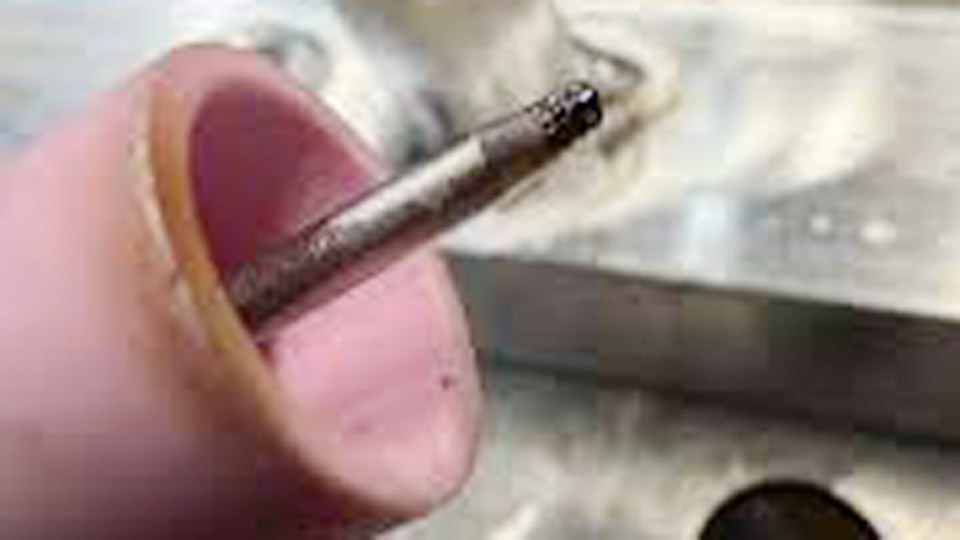
Image by reddit
Understanding Tungsten Electrode Diameter Basics
Tungsten electrodes range from 0.5 mm (0.020″) to 6.4 mm (1/4″) in diameter, with 1.6 mm (1/16″), 2.4 mm (3/32″), and 3.2 mm (1/8″) being the most common for general fabrication.
Diameter determines current-carrying capacity: smaller electrodes concentrate the arc for precision on thin materials, while larger ones handle higher amperage without overheating or melting.
Current Capacity and Electrode Diameter Relationship
Current capacity varies by tungsten type and polarity, but general guidelines apply:
- 0.5–1.0 mm (0.020–0.040″): Suitable for 5–50 amps, ideal for micro-welding or very thin sheet (<1 mm).
- 1.6 mm (1/16″): Handles 50–150 amps effectively for materials up to 3 mm thick.
- 2.4 mm (3/32″): Versatile for 100–250 amps, covering most hobbyist and light professional work on 3–6 mm material.
- 3.2 mm (1/8″): Supports 200–350+ amps for thicker sections (6 mm+).
- 4.0 mm (5/32″) and above: Reserved for 300–500+ amps in heavy fabrication.
Exceeding a diameter’s recommended amperage causes the electrode to overheat, leading to tip degradation or inclusions. Using an oversized electrode at low amperage results in a wandering, unstable arc because the current lacks sufficient density to form a focused cone.
Material Thickness and Tungsten Sizing
A practical rule pairs electrode diameter closely with material thickness. For steel or stainless on DCEN, select a tungsten diameter roughly equal to or slightly less than the material thickness in millimeters for balanced heat input. On aluminum with AC, shift toward slightly larger diameters to accommodate the higher heat and balling characteristics.
For example, 1.6 mm tungsten works well for 1–2 mm stainless steel at 60–120 amps. On 6 mm aluminum, 3.2 mm or 4.0 mm electrodes support the 180–300 amps needed for proper fusion without excessive distortion.
Key Factors Influencing Tungsten Electrode Size Selection
Amperage Range and Power Source Characteristics
Amperage remains the primary driver. Inverter power sources with stable output allow tighter sizing compared to older transformer machines. High-frequency starts or lift-arc features perform better with appropriately sized electrodes.
DCEN (direct current electrode negative) concentrates heat in the workpiece, allowing higher amperage per diameter. AC (alternating current) for aluminum splits heat, often requiring larger diameters for the same amperage to prevent rapid electrode erosion.
Tungsten Alloy Type and Current-Carrying Differences
Different alloys carry current differently:
- Pure Tungsten (Green): Lower capacity (up to ~150–200 amps), best for AC aluminum. Requires larger diameters for moderate currents.
- 2% Thoriated (Red): High capacity (~300 amps), excellent for DC steel/stainless. Supports smaller diameters at higher currents.
- Ceriated (Grey): Strong low-amperage performance, versatile for precision work.
- Lanthanated (Gold/Blue): Balanced AC/DC performance with good capacity, often allowing versatile sizing.
A 2% lanthanated 2.4 mm electrode can comfortably handle what might require a 3.2 mm pure tungsten on AC.
Joint Type, Position, and Heat Management
Butt joints on flat plate allow standard sizing. Fillet welds or vertical/uphill positions may benefit from slightly larger diameters for better puddle control and heat dissipation. Overhead welding often favors smaller electrodes to minimize puddle size and gravity effects.
Preheat on thick or high-conductivity materials (copper, aluminum) increases effective amperage needs, pushing toward larger tungsten.
Matching Tungsten Size to Common Applications
Precision and Low-Amperage Welding
For thin materials (0.5–2 mm) like automotive body panels, exhaust tubing, or artistic work, 1.0–1.6 mm electrodes dominate. These provide a tight arc cone for accurate heat placement and minimal distortion. At 20–80 amps, a 1.6 mm 2% lanthanated or ceriated electrode offers excellent starts and stability without excessive heat input.
Micro-TIG applications below 20 amps frequently use 0.5–1.0 mm electrodes with fine-bore torches.
General Fabrication and Medium Thickness
The 2.4 mm (3/32″) diameter serves as the workhorse for most shops. It handles 80–250 amps effectively across:
- Stainless steel pipe and fittings (DC)
- Mild steel structural work
- Aluminum sheet and plate up to 6 mm (AC)
This size balances arc force, electrode life, and ease of handling in standard 9–17 series torches. Many professionals standardize on 2.4 mm 2% lanthanated for its all-around performance.
Heavy Section and High-Amperage Welding
Thick materials (8 mm+) or long production runs demand 3.2–4.8 mm electrodes. At 250–500 amps, these maintain tip integrity during extended arcs and provide deeper penetration. Larger diameters also reduce the frequency of electrode changes in high-duty-cycle environments.
For aluminum over 10 mm, 4.0 mm or larger prevents rapid ball growth and maintains arc focus.
Practical Decision Framework for Electrode Selection
Step-by-Step Size Selection Process
- Determine primary amperage range based on material type and thickness.
- Factor in polarity (DCEN allows smaller sizes than AC).
- Choose alloy based on material and process needs.
- Select the smallest diameter that safely handles the upper amperage limit for best arc focus.
- Verify fitment with torch collet and gas lens (diameter must match collet bore precisely).
Test on scrap material when transitioning between materials or thicknesses. Adjust based on observed arc behavior: a tight, stable cone indicates proper sizing; spitting, excessive balling, or wandering signals mismatch.
Electrode Preparation Impact on Performance
Pointed tips (20–40° included angle) suit DC applications for focused arcs, enabling effective use of smaller diameters. Balled tips on AC (1.5–2x diameter) require checking that the ball doesn’t exceed the electrode body, which may necessitate upsizing.
Consistent grinding or dedicated tungsten sharpeners maintain repeatability. Contaminated or poorly prepared electrodes behave as if undersized due to irregular current flow.
Advanced Considerations for Professional Results
Torch and Gas Lens Compatibility
Gas lens collets and bodies improve shielding and allow slightly smaller electrodes by enhancing cooling and arc stability. Standard setups may need upsizing in drafty environments or with poor gas coverage.
Electrode stick-out (typically 2–4x diameter) affects heat buildup—longer stick-out benefits from larger diameters to prevent softening.
Multi-Process and Specialty Applications
Pulsed TIG benefits from electrodes sized for peak amperage while maintaining control at background current. Mechanized or orbital welding often favors specific diameters for consistent arc length and repeatability.
When welding dissimilar metals or reactive alloys (titanium, magnesium), precise sizing prevents overheating that could compromise the inert atmosphere.
Common Sizing Mistakes and Technical Corrections
Oversizing for “safety” reduces arc pressure and puddle control, leading to wider, shallower beads and potential lack of fusion. Undersizing causes rapid electrode consumption, tungsten inclusions, and porosity from melted particles.
Adjustments for specific scenarios:
- High helium mixes increase heat and may require larger diameters.
- Extended welding cycles favor larger electrodes for longevity.
- Thin-to-thick transitions use intermediate sizing or technique adjustments rather than extreme diameter changes.
Decision-Making Summary for Tungsten Electrode Size
Choosing the right tungsten electrode size requires balancing amperage demands, material characteristics, polarity, and desired arc characteristics. Start with 2.4 mm for most work and scale up or down based on tested performance rather than assumptions.
Proper sizing delivers stable arcs, optimal penetration, reduced defects, and longer electrode life—directly improving productivity and weld quality.
On a pro level, experienced welders treat electrode diameter as a tunable variable alongside pulse settings and travel speed. The best setups achieve maximum current density without electrode distress, creating a focused, forceful arc that drives consistent fusion with minimal heat-affected zone distortion.
FAQ
What size tungsten should I use for 1/8 inch aluminum?
For 3 mm (1/8″) aluminum on AC, a 2.4 mm (3/32″) lanthanated or zirconiated electrode typically performs best at 120–180 amps. This provides good puddle control and prevents excessive balling while maintaining arc stability.
Can I use the same tungsten size for steel and aluminum?
Not optimally. Steel on DCEN allows smaller diameters for the same thickness due to focused heat. Aluminum on AC generally requires larger sizes to handle heat distribution and maintain electrode shape. Keep dedicated electrodes or adjust size when switching materials.
How does tungsten size affect arc start and stability?
Smaller diameters start easier and create tighter arcs but overheat faster at high amps. Larger diameters offer stability and longevity at higher currents but can produce softer, less focused arcs at low amperage. Match size to your primary operating range for consistent results.
What happens if my tungsten electrode is too small for the amperage?
The electrode overheats rapidly, leading to tip melting, erosion, tungsten inclusions in the weld, and arc instability. This increases contamination risk and requires frequent replacements. Always verify amperage falls within the electrode’s safe range for the alloy type.