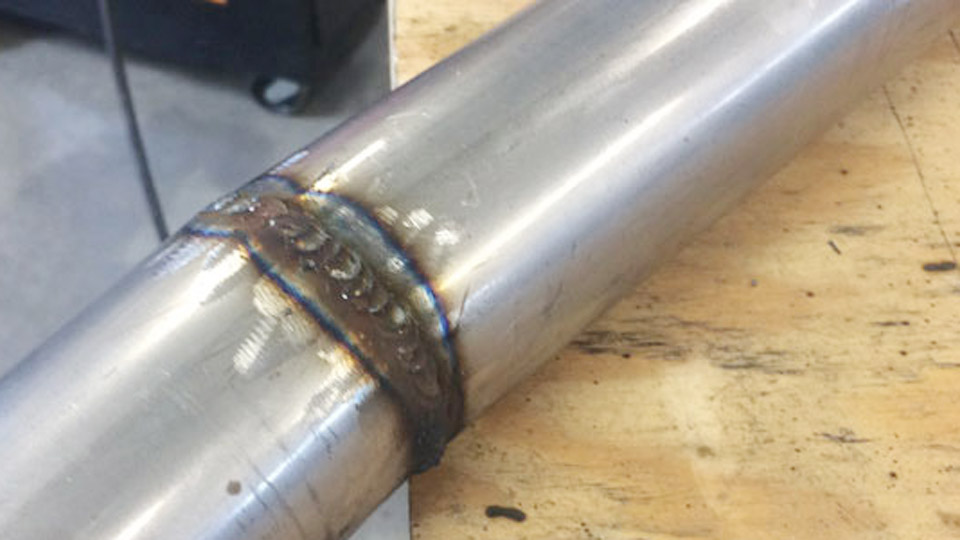
Spool Gun Aluminum Welding Settings directly control arc stability, wire feed consistency, and overall weld quality when working with soft aluminum wire in MIG welding systems.
Incorrect configuration can quickly lead to burnback, bird nesting, inconsistent penetration, porosity, and excessive heat distortion, especially when amperage and wire feed speed are not properly matched.
In real fabrication work, these issues reduce structural reliability, increase rework costs, and cause inspection failures that slow down production and raise material waste.
Understanding correct spool gun setup is essential for achieving stable aluminum welds across different thicknesses and preventing avoidable defects in production environments.
I’ll explain practical parameter selection, including voltage, wire feed speed, shielding gas flow, and travel technique for consistent results to improve weld quality and reduce rework.
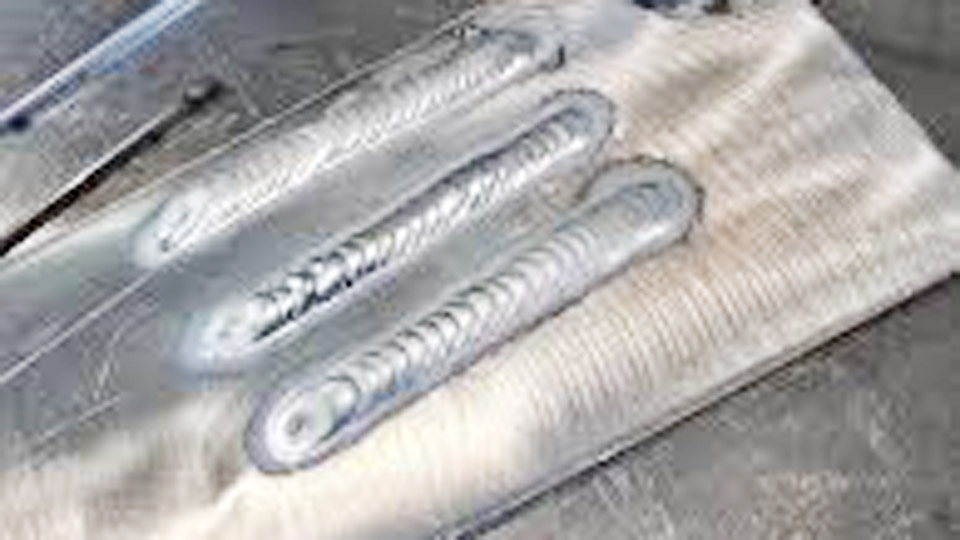
Image by I See You Don’t Know Shit About Welding
Why Spool Guns Excel for Aluminum MIG
Spool guns minimize feeding problems inherent to soft aluminum wire by mounting a small 1-lb spool directly on the gun. This short feed distance—typically 8-10 inches—reduces bird-nesting and inconsistent delivery compared to push systems over longer cables.
Key Advantages in Real Applications
Spool guns suit field repairs, hobby projects, and smaller fabrication shops where frequent wire changes are acceptable. They pair well with compact MIG machines (e.g., 180-250A class) for 14-gauge to 1/4″ aluminum.
The pistol-grip design improves maneuverability in tight spots versus bulkier push-pull setups. However, they add weight to the gun, so operators should limit sessions or use supports for extended work.
Limitations to Consider
Limited spool capacity means more downtime for changes. Reach is constrained by cable length (often 15-25 ft), and the gun’s bulk can hinder access in deep joints. For high-volume production, push-pull systems may outperform, but spool guns remain the practical entry for most DIY and small-shop aluminum MIG.
Essential Equipment Setup for Spool Gun Aluminum
Proper setup prevents 80% of common aluminum MIG headaches.
Wire Selection and Drive System Compatibility
Use 4043 alloy for general-purpose welding (good fluidity, less cracking) or 5356 for higher strength and corrosion resistance in marine or structural work. Diameter choices: 0.030″ for thinner material (<1/8″), 0.035″ or 3/64″ (0.045″) for 1/8″ and thicker.
Install U-groove drive rolls sized exactly to your wire diameter. Avoid V-groove or knurled rolls designed for steel, as they will shave or crush the soft aluminum. Set drive roll tension light—enough to feed without slipping but not deforming the wire.
Use a Teflon liner and aluminum-specific contact tips (often oversized by one size, e.g., 0.040″ tip for 0.035″ wire) to reduce drag and burnbacks.
Shielding Gas and Flow Rates
100% argon is standard. Start at 20-25 CFH and increase to 30-35 CFH for outdoor or drafty conditions. Higher flow pushes oxides away effectively during the push technique but avoid excessive turbulence that can pull in air.
Polarity and Machine Preparation
Maintain DCEP (reverse polarity). Clean the spool gun hub tension regularly and ensure the contact tip is recessed slightly (1/8″ to 1/4″ from nozzle) for optimal gas coverage.
Optimal Spool Gun Aluminum Welding Settings by Thickness
Settings vary by machine, wire alloy, joint type, and position. Always begin with manufacturer charts as baselines and fine-tune on scrap. Target spray transfer mode: a smooth, hissing arc with minimal spatter and good wetting.
Settings for Thin Aluminum (1/16″ to 3/32″)
For 0.030″ or 0.035″ wire on thin sections:
- Voltage: 18-20V
- Wire Feed Speed: 300-450 IPM
- Approximate Amps: 80-130A
- Travel Speed: Fast (18-25 ipm) to avoid burn-through
Use a 10-15° push angle. Lower wire speed prevents excessive heat input. Preheat to 150-200°F if material is cold or thick sections meet thin ones.
Mid-Range Thickness (1/8″ Material)
Common for many projects:
- Voltage: 20-23V
- Wire Feed Speed: 350-500 IPM (higher for 5356 wire)
- Amps: 140-190A
- Travel Speed: 15-20 ipm
Example starting point for 1/8″ 6061 with 0.035″ 4043: 21V at 380-420 IPM. Adjust voltage up for wider beads or better wetting; increase WFS for more deposition.
Sample Parameter Table for 1/8″ Aluminum (Approximate, Fine-Tune Live)
| Wire Diameter | Voltage | WFS (IPM) | Gas Flow (CFH) | Expected Transfer |
|---|---|---|---|---|
| 0.030″ | 19-21 | 350-450 | 25-30 | Spray |
| 0.035″ | 20-23 | 380-520 | 25-35 | Spray |
| 3/64″ (0.045″) | 21-24 | 240-400 | 25-30 | Spray |
Thicker Sections (3/16″ to 1/4″)
- Voltage: 23-27V
- Wire Feed Speed: 350-450 IPM with 0.045″ wire
- Amps: 180-250A+
- Travel Speed: 12-18 ipm
Higher voltage maintains arc length in spray mode. Use stringer beads or slight weave; multiple passes may be needed. Preheat heavier plate to 200-300°F to reduce cracking risk.
Technique and Arc Control Decisions
Push the gun at 10-15° travel angle (forehand) to direct shielding gas ahead and clear oxides. A 45° work angle in fillets balances legs. Maintain 1/2″ to 3/4″ stickout—longer for higher voltage settings to prevent burnback.
Travel speed is critical: too slow causes excessive heat and soot; too fast yields lack of fusion. Listen for the steady hiss of true spray transfer. If the arc crackles or pops, voltage is too low or WFS too high for the thickness.
Joint Preparation Impact on Settings
Clean aluminum thoroughly (stainless brush, acetone) immediately before welding. Oxide layer absorbs moisture and causes porosity. Bevel thicker joints (>1/8″) to 60-70° included angle for better access and penetration. Back-purge or use backing bars on critical joints to control heat.
Adjusting Parameters in Real Time
Watch the puddle: a fluid, shiny puddle with good wetting indicates correct settings. Soot or blackening around the bead often means insufficient gas, wrong angle, or low voltage. Undercut signals travel speed too fast or voltage too high. Lack of penetration requires higher WFS or slower travel.
On machines with synergic or aluminum modes, use them as starting points but override manually. For example, many recommend lowering WFS slightly from chart values while raising voltage to stabilize spray transfer.
Common Parameter-Related Problems and Corrections
Porosity often traces to gas flow, dirty material, or excessive stickout disrupting coverage. Increase flow or shorten stickout. Sooty welds result from dragging instead of pushing or contaminated wire—always push and store spools sealed.
Burn-through on thin material: reduce WFS and voltage, increase travel speed dramatically. Erratic feeding: check liner, tip, and drive roll tension. If the gun runs “hot,” many operators drop WFS 10-20% and tweak voltage down slightly from charts.
Advanced Considerations for Professional Results
For multi-pass welds, interpass temperature control below 250°F prevents distortion and hot cracking. In out-of-position work (vertical-up), reduce parameters 10-15% and use smaller diameter wire. Pulse-capable machines allow lower average heat input while maintaining spray-like transfer.
Choose wire alloy based on base metal and service: 4043 offers better flow for cosmetic or leak-tight joints; 5356 provides higher tensile strength. Test welds and perform break tests or dye penetrant inspection on critical applications.
Performance Takeaway
Mastering spool gun aluminum welding settings comes down to balancing high voltage for spray arc stability with controlled wire feed and aggressive travel speeds.
The best welders treat every job as a test—starting conservative on heat, observing puddle behavior, and making micro-adjustments rather than chasing perfect chart numbers.
This approach yields consistent, high-integrity aluminum welds that perform in real-world conditions, from boat repairs to structural frames.
Pro insight: true spray transfer on aluminum should produce a clean, almost mirror-like bead with minimal post-weld cleanup when parameters and technique align.