Many welders encounter weak seams, material distortion, or outright failures when joining PVC sheets, membranes, or repairs because temperature, speed, and pressure interact in ways that solvent cement or other methods cannot replicate.
Hot air welding PVC addresses these challenges by delivering precise localized heat to fuse thermoplastic molecules directly, creating monolithic bonds suitable for roofing, tank linings, inflatable structures, and custom fabrications.
Understanding the interplay of hot air parameters with PVC’s heat sensitivity is essential for achieving welds that match or exceed base material strength while avoiding degradation.
I’ll discuss the practical data and decision points professionals and serious hobbyists need for consistent results.
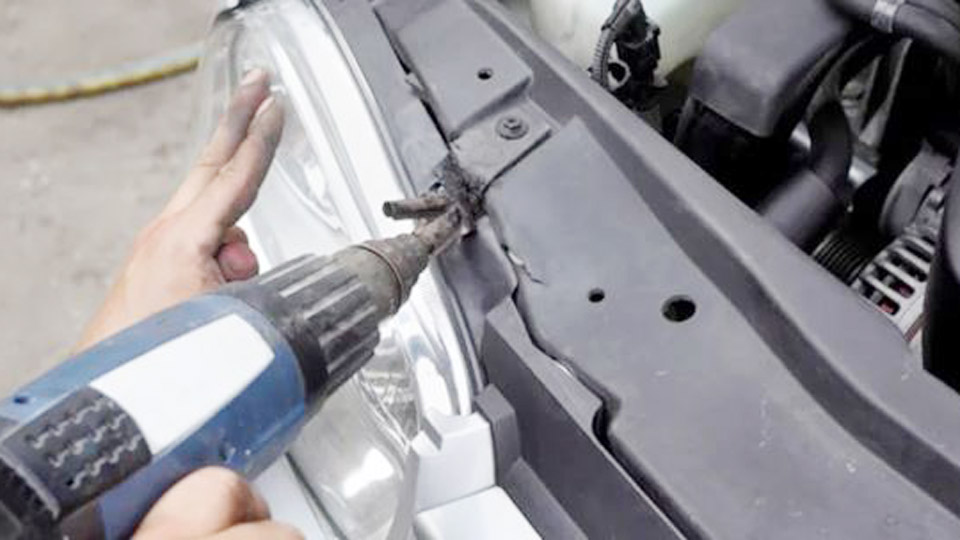
Image by yahoo autos
Equipment Selection and Setup for Hot Air PVC Welding
Choosing the Right Hot Air Welder
Handheld tools like the Leister TRIAC or BAK RION series offer 1600W+ power with digital temperature control for PVC work. These deliver stable airflow (typically 40-60 l/min) and temperatures up to 650°C. For production roofing or long seams, automatic welders (e.g., Leister Varimat) provide consistent speed and pressure, reducing operator fatigue.
Key specifications to prioritize: accurate temperature readout (measured 5mm inside the nozzle), adjustable airflow independent of heat, and quick nozzle changes. Avoid cheap unregulated guns—they cause inconsistent melt and weak fusion.
Nozzle Types and Their Applications
- Tacking nozzles: Narrow tips for initial positioning of sheets or rods without full melt.
- Round/tubular nozzles (e.g., 5mm): Ideal for manual pendulum or rod welding in tight spots or repairs.
- Speed welding nozzles (e.g., 8mm profile A or similar): Channel the rod automatically while preheating the substrate; essential for efficiency on longer runs.
- Wide slot or flat nozzles: Used for overlap seams in thin membranes or vinyl fabrics.
Match nozzle diameter to welding rod size (typically 3-5mm for PVC) and material thickness. A mismatched nozzle leads to poor rod feed or uneven heating.
Supporting Tools and Accessories
Prepare with rotary burrs or grinders for V-grooving, scrapers for oxide removal, seam rollers for consolidation, and digital thermometers or infrared guns for verification. Clean, dry compressed air (oil-free) is non-negotiable to prevent contamination.
Material Considerations and Weld Rod Selection
PVC Variants: Rigid, Flexible, and CPVC
PVC-U (unplasticized/rigid) requires higher temperatures (330-370°C) due to its structure, while PVC-P (plasticized/flexible) welds effectively at 300-370°C with more care to avoid burning plasticizers. CPVC needs similar parameters but specific matching rods.
Always verify material type—flame test or recycling symbol helps. Use identical PVC formulation rods for maximum compatibility and strength.
Welding Rod Profiles and Sizing
Round, triangular, or profiled rods (e.g., 3-5mm) suit different joint geometries. Smaller diameter rods in multiple passes reduce voids and shrinkage stress compared to large single beads. For structural repairs, multiple thin layers outperform one heavy pass.
Store rods in clean, dry conditions; contaminated filler introduces defects.
Joint Preparation Techniques
Surface Cleaning and Contaminant Removal
Scrape or abrade the top oxidized layer immediately before welding. Remove grease, moisture, dust, or release agents with appropriate solvents (avoid residues). For repairs, back the area with tape or supports to prevent distortion.
Creating Proper V-Grooves and Edge Bevels
For butt or repair joints thicker than 2mm, machine a 60° included V-groove to full or near-full depth. This allows rod material to fuse through the thickness rather than surface bonding only. Support the workpiece during grinding to avoid digging or wandering. For thin sheets (<2mm), clean overlap seams suffice but demand precise alignment.
Tack the joint first with a narrow nozzle to maintain alignment under thermal expansion.
Optimal Temperature, Speed, and Pressure Settings
Temperature Guidelines by PVC Type
Set hot air temperature 80-100°C above the material’s melt point, typically 300-370°C for PVC-U and 300-360°C for flexible variants. Measure in the air stream, not at the element.
- Too low: Insufficient melt, poor fusion, low strength.
- Too high: Scorching, discoloration, degradation, or shiny/dull surfaces indicating burn.
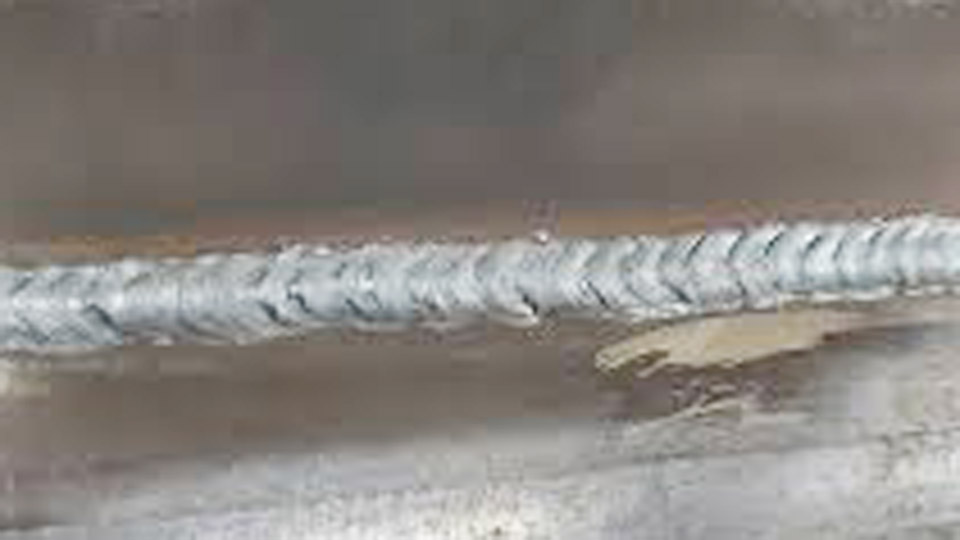
Test on scrap: Good PVC welds show a slight shiny bead edge without brown char or excessive flattening.
Airflow and Travel Speed
Maintain 40-50 l/min airflow for most handheld work. Travel speed for manual welding is 0.1-0.3 m/min; speed welding nozzles allow faster consistent progress. Automatic systems target 8-13 ft/min depending on thickness and machine.
Slower speeds on thicker material or cold ambient conditions; faster on thin sheets to prevent heat buildup.
Applied Pressure and Technique
Apply consistent downward force (roughly 10-20 N) to consolidate the melt pool. The rod should partially flatten with small beads on either side for optimal fusion. Excessive pressure smears the rod; too little leaves gaps.
Welding Techniques for Different Applications
Manual Rod Welding (Pendulum Method)
Heat the groove and rod end simultaneously with a round nozzle, then press the rod in at 80-90° angle while moving the gun in a pendulum motion. Build multiple passes, scraping between layers for oxide removal. Excellent for repairs and complex shapes.
Speed Welding for Linear Seams
Feed rod through the speed nozzle while the leading edge preheats the substrate. Maintain constant speed and pressure. Ideal for tank fabrication or long roofing seams. Profile nozzles match common joint geometries for better fill.
Overlap Seam Welding for Membranes and Fabrics
For roofing PVC or vinyl, use wide slot nozzles or automatic track welders. Preheat overlap area, apply pressure via roller or machine weight. Target visible “bleed-out” or slight smoke as indicators of proper melt without burning.
Adjust for ambient temperature—colder conditions need higher heat or slower speed.
Troubleshooting Common Weld Defects
Addressing Weak Fusion or Delamination
Causes: Low temperature, fast travel, dirty surfaces, or insufficient pressure. Solution: Increase heat/airflow incrementally, slow down, and re-scrape. Perform test pulls on sample welds.
Preventing Burn-Through and Distortion
Overheating thin PVC causes holes or warping. Reduce temperature, increase speed, or use nitrogen instead of air for sensitive applications (reduces oxidation). Back supports and clamping help control heat sink effects.
Fixing Voids, Cracks, or Uneven Beads
Voids from poor groove fill or rod feed issues. Cracks from rapid cooling or shrinkage. Re-weld with additional passes after proper prep. Allow natural cooling; forced air can induce stress.
Environmental and Material Variables
Wind cools the weld pool—use shields. Material thickness, color (darker absorbs more heat), and previous weathering affect parameters. Always qualify settings on representative scrap from the actual job.
Testing and Qualifying PVC Hot Air Welds
Visual and Non-Destructive Inspection
Look for uniform shiny beads (for PVC), no char, consistent width, and full penetration. Use spark testing or vacuum box for leak detection on liners.
Destructive Testing Methods
- Peel or pull tests: Weld should require force to separate, with failure in base material, not the weld.
- Tensile testing: Aim for weld factors near 1.0 (weld strength matching parent material).
- Bend tests: No cracking on convex side indicates good ductility.
For critical applications, document parameters and test results per job.
Advanced Considerations for Professional Results
Multi-pass welding on thick sections requires interlayer scraping and temperature consistency. For chemical tanks or pressure applications, consider de-rating factors (e.g., extrusion welds sometimes at 80% strength). Explore nitrogen hot gas welding for reduced oxidation in high-performance PVC.
Automation integration with laser guidance or programmable recipes improves repeatability on production runs. Material-specific training and regular equipment calibration separate average from exceptional welders.
Performance Takeaway
Successful hot air welding PVC boils down to matching thermal input precisely to the material’s response—test, adjust, document. The strongest welds come from operators who treat every parameter as interdependent and qualify each setup on the actual materials under job conditions.
Mastering this delivers reliable, leak-free, high-integrity PVC fabrications that outperform adhesive alternatives in demanding environments.
FAQ
What temperature should I use for hot air welding PVC?
For rigid PVC-U, target 330-370°C hot air temperature; flexible PVC-P around 300-360°C. Always verify with test welds on scrap from the project batch, as exact settings vary with thickness, ambient conditions, and equipment.
Can hot air welding replace solvent cement for PVC pipes?
Hot air welding suits sheet, membrane, and repair applications better than pipes, where solvent cement is standard. For structural sheet work or where chemical resistance matters, hot air provides superior monolithic fusion without cure time.
How do I prevent scorching when speed welding PVC?
Maintain proper travel speed, use correct airflow, and monitor for early signs of discoloration. Slightly lower temperature and ensure consistent pressure. Nitrogen can help minimize oxidation-related burning.
What rod size and technique works best for thin PVC membranes?
Use 3-4mm rods with speed welding nozzles for overlaps. Focus on overlap width (typically 30-50mm+), roller pressure, and visible melt indicators rather than heavy fill. Automatic machines excel here for consistency.