Many welders and HVAC technicians face a common dilemma on the job: a joint that needs reliable brazing or a repair requiring precise heat control, but uncertainty about whether an air acetylene torch or a full oxy acetylene setup will deliver the best results without damaging the base metal or wasting time.
The primary keyword—Air Acetylene Torch vs Oxy Acetylene—highlights this exact decision point. One system offers superior heat and versatility for demanding tasks, while the other prioritizes portability and forgiveness for everyday copper work.
Understanding their differences in flame characteristics, gas requirements, and real-world performance directly impacts joint quality, productivity, and equipment costs.
Image from kdmfab
Fundamental Operating Principles
Combustion Differences and Flame Generation
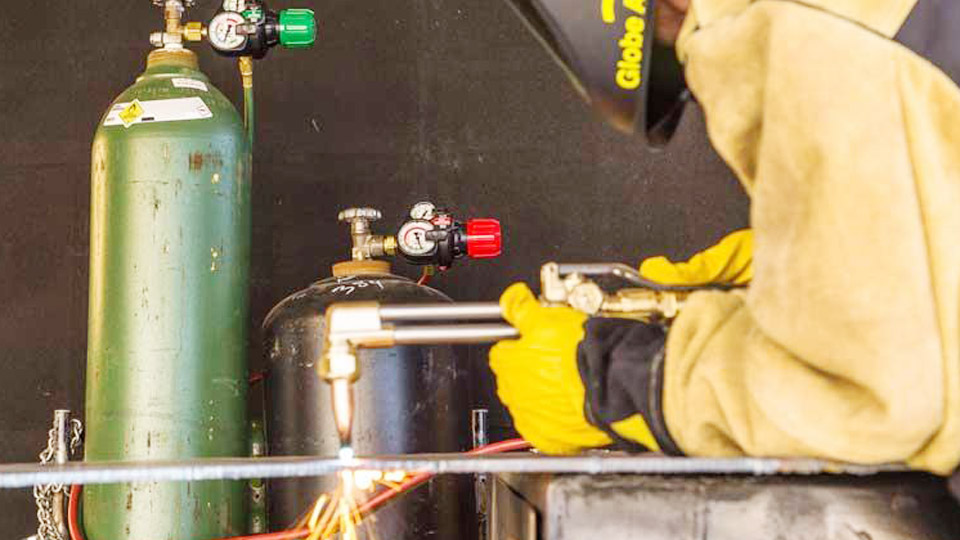
Oxy acetylene torches mix pure compressed oxygen with acetylene in the torch body, creating a premixed combustible gas that burns at extremely high efficiency. This produces a distinct three-zone flame: a sharp inner cone, a reducing zone, and an outer envelope.
The ability to adjust the oxygen-to-acetylene ratio (typically around 1.1:1 for neutral) allows fine control over flame chemistry and temperature.
Air acetylene torches rely on a single acetylene cylinder and draw atmospheric oxygen (about 21% O₂) through a Venturi effect and swirl combustion technology at the tip.
Modern designs use rotors or vanes to homogenize the mixture, but the lower oxygen concentration results in a fundamentally different flame profile. No premixing occurs inside the torch, which simplifies operation but limits peak performance.
Temperature and Heat Output Specifications
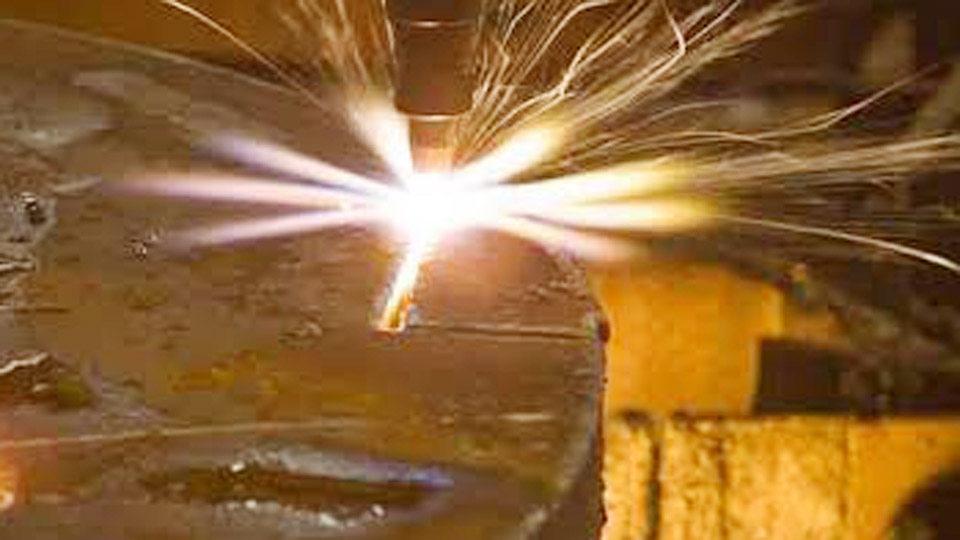
Oxy acetylene systems achieve approximately 5,400–6,300°F (2,982–3,482°C) at the inner cone tip, depending on adjustment and tip size. This extreme temperature enables actual fusion welding of steel and efficient cutting.
Air acetylene flames top out around 2,700–3,000°F (1,482–1,649°C) at a comparable point, with some advanced swirl tips reaching effective brazing ranges up to 4,000°F in the broader envelope.
The heat transfer rate is slower due to lower intensity, making it unsuitable for melting most structural metals but adequate for capillary brazing and soldering.
Equipment Setup and Portability Factors
Cylinder Requirements and Logistics
Oxy acetylene rigs demand two cylinders: typically an MC (10 ft³) acetylene and an R (20 ft³) oxygen tank, plus dual hoses and regulators. This setup adds significant weight—often 30–40+ lbs total—and requires managing differential consumption rates, as acetylene depletes faster in many applications.
Air acetylene uses only one acetylene cylinder (MC or larger B-size), a single hose, and one regulator. The reduced bulk makes it far easier to carry into attics, crawl spaces, or rooftops, with faster setup and teardown times critical for service calls.
Regulator and Torch Configurations
Oxy acetylene systems feature separate regulators for each gas, allowing independent pressure adjustments (common welding settings: 5–10 psi acetylene, 25–40 psi oxygen, varying by tip and thickness). Torch handles often include multiple tip options for welding, cutting, heating, or brazing.
Air acetylene torches simplify this to a single acetylene regulator and flow control, with specialized swirl tips (e.g., TurboTorch-style) optimized for wrap-around heating. Tip selection focuses primarily on size for different tubing diameters rather than flame chemistry.
Performance in Brazing and Soldering Applications
Heat Distribution and Joint Quality
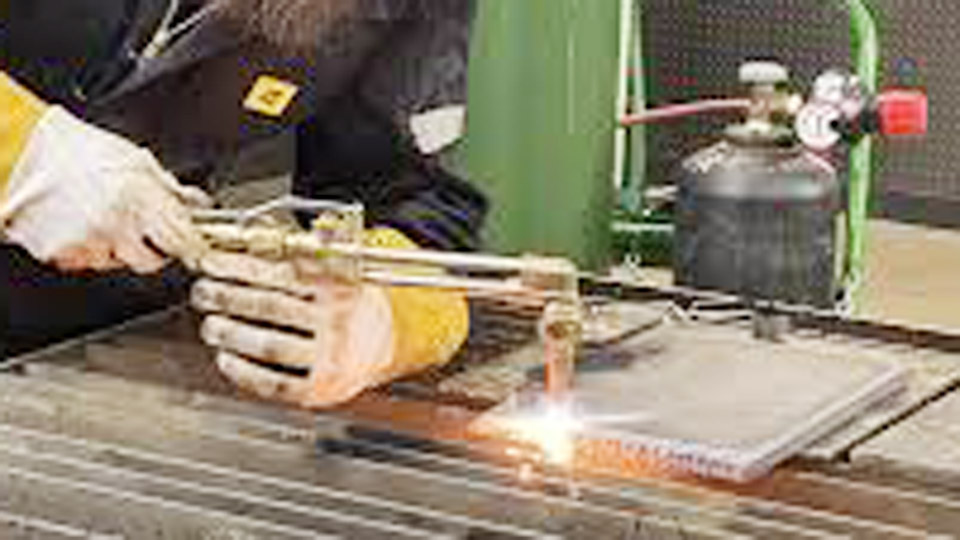
Oxy acetylene’s concentrated inner cone delivers rapid, localized heating ideal for larger copper tubing (over 1 inch) or thick-walled fittings.
Operators must keep the torch moving continuously to avoid burn-through, maintaining the inner cone slightly off the workpiece. This technique demands experience to achieve uniform capillary action without overheating one side.
Air acetylene’s broader, wrapping flame envelops joints more evenly, reducing the risk of localized hot spots. This makes it particularly effective for smaller-diameter copper lines common in residential HVAC and refrigeration, where even preheating promotes reliable filler flow with less operator skill required.
Material-Specific Considerations
For copper-to-copper brazing with alloys like Sil-Fos or silver-bearing rods (melting 1,100–1,500°F), both systems work, but air acetylene minimizes oxidation and distortion on thin tubing. Oxy acetylene excels when brazing copper to brass or steel adapters requiring higher heat input.
Aluminum brazing benefits from air acetylene’s lower intensity and broader heat to stay below the base metal’s melting point (around 1,220°F for many alloys), reducing the chance of weakening the parent material. Oxy setups can succeed with careful technique and larger tip distance but carry higher risk.
Welding and Cutting Capabilities
Structural Metalwork with Oxy Acetylene
Oxy acetylene remains the standard for oxyfuel welding (OFW) of mild steel, cast iron, and some non-ferrous metals. Neutral flame settings allow puddle control for fusion welds on thicknesses from thin sheet to heavier plate with appropriate tips. It also supports cutting steel via the exothermic reaction of the cutting oxygen stream after preheat.
Typical settings for welding:
- Thin sheet (1/16–1/8″): Small tip, 5 psi acetylene, 5–10 psi oxygen.
- Medium plate: Larger tip, adjusted pressures for stable puddle.
Air acetylene lacks the temperature and focused heat for meaningful fusion welding or cutting of steel.
Limitations and Alternatives
Air acetylene torches are restricted to heating, brazing, and soldering. For hybrid workflows, many professionals maintain both systems or supplement with oxy-MAP/propane alternatives for specific portability needs.
Cost, Maintenance, and Long-Term Ownership
Initial and Operational Expenses
Air acetylene setups have lower upfront and ongoing costs due to one cylinder and simpler components. Fuel consumption is efficient for targeted brazing jobs, with fewer refills needed for service-oriented work.
Oxy acetylene involves higher gas costs (two supplies), more frequent regulator maintenance, and potential expenses for flashback arrestors and check valves. However, its versatility can justify the investment for shops handling diverse fabrication tasks.
Durability and Common Issues
Both systems require clean tips, leak checks, and proper storage. Oxy acetylene faces higher flashback risks, necessitating arrestors. Air acetylene torches are more forgiving but can suffer from poor air intake in extremely confined or windy conditions, reducing flame efficiency.
Decision Framework for Different Users
For Hobbyists and DIY Welders
Hobbyists focused on occasional repairs, automotive work, or small fabrication should evaluate project mix. Air acetylene suffices for most brazing and light heating with excellent portability for garage use. Oxy acetylene provides future-proofing for learning gas welding and cutting skills.
Professional and Field Service Considerations
HVAC/refrigeration technicians handling daily copper line repairs overwhelmingly favor air acetylene for speed of deployment and reduced fatigue. Fabrication shops or mobile welders needing welding, cutting, and heavy brazing lean toward oxy acetylene. Many pros carry both or use modular systems.
Student and Training Environments
Educational settings benefit from starting with air acetylene to build confidence in heat control before progressing to the more demanding flame management of oxy acetylene. This sequence reinforces fundamentals of capillary action and joint preparation without early frustration.
Advanced Techniques and Optimization
Flame Adjustment Strategies
Mastering oxy acetylene involves recognizing flame types visually: neutral (sharp cone, no feather), carburizing (extended feather for certain applications), and oxidizing (shorter, harsher cone). These adjustments affect not just temperature but metallurgical outcomes, such as reducing decarburization or controlling alloying elements.
Air acetylene optimization centers on tip selection and positioning. Swirl tips require correct acetylene flow for stable combustion; too low causes unstable flames, too high wastes gas and reduces efficiency. Positioning the flame to leverage the wrap-around effect maximizes heat transfer without direct impingement.
Nitrogen Purging and Joint Preparation Integration
In HVAC brazing, flowing nitrogen during heating prevents internal oxidation regardless of torch type. Oxy acetylene’s higher heat allows faster completion of this process on larger joints, while air acetylene’s gentler profile pairs well with extended purge times on sensitive systems. Proper cleaning, fit-up (0.002–0.005″ gap for brazing), and flux use remain critical for both.
Real-world Application Insight
The optimal choice often comes down to matching heat input profile to base metal mass and joint geometry rather than chasing maximum temperature. Experienced welders calculate effective heat-affected zones and select the system that minimizes distortion while achieving full filler penetration.
A pro-level takeaway is integrating torch selection with workflow analysis—portability gains from air acetylene can outweigh raw power in high-volume service environments, but oxy acetylene’s single-tool versatility dominates mixed fabrication shops.
FAQ
Is air acetylene hot enough for brazing copper pipes?
Yes, modern air acetylene torches with swirl technology provide sufficient heat for brazing copper tubing up to about 1 inch in diameter. The broader flame excels at even heating for capillary flow in residential and light commercial HVAC work.
Can you weld steel with an air acetylene torch?
No. Air acetylene lacks the temperature and concentrated heat required for fusion welding steel. Use oxy acetylene or switch to arc processes like TIG or MIG for structural steel work.
Which torch is better for beginners in HVAC?
Air acetylene torches are generally more beginner-friendly due to simpler setup, lower flashback risk, and a forgiving flame that reduces burn-through chances on copper. They allow focus on technique rather than constant flame adjustment.
How much more expensive is running oxy acetylene long-term?
Oxy acetylene incurs higher costs from dual gas supplies, more frequent refills, and additional safety components. Air acetylene is more economical for brazing-focused work, though total ownership depends on job diversity.