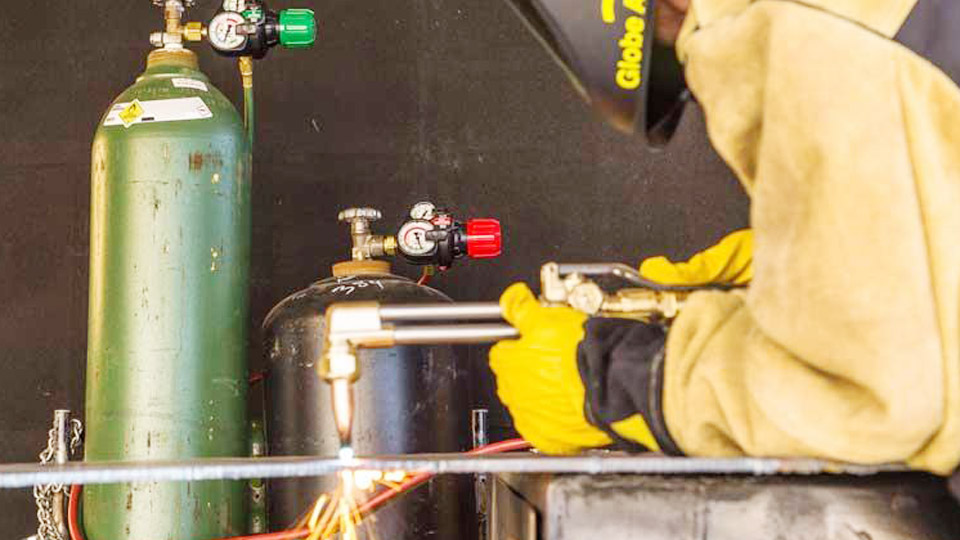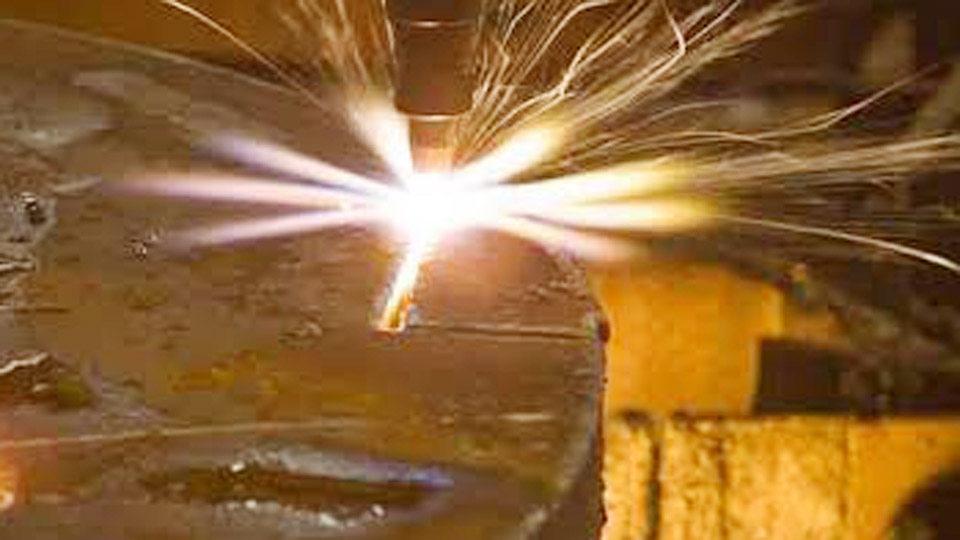
Many welders struggle with inconsistent flames, popping sounds, or unstable cuts when first attempting to light an oxy-acetylene torch. Incorrect gas pressures, improper purging sequences, or mismatched flame adjustments lead to poor penetration, excessive oxidation, or dangerous flashbacks.
Mastering how to start an acetylene torch delivers precise control over heat input, enabling clean welds, brazes, or cuts across mild steel, aluminum, and other metals. Proper startup ensures safety, efficiency, and repeatable results in any shop or field setting.
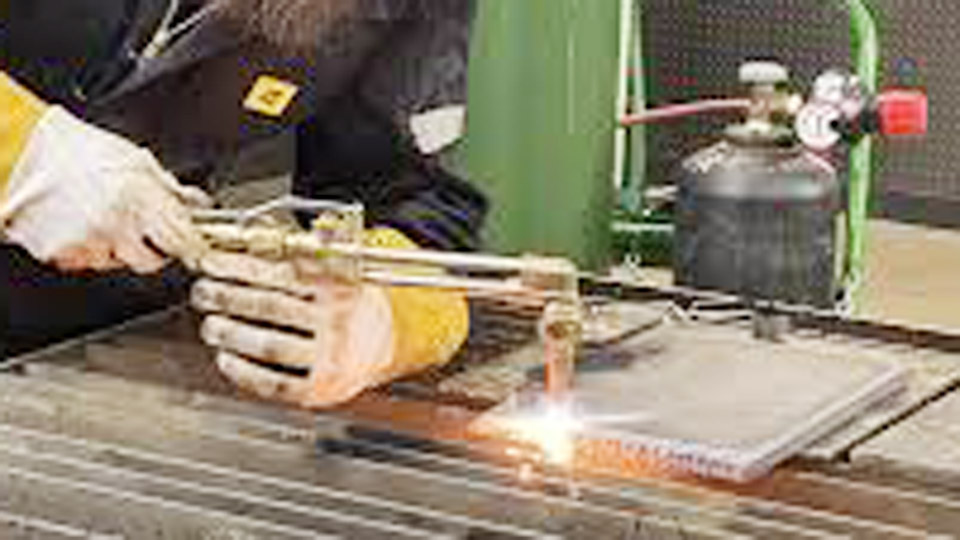
Image by canadianmetalworking
Torch Setup Before Ignition
Cylinder Placement and Initial Inspection
Position acetylene cylinders upright and secured to prevent tipping—never lay them horizontally, as this risks acetone release into the lines. Secure oxygen cylinders similarly. Inspect cylinder valves for damage, oil, or grease, especially on oxygen outlets where contaminants can ignite under pressure.
Crack the oxygen cylinder valve briefly to clear debris, but avoid cracking acetylene; wipe the outlet clean with a lint-free cloth instead.
Attach regulators using the correct threading—left-hand for acetylene (red), right-hand for oxygen (green). Install flashback arrestors and reverse-flow check valves between regulators and hoses. Connect hoses without twisting, ensuring firm seating at both ends.
Regulator and Hose Preparation
Back out both regulator adjusting screws fully before opening cylinder valves. This prevents sudden high-pressure surges. Open the oxygen cylinder valve slowly at first, then fully once pressurized. Open the acetylene valve no more than 3/4 to 1 full turn for quick emergency shutoff.
Purge each line separately by briefly opening the corresponding torch valve with the regulator set to low working pressure (typically 5-10 psi acetylene, 25-40 psi oxygen for cutting, adjusted per tip chart). This removes air and ensures pure gas delivery. Close torch valves after purging.
Selecting and Installing the Tip
Choose the tip size based on material thickness and process—smaller orifices for welding or brazing, multi-hole for cutting. Clean the tip with a reamer or tip cleaner to remove carbon or slag buildup, which disrupts gas flow and flame shape. Install the tip hand-tight, then snug with a wrench. Avoid overtightening, which damages seats.
Gas Pressure Settings and Flame Types
Determining Working Pressures
Set pressures according to manufacturer tip charts rather than generic rules. For general cutting on material under 1 inch, start with 5-10 psi acetylene and 25-40 psi oxygen. Welding or brazing often uses lower equal pressures around 5-7 psi for both gases. Higher acetylene pressures above 15 psi risk instability in the cylinder.
Fine-tune after lighting by observing flame behavior. Excessive acetylene produces a carburizing flame with a long feather; too much oxygen yields a harsh, oxidizing flame that hisses loudly and burns hot but promotes scale.
Neutral Flame Characteristics
The neutral flame provides balanced combustion for most applications. It features a sharp inner cone with a faint acetylene feather just disappearing and a well-defined outer envelope.
Inner cone length varies with tip size but should remain stable without wavering. This flame minimizes carbon pickup or oxidation while delivering maximum heat concentration.
Adjust by first establishing a carburizing flame, then slowly adding oxygen until the feather recedes exactly to the inner cone. Monitor for changes as the torch heats up—thermal expansion can slightly alter flow, requiring minor tweaks.
Specialized Flames for Different Tasks
Carburizing flames suit certain brazing or hardfacing where added carbon benefits the deposit. Oxidizing flames work for cutting thick sections or specific non-ferrous metals but require careful control to avoid burning the base material. Temperature profiles differ: neutral reaches approximately 5,800–6,300°F at the cone tip, ideal for steel.
Step-by-Step: Lighting the Torch
- Verify all regulator screws are backed out and torch valves closed.
- Set initial low pressures on regulators.
- Open the acetylene torch valve 1/4 to 1/2 turn.
- Ignite with a spark lighter held 6–8 inches away—never use matches or lighters. A small yellow flame should appear.
- Increase acetylene flow until the flame detaches slightly then reduce until it reconnects without soot.
- Slowly open the oxygen valve until the flame transitions to neutral with a defined blue cone.
Hold the torch pointed away from people and flammables throughout. For cutting torches, depress the cutting oxygen lever briefly during final adjustment to confirm stable preheat flames.
Adjusting and Troubleshooting During Operation
Real-Time Flame Corrections
As you work, watch the inner cone. Elongation or hissing indicates excess oxygen—reduce slightly. A bushy appearance or soot signals insufficient oxygen. Maintain consistent torch angle (typically 45–60° for cutting) and standoff distance (1/8–1/4 inch for preheat) to stabilize the reaction zone.
Preheat time varies with thickness: thin stock needs seconds, thicker plates require longer to reach cherry red before cutting oxygen engages. Move steadily once cutting to prevent undercut or slag adhesion.
Common Operational Challenges
Backfires or flashbacks often stem from tip contact with work, clogged orifices, or reversed pressures. Immediate response: close torch valves (acetylene first in some procedures), then cylinder valves if needed. Overheating tips from prolonged close contact or incorrect gas ratios accelerate wear—rotate tips or allow cooling periods.
Hose management prevents kinks that restrict flow and cause pressure fluctuations. Route hoses to avoid trip hazards and cylinder damage.
Shutdown and Post-Use Procedures
Immediate Torch Extinguishment
Close the acetylene torch valve first to eliminate the fuel source and prevent sooty flames, then close the oxygen valve. This sequence minimizes popping and carbon deposits. For extended shutdown, close cylinder valves, then bleed residual pressure by opening torch valves one at a time until gauges read zero. Back out regulator screws fully.
Long-Term Storage and Maintenance
Store cylinders upright with caps on. Inspect hoses weekly for cracks, burns, or soft spots—replace damaged sections. Clean tips after each session and store in a dry, organized kit. Periodically test for leaks with soapy water solution, never flame.
Track usage patterns: frequent small jobs may benefit from lower duty-cycle tips, while heavy cutting demands robust multi-hole designs with higher flow capacity.
Material-Specific Considerations
Cutting Mild Steel
Optimal settings balance preheat and cutting oxygen. For 1/2-inch plate, use a #3 or #4 tip at 30–40 psi oxygen and 5–8 psi acetylene. Travel speed should allow the kerf to follow the preheat without lag. Slower speeds on thicker material build excessive heat; faster speeds leave uncut bridges.
Edge preparation and surface cleanliness directly affect cut quality—remove mill scale or rust for straighter kerfs and reduced dross.
Welding and Brazing Applications
Lower pressures and neutral or slightly carburizing flames preserve base metal properties. Brazing filler flow improves with even heating from a soft flame envelope. Maintain torch movement in small circles or weaves to distribute heat without melting the parent metal.
Aluminum requires flux and careful heat management due to its high thermal conductivity and oxide layer—slightly reducing flames help break oxides without excessive oxidation.
Equipment Selection and Upgrades
Torch Types and Features
Injector-style torches handle lower acetylene pressures effectively for portability. Equal-pressure mixers offer better control for precise work. Cutting attachments versus dedicated cutting torches trade versatility for specialized performance in production settings.
Regulator and Safety Upgrades
Digital or high-flow regulators maintain steadier pressures under varying loads. Automatic flashback arrestors with thermal shutoff provide extra protection. High-quality leather hoses resist abrasion better in rough environments.
Advanced Techniques and Optimization
Experienced operators develop muscle memory for pressure adjustments based on sound and visual cues alone. Preheating patterns for complex shapes minimize distortion—balanced heating on both sides of a cut line helps. For gouging, wider tips and higher oxygen flows create controlled material removal channels.
Integrate torch work with other processes: use oxy-acetylene for preheating before arc welding thick sections to reduce cracking risk. Track gas consumption ratios to optimize costs—neutral flames typically yield the best efficiency.
Performance Takeaway
Consistent mastery of acetylene torch startup translates directly to cleaner cuts, stronger joints, and fewer interruptions. The key decision lies in matching pressures, tip selection, and flame chemistry precisely to the task—small adjustments here separate adequate work from professional results.
At the pro level, operators anticipate flame drift from tip heating and compensate proactively, achieving near-perfect kerfs and minimal post-cut cleanup even on demanding jobs.
FAQ
What is the correct order for opening cylinder valves when starting an acetylene torch?
Open oxygen fully first, then acetylene no more than 3/4 turn. This sequence prioritizes the oxidizing gas and limits fuel release for safety.
How do I know if my flame is properly adjusted for cutting?
A neutral flame shows a sharp blue inner cone with minimal feather. Preheat should bring metal to cherry red quickly without excessive sparking or soot before engaging cutting oxygen.
Why does my torch pop or backfire when lighting?
Common causes include clogged tips, incorrect pressures, or lighting with too much acetylene. Clean the tip, reduce initial fuel flow, and ensure proper purging.
Can I use the same pressures for welding and cutting?
No. Cutting requires higher oxygen pressures for the jet stream, while welding and brazing use lower, balanced settings. Always reference your specific tip chart.