Plasma cutting produces a concentrated, high-temperature arc that generates intense ultraviolet (UV), infrared (IR), and visible light, along with flying sparks and molten metal.
Many operators, especially hobbyists transitioning from oxy-fuel or light MIG work, underestimate the cumulative eye strain and long-term retinal damage risk from even brief unprotected exposure.
Selecting the right eye protection for a plasma cutter directly affects visibility of your cut line, comfort during extended sessions, and prevention of arc flash.
Proper protection balances sufficient shading to block harmful radiation with enough light transmission to maintain precise torch control. Incorrect choices lead to squinting, reduced accuracy, or chronic issues like welder’s flash.
I’ll discuss the amperage-specific recommendations, equipment comparisons, and decision factors tailored for DIY, student, and professional setups.
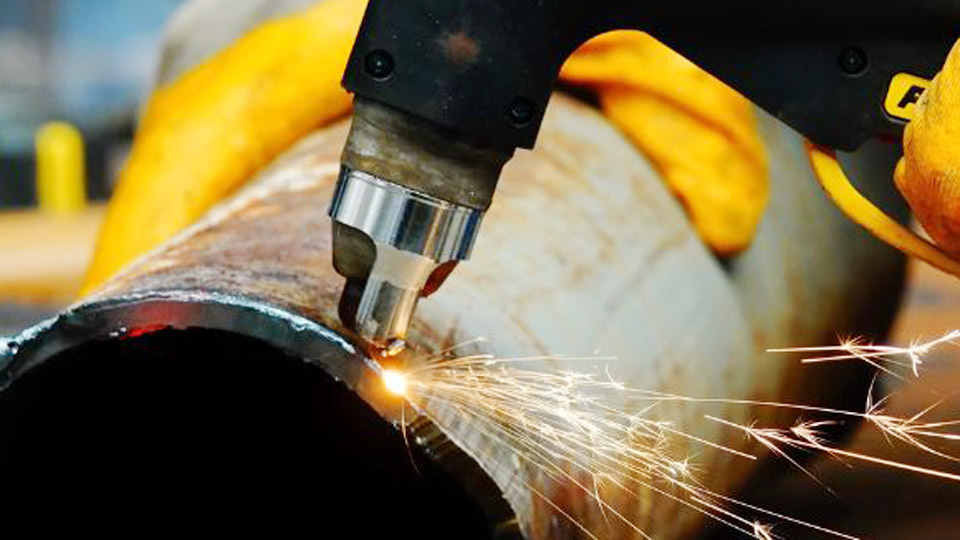
Image by plasmacuttingfactory
Understanding Plasma Arc Radiation Hazards
Plasma arcs operate at temperatures exceeding 20,000°C, emitting broadband radiation far more intense than many assume for a “cutting” process versus welding. UV exposure causes photokeratitis (arc eye), while IR contributes to thermal damage. Visible light intensity varies sharply with amperage, material thickness, and standoff distance.
Key Radiation Components in Plasma Cutting
- UV Radiation: Primary cause of eye and skin burns; penetrates standard clear lenses.
- IR Radiation: Generates heat that damages the lens and retina over time.
- Visible Light: Varies by current; lower amps (20-40A) appear less bright but still require filtering for prolonged work.
- Secondary Hazards: Sparks, dross ejection, and reflected glare from the workpiece.
National standards like ANSI Z49.1 and OSHA reference tables emphasize minimum protective shades that increase with amperage. Unlike shielded metal arc welding (SMAW), plasma cutting often allows the arc to be partially obscured by the workpiece, permitting slightly lighter shades in practice, but full compliance remains non-negotiable.
Amperage-Based Shade Selection Guidelines
Use these as starting points and adjust for personal sensitivity and visibility needs:
| Amperage Range | Minimum Shade (ANSI/OSHA) | Suggested Practical Shade | Common Applications |
|---|---|---|---|
| <20A | 4 | 4-5 | Thin sheet, precision hobby |
| 20-40A | 5 | 5-6 | General DIY, 1/4″ mild steel |
| 40-60A | 6 | 6-8 | Medium fabrication |
| 60-80A | 8 | 8-9 | Heavy manual cutting |
| 80-300A+ | 8-9 | 9-12 | Industrial, CNC tables |
Always start darker and lighten if the cut line becomes invisible. Many pros prefer auto-darkening helmets set to low shades for versatility.
Recommended Eye Protection Types for Plasma Cutting
Shade 5 Safety Glasses: The Everyday Standard
For most hobbyist and light professional plasma cutting (under 50A), ANSI Z87.1-rated shade 5 glasses with side shields provide adequate protection while preserving excellent visibility for following layout lines. These glasses typically feature polycarbonate lenses with IR/UV coatings and reflective outer layers to reduce glare.
Advantages include lightweight comfort for all-day wear, compatibility with prescription inserts, and minimal fogging compared to goggles. Pair them with a clear or lightly tinted face shield for spark and dross protection. Brands like Miller offer models optimized specifically for plasma and oxy-fuel with enhanced contrast.
Limitations appear during high-amperage or overhead work, where peripheral UV exposure increases. They do not protect the full face or neck from reflected radiation.
Full-Face Shields and Flip-Front Goggles
A shaded full-face shield (shade 5-8) mounted on a ratchet headgear offers superior coverage for manual cutting sessions exceeding 30 minutes. The shield blocks sparks that glasses miss and reduces facial “sunburn” from UV. Many feature a flip-up clear outer shield over a tinted inner one for quick inspection without full removal.
Flip-front welding goggles provide a middle ground, allowing quick lens swaps or flipping for non-arc tasks. These excel in tight spaces where helmets feel bulky.
Auto-Darkening Welding Helmets for Plasma Work
Modern auto-darkening (ADF) helmets with a minimum shade as low as 5 make excellent plasma solutions. Set the helmet to shade 5-7 and use the grind mode for setup. This setup protects the entire head and neck while allowing clear view when the arc is off.
Ensure the helmet’s switching speed (e.g., 1/25,000s) handles plasma’s rapid ignition. Cheaper fixed-shade helmets starting at shade 9 often prove too dark for lower-amp cutting.
For CNC plasma tables, where the operator stands back, lighter protection suffices, but manual torch guidance demands reliable, comfortable gear.
Factors Influencing Protection Choice Beyond Shade Number
Work Environment and Duration
Shop lighting, material reflectivity (e.g., aluminum vs. mild steel), and cutting duration dictate adjustments. Bright overhead lights wash out lighter shades, while low-light shops allow darker ones. Extended sessions amplify fatigue, favoring lightweight glasses or well-ventilated helmets over tight goggles.
Material and Cutting Technique
Stainless steel or aluminum produces more reflective glare, often requiring one shade darker. Keyholing or piercing generates brighter initial flashes than steady cutting. Maintain proper standoff (typically 1/16″-1/8″) to minimize arc exposure and dross.
Integration with Other PPE
Eye protection never operates in isolation. Pair it with:
- Flame-resistant clothing and gloves.
- Respirators for fumes (plasma produces ozone and hexavalent chromium on coated metals).
- Hearing protection for high-decibel arcs.
Clear safety glasses under a shaded shield or helmet provide backup impact protection.
Lens Technology and Standards Compliance
All plasma eye protection must meet ANSI Z87.1 for impact resistance and Z49.1 for optical radiation. Look for markings indicating full UV/IR blocking. Polycarbonate lenses dominate due to shatter resistance, but glass options offer superior optical clarity for precision work.
Anti-fog coatings and anti-scratch treatments extend usability in humid or dusty shops. Some premium lenses include blue-light filtering to reduce eye strain from the bright plasma spectrum.
Avoid non-rated “sunglasses” or improvised solutions; they fail to block invisible UV/IR adequately despite appearing dark.
Maintenance and Replacement Protocols
Inspect lenses daily for pitting, crazing, or scratches that compromise protection. Clean with approved solutions only—household cleaners can degrade coatings. Replace lenses showing any optical distortion or after significant exposure hours, as filtering efficiency degrades over time.
Store equipment away from direct sunlight and contaminants. Auto-darkening helmets require battery checks and sensor cleaning for reliable performance.
Advanced Considerations for Professional and CNC Users
High-amperage industrial plasma (200A+) or mechanized systems may demand dedicated cutting helmets with higher shade ranges and enhanced ventilation. CNC operators benefit from shaded face shields rather than full helmets for better monitor visibility.
Spectral analysis shows plasma arcs differ from TIG or MIG; some specialized filters optimize contrast for the specific plasma emission lines. Consult manufacturer charts for your exact machine model.
For students and apprentices, training should include side-by-side comparisons of shade performance on scrap material to build personal calibration.
Decision Framework for Purchasing Protection
- Identify your typical amperage range and primary materials.
- Prioritize ANSI Z87.1 + appropriate shade rating.
- Test visibility on actual cuts before committing to production work.
- Balance cost with coverage—glasses for occasional use, helmets/shields for daily operation.
- Consider multi-use versatility (plasma + grinding + light welding).
Real-World Performance Takeaway
Effective eye protection for plasma cutting comes down to matching radiation output to filter capacity while preserving operational visibility. A shade 5 setup works reliably for most 40A hobby work, but scaling amperage demands proportional protection upgrades. Pros often combine shade 5-6 glasses with an auto-darkening helmet for maximum flexibility and safety.
Plasma operators who master “arc discipline”—positioning the torch to keep the bright plasma column hidden behind the cut kerf—can use lighter effective shades safely, extending equipment life and reducing fatigue without compromising retinal health.
Consistent application of this technique, combined with rated gear, separates comfortable, precise cutters from those fighting glare and recovery time.
FAQ
What shade is best for 40 amp plasma cutting?
Shade 5 is the standard recommendation for 20-40A plasma cutting per ANSI guidelines. It blocks harmful radiation while allowing clear view of the cut line on most materials.
Can I use regular sunglasses for plasma cutting?
No. Standard sunglasses lack sufficient UV/IR blocking and impact resistance. Only ANSI Z87.1-rated shaded safety glasses designed for cutting provide adequate protection.
Is a welding helmet necessary for plasma cutting?
Not always for low-amperage work, but highly recommended for comfort and full-face/neck protection during longer sessions or higher amps. Auto-darkening models set low work particularly well.
How often should I replace plasma cutting lenses?
Replace when scratches, pitting, or discoloration appear, or after heavy use (hundreds of hours). Degraded lenses reduce protection even if they appear intact.