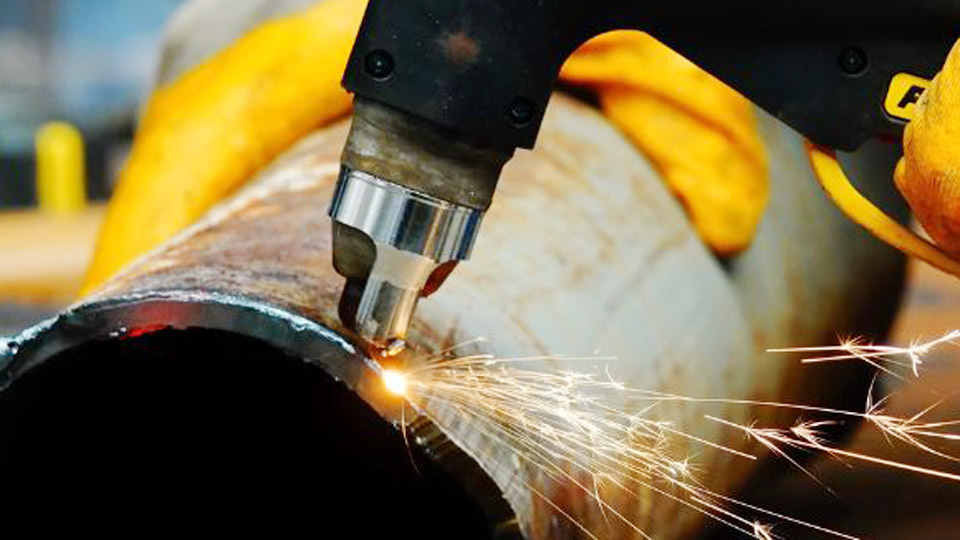
Using a cutting torch incorrectly can lead to rough edges, excessive slag, warped material, and wasted gas. Learning how to use a cutting torch to cut metal properly is essential for maintaining cut accuracy, reducing cleanup time, and preventing heat-related distortion in fabrication and repair work.
Torch cutting is commonly used on mild steel in construction, pipeline work, automotive repair, and heavy equipment maintenance, where cut quality directly affects fit-up and weld preparation.
The process requires more than simply heating the metal and pulling the trigger. Oxygen pressure, tip size, torch angle, travel speed, and preheat control all influence how efficiently the metal cuts and how clean the edge remains. Poor setup can cause incomplete cuts, excessive sparking, or damage to the torch tip itself.
I’ll explain the correct torch setup, ignition procedure, flame adjustment, and cutting technique needed to produce controlled, consistent cuts in real welding and metalworking conditions.
Image by weeklysafety
Torch Setup and Equipment Selection
Choosing the Right Cutting Tip Size and Style
Tip size directly determines preheat flame capacity and cutting oxygen jet diameter. Match the tip to material thickness for optimal kerf width, speed, and edge quality.
For hand cutting:
- 1/8″ to 1/4″ material: Size 000 or 00 tips
- 3/8″ to 1/2″: Size 0 or 1
- 3/4″ to 1″: Size 1 or 2
- 1-1/2″ to 2″: Size 2 or 3
Larger tips (size 4+) suit machine torches or very thick plate. Use two-piece tips for acetylene; three-hose torches allow independent preheat oxygen control for finer adjustments on thick material.
Clean tips matter. Use a tip cleaner sized exactly to the orifice—never larger—or risk distorting the cutting jet and creating ragged edges.
Regulator and Hose Pressure Settings
Set pressures at the regulator based on tip size and thickness. These are typical starting values for oxy-acetylene hand cutting (adjust per manufacturer chart and hose length):
| Metal Thickness | Tip Size | Cutting O2 (PSIG) | Preheat O2 (PSIG) | Acetylene (PSIG) | Approx. Speed (IPM) |
|---|---|---|---|---|---|
| 1/4″ | 00 | 20-25 | 3-5 | 3-5 | 27-30 |
| 1/2″ | 0 | 30-35 | 3-6 | 3-5 | 20-24 |
| 3/4″ | 1 | 30-35 | 4-7 | 3-5 | 17-21 |
| 1″ | 2 | 35-40 | 4-9 | 3-6 | 15-19 |
For thicker sections, increase cutting oxygen to maintain jet strength. Acetylene rarely exceeds 10-15 PSIG at the regulator. Longer hoses or larger tips may require slight increases. Test and fine-tune on scrap.
Cylinder Handling and Torch Assembly
Secure cylinders upright and chain them. Open oxygen fully; crack acetylene valve 1/4 turn maximum. Purge hoses individually before connecting the torch. Attach the cutting attachment to the handle, then install the tip. Check all connections with soapy water for leaks—never use oil or grease.
Achieving the Correct Flame
Lighting and Adjusting to Neutral Flame
Crack the acetylene valve on the torch and light with a striker. Adjust until the flame is stable with minimal smoke, then slowly open the preheat oxygen valve. Target a neutral flame: sharp inner cone with no feather (excess acetylene) or hissing (excess oxygen).
For cutting, a neutral or slightly oxidizing flame (small feather) works best for most steels. The inner cone length should roughly match or slightly exceed material thickness for adequate preheat without overheating thin sections.
Flame Troubleshooting
- Feathery flame: Too much acetylene—add preheat oxygen.
- Hissing/short cone: Too much oxygen—reduce slightly.
- Popping: Dirty tip, loose connection, or incorrect pressures. Extinguish, cool, and clean before relighting.
Maintain consistent flame throughout the cut. Re-adjust if cylinders cool and pressure drops.
Cutting Techniques for Different Applications
Straight Line and Edge Cuts
Position the torch perpendicular (90°) to the plate. Hold the tip 1/8″ to 3/16″ above the surface. Preheat a spot to bright cherry red (not white-hot). Depress the cutting oxygen lever smoothly and maintain steady travel speed.
Move at a pace where the slag ejects downward cleanly from the kerf bottom. Too fast: the cut fails to penetrate. Too slow: excessive dross and heat buildup. Listen for the characteristic “whoosh” and watch the cut line—smooth progression indicates correct speed.
For long straight cuts, use a guide rail or magnetic straight edge. Keep body position comfortable to avoid wavering.
Piercing Holes and Starting Interior Cuts
Piercing requires more skill. Angle the torch 45° initially or start at the edge when possible. Preheat to cherry red, then raise the torch slightly (1/4″-1/2″) and slowly depress the cutting lever to allow slag to blow away from the tip.
Once penetrated, lower to perpendicular and proceed. For thick material, use a larger tip or multiple preheat passes. Avoid piercing near edges unless necessary—heat distortion concentrates there.
Bevel Cutting for Weld Preparation
Set the torch head at the desired angle (typically 22.5° or 30° for common bevels). Maintain the cutting oxygen jet perpendicular to the bevel face by adjusting torch angle accordingly. Preheat thoroughly along the line.
Travel speed usually slows slightly compared to square cuts. Multiple passes may help on heavy plate for deeper, cleaner bevels. Consistent coupling distance (tip to plate) is critical—use a standoff guide if available.
Material Considerations and Limitations
Oxy-fuel cutting relies on oxidation, so it excels on carbon and low-alloy steels. It performs poorly or not at all on stainless steel, aluminum, copper, or high-nickel alloys due to lack of iron oxidation and high melting point oxides.
Clean the metal surface of rust, scale, paint, or oil. These contaminants cause porosity in the cut or prevent ignition. For painted or rusty stock common in repair work, grind a starting path or accept more post-cut cleanup.
Thickness range: Effective from thin sheet (with small tips and low pressure) up to 6-12″ with large tips and high flow. Beyond 2-3″, consider machine cutting or alternative processes for efficiency.
Advanced Techniques and Process Control
Travel Speed and Kerf Management
Kerf width increases with tip size and oxygen pressure. Account for it when laying out parts—typically 1/16″ to 1/8″ depending on settings. On critical dimensions, cut to the waste side and measure after cooling.
Practice maintaining constant speed. Variations create irregular edges or undercut. Experienced cutters develop rhythm by watching slag flow and listening to the torch.
Heat Management and Distortion Control
Thick sections retain heat; space cuts apart or use water cooling judiciously. For precision fabrication, tack parts to a grid or use temporary bracing. Cut symmetrical patterns or alternate sides to balance stresses.
Preheating large plates uniformly reduces cracking risk in higher-carbon steels.
Post-Cut Operations
Remove dross while hot with a chipping hammer or grinder. Oxy cuts often leave a thin oxide layer—grind or wire brush for welding prep. Check for hardness in the heat-affected zone (HAZ) on critical parts; it may require stress relief or machining.
When to Choose Cutting Torch Over Alternatives
Oxy-fuel torches remain superior for thick carbon steel (>2″), portability (no electricity needed), and versatility (same setup welds, brazes, or heats). They handle dirty or rusty field conditions better than plasma.
Plasma cutters win for thinner materials, stainless/aluminum, speed on sheet metal, and cleaner edges with less HAZ. Use the torch for demolition, heavy structural work, or where setup simplicity matters. Many shops keep both.
Real-World Decision Framework
Select tip and pressures first based on measured thickness. Test settings on scrap matching your material. Prioritize clean cuts over speed initially—adjust travel until dross falls freely. For production, document successful settings for each thickness and material condition.
Consistent, high-quality torch cuts come from disciplined preheat control, steady motion, and matching equipment to job demands. Pros achieve near-machined edges on heavy plate by treating the cutting jet like a precise tool rather than a crude burner.
Mastering these parameters lets you tackle repairs, fabrication, and demolition with confidence and minimal secondary processing.
FAQ
What is the correct distance to hold a cutting torch from the metal?
Maintain 1/8″ to 3/16″ coupling distance for most hand cutting. Too close risks tip clogging with slag; too far reduces preheat efficiency and jet focus. Use a roller guide for consistency on production cuts.
Can you use a cutting torch on stainless steel?
Oxy-fuel torches do not cut stainless steel effectively. The chromium oxide layer prevents proper oxidation. Use plasma, abrasive saw, or waterjet instead.
How do I reduce dross when cutting with a torch?
Use correct tip size and pressures, maintain steady travel speed, ensure neutral/slightly oxidizing flame, and keep the plate surface clean. Cut at the speed where slag ejects cleanly downward.
What causes the torch to pop or go out during cutting?
Common causes include dirty or oversized tip orifices, loose connections, incorrect pressures (especially low acetylene), or overheating the tip. Extinguish safely, clean/replace the tip, purge lines, and relight with proper sequence.