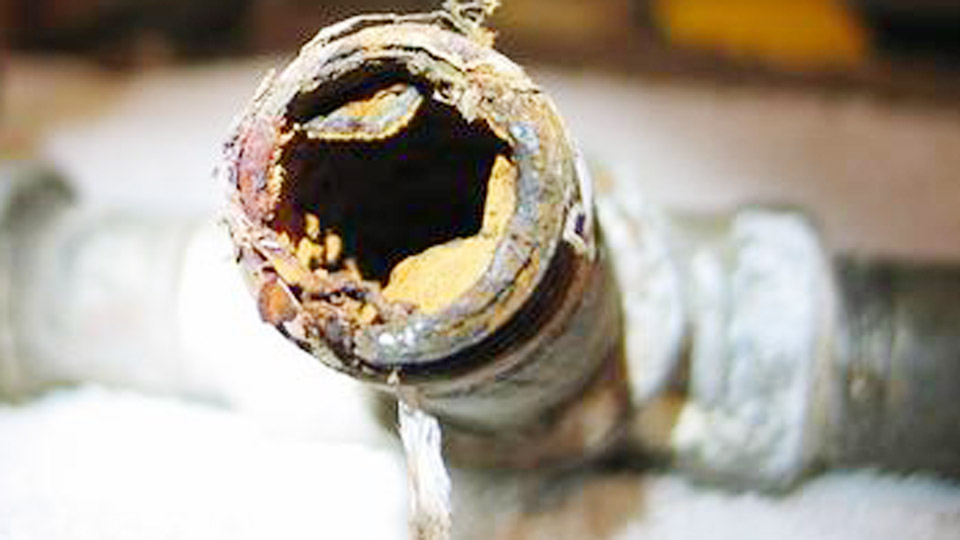
Welders and fabricators often face the challenge of achieving a professional black finish on steel parts while avoiding distortion, temper loss, or the hazards and equipment demands of hot black oxide processes.
Whether protecting machined fixtures, custom tools, knife blades, or structural welds from rust without compromising tolerances, how to blacken steel without heat becomes essential knowledge.
Cold blackening methods deliver a dark, low-reflectivity appearance through chemical conversion or deposition at room temperature. These techniques preserve material properties, suit small-batch or one-off projects, and require minimal specialized gear.
They matter for maintaining precise dimensions on threaded parts, gears, or hardened components while providing a functional base for oiling or sealing against corrosion. I’ll discuss the practical, decision-focused details for DIY welders, hobbyists, and professionals seeking reliable results.
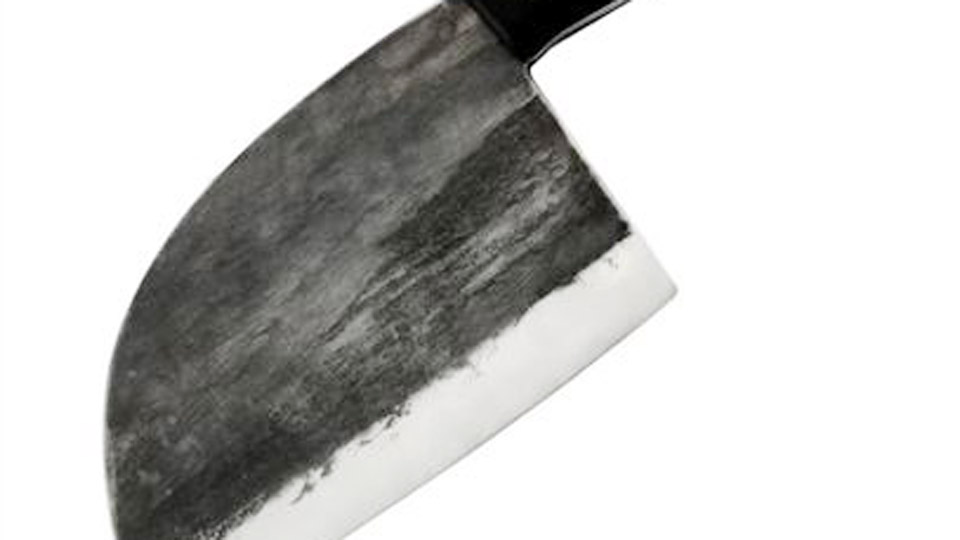
Image by reddit
Surface Preparation: The Foundation of Uniform Blackening
Proper preparation determines success more than the blackening chemistry itself. Contaminants like oils, mill scale, rust, or fingerprints prevent even reaction and cause patchy or smutty finishes.
Degreasing Techniques for Welding and Fabrication Shops
Start with mechanical cleaning. Use acetone, mineral spirits, or a strong alkaline degreaser on parts fresh from the welder or grinder. For heavily contaminated surfaces, ultrasonic cleaners or vapor degreasing yield superior results, but a thorough wipe-down with solvent-soaked rags followed by hot soapy water works for most shop projects.
Avoid relying solely on solvents for porous welds or heat-affected zones (HAZ). These areas trap residues. Follow with a light abrasive scrub using 220-400 grit media or fine steel wool, then rinse thoroughly with distilled water to eliminate mineral deposits that interfere with chemistry.
Etching and Activation for Better Adhesion
Many cold processes benefit from a mild acid etch to activate the surface. A dilute phosphoric acid solution (common in rust converters) removes light scale and creates micro-texture for better chemical bonding. Immerse or wipe for 1-5 minutes, monitoring for uniform fizzing, then rinse immediately.
For high-carbon or alloy steels, test a small area. Over-etching creates a rough, smut-prone surface. pH-neutral or proprietary activators in commercial kits often balance this step effectively.
Drying and Handling Protocols
Dry parts completely in a dust-free area using compressed air or lint-free cloths. Handle with clean gloves afterward—skin oils ruin the next step. In humid shops, use a heat gun on low or a drying oven below 150°F (65°C) to drive off moisture without altering metallurgy.
Cold Chemical Blackening Methods
These room-temperature solutions deposit or convert the surface without external heat.
Commercial Cold Bluing and Black Oxide Solutions
Products like Birchwood Casey Perma Blue, Super Blue, Dicropan T-4, or Oxpho-Blue represent the most accessible options. These selenium- or copper-based solutions create a dark layer via chemical reaction.
Apply by swab, brush, or immersion. Multiple thin coats, with intermediate rinsing and light carding (using 0000 steel wool), build depth and uniformity. Perma Blue paste often delivers denser results than liquids for touch-ups or larger areas.
Results range from deep blue-black to near-black, depending on steel alloy, polish level, and layers applied. Highly polished surfaces take better than rough ones.
Liquid Black Oxide Concentrates and Kits
Dedicated cold black oxide solutions (often proprietary copper-selenium compounds) suit larger parts or batch work. Follow kit instructions for dilution and sequence: cleaner → rinse → activator → blackener → rinse → sealant. These produce faster, more consistent coverage than basic gun bluing on mild steel.
Expect some rub-off (smut) initially; this is normal. Carding and sealing minimize it. Durability improves significantly with a good topcoat.
DIY and Alternative Chemical Approaches
Household acids like vinegar or citric acid create dark patinas through controlled rusting and conversion, though results vary more than commercial products.
Phosphoric acid-based solutions offer another low-cost route but typically yield grayer tones unless followed by additional steps. These suit non-critical aesthetic projects where exact blackness is secondary to rust inhibition.
Test alloys carefully—stainless or high-chrome steels respond poorly or require specialized formulas.
Mechanical and Oil-Based Blackening Techniques
For welders avoiding chemicals entirely, these methods leverage oxidation or carbon deposition.
Controlled Rusting and Conversion (Rust Bluing Variant)
Expose clean steel to humidity or mild oxidizers to form a controlled rust layer, then convert it to stable black oxide. This demands patience and repeatability but produces attractive, somewhat durable finishes on certain steels. Card off loose rust between cycles and neutralize before sealing.
Hot Oil Quench Without Full Heat Treat Temperatures
While the steel reaches elevated temperatures briefly, the blackening itself occurs via oil interaction at lower overall risk than full hot black oxide baths. Heat to 400-600°F (204-316°C) in a controlled oven or with a torch, then quench in used motor oil, canola, or linseed oil blends.
This deposits carbon and creates a dark, somewhat protective layer. It introduces some heat but far less than traditional blackening and suits many workshop scenarios.
Beeswax, Linseed Oil, and Wax Blends
Apply molten beeswax-linseed oil-turpentine mixes to warm (not red-hot) steel for a blackened, sealed appearance. The wax darkens as it burns/polymerizes into the surface pores. This provides excellent water resistance and a traditional look, ideal for decorative or outdoor-welded items when reapplied periodically.
Comparison of Cold Blackening Methods
Different approaches suit different needs in a welding or fabrication context:
Best for Precision Parts (Fixtures, Tools): Commercial cold black oxide or high-quality bluing solutions—minimal dimensional change, good lubricity when oiled.
Best for Large or Welded Assemblies: Brush-on or swab methods with Perma Blue-type products, or wax/oil finishes.
Best for Corrosion-Prone Environments: Any method followed by heavy oiling, wax, or lacquer. None match powder coating or plating for long-term exposure.
Durability Ranking (with proper sealing): Hot processes > Quality cold chemical > Oil/wax > Acid patinas. Cold methods generally offer less abrasion resistance but excel in shop-maintained items.
Key Decision Factors
Alloy type (mild steel responds best), surface finish (polished = darker/even), part size, required durability, and available ventilation/PPE. Cold methods avoid hydrogen embrittlement risks associated with some plating.
Post-Blackening Sealing and Maintenance
The black layer alone provides limited corrosion protection. Sealing is non-negotiable.
Apply light machine oil, Break-Free, or specialized rust inhibitors immediately after rinsing and drying. For enhanced protection, use wax blends or clear lacquers. Reapply oil regularly on tools and fixtures. In storage, use vapor corrosion inhibitors (VCIs).
Monitor for wear on high-contact areas and touch up as needed—cold methods shine here due to ease of reapplication.
Equipment and Safety Considerations for Shop Use
Work in well-ventilated areas. Wear chemical-resistant gloves, eye protection, and aprons. Dispose of solutions per local regulations—many contain selenium or acids. Neutralize acids before disposal.
Basic setup: Multiple plastic or stainless containers, rinsing station, drying area, and PPE. No fume extraction needed like hot processes, making it practical for smaller shops.
Advanced Techniques and Variations
Layering for Depth: Alternate bluing with light polishing or multiple short immersions.
Selective Blackening: Mask areas with tape or resist for contrasting finishes on welded assemblies.
Compatibility with Stainless and Alloys: Specialized formulas exist but expect different tones and adhesion testing.
Integration with Welding Workflow: Blacken after all welding and machining to avoid damaging the finish in the HAZ.
Real-World Performance and Limitations
In practice, cold-blackened steel performs well on indoor tools, display items, and lightly used components. It reduces glare, hides minor surface imperfections, and holds oil effectively for lubricity.
Expect maintenance—it’s not a set-it-and-forget-it finish like powder coating. On outdoor welded structures, combine with robust topcoats or accept periodic re-oiling.
Choose based on priorities: aesthetics and ease favor cold chemical; maximum protection favors other finishes or frequent care.
Master surface prep and sealing, then experiment with alloy-specific responses and hybrid approaches (e.g., cold chemical base + oil/wax topcoat).
This combination often outperforms single-method results in shop durability and appearance, giving fabricators control over finish quality without outsourcing or investing in hot-tank infrastructure.
FAQ
Does cold blackening affect the strength or dimensions of steel parts?
No significant impact. The process affects only a microscopic surface layer, preserving tolerances critical for threads, fits, and hardened components.
How long does a cold-blackened finish last?
With regular oiling, it lasts years in controlled environments. Abrasion or moisture exposure shortens life; touch-ups are straightforward compared to other finishes.
Can I blacken stainless steel or welded areas without heat?
Yes, but results vary. Use stainless-specific solutions and thorough HAZ cleaning. Test first, as chromium content reduces reactivity.
What is the best sealant after blackening?
Light oils for lubricity and tools; wax blends for water resistance on decorative or outdoor pieces. Reapply based on use.