Welding is more than just joining metals—it’s about precision, control, and safety. If you’ve ever watched a skilled welder, you might have noticed a large, flat, sturdy platform under their work. This is the welding table, and it’s more important than many beginners realize.
But how does a welding table work, and why is it so essential to the process? Whether you’re setting up a home workshop, considering welding as a profession, or just curious, understanding the role of a welding table can make your projects safer, more accurate, and much easier to manage.
A welding table is not just a simple table. It’s a carefully designed tool that supports, grounds, and stabilizes your work, allowing you to create strong, clean welds. Many people new to welding underestimate the impact of the table on their results.
The right table can turn a challenging job into a smooth task, while the wrong surface can lead to frustration and poor-quality work. In this article, you’ll learn exactly how a welding table works, what features matter, and how to use one to your advantage.
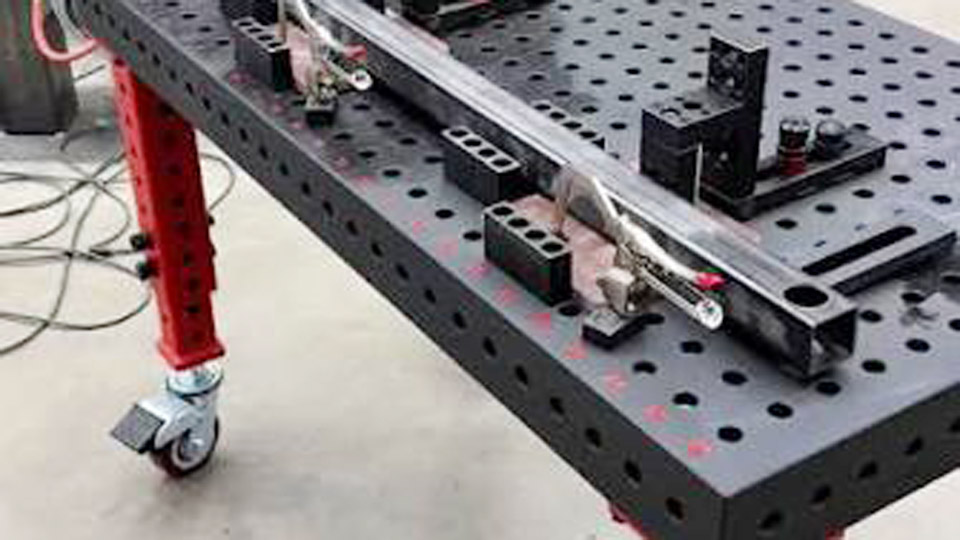
Image by fireballtool
What Is A Welding Table?
A welding table is a flat, sturdy surface specifically made to handle the heat, sparks, and heavy materials involved in welding. Unlike a regular workbench, a welding table is usually made from thick steel and often has holes, slots, or clamps for securing workpieces. It’s designed to withstand high temperatures and the demands of welding equipment.
The main purpose of a welding table is to provide a safe, stable, and electrically conductive platform. This helps you hold your metal pieces in the right position and connect your welding machine’s ground clamp for a reliable electrical circuit. Without a proper welding table, you might struggle with shaky joints, poor welds, and even dangerous accidents.
Key Features Of Welding Tables
Welding tables may look simple at first glance, but their design includes several features that make them special:
- Material: Most welding tables are made from thick mild steel or sometimes cast iron. This material resists melting and warping from welding heat.
- Flatness: A good table is extremely flat, often within a fraction of a millimeter. This helps you keep your workpieces perfectly aligned.
- Holes and Slots: Many modern tables have a grid of holes or slots for clamping and fixturing. These let you secure your metal parts at different angles and positions.
- Grounding Points: The table itself acts as a ground for your welder. This ensures a solid electrical path, which is critical for safe and consistent welding.
- Sturdiness: Because welding often involves heavy metal, the table must support hundreds of pounds without shaking or bending.
- Heat Resistance: The surface can handle sparks, hot metal, and slag without damage.
Some tables also come with extra features like adjustable legs, built-in rulers, or accessories for holding tools.
The Role Of A Welding Table In The Welding Process
When you weld, you need three main things: a stable surface, a way to hold your parts, and a safe electrical circuit. The welding table provides all three. Here’s how it fits into a typical welding job:
Workpiece Support: The table holds your metal parts steady. This prevents movement during welding, reducing mistakes.
Alignment: The flat surface helps you keep pieces at the right angle, which is especially important for strong, straight welds.
Clamping: By using the table’s holes and slots, you can attach clamps or jigs. This lets you work hands-free and keeps parts from shifting.
Grounding: Your welder’s ground clamp attaches to the table. This completes the electrical circuit needed for arc welding. Because the table is metal, it conducts electricity well.
Safety: The table keeps hot metal away from flammable materials and provides a controlled space for sparks and slag.
Without a welding table, you might try to weld on concrete, wood, or the floor. This is not safe or effective. Wood can catch fire, and concrete can crack from heat. A real welding table avoids these problems.
Different Types Of Welding Tables
Not all welding tables are the same. The best choice depends on your space, budget, and what kind of welding you do. Here are the main types:
| Type | Main Features | Best For |
|---|---|---|
| Basic Steel Table | Flat steel top, fixed legs, simple design | Hobbyists, small shops |
| Modular Table | Grid of holes, slots, and accessory mounts | Precision work, frequent setups |
| Portable Table | Foldable legs, lighter material, smaller size | Mobile welders, small spaces |
| Heavy-Duty Table | Very thick top, reinforced frame, may have casters | Industrial welding, large projects |
| Fixture Table | Pre-installed jigs or fixtures for repeat work | Production runs, repetitive welding |
Real-world Examples
- A hobbyist in a garage might use a small, portable table with a 1/4-inch steel top.
- A professional shop often has a modular table with a 2-inch thick surface and a grid of 16mm holes every 2 inches.
- Factories might use huge fixture tables with built-in clamps for assembling car frames.
Choosing the right table type can affect not just your results, but also your productivity and safety.
How A Welding Table Supports The Welding Circuit
One key job of the welding table is to act as part of the electrical circuit. In most welding processes, you need an electrical path between the welder and your metal parts. Here’s how the table fits in:
- You place your workpiece on the table.
- Attach the welder’s ground clamp to the table. The clamp must have solid contact with bare metal.
- When you start welding, electricity flows from the welding torch, through the workpiece, into the table, and back to the welder through the ground clamp.
This setup ensures a stable arc and consistent weld quality. If your table is dirty, rusty, or painted, it can interrupt the electrical flow, leading to weak or “spattery” welds.
Non-obvious insight: Many beginners forget to clean their table surface. Even a thin layer of rust or paint can stop the ground from working well. Always keep the table clean and free of coatings where you attach the clamp.
Workholding: Clamps, Jigs, And Fixtures
A welding table is not just a place to put metal—it’s a tool for holding your work precisely. The most advanced tables include systems for workholding, which means keeping parts exactly where you want them.
Clamps
Common clamps used with welding tables:
- C-clamps: Simple, strong, attach anywhere.
- F-clamps: Long reach, good for wide pieces.
- Toggle clamps: Quick to use, hold small parts tightly.
- Magnetic clamps: Hold pieces at set angles (like 90° or 45°).
Jigs And Fixtures
- Jigs are custom setups that hold parts in a certain position for repetitive tasks.
- Fixtures are permanent or semi-permanent parts of the table, like stops or guides.
Many modular tables have a grid of holes for quick attachment of clamps and stops. This allows for creative setups and fast changes between projects.
Non-obvious insight: For complex or repetitive welds, investing time in building a custom jig can save hours in the long run and improve accuracy. Many professionals keep a library of jigs for common jobs.
Table Design And Material: Why They Matter
The material and design of your welding table affect everything from safety to weld quality.
Table Top Thickness
The thicker the table, the less likely it is to warp from heat. Common sizes:
- Light use: 1/4 inch (6 mm)
- Standard shop: 1/2 inch (12 mm)
- Heavy industry: 1 inch (25 mm) or more
Thicker tables last longer and stay flatter, but are more expensive and heavier.
Table Material
Most tables use mild steel. Some use cast iron for better flatness and less warping. Aluminum is rare because it melts at lower temperatures and is a poor electrical ground.
Surface Finish
Some tables are bare steel, which conducts well but rusts easily. Others have a special coating to resist rust but must still allow a good electrical connection. Painted or coated tables are not suitable for welding unless the coating is removed at the clamp point.
Using A Welding Table: Step-by-step
If you’re new to welding, here’s how you use a welding table in practice:
- Prepare the Table: Make sure the surface is clean and free of oil, rust, or paint. Remove any flammable materials from the area.
- Arrange Your Workpieces: Place the metal parts on the table. Use the flat surface to align them.
- Clamp the Parts: Use clamps, stops, or magnets to hold the pieces securely. Make sure nothing can shift during welding.
- Attach Ground Clamp: Connect your welder’s ground to the table or directly to the workpiece. Check for solid metal-to-metal contact.
- Set Up Equipment: Prepare your welder, set the correct current and voltage, and put on safety gear.
- Weld: Perform your welds, using the table to support your hands and tools as needed.
- Cool Down: Allow hot parts to cool before removing clamps or touching the metal.
- Clean Up: Remove slag, spatter, and debris from the table after each session.
Tip: Never weld directly on a painted or oily table. The fumes can be toxic, and the surface may not conduct electricity well.
Modular Welding Tables Vs. Fixed Tables
Modern welding often uses modular tables with a grid of holes and slots, while traditional shops may have a simple flat table. Here’s a quick comparison:
| Feature | Modular Table | Fixed Table |
|---|---|---|
| Setup Time | Very fast, flexible | Slower, may require custom jigs |
| Accuracy | High, repeatable setups | Depends on user skill |
| Cost | More expensive | Less expensive |
| Customizability | Highly customizable | Limited |
| Durability | Usually very durable | Varies by build |
If you often change projects or need to weld at precise angles, a modular table can save time and improve results. For occasional or simple jobs, a basic table may be enough.
Common Mistakes When Using A Welding Table
Even with the right equipment, mistakes can happen. Here are some common errors and how to avoid them:
- Ignoring Table Maintenance: Rust, slag, and metal bits can build up, reducing conductivity and causing uneven welds. Clean your table regularly.
- Improper Grounding: If the ground clamp is not secure, your arc can become unstable. Always check the connection before starting.
- Using the Wrong Clamps: Weak or poorly placed clamps allow parts to move, ruining alignment.
- Welding on Flammable Surfaces: Never use a wooden or plastic table for welding—fire risk is high.
- Overloading the Table: Placing too much weight can warp or break a table not designed for heavy loads.
- Not Planning the Setup: Rushing to start without aligning and securing parts leads to mistakes.
Pro tip: Take a few minutes to plan your setup and check all connections. This saves time and materials in the long run.
Safety Tips For Welding Table Use
Welding is inherently risky, so using your table safely is crucial:
- Wear proper PPE: Always use a welding helmet, gloves, and protective clothing.
- Ventilation: Welding creates fumes. Work in a well-ventilated area or use an exhaust hood.
- Fire safety: Keep a fire extinguisher nearby. Clean up flammable materials before starting.
- Check for damage: Inspect the table for cracks, warps, or loose parts regularly.
- Never touch hot metal: Even after welding, parts can stay hot for several minutes.
- Ground fault protection: Use a welder with built-in safety features to prevent electrical shocks.
When To Upgrade Your Welding Table
Many welders start with a simple homemade table, but as skills and projects grow, upgrading makes sense. Signs you might need a better table:
- You struggle to hold parts at the right angle.
- Your table warps or has become uneven.
- You need faster setups for different projects.
- Projects are getting heavier or larger.
- You want to add accessories (like vises, tool holders, or jigs).
Investing in a quality welding table can make your work easier, faster, and more enjoyable.
Accessories And Add-ons For Welding Tables
A basic table works well, but many welders add accessories to improve their setup:
- Clamps and stops: For holding workpieces.
- Magnetic squares: For fast, accurate angles.
- Turntables or rotating platforms: For circular welding.
- Tool trays or holders: Keep tools within easy reach.
- Measuring tapes or rulers: Built into the table for quick measurements.
- Vices: For holding round or odd-shaped pieces.
Some welders even add wheels to make their table mobile, or shelves below for extra storage.
Diy Vs. Commercial Welding Tables
Building your own table can save money and let you customize features. However, commercial tables offer:
- Precision flatness
- Pre-drilled grids
- Tested strength and safety
If you’re handy with tools, a DIY table is a great project, but make sure to use thick, clean steel and sturdy construction.
Cost Of Welding Tables
Prices range widely. Here’s a rough guide:
- Small, basic table: $100–$300
- Mid-sized modular table: $500–$1,500
- Large industrial table: $2,000 and up
Custom features and accessories add to the price. For many hobbyists, a used table or a basic new one is enough to start.
Welding Table Maintenance
To keep your table in top shape:
- Clean regularly with a wire brush or grinder.
- Oil the surface lightly to prevent rust, but wipe before use to avoid fumes.
- Check welds and bolts for strength.
- Level the table occasionally, especially if it’s moved.
Well-maintained tables last for decades.
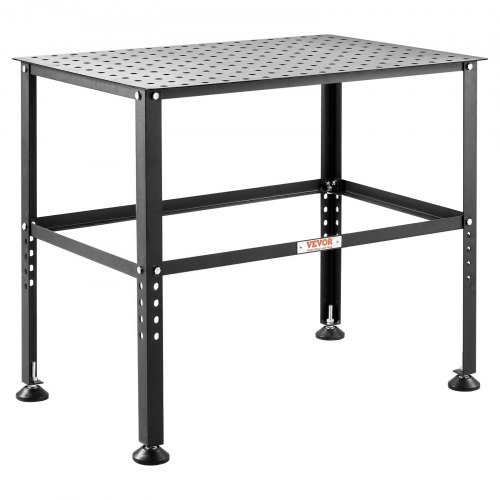
Credit: www.vevor.com
Professional Insights: Why A Welding Table Makes A Difference
Professional welders agree: a good table is a game-changer. It’s not just about having a flat surface—it’s about confidence. When you trust your setup, you can focus on technique. Many experts keep two tables: a small one for quick jobs and a larger modular table for complex projects.
Experience-based insight: Even after years in the field, many welders find their best improvements come from better fixturing and workholding. Sometimes, upgrading your table gives you better welds than buying a new welder.
Final Thoughts
A welding table is more than just a work surface—it’s an essential tool for anyone serious about welding. By understanding how it works and choosing the right table for your needs, you’ll get safer, cleaner, and more professional results every time.
Frequently Asked Questions
What Size Welding Table Do I Need?
The right size depends on your projects. For small hobby work, a 2×3 foot table is enough. For larger jobs or frequent use, consider at least 4×6 feet. Make sure you have room to walk around the table and access your work from all sides.
Can I Use A Regular Table For Welding?
No. Regular tables, especially wood or plastic, are not safe for welding. They can catch fire, melt, or crack from heat. Use only a table made from thick steel or cast iron designed for welding.
How Do I Keep My Welding Table From Rusting?
Clean the table after use and apply a light coat of oil. Store the table in a dry place. For long-term storage, use rust inhibitors or a cover. Always wipe off oil before welding to avoid fumes.
Why Do Welding Tables Have Holes?
Holes allow you to use clamps, stops, and jigs in many positions. This makes it easier to hold workpieces at different angles and speeds up project setup. The holes also help with measuring and repeating setups.
Is Grounding To The Table Always Necessary?
No, but it’s often more convenient. You can ground directly to the workpiece, but grounding to the table lets you move parts around without moving the clamp. Just make sure there’s a good metal-to-metal connection.