Many welders hit a wall when selecting the right electrode diameter and amperage for a project. A 1/8″ rod might burn through thin sheet or fail to penetrate thicker plate, while wrong settings produce porous beads, excessive spatter, or weak joints.
The 6013 welding rod size chart resolves this by matching diameters to material thickness, positions, and precise amperage ranges—delivering reliable results across DIY repairs, fabrication, and training.
This rutile-coated mild steel electrode (AWS E6013) offers smooth arc characteristics, easy slag removal, and all-position capability with 60,000 psi tensile strength. Understanding its size-specific performance prevents trial-and-error waste and ensures consistent, code-worthy welds.
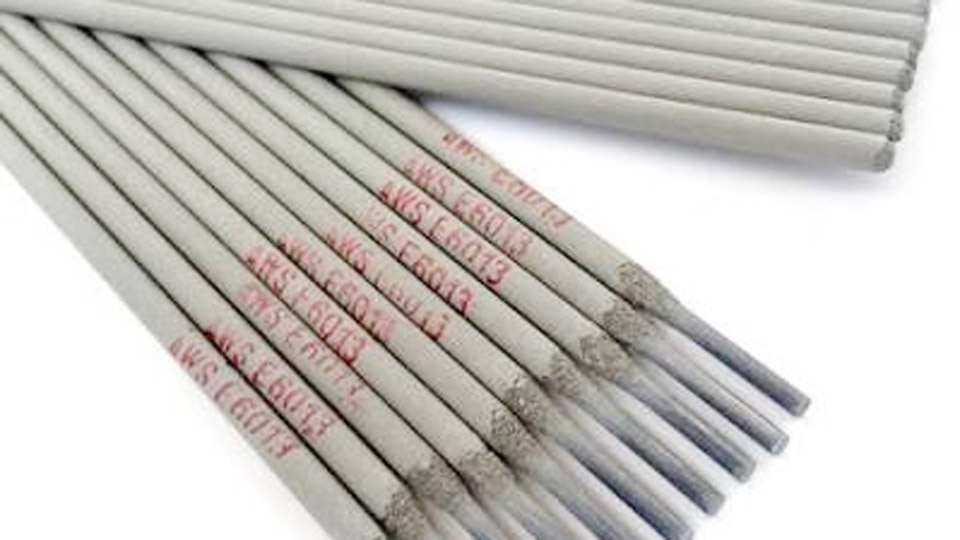
Image by common-nails
Decoding the 6013 Welding Rod Size Chart
Standard Diameters and Corresponding Amperage Ranges
The 6013 comes in common diameters tailored to specific jobs. Use these ranges as starting points and adjust ±10-15% based on joint fit-up, position, and machine output.
| Electrode Diameter | Typical Amperage Range | Recommended Material Thickness | Common Applications |
|---|---|---|---|
| 1/16″ (1.6 mm) | 40-70 A | Up to 1/8″ (3 mm) | Thin sheet metal, auto body, precision repairs |
| 3/32″ (2.4-2.5 mm) | 70-110 A | 1/8″ – 1/4″ (3-6 mm) | Light fabrication, gates, brackets |
| 1/8″ (3.2 mm) | 100-150 A (often 110-140 A optimal) | 1/4″ – 3/8″ (6-10 mm) | General structural, farm repairs |
| 5/32″ (4.0 mm) | 130-180 A | 3/8″+ (10 mm+) | Heavier plate, multi-pass work |
Lower amperage suits vertical or overhead to control the puddle; higher settings work for flat positions on thicker material. Test on scrap—6013 runs forgivingly but overheats quickly on thin stock.
Matching Rod Size to Base Metal Thickness
Rod diameter should approximate or stay slightly under the thinnest material section for single-pass work. For 1/16″ sheet, a 1/16″ or 3/32″ rod at 50-70 A prevents burn-through while maintaining fusion. On 1/4″ plate, step to 1/8″ at 110-130 A for adequate penetration without excessive heat input.
Multi-pass techniques on thicker sections use the same diameter across layers, with stringer beads or slight weaves. The chart guides initial selection; travel speed and arc length fine-tune deposition.
Electrode Classification and Performance Characteristics
AWS E6013 Breakdown
- E: Electrode for SMAW (stick).
- 60: Minimum 60,000 psi tensile strength.
- 1: All positions (flat, horizontal, vertical, overhead).
- 3: Rutile (high titania potassium) coating for smooth arc, AC/DC compatibility, and easy slag detachment.
Typical deposit chemistry includes low carbon (~0.08%), moderate manganese and silicon for deoxidation, yielding good ductility for general-purpose mild steel welding.
Mechanical Properties and Limitations
As-welded deposits deliver reliable toughness for non-critical loads. Yield strength supports most hobbyist and light industrial needs, but 6013 lacks the low-hydrogen properties of 7018, making it less ideal for high-stress or crack-sensitive applications like pressure vessels. It excels where appearance and ease matter more than maximum strength.
Polarity and Power Source Considerations
Optimal Polarity Choices
6013 operates on AC or DC. DCEP (DC electrode positive/reverse polarity) provides deeper penetration and is preferred for most structural work. DCEN (straight polarity) increases deposition rate with shallower penetration—useful on thin material. AC delivers stable arcs on older transformer machines with lower open-circuit voltage.
Machine type influences choice: inverters allow precise control; buzz boxes favor AC or DCEP. Set polarity per manufacturer markings on the rod package.
Voltage and Machine Compatibility
Most 6013 runs well at 20-28V open circuit. Lower amperage settings pair with shorter arc lengths (1/16″-1/8″) for control. Modern inverters maintain stability better than older units, especially at the low end of ranges for 1/16″ rods.
Position-Specific Techniques and Adjustments
Flat and Horizontal Welding
Drag technique (electrode tilted 5-15° toward travel direction) works best. Maintain a short arc and steady travel speed to produce flat-to-slightly-convex beads with fine ripples. The rutile coating supports higher speeds with minimal spatter.
For fillets, a 45° work angle balances leg sizes. Use the size chart to avoid undercutting on edges.
Vertical and Overhead Welding
Reduce amperage 10-20% from flat settings (e.g., 90-120 A for 1/8″ rod). Uphill progression with a slight push angle controls the puddle. Short pauses at weave edges prevent slag inclusions without whipping, which can trap porosity in 6013.
Overhead demands the shortest arc and faster travel to fight gravity. 3/32″ rods offer better control than larger diameters here.
Comparative Analysis: 6013 vs. Other Common Rods
6013 vs 6011
Both all-position rods with similar tensile strength, but 6011 (cellulose) delivers deeper penetration and works on dirty/rusty metal. 6013 provides smoother beads, less spatter, and easier slag removal—better for visible or finish work. 6011 suits root passes; 6013 excels on caps.
6013 vs 7018
7018 offers higher strength (70,000 psi), low-hydrogen deposits, and superior toughness but requires dry storage and produces more slag. 6013 runs easier on AC machines and thin material without strict storage needs. Choose 6013 for general fabrication and training; 7018 for critical structural welds.
6013 vs 6010
6010 provides aggressive digging action for deep penetration on thick material or pipe. 6013’s milder arc suits sheet metal and beginners.
Practical Applications and Project Guidance
Automotive and Sheet Metal Work
Use 1/16″ or 3/32″ 6013 at low amperage (50-90 A) for patch panels and exhaust brackets. Short arc and fast travel minimize distortion. Clean surfaces with a wire brush for best results, though 6013 tolerates light contamination better than low-hydrogen rods.
Farm Equipment and Structural Fabrication
1/8″ rods at 110-140 A handle most repairs on mild steel frames or gates. Multi-pass builds thickness effectively. The electrode’s forgiving nature supports outdoor work where wind affects shielding.
Training and Practice
Its easy arc strike and restart make 6013 ideal for students. Practice consistent bead profiles on flat plate before progressing to positions, using the size chart to build muscle memory for amperage selection.
Storage, Handling, and Electrode Maintenance
Keep 6013 in a dry environment at room temperature. Unlike 7018, it tolerates moderate humidity but performs best when protected from moisture. Re-dry at low temperatures (around 250-300°F) if exposed. Use rod ovens or sealed containers for longer-term storage. Inspect for cracked coatings before use—discard damaged rods.
Advanced Considerations for Consistent Results
Arc length directly impacts quality: too long causes spatter and porosity; too short risks sticking. Aim for the arc length roughly equal to the rod core diameter. Travel speed should allow the puddle to solidify just behind the arc without flooding slag forward.
On poor fit-ups, 6013 bridges gaps well due to its fluid puddle. For root passes on open joints, slightly higher amperage improves fusion. Post-weld, slag peels easily, reducing cleanup time compared to other rutile or basic electrodes.
Real-world Performance Takeaway
Selecting the correct 6013 welding rod size and amperage per the chart, combined with position-appropriate technique and polarity, delivers professional-looking welds with minimal defects across most mild steel projects.
Pros often default to 1/8″ for versatility but drop to smaller diameters when heat control is critical. Experiment within ranges on your specific machine and material for optimal fusion and bead appearance—this data-driven approach separates reliable welds from frustrating ones.
FAQ
What is the best amperage for 1/8″ 6013 welding rod?
110-140 A is the sweet spot for most flat or horizontal welds on 1/4″ material. Drop 10-20 A for vertical/overhead or thinner stock.
Can you weld stainless steel with 6013 rods?
Not recommended. 6013 is formulated for mild steel. Use stainless-specific electrodes like E308 or E316 for proper corrosion resistance and mechanical properties.
How do 6013 rods compare to 7018 for beginner welders?
6013 is more forgiving with easier starts, restarts, and slag removal, plus better AC performance. 7018 requires stricter storage and technique but yields stronger, tougher welds for demanding applications.
What size 6013 rod for welding thin sheet metal?
1/16″ or 3/32″ diameters at 40-90 A prevent burn-through while providing adequate fusion. Always test settings on scrap first.