Basic Welding Safety Equipment is the first line of defense against injuries caused by heat, ultraviolet radiation, sparks, molten metal, fumes, and electrical hazards. Whether you’re performing MIG, TIG, Stick, or Flux-Cored welding, using the correct protective gear directly affects both personal safety and work quality.
In real welding environments, inadequate protection can lead to burns, eye damage, respiratory exposure, lost productivity, and costly downtime.
Even a minor safety oversight can interrupt a project, require rework, or create long-term health risks for welders working in fabrication shops, construction sites, or home workshops. Understanding which safety equipment is essential—and why each item matters—helps create a safer and more efficient welding operation.
From welding helmets and protective clothing to gloves and respiratory protection, knowing the basics allows welders to reduce risk while maintaining focus on producing consistent, high-quality welds.
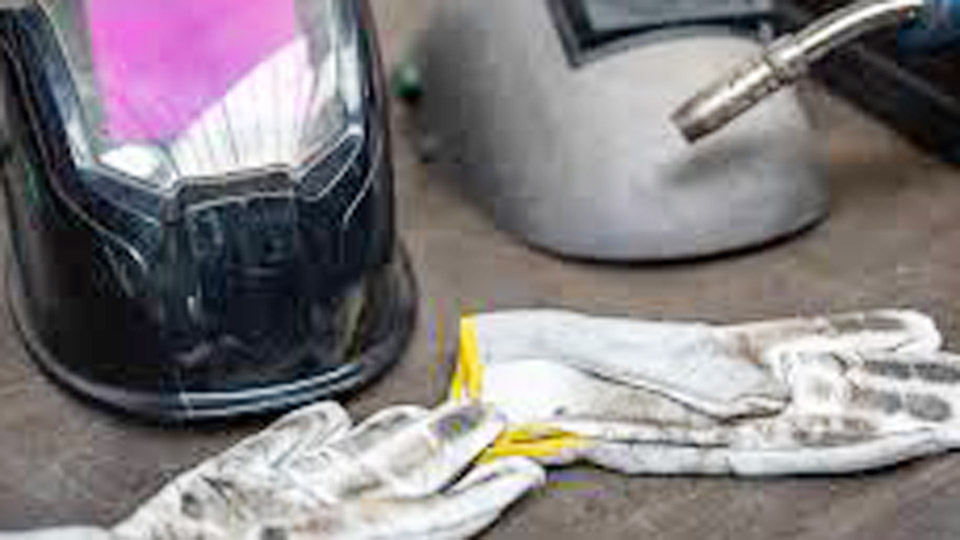
Image by vernlewis
Why Basic Welding Safety Equipment Matters in Practice
Welding generates UV/IR radiation, extreme heat, molten droplets, and hazardous particulates. Inadequate gear results in immediate risks like flash burns or long-term issues such as metal fume fever and cumulative lung damage.
Standards from OSHA and ANSI Z49.1 mandate appropriate PPE based on hazards, process, and environment. For DIY hobbyists, students, and professionals, investing in quality basic welding safety equipment reduces downtime and supports consistent results across amperage ranges and joint types.
Welding Helmets and Eye/Face Protection
Helmet Types and Auto-Darkening vs. Passive Lenses
Welding helmets form the primary barrier against arc rays, sparks, and debris. Passive helmets use fixed-shade lenses (typically #10), requiring the helmet to stay down or manual flipping, which limits visibility for setup and tack welds.
Auto-darkening helmets (ADF) use sensors to switch from light state (shade 3-4 for grinding) to dark state in milliseconds, improving workflow for out-of-position work or frequent arc starts.
Variable-shade ADF models allow adjustment (e.g., 9-13) based on process and amperage. For TIG at low amps (<50A), shades 8-10 suffice; MIG/FCAW at higher currents often needs 10-13.
Optical class ratings (1/1/1/1 preferred) ensure minimal distortion, clarity, and color accuracy. Helmet weight, headgear comfort, and viewing area (larger for better peripheral vision) affect fatigue during extended sessions.
Lens Shade Selection by Process and Amperage
Correct shade prevents eye strain and arc flash while preserving visibility:
- Oxy-fuel cutting/torch: Shade 4-6
- GTAW/TIG (<50A): 8-10; (50-150A): 10-12; (>150A): 12-14
- GMAW/MIG & FCAW: Adjust upward with current and wire diameter
- SMAW/Stick: Typically 10-12 depending on electrode size
Always pair with safety glasses or goggles (Z87.1 rated with side shields) underneath for particle protection when the helmet lifts.
Additional Face and Head Coverage
Welding caps or skull caps made of flame-resistant cotton protect hair and scalp from sparks while absorbing sweat. Neck gaiters or bibs extend protection under the helmet. For grinding or chipping, add a face shield over glasses.
Welding Gloves: Material, Design, and Process-Specific Choices
Glove Materials and Heat/Dexterity Trade-offs
Leather dominates due to abrasion resistance, heat tolerance, and non-melting properties. Cowhide offers durability and cost-effectiveness for general MIG/stick work.
Goatskin or deerskin provides superior softness and dexterity for TIG on thin materials. Elkskin excels in high-heat applications. Split leather is economical but less supple than top-grain.
Avoid synthetics that melt onto skin. Linings (cotton or Kevlar) add comfort and cut resistance. Gauntlet cuffs (4-6 inches) protect wrists and forearms from spatter.
Matching Gloves to Welding Processes
- TIG Gloves: Thin (0.6-0.8 mm), unlined goatskin/deerskin for precise rod control and heat input management on aluminum or stainless.
- MIG/FCAW Gloves: Medium-thickness cowhide with reinforced palms for spatter and moderate heat.
- Stick Welding Gloves: Thicker cowhide or elk for slag chipping and higher heat from larger electrodes.
Inspect for cracks, holes, or stiffness regularly—replace when insulation degrades. Dry gloves maintain electrical resistance.
Fit and Maintenance for Longevity
Proper fit balances protection and dexterity: snug but not restrictive. Break-in periods improve flexibility. Clean with leather conditioner; store away from moisture and direct heat.
Protective Clothing: Jackets, Aprons, Pants, and Layers
Flame-Resistant Materials and Construction
Cotton or wool treated for flame resistance serves as a base layer; leather provides superior spark and slag protection for heavy work. Avoid polyester/nylon, which melts and adheres to skin. Long sleeves, no cuffs on pants, and covered pockets minimize trap points for sparks.
Welding jackets (split or top-grain leather) cover torso and arms. Bib-style aprons add lap protection for seated or bench work. Chaps or full leathers suit high-spatter overhead positions. Overlap jacket and pants to eliminate gaps.
Layering Strategies for Different Environments
In hot shops, lightweight FR cotton under leathers prevents overheating. Colder conditions allow heavier base layers without compromising outer protection. High-visibility options with reflective elements aid shop safety. Inspect seams and replace garments with holes or fraying.
Footwear for Welders: Impact, Spark, and Electrical Protection
Key Features in Welding Boots
High-top leather boots (6-8 inch ankle) with oil/slip-resistant soles prevent sparks from entering and reduce slips on oily floors. ASTM F2413-rated safety toes (steel or composite) withstand impacts from dropped tools or materials. Electrical hazard (EH) rated soles insulate against shock.
Metatarsal guards protect the top of the foot in heavy fabrication. Heat-resistant outsoles handle hot work areas. Waterproof options maintain comfort in outdoor or damp conditions.
Selection Considerations
Prioritize breathability for all-day wear. Composite toes reduce weight and thermal conductivity compared to steel. Regular cleaning removes slag and debris that could cause hotspots.
Respiratory Protection Against Welding Fumes
Types of Respirators and Filtration Needs
Welding fumes contain metal oxides (manganese, chromium, nickel) with process-specific hazards. Disposable N95/P100 filtering facepieces handle lower exposures. Half-face or full-face reusable respirators with P100 cartridges provide better fit and protection for prolonged work.
Powered air-purifying respirators (PAPR) with helmets offer positive pressure and reduced breathing effort in high-fume environments.
Supplied-air systems suit confined spaces or exotic alloys. Fit-testing ensures seal integrity. Cartridges have service life limits based on contaminant levels.
Ventilation Integration
Local exhaust ventilation (LEV) or general shop fans supplement respirators but do not replace them when exposures exceed PELs. Monitor for symptoms like metal fume fever (flu-like after zinc or galvanized work).
Hearing Protection in Noisy Welding Environments
Earplugs, Earmuffs, and Helmet Compatibility
Grinding, hammering, and arc noise often exceed 85 dB. Low-profile earmuffs (e.g., 3M Peltor models) fit under helmets without interference. Foam earplugs offer high NRR but require proper insertion. Electronic muffs allow communication while attenuating peaks.
Combine with helmet systems for integrated protection. Daily use prevents noise-induced hearing loss over a career.
Additional Essential Gear and Shop-Wide Considerations
Safety glasses/goggles under helmets catch particles during helmet-up moments. Fire extinguishers, first-aid kits, and proper grounding complete the safety setup. For students and hobbyists, start with a basic kit (helmet, gloves, jacket, glasses, respirator) and scale as projects demand.
Real-World Decision-Making for PPE Selection
Evaluate hazards per job: amperage, duration, material (e.g., galvanized requires extra fume control), position, and space. Budget prioritizes high-use items like helmets and gloves. Comfort drives consistent wear—test fit before purchase. Maintain and replace gear proactively to sustain protection levels.
Performance Takeaway
Effective use of basic welding safety equipment enables precise control over heat input, arc stability, and travel speed, directly improving bead appearance, penetration, and joint strength.
Pros often layer specialized gear for demanding applications, such as PAPR systems in production environments or ultra-dexterous TIG gloves for artistic fabrication, balancing maximum protection with workflow efficiency.
FAQ
What is the minimum basic welding safety equipment every welder should own?
A quality auto-darkening helmet with appropriate shade range, leather welding gloves matched to your primary process, flame-resistant jacket or apron, safety glasses, and at least a P100 respirator. Add steel-toe boots and hearing protection as shop conditions require.
How often should welding gloves and clothing be replaced?
Inspect before each use. Replace gloves at first signs of thinning, holes, or lost flexibility. Clothing needs replacement when FR properties degrade, seams fail, or holes appear that allow spark entry.
Do I need a respirator for occasional hobby welding?
Yes, especially on coated or galvanized metals. Even short exposures accumulate. Use ventilation and a quality disposable or half-mask respirator for any indoor or enclosed work.
Can I use regular work boots for welding?
No. Welding demands high-top leather, slip/oil-resistant soles, and safety toe protection meeting ASTM standards to handle sparks, impacts, and electrical risks specific to the trade.