If you’re wondering, does acrylic paint stick to plastic, the short answer is yes—but only when the surface is properly prepared. Plastic is naturally smooth and non-porous, making it difficult for standard acrylic paint to form a durable bond.
In fabrication shops and welding projects, painted plastic components such as protective covers, trim panels, jigs, or 3D-printed fixtures are often exposed to abrasion, heat, moisture, and chemicals. Poor paint adhesion can lead to peeling, chipping, and costly rework that affects both appearance and long-term durability.
Understanding the right preparation methods, primers, and application techniques is essential for achieving a finish that lasts. I’ll explain when acrylic paint works on plastic, what factors influence adhesion, and how to create a durable coating that performs reliably in workshop and metalworking environments.
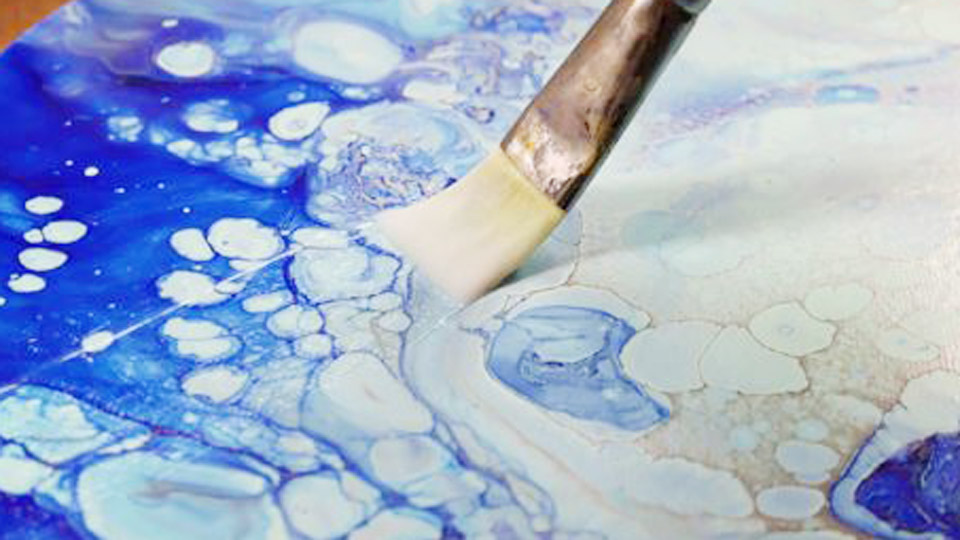
Image by montmarte
Why Acrylic Paint Adhesion Matters in Welding and Fabrication
Plastic parts often integrate with welded metal assemblies or require painting after plastic welding repairs. Low surface energy on many plastics prevents acrylic paint from forming a reliable bond, leading to failures that compromise aesthetics, corrosion protection, or part longevity.
Higher-surface-energy plastics like ABS or PVC respond better, while polyolefins (PE, PP) demand aggressive prep. Correct choices prevent rework and deliver finishes that withstand shop environments.
Surface Energy and Plastic Types: Technical Breakdown
Surface energy, measured in dynes/cm, determines wettability. Acrylic paint (around 30-35 dynes/cm) bonds poorly to low-energy plastics below 30-35 dynes/cm.
- ABS (Acrylonitrile Butadiene Styrene, recycling #7): Surface energy 35-42 dynes/cm. Good candidate for acrylics with minimal prep.
- PVC (Polyvinyl Chloride, #3): 38-45 dynes/cm. Fair to good adhesion.
- Polycarbonate and Acrylic Sheets: Higher energy, easier bonding.
- HDPE (#2) and PP (#5): 20-30 dynes/cm. Extremely challenging; require flame treatment or specialized promoters.
Identify plastics via recycling codes or burn tests (e.g., PP floats and smells waxy). In welding contexts, match paint flexibility to the base material to avoid cracking at heat-affected zones.
Common Failure Modes in Shop Environments
Paint fails due to contamination (oils, mold release), insufficient mechanical keying, thermal expansion mismatch, or flexing. Welded repairs introduce heat that can degrade unprepared surfaces. Direct application on smooth plastic leads to beading, poor film formation, and delamination under stress.
Preparing Plastic Surfaces for Acrylic Paint: Shop-Proven Methods
Effective prep raises surface energy and creates mechanical interlocking. This step accounts for most long-term success.
Cleaning Protocols for Contaminant Removal
Start with warm soapy water (Dawn or equivalent) to remove grease and dust. Follow with 91% isopropyl alcohol wipes using lint-free cloths. For welded parts, ensure no solvent migration to metal. Dry completely to prevent moisture entrapment. Multiple passes may be needed for recycled plastics.
Mechanical and Chemical Surface Modification
Light sanding with 180-400 grit (wet/dry) creates micro-texture without thinning material. Use circular motions; remove dust thoroughly.
For low-energy plastics, flame treatment oxidizes the surface quickly: sweep a propane torch flame 4-6 inches away for 2-3 seconds per section until water sheets instead of beads. Practice on scrap to avoid melting.
Chemical adhesion promoters (e.g., SEM, Bulldog) etch the surface. Apply light mist coats, flashing between layers.
Primers and Adhesion Promoters: Essential Intermediaries
Primers bridge the gap between plastic and paint.
Selecting the Right Primer System
Plastic-specific primers like Krylon Fusion, Rust-Oleum Specialty, or Zinsser Bulls Eye etch lightly and raise energy to 40+ dynes/cm. For flexible applications near welds, choose flexible formulations. Epoxy primers offer superior sealing for high-stress parts.
Apply in thin coats; allow full cure. Test adhesion on a small area by cross-hatching and tape test.
When to Skip or Combine Steps
On ABS or PC, sanding + primer often suffices. For PE/PP, combine flame treatment, promoter, and primer. Built-in adhesion formulas (Krylon Fusion All-in-One) simplify DIY jobs but may not match 2K systems in durability.
Choosing and Applying Acrylic Paint on Plastic
Not all acrylics perform equally.
Paint Formulations for Durability
Heavy-body or multi-surface acrylics (e.g., Liquitex, DecoArt) offer better flexibility than basic craft paints. For shop use, consider acrylic enamels or flexible systems over pure water-based. Add mediums for flow if airbrushing.
| Plastic Type | Recommended Acrylic Approach | Expected Durability |
|---|---|---|
| ABS/PVC | Multi-surface + primer | High with sealer |
| Polycarbonate | Heavy body, light prep | Excellent |
| HDPE/PP | Flexible with promoter + topcoat | Moderate to high |
Application Techniques for Even Coverage
Apply thin layers, allowing full dry time between coats to minimize cracking. Spray or brush in controlled environments (low humidity, moderate temp). Multiple thin coats outperform thick ones. For welded assemblies, mask adjacent metal.
Sealing and Protecting the Finish
Unsealed acrylic remains vulnerable to scratches, UV, and chemicals.
Topcoat Selection and Application
Use compatible clear acrylic or urethane sealers (matte, satin, or gloss). Apply after 24-48 hours paint cure. Flexible 2K clears excel in vibration-prone areas. This step dramatically extends life on outdoor or shop-exposed parts.
Performance in Demanding Conditions
Sealed systems withstand thermal cycling better. Monitor for color bleed on recycled plastics; test compatibility.
Advanced Considerations for Welders and Fabricators
In plastic welding repairs (e.g., extrusion or hot gas welding on PE/PP tanks), paint after full cooling and stress relief. Flame treatment aligns well with welding torches. For hybrid metal-plastic fabrications, ensure paint compatibility with weld zones to prevent galvanic or delamination issues.
Professional setups use 2K urethanes over Bulldog promoter for OEM-level results on bumpers or panels. Track plastic type, prep method, and outcomes for repeatable shop processes.
Real-World Decision Framework
Evaluate project needs: indoor decor tolerates simpler prep; structural or outdoor parts demand promoters and flex additives. Budget options like Krylon Fusion suit quick jobs; premium systems justify cost for longevity. Always test on scrap matching the exact material and conditions.
Performance-based Takeaway
Acrylic paint succeeds on plastic when prep transforms low-energy surfaces into receptive ones, combined with flexible compatible coatings.
The pro-level insight is treating every plastic job like a system—surface energy matching, mechanical keying, chemical bonding, and protective layers—yielding finishes that outlast the assembly itself in demanding fabrication environments.
FAQ
Does acrylic paint stick to polyethylene or polypropylene without special treatment?
No. These low-surface-energy plastics require flame treatment, adhesion promoters, or specialized flexible paints. Standard acrylic will peel quickly.
What is the best primer for acrylic paint on plastic in a welding shop?
Plastic-specific adhesion promoters like SEM or Bulldog, followed by epoxy or flexible primers. They handle contaminants and heat exposure better than general primers.
How long does properly prepared acrylic paint last on plastic?
With thorough prep, primer, and sealer, it can last years indoors or 1-3+ years outdoors, depending on exposure and flex. Flexible 2K systems perform best under stress.
Can you paint directly over plastic welds with acrylic?
Yes, after cooling, cleaning, and prepping the weld area and surrounding material. Match flexibility to avoid cracking at the joint. Test adhesion first.