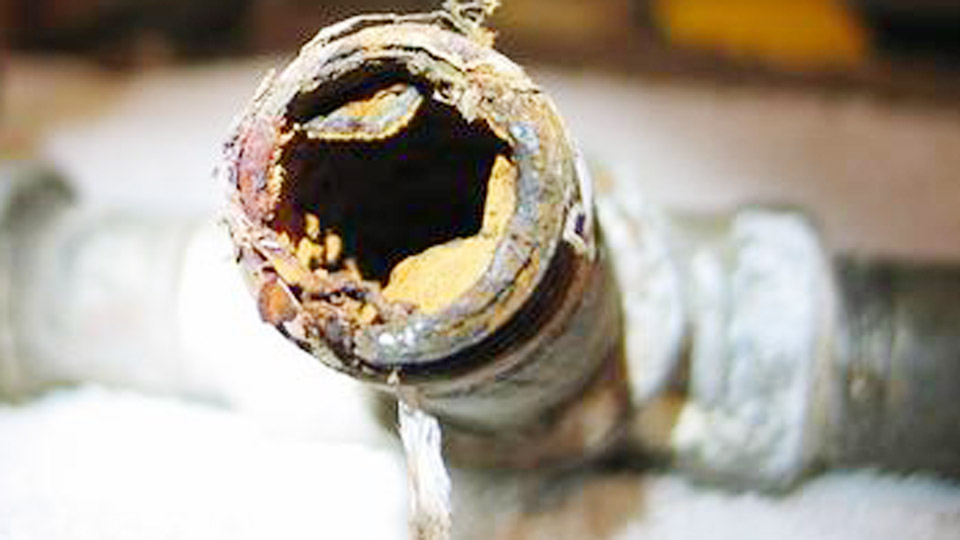
Welders working with copper bus bars, heat exchangers, plumbing fittings, or custom fabrication projects frequently encounter heavily oxidized surfaces that compromise arc stability, filler adhesion, and joint integrity.
Badly tarnished copper resists proper fusion, increases porosity risk, and can introduce inclusions that weaken the weld.
Learning how to clean badly tarnished copper with vinegar provides a low-cost, accessible method that effectively removes oxides without aggressive mechanical abrasion or harsh commercial etchants that might leave residues.
This technique matters because clean base metal directly influences travel speed, heat input settings, and final weld quality in both TIG and brazing applications.
Image by vintagefrenchcopper
Why Surface Condition Dictates Copper Weld Success
Copper’s high thermal conductivity demands precise preparation. Tarnish layers—primarily copper oxides—act as insulators, disrupting heat transfer and causing inconsistent penetration. In professional shops and hobby setups alike, skipping thorough cleaning leads to rework or failed pressure tests.
Vinegar-based cleaning leverages acetic acid’s mild reactivity with oxides, making it suitable for restoring conductivity while preserving the base material for subsequent welding or soldering.
Understanding Copper Tarnish in Welding Contexts
Chemical Composition of Tarnish Layers
Tarnish on copper forms through oxidation (Cu2O cuprous oxide and CuO cupric oxide) accelerated by moisture, sulfur, or atmospheric exposure. Badly tarnished pieces often show black or green patina, especially on stored stock or reclaimed materials.
These layers raise electrical resistance and reduce wettability of filler metals. For welders, recognizing the difference between light surface oxidation (removable by light brushing) and deep tarnish (requiring chemical action) guides method selection.
Impact on Welding Processes
In GTAW (TIG) of copper, tarnish increases required amperage by 10-20% due to poor heat conduction. For brazing copper pipes or fittings, oxides prevent flux from performing optimally, leading to weak capillary action. Vinegar cleaning restores a bright, metallic surface that accepts flux or allows direct fusion with minimal preheat variation.
Materials and Safety for Vinegar-Based Copper Cleaning
Required Supplies and Concentrations
- White distilled vinegar (5-8% acetic acid concentration is standard and effective).
- Table salt (sodium chloride) to accelerate the reaction via chloride ions.
- Optional: Baking soda for neutralization, soft cloths or non-abrasive pads, distilled water for final rinse.
- Containers: Plastic or glass—avoid reactive metals.
Higher concentration vinegar (cleaning vinegar at 6-8%) works faster on severe tarnish but requires careful handling. Salt enhances the electrolytic effect, dissolving oxides more rapidly.
Workspace and Handling Considerations
Work in a well-ventilated area. While vinegar is milder than pickling acids, prolonged exposure can irritate skin and eyes. Wear gloves and eye protection. Prepare copper pieces by degreasing first with acetone or alkaline cleaner to remove oils that might impede acid action.
Step-by-Step Process: How to Clean Badly Tarnished Copper with Vinegar
Initial Degreasing and Assessment
Begin by wiping the copper with a solvent to remove grease, cutting fluids, or shop contaminants. Inspect for deep pitting or embedded scale that may need mechanical assistance post-chemical treatment. This step ensures the vinegar solution contacts oxides directly rather than floating on residue.
Preparing the Vinegar-Salt Solution
Mix 1 cup white vinegar with 1-2 tablespoons table salt per quart of solution, stirring until dissolved. For immersion of larger parts, scale up proportionally in a suitable container. Submerge the tarnished copper fully or apply the solution via spray or soaked cloth for in-place cleaning. The reaction produces visible bubbling as acetic acid dissolves oxides.
Soak Time and Agitation for Heavy Tarnish
Allow immersion for 15-60 minutes depending on tarnish severity. Check periodically; severely blackened pieces may need 1-2 hours or overnight for thick layers. Gentle agitation or brushing with a soft nylon or brass brush during soaking speeds removal without scratching.
For vertical or awkward surfaces, apply a paste of vinegar, salt, and flour for better adherence, leaving it 30-60 minutes.
Rinsing and Neutralization
Remove the copper and rinse thoroughly under running water. Neutralize residual acid with a baking soda solution (1 tablespoon per quart of water) or a dilute alkaline cleaner, followed by a final distilled water rinse.
This prevents ongoing etching that could affect weld pool behavior. Dry immediately with clean cloths or compressed air to avoid water spots that reintroduce oxidation.
Post-Clean Inspection and Mechanical Finishing
Inspect under good lighting for remaining dull areas. Light Scotch-Brite or 0000 steel wool can polish to a bright finish suitable for welding. For precision joints, follow with a dedicated welding degreaser. Cleaned copper should exhibit uniform pinkish sheen and low electrical resistance if tested.
Alternative and Complementary Cleaning Methods for Welders
Mechanical Approaches for Stubborn Areas
When vinegar alone is insufficient, combine with stainless steel wire brushing or abrasive pads. Avoid carbon steel tools that can embed particles leading to contamination. For pipe interiors, flexible brushes or emery cloth work well before or after chemical treatment.
Commercial Cleaners vs. Vinegar
Proprietary copper pickles or fluxes offer consistency for high-volume work but cost more and may require specific disposal. Vinegar-salt remains ideal for small shops and field repairs due to availability and minimal environmental impact. Test small areas when switching methods to verify compatibility with your base alloy.
When to Choose Acid Pickling Over Vinegar
For production welding of thick copper sections with heavy mill scale, stronger acids (diluted phosphoric or specialized picklers) may be faster. Reserve vinegar for moderate-to-heavy tarnish on thinner stock or decorative/fab projects where over-etching is a concern.
Integrating Copper Cleaning into Welding Workflow
Pre-Weld Sequence for TIG on Copper
- Degrease.
- Vinegar-salt clean as needed.
- Rinse and neutralize.
- Dry and final wipe with acetone.
- Minimize exposure time before striking arc to limit re-oxidation.
Preheat considerations remain critical: thin sections may need 200-400°F depending on thickness and joint type, but clean surfaces reduce overall heat input requirements.
Brazing and Soldering Preparation
Cleaned copper accepts flux more uniformly. For HVAC or plumbing repairs common in welding shops, vinegar treatment followed by flux application yields strong, leak-free joints. Ensure no acid residue interferes with flux chemistry.
Variables Affecting Cleaning Effectiveness
Copper Alloy Differences
Pure copper responds quickest to vinegar. Alloys like brass (copper-zinc) or bronze may require adjusted soak times or additional salt due to varying oxide compositions. Test on scrap to dial in process parameters for specific materials.
Temperature and Concentration Effects
Warmer vinegar solution (room temp to 100°F) accelerates reaction without boiling. Higher acetic concentrations shorten time but increase rinse needs. Environmental humidity post-cleaning influences re-tarnish rate—store cleaned stock in dry conditions or apply light protective coating if not welding immediately.
Scale of Operation
Immersion suits batch processing of fittings or small parts. Spray or wipe methods fit large fabrications or on-site work. For very large surfaces, sectional treatment prevents solution drying unevenly.
Maintaining Clean Copper Surfaces Post-Cleaning
Storage Best Practices
Apply a thin coat of anti-oxidation compound or store in low-humidity environments. For weld-ready stock, use desiccants or sealed bags. Avoid cardboard or materials that can introduce sulfur compounds.
Re-Tarnish Prevention in Shop Environment
Regular light cleaning with vinegar-water mix maintains readiness. In humid climates, schedule cleaning closer to actual welding time. For ongoing projects, cover joints with flux or inert gas purge when possible.
Advanced Considerations for Professional Results
Monitor pH of rinse water to confirm neutralization (aim for near neutral). In critical applications like electrical bus work, verify surface conductivity post-cleaning. Combine vinegar cleaning with proper joint design—wider grooves or bevels on thicker copper aid penetration on high-conductivity material.
FAQ
How long should I soak badly tarnished copper in vinegar?
Soak times range from 15 minutes for moderate tarnish to 1-2 hours or more for heavy black oxidation. Agitate and check progress; avoid excessive time that might over-etch thinner sections.
Does vinegar damage copper or affect welding quality?
Properly neutralized and rinsed vinegar cleaning does not damage copper. Residual acid is the main risk—always rinse and neutralize thoroughly before welding to prevent porosity or inclusion issues.
Can I use vinegar cleaning on copper alloys like brass before welding?
Yes, with adjusted times. Brass may respond differently due to zinc content; test first and ensure complete rinsing to avoid zinc-related weld defects.
What if vinegar alone doesn’t remove all tarnish?
Combine with light mechanical abrasion after soaking or use a salt-vinegar paste for localized heavy spots. Follow with standard welding prep solvents.
Wrapping Up
Effective surface preparation separates acceptable welds from high-integrity ones. Mastering how to clean badly tarnished copper with vinegar equips welders with a reliable, shop-friendly technique that integrates seamlessly into TIG, brazing, and repair workflows.
Prioritizing clean metal, correct neutralization, and minimal delay before welding consistently delivers stronger joints, better conductivity, and reduced defects—key decisions that elevate fabrication outcomes in any setting.
For pro-level work on thick sections or high-purity applications, pair this method with tailored preheat and shielding gas strategies to maximize copper’s inherent performance.