Stainless steel is everywhere—from kitchen appliances and sinks to water bottles, cutlery, and even jewelry. But keeping it looking shiny and new isn’t always easy. Greasy fingerprints, streaks, hard water spots, and dull patches can ruin that clean look.
Many people try expensive cleaners or scrub hard, but this can scratch or damage the surface. If you want a simple, effective, and affordable solution, vinegar is your answer. Using vinegar to clean stainless steel is not just cost-effective, but it’s also safe for most people and the environment.
This guide will show you exactly how to clean stainless steel with vinegar, why it works, and how to get the best results. You’ll discover step-by-step methods, practical tips, mistakes to avoid, and answers to common questions—so your stainless steel surfaces stay bright and beautiful.
Why Vinegar Works For Stainless Steel
Vinegar is a natural acid that breaks down dirt, grease, and mineral deposits. It’s especially useful for stainless steel because:
- It removes hard water stains and mineral buildup.
- It cuts through greasy fingerprints and smudges.
- It leaves surfaces shiny without harsh chemicals.
Acetic acid in vinegar reacts with minerals and organic residues. This makes it powerful enough to clean, but gentle enough not to scratch or corrode stainless steel. Unlike bleach or strong chemical cleaners, vinegar won’t leave toxic residues or damage the protective layer on stainless steel.
Comparing Vinegar With Other Cleaners
Let’s see how vinegar stacks up against common stainless steel cleaners:
| Cleaner Type | Effectiveness | Safety | Cost | Residue |
|---|---|---|---|---|
| Vinegar | Excellent for stains & grease | Very safe | Low | No residue |
| Commercial Polish | Good shine, some streaks | Variable | Medium-high | Possible residue |
| Soap & Water | Basic cleaning | Safe | Low | Can leave film |
| Bleach | Removes stains | Unsafe, damages finish | Medium | Leaves residue |
Many professionals prefer vinegar because it is reliable and simple.
What You Need To Clean Stainless Steel With Vinegar
Before starting, gather these items:
- White distilled vinegar (not apple cider or flavored vinegar)
- Spray bottle (for easy application)
- Soft microfiber cloth (to avoid scratches)
- Paper towels or clean cotton cloth
- Water (for rinsing)
- Optional: Baking soda for tough stains, olive oil for polishing
Why White Vinegar?
White vinegar is the best choice because it doesn’t leave color stains and is usually 5% acidity. Higher acidity (like cleaning vinegar) can be used for very stubborn stains, but always test a small area first.
Credit: www.youtube.com
Step-by-step: Cleaning Stainless Steel With Vinegar
Cleaning stainless steel with vinegar is simple. Here’s how to do it right:
1. Prepare The Surface
Remove any loose dirt, crumbs, or dust. Use a dry cloth or brush for this. This avoids scratching the surface when you wipe with vinegar.
2. Apply Vinegar
Fill a spray bottle with undiluted white vinegar. Spray directly onto the stainless steel surface. If you don’t have a spray bottle, soak a soft cloth in vinegar and wipe.
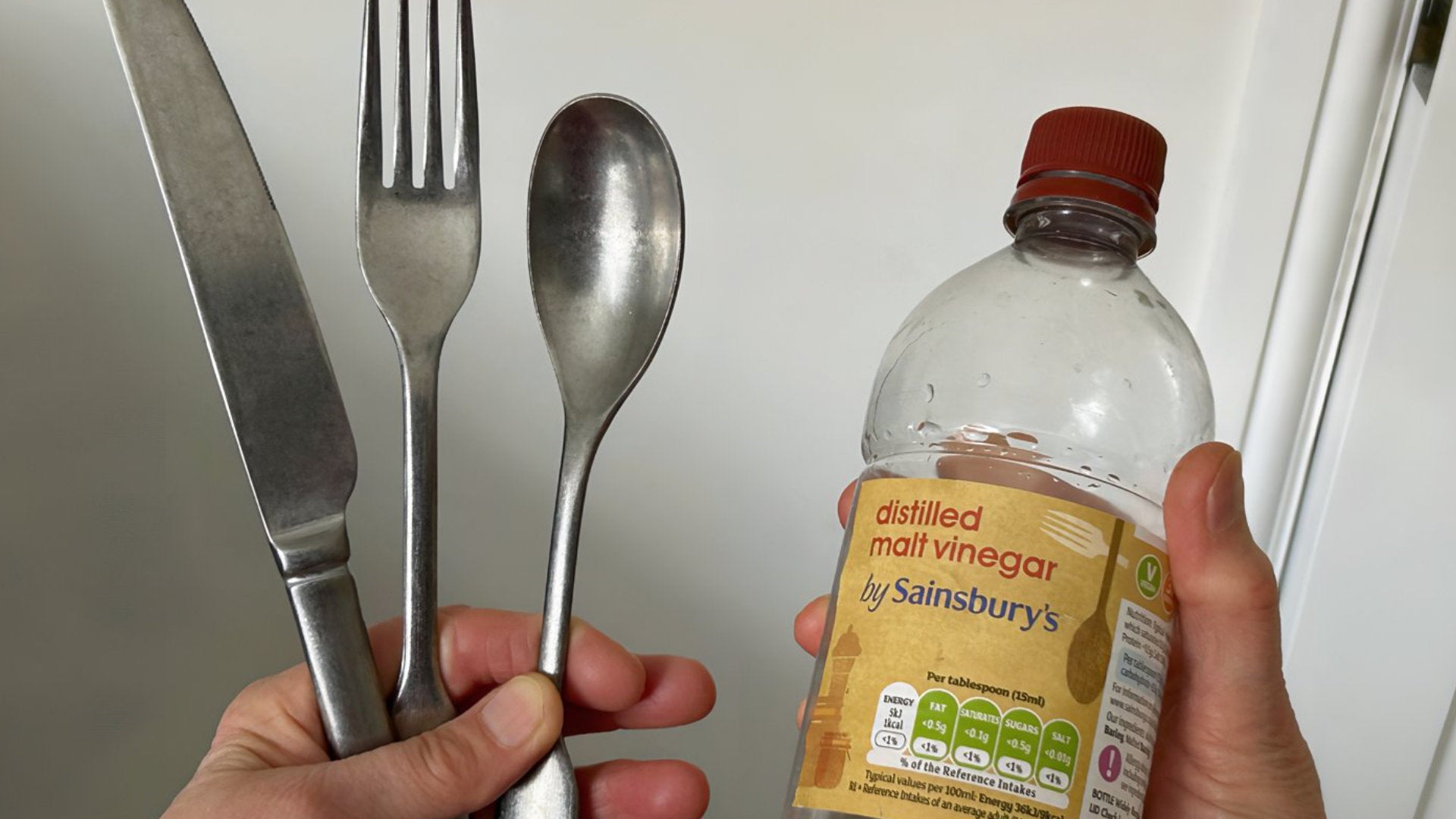
For small items (like cutlery), dip them in a bowl of vinegar for 5–10 minutes.
3. Wipe With The Grain
Stainless steel has a “grain”—lines running horizontally or vertically. Always wipe with the grain. This reduces streaks and prevents damage.
Use a microfiber cloth for best results. Paper towels can leave lint, but cotton cloth works well.
4. Rinse With Water
After cleaning, rinse the surface with clean water. This washes away any vinegar and dissolved dirt.
5. Dry And Buff
Dry the surface with a clean cloth. Buff gently to bring out a shine. For extra polish, add a few drops of olive oil to your cloth and wipe with the grain.
6. Repeat For Tough Spots
For stubborn stains, repeat the process. If stains remain, move to the next section.
Handling Tough Stains And Problem Areas
Sometimes, stainless steel has stains or spots that regular vinegar cleaning can’t fix. Here’s how to tackle them.
Using Baking Soda With Vinegar
Baking soda is a gentle abrasive. When combined with vinegar, it helps remove tough stains.
- Sprinkle baking soda on the stain.
- Spray vinegar over it. It will fizz.
- Let it sit for 3–5 minutes.
- Scrub gently with a soft cloth, then rinse.
This is useful for burnt-on stains on cookware, hard water spots, or rust marks.
Removing Rust Spots
Stainless steel can develop rust if exposed to moisture for long periods.
- Apply vinegar directly to the rust spot.
- Let it sit for 15–30 minutes.
- Scrub gently with a soft cloth or non-scratch sponge.
- Repeat if needed.
Avoid steel wool or harsh abrasives—they scratch and damage the surface.
Cleaning Appliances And Large Surfaces
For refrigerators, dishwashers, or large sinks:
- Spray vinegar over the entire surface.
- Wipe with a microfiber cloth, working in sections.
- Buff dry after rinsing.
For handles or corners, use a cotton swab dipped in vinegar.
Polishing Stainless Steel After Cleaning
Vinegar leaves stainless steel clean, but sometimes you want extra shine.
Using Olive Oil Or Mineral Oil
After cleaning and drying:
- Put a few drops of olive oil or mineral oil on a soft cloth.
- Rub gently with the grain.
- Buff until the surface gleams.
This adds a protective layer and helps repel fingerprints.
Commercial Polishes
Some people use commercial polishes for a mirror finish. These are good for high-use appliances, but can leave residues. Always clean with vinegar first to remove dirt.
Comparison: Vinegar Vs. Commercial Polish
| Method | Shine | Cost | Residue | Fingerprints |
|---|---|---|---|---|
| Vinegar | Natural, bright | Very low | None | Some |
| Olive Oil | Extra glossy | Low | Minimal | Repels well |
| Commercial Polish | Mirror-like | Medium-high | Possible residue | Repels well |
For most homes, vinegar and olive oil are enough.
Common Mistakes When Cleaning With Vinegar
Cleaning stainless steel is simple, but these mistakes can cause problems:
- Using abrasive sponges: Scratches the surface.
- Wiping against the grain: Leaves streaks.
- Not rinsing after vinegar: Can leave a sticky film.
- Using colored vinegar: May stain light surfaces.
- Letting vinegar sit too long: Can damage finish.
- Not drying properly: Water spots appear.
Always follow the steps carefully and test new methods on a small area.
Practical Tips For Different Stainless Steel Items
Stainless steel is used in many ways. Here’s how to clean common items:
Kitchen Appliances
- Spray vinegar, wipe with grain, dry and buff.
- For handles and buttons, use a damp cloth—not too wet.
Sinks And Faucets
- Remove debris.
- Spray vinegar, scrub with soft sponge, rinse and dry.
Cookware
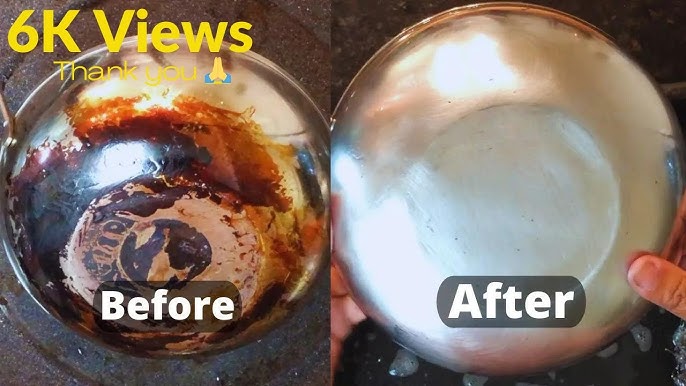
- For burnt-on stains, soak in vinegar for 10–20 minutes.
- Use baking soda for tough spots.
Water Bottles And Thermoses
- Fill with vinegar, let sit for 30 minutes.
- Rinse thoroughly with water.
Jewelry
- Soak in vinegar for 5–10 minutes.
- Use a soft brush to clean crevices.
- Rinse and dry.
How Often Should You Clean Stainless Steel With Vinegar?
Frequency depends on usage and exposure to dirt:
- Kitchen appliances: Weekly or after heavy use.
- Sinks and faucets: Every few days to avoid hard water spots.
- Cookware: After each use if greasy or stained.
- Jewelry: Monthly, or when dull.
- Water bottles: Weekly or after each use.
Over-cleaning with vinegar is not harmful, but always rinse and dry to protect the finish.
Is Vinegar Safe For All Stainless Steel?
Vinegar is safe for most stainless steel, but there are exceptions.
- High-polish surfaces: Test a small area first.
- Decorative finishes: Avoid soaking; use damp cloth.
- Old or damaged steel: Vinegar may reveal imperfections.
Never use vinegar on coated or painted stainless steel—it can damage the coating.
Real-world Examples And Results
Let’s look at some real results:
- Kitchen sink: After cleaning with vinegar, water spots disappear and the shine returns.
- Refrigerator door: Fingerprints gone, surface is bright.
- Cookware: Burnt-on stains removed after soaking in vinegar and baking soda.
A study by the National Sanitation Foundation found vinegar removes over 98% of bacteria from stainless steel surfaces, making it effective for hygiene.
Credit: ubaahaus.co.uk
Environmental And Health Benefits
Using vinegar is not only effective, but also safer for your health and the planet.
- Non-toxic: No harmful fumes.
- Biodegradable: Breaks down naturally.
- Safe for pets and kids: No dangerous chemicals.
Many commercial cleaners contain ammonia, bleach, or phosphates. These can cause allergies or pollute water. Vinegar is a green choice.
Vinegar Cleaning: Myths And Truths
Some myths exist about vinegar and stainless steel:
- “Vinegar ruins stainless steel.” Not true if used correctly.
- “Vinegar leaves streaks.” Only if not wiped with the grain or not rinsed.
- “Vinegar doesn’t disinfect.” Vinegar kills many germs, though not all viruses.
Always check manufacturer instructions for appliances or cookware.
Quick Reference: Cleaning Steps For Different Stainless Steel Types
Here’s a handy overview:
| Item | Vinegar Use | Rinsing Needed | Extra Steps |
|---|---|---|---|
| Kitchen Appliances | Spray & wipe | Yes | Buff dry |
| Sinks & Faucets | Spray & scrub | Yes | Repeat for stains |
| Cookware | Soak & scrub | Yes | Baking soda for burnt stains |
| Jewelry | Soak & brush | Yes | Dry thoroughly |
| Water Bottles | Fill & soak | Yes | Shake before rinsing |
Extra Insights Beginners Usually Miss
- Wiping with the grain is more important than most people realize. It prevents streaks and preserves the shine.
- Drying immediately after cleaning stops new water spots from forming, which is a mistake many beginners make.
When To Avoid Vinegar
Don’t use vinegar on:
- Electronics or touch screens
- Painted or coated stainless steel
- Surfaces with glue or adhesive residues
Vinegar can dissolve adhesives and damage sensitive finishes.
Expert Guidance For Best Results
- Always use microfiber cloths for a streak-free finish.
- For large surfaces, clean in sections to avoid drying before rinsing.
- For appliances, clean handles and edges separately—they collect the most dirt.
Wrapping Up
Cleaning stainless steel with vinegar is easy, affordable, and safe. By following these steps and tips, you can keep your kitchen, appliances, and other items looking great. Vinegar offers a reliable solution—whether you’re dealing with stubborn stains or just want a quick shine.
Frequently Asked Questions
Is Vinegar Safe For All Stainless Steel Appliances?
Vinegar is safe for most stainless steel. Test a small area first, especially on brushed or decorative finishes. Avoid using vinegar on coated or painted surfaces.
Can Vinegar Remove Rust From Stainless Steel?
Yes, vinegar can help remove light rust spots. Let vinegar sit for 15–30 minutes, then scrub gently. For heavy rust, use baking soda with vinegar.
Should I Dilute Vinegar Before Cleaning?
Undiluted vinegar works best for tough stains, but can be diluted (50:50 with water) for regular cleaning or sensitive surfaces.
How Do I Prevent Streaks After Cleaning?
Wipe with the grain using a microfiber cloth. Rinse and dry immediately. Buff with a little olive oil for extra shine.
Can I Use Vinegar On Stainless Steel Cookware?
Yes, vinegar is safe for cookware. It removes stains and disinfects. Always rinse well after cleaning and avoid harsh abrasives.