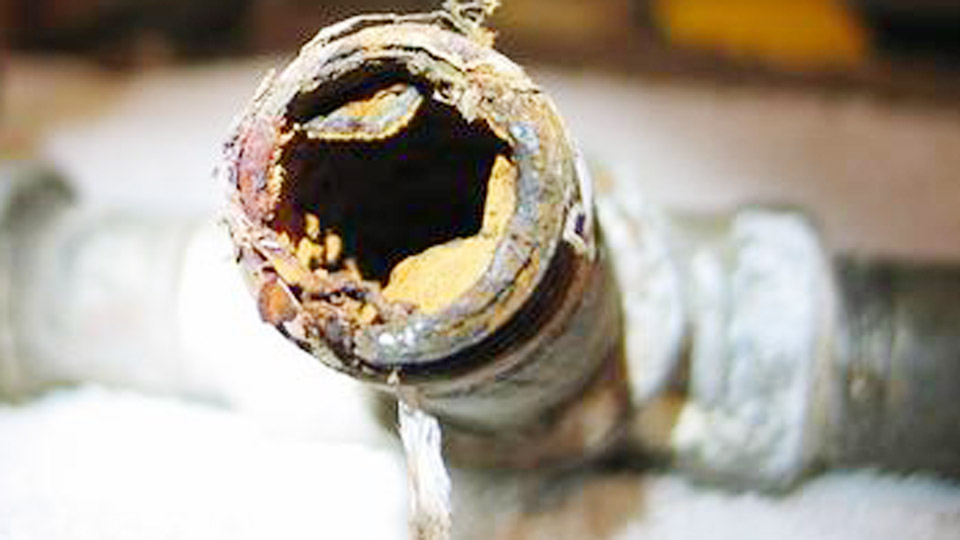
Green corrosion on metal parts creates immediate problems in the shop. Welders encounter it on copper alloys, brass fittings, or contaminated steel and aluminum surfaces, where it compromises joint integrity, causes porosity, and weakens welds.
Learning how to remove green corrosion from metal ensures clean base material, proper fusion, and strong, reliable welds.
This matters because even thin layers of verdigris or similar oxides act as contaminants that prevent filler metal from bonding correctly and introduce defects visible only after welding or during service.
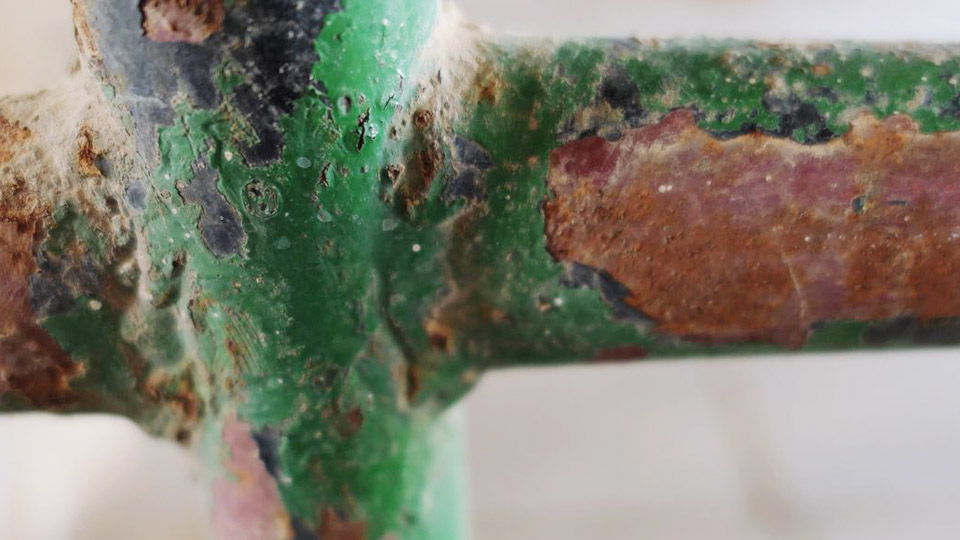
Image by thoughtco
Understanding Green Corrosion in Welding Contexts
Green corrosion, often called verdigris, forms primarily on copper and copper alloys through reactions with oxygen, moisture, carbon dioxide, or chlorides. It appears as copper carbonate, chloride, or acetate compounds.
On other metals, green discoloration can stem from copper contamination, certain stainless steel surface issues, or environmental deposits.
Chemical Composition and Formation
Verdigris develops when copper ions react in humid or polluted environments. The patina starts thin and protective on pure copper but becomes problematic on weld-prep surfaces.
On steel or aluminum, green tint often indicates cross-contamination from copper tools, wiring, or nearby brass components, creating galvanic cells that accelerate further corrosion.
In welding shops, temperature fluctuations, sweat from handling, and residual fluxes accelerate formation. High-humidity storage of filler rods or base metals exacerbates the issue.
Impact on Weld Quality
Green corrosion disrupts weld pool chemistry. It introduces oxides that cause lack of fusion, inclusions, or cracking. In TIG welding of copper alloys, it leads to erratic arc behavior and porosity. On carbon steel, copper traces promote hot cracking. Removing it fully is non-negotiable for code-quality or load-bearing welds.
Identifying Green Corrosion vs. Other Oxides
Visual and Tactile Characteristics
True verdigris shows a distinctive blue-green to emerald hue, often powdery or crusty. It contrasts with red-brown rust on steel or white/gray aluminum oxide. Test by scraping: verdigris dissolves or smears under mild acid, unlike tenacious mill scale.
Common Locations on Weldments
Expect it on copper pipe fittings, brass valves, electrical bus bars, or antique metal repairs. In fabrication, check edges of stored plates exposed to moisture or areas near battery terminals where acid fumes contribute.
When Green Tint Signals Contamination
A green sheen on stainless or mild steel often means copper pickup from grinding wheels or tools previously used on copper. This requires aggressive removal to avoid metallurgical issues in the heat-affected zone (HAZ).
Preparation Before Corrosion Removal
Assess the base metal first. Copper and brass tolerate acids better than aluminum or high-strength steels. Determine alloy type using a magnet test, spark test, or material certification.
Remove loose debris with a wire brush or compressed air to expose the full extent of corrosion. Work in a well-ventilated area and wear appropriate PPE, focusing on eye and skin protection from chemicals.
Mechanical Removal Methods for Welding Prep
Mechanical techniques provide the most control for welders needing a bright, contaminant-free surface.
Abrasive Techniques and Tool Selection
Use flap discs or grinding wheels with aluminum oxide or silicon carbide abrasives for heavier buildup. Start with 80-120 grit on copper alloys and progress to 220 grit for a smooth finish suitable for TIG. For precision work on thin sections, employ 0000-grade steel wool or nylon abrasive pads to avoid excessive material removal.
On aluminum showing green contamination, avoid steel wool entirely to prevent iron embedding. Brass or stainless brushes are safer. Angle grinders with fine flap wheels deliver consistent results on larger surfaces, but keep pressure light to prevent heat buildup that could drive oxides deeper.
Scraping and Brushing Protocols
For intricate geometries like threads or joints, use plastic or brass scrapers followed by stainless steel toothbrushes. This combination lifts crust without scratching the substrate. Follow with solvent wiping using acetone or isopropyl alcohol to remove residue and prevent re-contamination before welding.
Power Tool Considerations for Production
Pneumatic or electric needle scalers work on heavy deposits but risk peening the surface. Reserve them for non-critical structural steel where green tint indicates surface-only issues. Always follow with grinding to restore a clean profile.
Chemical Removal Approaches
Chemical methods excel for thorough cleaning of complex shapes or when mechanical access is limited.
Acid-Based Solutions and Concentrations
White vinegar (5-8% acetic acid) serves as a mild, accessible option. Soak copper parts for 15-60 minutes, agitating occasionally. For stubborn verdigris, add salt to form a mild abrasive paste. Rinse thoroughly and neutralize with baking soda solution.
Citric acid powders mixed at 10-20% concentration offer better control and less odor. Phosphoric acid-based cleaners (common in aluminum brighteners) target oxides effectively but require strict neutralization on ferrous metals to avoid pitting.
Avoid hydrochloric (muriatic) acid on copper alloys unless heavily diluted and followed by immediate neutralization, as it can etch aggressively.
Commercial Cleaners and Specialized Formulations
Proprietary verdigris removers or metal brighteners contain chelating agents that bind copper ions without excessive base metal attack. Test on a small area first. For welding shops, choose products rated for pre-weld cleaning to ensure no residue interferes with shielding gas or flux.
Neutralization and Post-Chemical Steps
Always neutralize acids with a baking soda or sodium bicarbonate rinse until pH reaches neutral (test strips help). Dry immediately with compressed air or heat to prevent flash rust or new oxide formation. A final wipe with acetone ensures a welding-ready surface.
Metal-Specific Removal Strategies
Copper and Brass Alloys
These respond best to combined mechanical-chemical approaches. Vinegar-salt soak followed by light brushing yields bright pink metal ideal for brazing or TIG. For large copper bus bars, electrolytic cleaning in a sodium carbonate bath can be efficient but requires setup knowledge.
Steel with Green Contamination
Green on steel demands removal of any embedded copper. Grind or sandblast affected areas, then use chelating agents. Follow with passivation if corrosion resistance matters.
Aluminum Handling
Green on aluminum usually signals copper contamination. Use dedicated aluminum oxide removers or mild alkaline cleaners. Mechanical abrasion with non-ferrous media is preferred over acids, which can create smut layers. Laser cleaning provides a modern, precise alternative for high-value parts.
Stainless Steel Considerations
Greenish discoloration here may indicate tea staining or chromium compound issues. Nitric or citric acid passivation restores the protective layer after mechanical cleaning.
Pre-Welding Surface Preparation Standards
After corrosion removal, achieve a surface equivalent to SSPC-SP 5 or better for critical welds—white metal with no visible residues. For TIG, aim for a bright, mirror-like finish on copper. Use lint-free cloths and dedicated tools to avoid reintroducing contaminants.
Inspect under magnification or UV light for remaining oxides. Measure surface roughness if specifications require it; Ra values under 3.2 µm typically suffice for most welds.
Preventing Re-Corroding After Cleaning
Store cleaned parts in low-humidity environments or apply temporary protective coatings compatible with welding (e.g., certain solvent-based preservatives). Use desiccants in storage bins. Separate copper alloys from steel during handling to minimize galvanic risks.
In the shop, clean metal immediately before welding rather than hours or days ahead. Apply anti-spatter compounds sparingly on surrounding areas.
Long-Term Storage Solutions
For inventory, consider vapor corrosion inhibitors (VCIs) or light oil films that burn off cleanly during welding. Monitor shop humidity and use dehumidifiers in storage areas.
Advanced Techniques for Professional Welders
Electrochemical and Electrolytic Methods
For high-volume copper cleaning, electrolytic setups with appropriate electrolytes strip oxides uniformly without mechanical distortion. This suits precision components.
Thermal and Laser Methods
Controlled heating can volatilize some organics in verdigris, but risks annealing or warping—use cautiously. Laser ablation offers contactless, precise removal with minimal heat-affected zone, ideal for automated lines or delicate alloys.
Testing Cleanliness
Perform a water break test: clean surfaces allow water to sheet evenly. Bend tests or mock-up welds verify that removal was sufficient for mechanical properties.
Equipment and Consumables Recommendations
- Abrasives: Dedicated wheels for non-ferrous metals.
- Chemicals: Food-grade acids for safety; commercial preps for consistency.
- Tools: Variable-speed grinders, ultrasonic cleaners for small parts.
- Inspection: Magnifiers, borescopes for joints.
Match methods to your welding process—GTAW demands cleaner surfaces than SMAW.
Final Thoughts
Effective removal of green corrosion directly translates to fewer defects, stronger joints, and professional results. Master these techniques across metals and you’ll handle repairs and fabrications with confidence.
The pro-level insight: the best welders treat surface prep as a metallurgical step equal in importance to parameter selection—clean metal doesn’t just look better; it determines whether the weld meets or exceeds the base material’s properties under real-world loads. (Word count: approx. 2,150)
FAQ
Does vinegar remove green corrosion completely for welding?
Vinegar removes light to moderate verdigris effectively on copper but may require mechanical follow-up for heavy buildup or welding-critical surfaces. Always neutralize and dry thoroughly; it works best as part of a multi-step process rather than a standalone solution.
Can I weld over green corrosion if I grind it first?
No. Grinding alone may leave embedded oxides or contaminants. Combine grinding with chemical cleaning and final solvent wipe for reliable fusion and to prevent defects like porosity or cracking.
What is the fastest way to remove green corrosion in a professional shop?
For speed, use flap disc grinding followed by a phosphoric or citric acid wipe, then solvent clean. Laser systems provide the fastest, cleanest results for suitable budgets, minimizing post-processing.
Is green corrosion on stainless steel dangerous for welding?
It signals potential surface issues or contamination that can compromise corrosion resistance in the finished weld. Remove it fully and consider passivation afterward to restore the chromium oxide layer.