Pipeline welding is one of the highest-paying specialties in the welding industry, but earnings can vary significantly depending on experience, certifications, location, and project type.
If you’re wondering what is the average pay for a pipeline welder, understanding the numbers is important before pursuing this career path or evaluating job opportunities.
Pay rates affect more than just income. They often reflect the skill level required, the working conditions involved, travel demands, and the responsibility of producing welds that must meet strict inspection and safety standards.
Pipeline welders frequently work on critical infrastructure where weld quality directly impacts reliability, compliance, and long-term performance.
Whether you’re a welding student, an experienced fabricator considering a career change, or a professional comparing opportunities, knowing how pipeline welder wages are calculated can help you make informed career and training decisions.
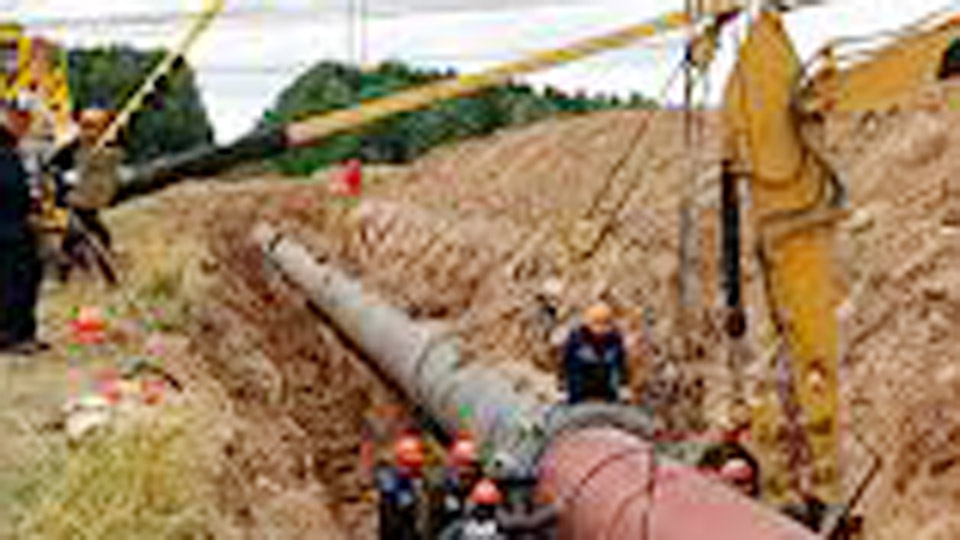
Image by cpacouncil
How Much Do Pipeline Welders Actually Make Right Now?
As of mid-2026, the national average for pipeline welders sits around $70,000 to $80,000 per year. Many sources put the median closer to $69,000–$72,000 base, but that’s before overtime, per diem, and travel pay kick in. Top earners regularly clear $100,000–$150,000+ on active spreads.
Entry-level pipeline welders with basic certifications often start between $52,000 and $65,000. With a couple years under your belt, solid 6G pipe welding skills, and the willingness to travel, you’re looking at $80k–$110k realistically. The highest 10% push well beyond that when projects are hot.
Hourly rates break down like this:
- Arm pay (your actual welding rate): $36–$52/hour
- Truck pay (rig or equipment allowance): $15–$25/hour
- Per diem: $100–$170+ per day for food and lodging when away from home
This split-check system means only your arm pay gets fully taxed in most cases, which helps your take-home. On a 60-hour week, experienced hands can pocket $4,000–$5,000 or more in a good week.
Why Pipeline Welding Pays Better Than Most Welding Jobs
Pipeline work demands precision under tough conditions. You’re welding large-diameter pipe in all weather, often in remote locations, with zero tolerance for defects. A bad weld can cost thousands in repairs, delays, or worse.
That’s why employers pay for proven skills. You need to pass rigorous tests—often 6G position on heavy wall pipe using processes like SMAW (stick) for roots and hot passes, then FCAW or GTAW for fills and caps depending on the spec.
Compared to shop welders making $48k–$55k median, pipeline work rewards mobility and expertise. The energy sector, infrastructure repairs, and new transmission lines keep demand steady even when general fabrication slows.
Union vs Non-Union Pipeline Welder Pay
This is where things get interesting.
Union pipeline welders often have stronger base packages with excellent benefits, pensions, and health care. Rates can hit $45–$72/hour total package in strong locals, especially on big projects. The security and training access are big advantages, but getting in requires apprenticeship time and availability.
Non-union work tends to be more variable but can pay higher on the check during boom times. You negotiate per project, move faster between jobs, and some outfits offer strong per diems. Many experienced travelers prefer non-union for the flexibility and higher short-term earnings.
Both paths work. It depends on whether you value stability or maximum earning potential in hot markets like Texas, North Dakota, or Alaska.
How Location Affects Your Paycheck
Geography changes everything:
- Texas (Gulf Coast, Permian Basin): High activity, $45–$62/hour ranges common. Housing allowances and per diems add up fast in places like Houston or Midland.
- North Dakota and Midwest spreads: Solid pay with harsh winters factored in.
- Alaska: Premium rates—often $100k–$140k potential due to remote work and conditions.
- Appalachia and Northeast: Infrastructure projects provide steady work but sometimes lower per diems.
Cost of living matters. High earnings in remote areas can evaporate if you’re paying premium RV park rates or flying home often.
Experience and Certifications That Move the Needle
Beginners with just a few months shop experience won’t land pipeline gigs easily. Most contractors want:
- 6G certification
- Experience with uphill stick welding (E6010 roots, E7018 caps)
- Knowledge of API 1104 or ASME codes
- Rig welding setup experience
Each additional qualification—exotic materials, orbital welding, or NDT familiarity—adds to your value. Welders who can handle multiple processes (SMAW, GTAW, FCAW) and work efficiently in all positions command the top rates.
Common mistake I see: Guys chase money without putting in the arc time. You can’t fake a good bead when the inspector is watching.
The Real Cost of Pipeline Life
High pay comes with trade-offs. Weeks or months on the road mean missed family time. Physical demands are high—long hours, awkward positions, extreme weather. Safety is non-negotiable with heavy equipment, heights, and pressurized lines nearby.
Many welders burn out after a few years of constant travel. Smart ones set boundaries, build skills for local fab shops as backup, or transition into supervision or inspection later.
Equipment wear is another factor. Your rig, leads, and truck take a beating. Good maintenance keeps downtime low and earnings high.
Building a Sustainable Pipeline Welding Career
If you’re serious, start with solid training. Focus on pipe welding classes that emphasize open-root techniques. Get your hours in on real joints, not just test coupons.
Practical tips from the field:
- Master your root pass technique. A clean root saves time on the whole weld.
- Learn to read the puddle in varying conditions—wind, cold, and heat all change how rods run.
- Invest in quality PPE and tools. Cheap boots or gloves fail fast out there.
- Track your certifications and renewals religiously.
Compare processes for pipeline work:
SMAW (Stick): King for field work. Portable, forgiving on dirty pipe, excellent penetration. Use E6010 for roots, E7018 for fills. Amperage: 70-120A for 1/8″ rods depending on position and wall thickness.
FCAW: Faster fill passes, good in wind with proper gas or self-shielded wires. Higher deposition rates help on big jobs.
GTAW (TIG): Used for critical sections or when specs demand it. Cleaner but slower.
Joint prep is everything. Bevel angles, root faces, and fit-up gaps must be precise. Bad prep leads to rejects and lost money.
Step-by-Step Guide to Landing Better-Paying Pipeline Work
- Get certified in 6G and relevant codes.
- Build a strong resume with verifiable hours and references.
- Network with contractors and fellow welders on spreads.
- Prepare for pre-employment tests—many are brutal for a reason.
- Show up ready: proper PPE, reliable transportation, positive attitude.
Avoid common rookie mistakes like showing up late, arguing with inspectors, or cutting corners on safety.
Materials and Techniques That Professionals Rely On
Pipeline steel is usually API 5L grades. Know your filler metals—matching strength and chemistry prevents cracks. Preheat and interpass temperatures matter on thicker walls to control distortion and hydrogen issues.
In the shop or field, proper joint cleaning removes mill scale and contaminants. Use grinders wisely—don’t overheat the material.
For machine settings, I always tell trainees: start conservative on amperage and adjust based on puddle control. Too hot and you get undercut or burn-through. Too cold and lack of fusion.
Safety Considerations Every Pipeline Welder Must Master
High pay shouldn’t cost your health. Flash, fumes, falls, and heavy lifts are daily realities. Proper ventilation on the right-of-way, correct lens shades (12-14 for stick), and fall protection when needed save careers.
Stay hydrated, manage fatigue on long shifts, and know your limits. The best welders work smart, not just hard.
What the Future Looks Like for Pipeline Welders
Demand remains solid due to infrastructure needs, replacements, and energy projects. While overall welder growth is modest, specialized pipeline roles stay strong where skilled hands are short.
Automation handles some repetitive work, but field pipeline welding still needs human judgment for fit-up variations and site conditions.
Key Takeaways for Welders Eyeing Pipeline Work
Pipeline welding offers strong earning potential—far above average shop rates—when you bring the right skills and mindset. Expect $70k–$80k average with experienced hands pushing six figures through smart career moves, overtime, and per diems.
Success comes from mastering techniques like open-root stick welding, understanding material requirements, maintaining certifications, and respecting the lifestyle demands.
The money is real, but so is the grind. Put in the practice on coupons and real joints. Learn from old-timers on the line. Build endurance and precision.
Control your heat input like your paycheck depends on it—because it does. A consistent, defect-free bead means more joints per day, better reputation, and steady work at the highest rates.
FAQ
How long does it take to become a pipeline welder earning good money?
Most guys need 1–3 years of solid experience plus certifications. You can start earning decent pay after passing key tests and getting field hours, but top rates come with proven reliability on multiple projects.
Do pipeline welders get paid for travel time?
Often yes, through per diem, truck pay, or mobilization fees. Always clarify this before signing on. Some outfits cover flights or mileage too.
Is pipeline welding hard on your body long-term?
It can be. Repetitive positions, weather exposure, and long hours add up. Many experienced welders transition to inspection, supervision, or less physical roles after 10–15 years while keeping strong earnings.
What welding process is most common on pipelines?
SMAW (stick) remains dominant for its portability and performance in field conditions. Many spreads combine it with FCAW for higher productivity on fill passes.
Can hobbyist or DIY welders transition to pipeline work?
Yes, if they commit to proper training and certification. Start with a good welding school program focused on pipe, build skills, then pursue entry opportunities with contractors. Real arc time matters more than anything.